




State Bills Focus on Cell Phone Use
At least 30 states are considering legislation to regulate the use of mobile phones behind the wheel, most commonly calling for hands-free devices

At least 30 states are considering legislation to regulate the use of mobile phones behind the wheel, most commonly calling for hands-free devices.
So far, no states have actually enacted such legislation, although it was on the agenda of many lawmakers last year as well. Hundreds of local communities and county governments, however, have done so, such as Suffolk County, N.Y.
A sampling of state legislation on the table:
In Washington State, two bills have been introduced covering the use of cell phones by drivers, and a third is expected, according to The Seattle Post-Intelligencer. A bill in the state House would flatly prohibit hand-held mobile phones. A bill in the Senate would phase in a requirement for hands-free phones. Another representative proposes a $35 fine if talking on a hand-held cell phone contributes to an accident.
In Kansas, a bill in the state House of Representatives, HB 2440, would prohibit drivers from using hand-held cellular phones, with a $30 fine for violations.
A Vermont bill would prohibit drivers from using hand-held cellular phones behind the wheel, but no penalty has been suggested yet.
In Illinois, the House has approved legislation that would allow drivers to wear an earpiece while using a cellular phone. A little-known state law from the '70s, enacted in the heyday of Walkmans, makes it illegal to drive with any kind of headphones.
Connecticut has one bill that would ban the use of hand-held cell phones, while another would address inattentive driving in general, including activities such as putting on makeup, shaving or reading the newspaper along with cell phone use.
Most of the bills would make an exception for emergency use, such as dialing 911.
Some critics say requiring hands-free phones is not enough, and that any type of cell phone provides is too distracting. The Post-Intelligencer cites a National Highway Traffic Safety Administration report indicating that the most common factor in phone-related accidents is conversation itself, rather than dialing or holding the phone.
Others, however, say there's not enough hard evidence on the danger of using cell phones while driving. Until recently, only Oklahoma and Minnesota included information on driver phone use on their accident reports. Now 11 states collect that information. However, the validity of that information depends largely on the honesty of those involved in the accident. NHTSA reportedly is urging states to adopt a uniform system of collecting data on various driver distraction, including such activities as tuning the radio in addition to cell phone use.
Critics also say the bills unfairly single out cell phone users, when numerous other types of distractions prove dangerous, as well. Others say such a law would be difficult to enforce.
State legislators are also battling powerful lobbyists for wireless phone service providers. The exception is Verizon Wireless, which endorses hands-free devices. Most providers say they have launched major educational programs, saying these are the most effective way to discourage people from yakking behind the wheel.
These factors have already led to the death of bills in at least two states this year, Maryland and Arizona.
More Safety & Compliance

FDA Eases Path for Oral-Fluid Testing
Federal actions could advance oral-fluid drug testing for truck drivers, but lab certification delays and marijuana rescheduling questions remain.
Read More →
Kodiak Lines Up Fleets for Driverless Trucking
An agreement for 75 trucks, a new Texas freight lane, and progress on safety validation move Kodiak closer to its planned driverless highway launch.
Read More →
More Trailer Data Through the Same Seven-Way [Video]
Can trucking’s standard seven-way connector handle more cameras and trailer data? Grote’s Adam Slade shows HDT how the company is using new technology with its 4See trailer system, not only to add a new backup camera but also to expand other capabilities — without adding another connection.
Read More →

PrePass Intelligence Mines Fleet Bypass, Toll and Safety Data
PrePass Intelligence helps fleets measure bypass savings, flag potential toll overcharges, and spot suspicious transactions by combining data from separate systems.
Read More →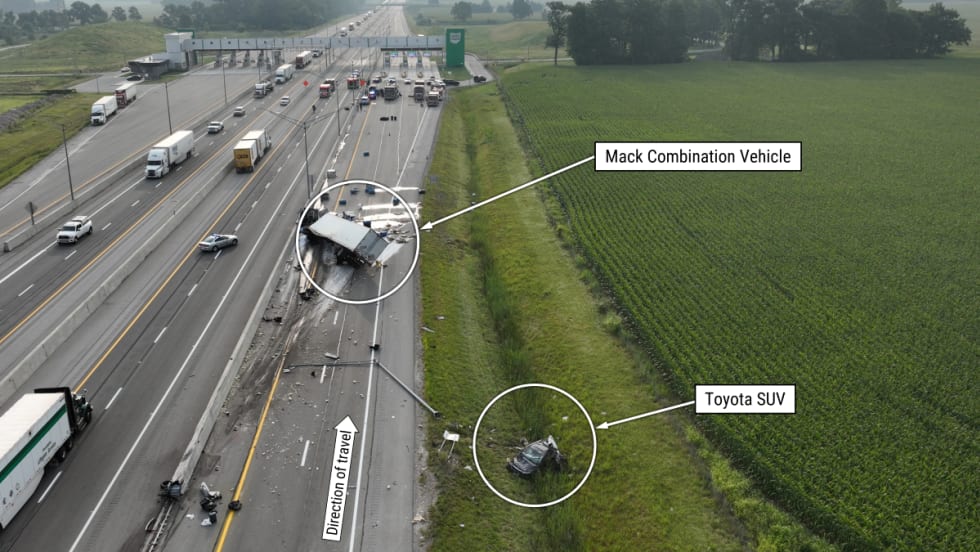
Fatal Crash Exposes Toll Plaza Risks
An NTSB investigation found that last-minute lane changes and large speed differences at an Ohio toll plaza created a hazard the truck driver couldn't avoid in time.
Read More →
When Language Stops the Truck: The Return of ELP Out-of-Service Orders
English language proficiency rules for commercial drivers aren’t new, but renewed out-of-service enforcement has raised the stakes. Here’s what carriers need to know before a driver reaches a roadside inspection.
Read More →
A Camera Isn't a Safety Program. Here's What Brokers Are Screening for Now
Footage alone may not be enough to pass broker vetting processes. Here's what counts as a defensible safety program now.
Read More →
Marijuana and Trucking’s Drug-Testing Dilemma
Marijuana is getting stronger, laws are changing, and drug tests still can’t reliably establish impairment. What does that mean for truck drivers and the fleets that employ them?
Read More →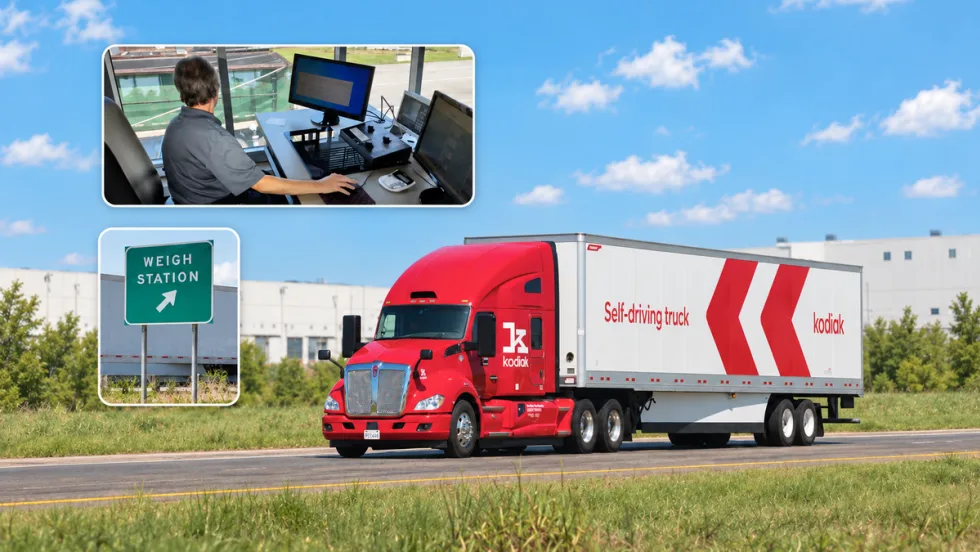
PrePass, Kodiak Connect Driverless Trucks to Roadside Enforcement
The system will allow enforcement agencies to verify Enhanced Inspection information and decide whether Kodiak’s autonomous trucks can bypass roadside screening sites.
Read More →
From One Generation to the Next: How Mentorship Builds Safer Truck Drivers
After three decades in trucking, Harold Perry shares what he's learned about driver safety, mentorship, and helping the next generation build confidence behind the wheel.
Read More →