




Slater Extends Comment Period as Truckers Try to Kill HOS Proposal
With truckers pushing for legislation to squelch the hours of service proposal, Transportation Secretary Rodney Slater granted industry requests for more time to review and comment. After initially resisting calls for more time, Slater Friday issued instructions to extend the comment period from July 31 to October 30. His decision came after dozens of witnesses in public hearings on the proposal urged that the extension be granted.
With truckers pushing for legislation to squelch the hours of service proposal, Transportation Secretary Rodney Slater granted industry requests for more time to review and comment.
After initially resisting calls for more time, Slater Friday issued instructions to extend the comment period from July 31 to October 30.
His decision came after dozens of witnesses in public hearings on the proposal urged that the extension be granted.
Slater also had been pressured by leaders of the powerful House Transportation and Infrastructure Committee, who told him that the original 90-day comment period is not enough time to review the complex and far-reaching proposal.
Meanwhile, trucking interests are firing up a legislative campaign to put a wedge in the rulemaking gears.
The American Trucking Associations is supporting a provision in the Senate transportation appropriations bill that would effectively kill the proposal for a year.
And this week, Sen. Ben Nighthorse Campbell, R-CO, is expected to introduce a bill that orders DOT not to move ahead on the proposal. His bill will echo a similar measure introduced in the House by Rep. Lee Terry, R-NE. For Congress to agree on these bills, it would have to overcome the objections of members who have long been pushing DOT to revise the rules.
As Senate appropriations panels prepare to mark up their bill tomorrow, the ATA tactic faces stiff obstacles. If the provision is attached to the bill, it is likely to be resisted by the Clinton administration. Slater told Sen. Richard Shelby, R-AL, chairman of the Transportation Appropriations Subcommittee, that while he is willing to grant the extension, he is not prepared to stop moving on the proposal.
Also opposed are liberal activist groups such as Public Citizen and Advocates for Highway and Auto Safety, as well as the Transportation Trades Division of the AFL-CIO.
Julie Anna Cirillo, acting chief safety officer of the Federal Motor Carrier Safety Administration, said the legislative maneuver is counterproductive.
“The regulatory process has started,” Cirillo said. “To close it down before it has had a chance to run its course is counterproductive.”
In comments to transportation reporters, Cirillo indicated that the safety agency is willing to making changes in its proposal (See related story).
In any event, the regulatory process remains under way. Public hearings on the proposal will continue into July and the safety agency will receive additional comments through October.
When can truckers expect a conclusion? Negotiations over the legislative shut-down are likely to continue into the fall. On the rulemaking side, Slater has indicated that his goal is to get the final rule out before the end of the year, but this extended deadline makes that more difficult. After DOT finishes its review and rewrite, the rule still has to clear the White House Office of Management and Budget.
And if the proposal as it is now written becomes final, there remains the strong possibility that it will be challenged in court. On the other hand, the safety agency may come up with a revision that is acceptable to truckers and other interested parties.
More Drivers

Competition Heating Up for Truck Drivers
New report reveals rising driver hiring costs, the return of sign-on bonuses, growing AI advantages, and the operational factors shaping driver retention.
Read More →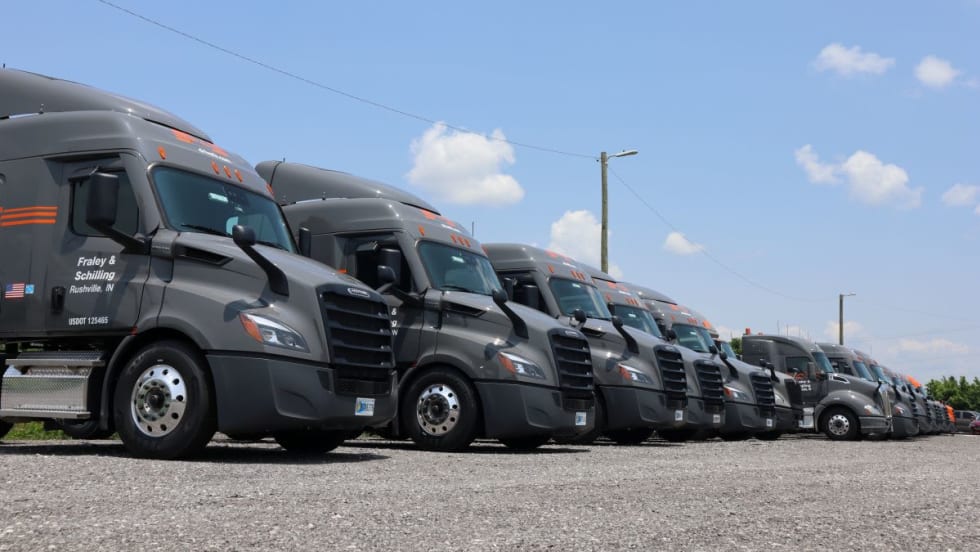
How Fraley & Schilling Improved Logbook Compliance by Over 50%
Fraley & Schilling needed a way to close a compliance workflow gap in its ELD system without adding more work from driver training, reminders, and back-office follow-ups. It found the answer in a custom driver app.
Read More →
Volvo Goes Gaming
Volvo has roared into American Truck Simulator with two new flagship trucks.
Read More →
What the Best Fleets to Drive For Teach About Driver Retention
Survey fatigue, AI-powered routing, owner-operator expectations, and the decline of social media all emerged as themes from this year's Best Fleets to Drive For program.
Read More →
Driver Retention Lessons From the Best Fleets to Drive For
What separates trucking's best workplaces from the rest? Jane Jazrawy shares the biggest lessons from this year's Best Fleets to Drive For program on driver retention, communication, AI, and workforce trends on the HDT Talks Trucking podcast.
Read More →
Farewell, CDL: Why I'm Giving Up My Commercial Driver's License
After more than 20 years as a CDL holder, HDT Executive Editor Jack Roberts is letting his commercial license expire. Not because he wants to — but because trucking's nuclear verdict crisis has made the risks of public-road test drives too great for editors, manufacturers, and everyone involved.
Read More →
How Top Trucking Fleets Improve Driver Retention [Video]
What do healthy snacks, optimized routing, and just picking up the phone have in common? They're all strategies the Best Fleets to Drive For are using to retain truck drivers.
Read More →
Trucker Path Adds Verisk CargoNet Theft Data to Navigation Platform
Trucker Path’s new cargo theft risk overlays give drivers and fleets visibility into high-risk areas, stolen commodity trends, and theft hotspots.
Read More →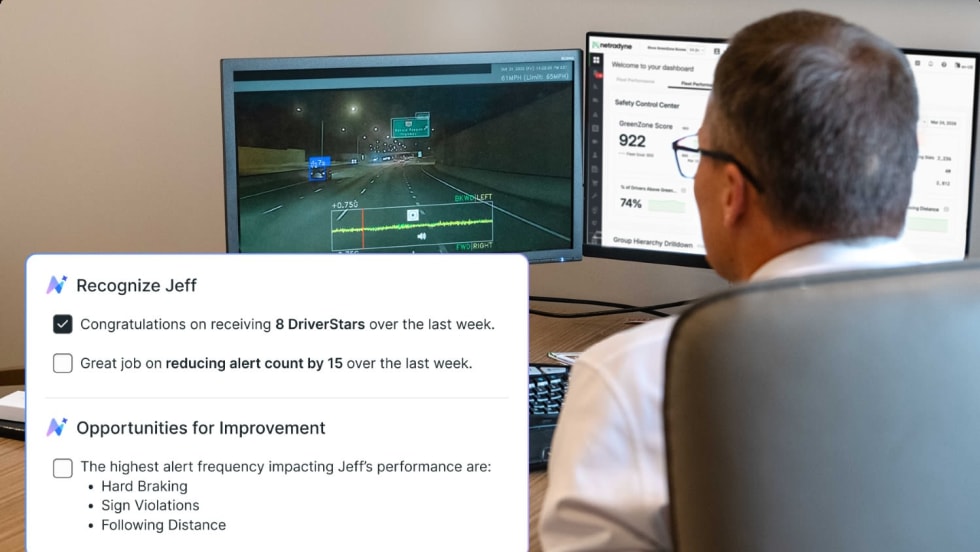
Netradyne Intelligence Uses New AI Agents to Automate Response to In-Cab Camera Data
The company called the next-generation in-cab camera safety platform "a fundamental shift from systems that report on what happened to systems that actively drive what should happen next."
Read More →
Why Truck Detention Keeps Costing Fleets Time and Money
A 2024 ATRI study found detention affects nearly 40% of truckload stops and costs the industry more than $15 billion annually. Despite the toll on drivers, fleets, and supply chains, the problem remains stubbornly persistent.
Read More →