




Shippers Target at Atlanta HOS Hearing
It was standing-room only Thursday morning at the meeting room in the TA Atlanta South truckstop as the Federal Motor Carrier Safety Administration convened its next-to-last public listening session on its controversial hours of service proposal
It was standing-room only Thursday morning at the meeting room in the TA Atlanta South truckstop as the Federal Motor Carrier Safety Administration convened its next-to-last public listening session on its controversial hours of service proposal.
More than 200 people showed up for the first day of the hearing, and over 80 signed up to speak, making it one of the most well-attended hearings of the series. Suited CEOs rubbed shoulders with uniformed drivers and independent owner-operators. Truckload, less-than-truckload, private and specialty fleets were all represented.
Common themes of the testimony included the need for more trucks and more drivers to comply with the proposed regulations, the need to be able to split sleeper berth time, the general hatred of the "weekend" proposal, and how all of this would hurt productivity and driver pay and, because of more trucks on the road and less experienced drivers behind the wheel, actually make the roads less safe rather than more so.
As they have at previous hearings, utility companies testified that they should be exempt from the regulations, treated the same as ambulance drivers, fire truck drivers and other emergency vehicle drivers. Similarly, construction companies urged longer hours and the 24-hour restart they currently enjoy.
Representatives of several truckload carriers told the panel that shippers should be regulated along with truckers, and perhaps even that it should be illegal for drivers to load or unload their own trucks.
Ed Crowell, president of the Georgia Motor Truck Assn., said the regulatory system is the opposite of that in other transportation modes, which enforce regulations on customers as well as the transportation provider. He offered as an example an unruly passenger who threatens the safety of an airplane. The government would discipline this customer, he said, but will not do anything about trucking customers who set unrealistic delivery appointments and force drivers to suffer through ridiculous detention times. His remarks garnered many nods from the crowd, and even one "amen."
Gene Vonderau, director of safety for the Alabama Trucking Assn., echoed Crowell's remarks. "Many shippers and receivers will only cooperate when forced to," Vonderau said. "Granted, many of our customers bend over backwards to help, but many more simply do no care how long drivers must wait at their facilities."
But Clay Watkins, senior vice president for less-than-truckload carrier Watkins, saw it differently. "Loading and unloading is a part of LTL trucking," he said. "Always has been, always will be. If certain segments of the industry are unsatisfied with their customer relations, that's up to them to fix, not up to the government to regulate." Watkins, he says, included loading and unloading rules in its contracts and in its published tariffs.
Another common point in the testimony was the fact that the rules would require a driver to restart his 10-hour consecutive rest clock if he does any work, whether it's take a call from the company alerting him to a schedule change or checking his load. Crowell cited the example of a refrigerated carrier, who told him that "if a driver checks his load, as must, once he stops for his rest period, he'll never be able to move his truck again."
Quite a few drivers testified who currently make daily runs that get them back home every night. The new regulations would limit them to 12 on/12 off. While under normal circumstances, these drivers typically get back within 12 hours, they testified that they need flexibility for delays caused by traffic, construction, accidents, weather and other unforeseeable problems. One driver recited a litany of delays on Atlanta's infamously congested I-285. If he runs out of hours because of them, he asked, "Where am I going to stop for that 10 hours of rest? Hopefully not on 285!"
The parking shortage was cited as a concern by several who testified. Perhaps motivated by the sight of rows and rows of trucks parked overnight at the truckstop, moderator John MacGowan told the audience that while "parking availability is not addressed in the hours of service proposal, we recognize its importance. It is in the hands of the Federal Highway Administration, and we are working with them on a comprehensive study of truck parking availability."
And just about everyone complained that the rules were too complex. Roger Lanham, a 32-year, third-generation truck driver who drives for Overnite Transportation, told the panel, "We are truck drivers, not brain surgeons."
More Drivers

Competition Heating Up for Truck Drivers
New report reveals rising driver hiring costs, the return of sign-on bonuses, growing AI advantages, and the operational factors shaping driver retention.
Read More →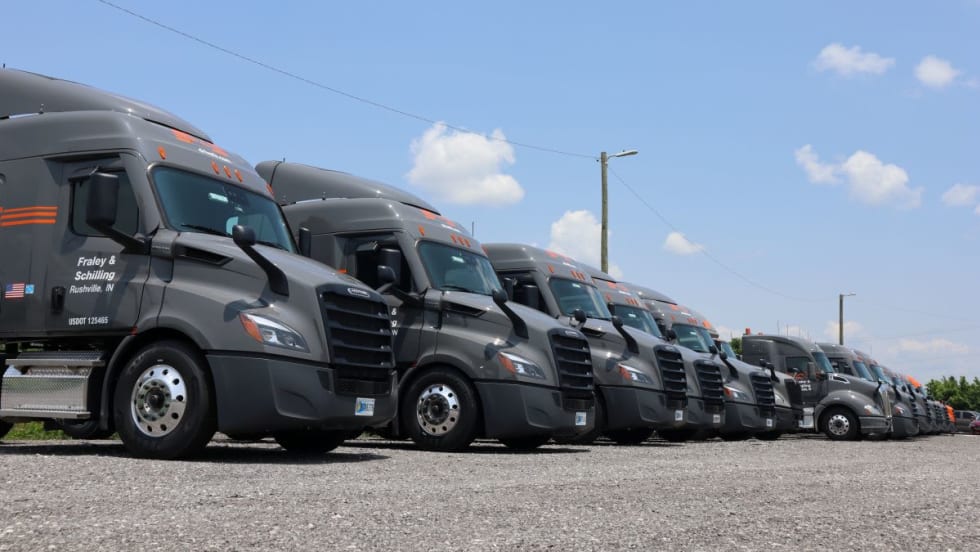
How Fraley & Schilling Improved Logbook Compliance by Over 50%
Fraley & Schilling needed a way to close a compliance workflow gap in its ELD system without adding more work from driver training, reminders, and back-office follow-ups. It found the answer in a custom driver app.
Read More →
Volvo Goes Gaming
Volvo has roared into American Truck Simulator with two new flagship trucks.
Read More →
What the Best Fleets to Drive For Teach About Driver Retention
Survey fatigue, AI-powered routing, owner-operator expectations, and the decline of social media all emerged as themes from this year's Best Fleets to Drive For program.
Read More →
Driver Retention Lessons From the Best Fleets to Drive For
What separates trucking's best workplaces from the rest? Jane Jazrawy shares the biggest lessons from this year's Best Fleets to Drive For program on driver retention, communication, AI, and workforce trends on the HDT Talks Trucking podcast.
Read More →
Farewell, CDL: Why I'm Giving Up My Commercial Driver's License
After more than 20 years as a CDL holder, HDT Executive Editor Jack Roberts is letting his commercial license expire. Not because he wants to — but because trucking's nuclear verdict crisis has made the risks of public-road test drives too great for editors, manufacturers, and everyone involved.
Read More →
How Top Trucking Fleets Improve Driver Retention [Video]
What do healthy snacks, optimized routing, and just picking up the phone have in common? They're all strategies the Best Fleets to Drive For are using to retain truck drivers.
Read More →
Trucker Path Adds Verisk CargoNet Theft Data to Navigation Platform
Trucker Path’s new cargo theft risk overlays give drivers and fleets visibility into high-risk areas, stolen commodity trends, and theft hotspots.
Read More →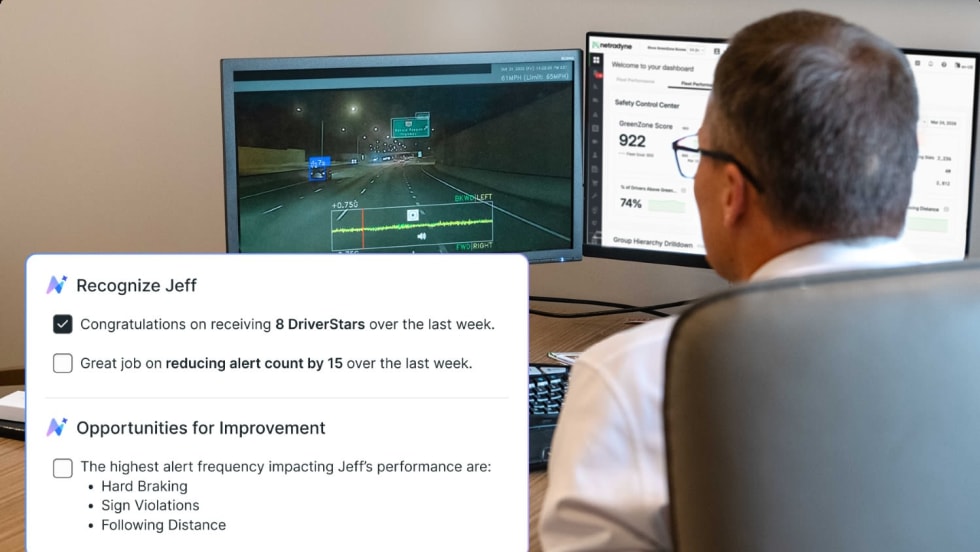
Netradyne Intelligence Uses New AI Agents to Automate Response to In-Cab Camera Data
The company called the next-generation in-cab camera safety platform "a fundamental shift from systems that report on what happened to systems that actively drive what should happen next."
Read More →
Why Truck Detention Keeps Costing Fleets Time and Money
A 2024 ATRI study found detention affects nearly 40% of truckload stops and costs the industry more than $15 billion annually. Despite the toll on drivers, fleets, and supply chains, the problem remains stubbornly persistent.
Read More →