




Senators Agree on Highway Bill Principles
A bipartisan group of Senators has agreed on the outline of bill to reauthorize the federal highway program. The terms of the deal cover policy principles such as a long-term bill and maintaining existing programs but they do not cover the key question of how to pay for the program.

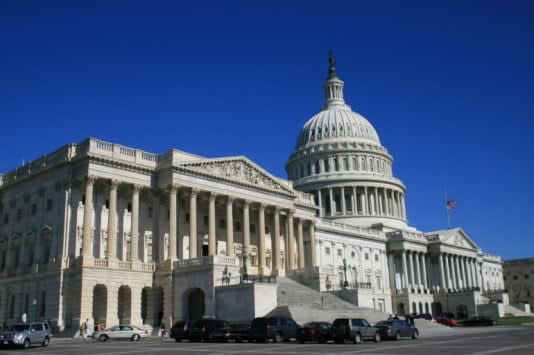
A bipartisan group of Senators has agreed on the outline of bill to reauthorize the federal highway program.
The terms of the deal cover policy principles such as a long-term bill and maintaining existing programs but they do not cover the key question of how to pay for the program.
Sen. Barbara Boxer, D-Calif., chair of the Environment and Public Works Committee, announced the deal on Thursday and said the committee will act on the bill when it returns from recess the last week of April.
Joining Boxer in the announcement were Sens. David Vitter, R-La., the ranking member of the committee, Thomas Carper, D-Del., and John Barrasso, R-Wyoming.
Boxer spelled out the principles included in the deal.
The bill should cover a longer term than the current two-year program – up to six years, reflecting the strong desire of highway users and planners for an extended, predictable program.
It should maintain current formulas for core programs.
It should promote fiscal responsibility by keeping current levels of funding, plus inflation.
It should expand opportunities for rural areas.
It should continue efforts to leverage local resources for projects.
It should require better information sharing on federal grants.
Congress is under pressure to act quickly. The Highway Trust Fund, the source of federal funding for highways, is going to run into the red within the next six months, perhaps as soon as August.
“The reason the four of us are standing here is to send a strong signal to this country that we, as leaders of this Committee, have worked across party lines to act before the Highway Trust Fund cannot pay its bills,” Boxer said.
The Environment and Public Works Committee is responsible for the main policy content of the bill, but other key areas must be handled by other committees.
The all-important matter of funding is the jurisdiction of the Finance Committee.
“(Finance) has to figure out how to pay for this six-year bill,” said Vitter. “EPW has an easier role.”
Also involved are the Commerce Committee, which writes the safety title of the bill, and the Banking Committee, which is responsible for transit.
On the House side, the Transportation and Infrastructure Committee is holding hearings in preparation for drafting a bill by summer.
More Fleet Management

How Telematics Improves Visibility, Control, and Performance in Refrigerated Fleets
Explore how telematics help refrigerated fleets improve visibility, uptime, efficiency, compliance, and cargo protection across connected cold chain operations.
Read More →
What the U.S.-Canada Trade War Means for Trucking
Escalating U.S.-Canada tariffs could disrupt cross-border freight, reduce truck volumes, raise costs, and create new uncertainty for carriers on both sides of the border.
Read More →
What Are Trucking’s Top Concerns for 2026?
The American Transportation Research Institute wants to know what's worrying trucking fleet managers, drivers, and other stakeholders in its annual Industry Issues survey.
Read More →

American Trucking Associations Looks for a New Leader
ATA President and CEO Chris Spear abruptly left his job at the association on August 21, at a pivotal time for the trucking industry.
Read More →
Public Wi-Fi Cybersecurity Risks: How Truck Drivers and Fleets Can Protect Their Data
Public Wi-Fi can expose truck drivers and fleets to credential theft, malware, and other cyber threats. Here’s how to reduce the risk on the road.
Read More →
For Nicky Cupp, Fleet Innovation Starts With Frustration
HDT Truck Fleet Innovator Nicky Cupp turns everyday pain points at Fraley & Schilling into opportunities for better technology and smarter processes.
Read More →
Adam Buttgenbach’s Approach to Electric Trucks: Start With Where They Fit
HDT Truck Fleet Innovator Adam Buttgenbach helped PepsiCo build one of North America’s largest EV fleets by focusing on where electric trucks make operational sense.
Read More →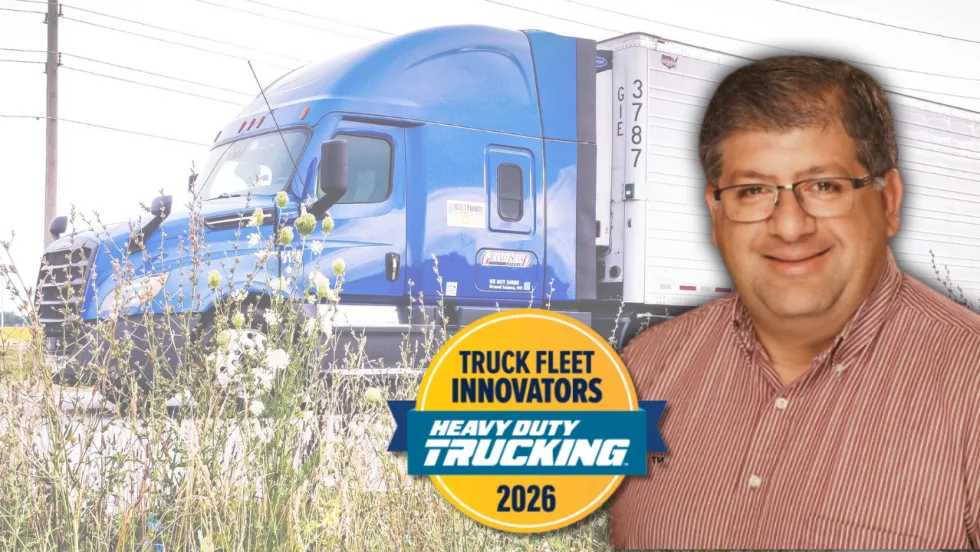
Deen Albert: Let Automation Do the Math, People Make the Decisions
HDT Truck Fleet Innovator Deen Albert makes sure people are still at the heart of operations at Grand Island Express, even while adopting artificial intelligence tools. AI-assisted dispatch helped boost revenue 25% with the same number of trucks.
Read More →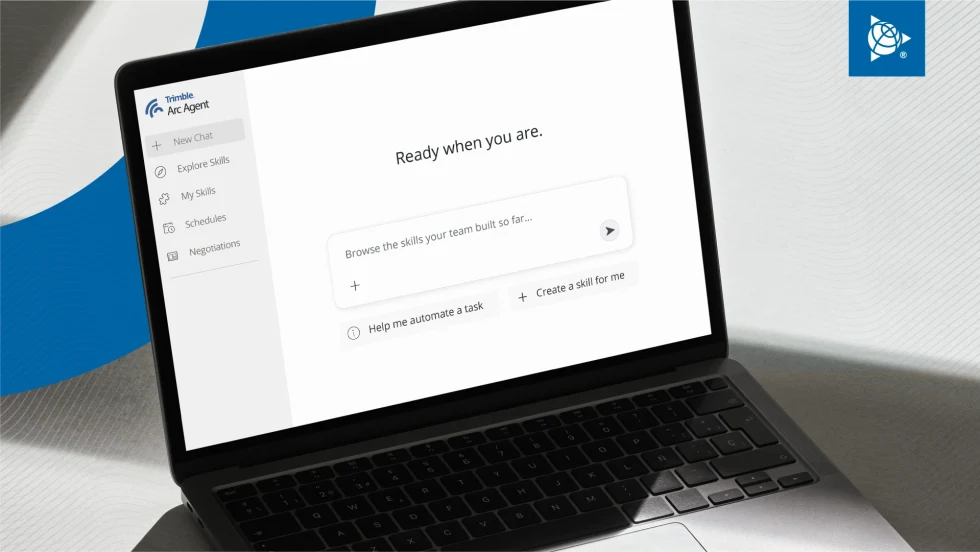
Trimble’s New AI Agent Takes Aim at Fleet Back-Office Busywork
Arc Agent works across Trimble TMS products to automate repetitive tasks such as freight orders, maintenance, invoices, fuel costs and more.
Read More →
How HDT’s 2026 Truck Fleet Innovators Are Rethinking Fleet Operations
Meet five trucking leaders who are challenging assumptions, solving operational problems, and putting innovative ideas to work.
Read More →