




U.S.- Mexico trade is growing at a rapid pace as corporations, large and small, pursue opportunities opened up with the North American Free Trade Agreement. The need for millions of trucks to transport goods internationally is increasing and, with it, the need for more efficient crossings.
Although the number of border crossings is growing, the U.S. and Mexican governments continue to delay implementation of a NAFTA provision that would open the border to international truck traffic. Mexican trucks are only allowed to serve designated commercial zones within the U.S. U.S. trucks are all but banned from Mexico.
Crossings are further complicated by inspections, visa requirements and penalties for non-compliance. Moreover, each crossing site is unique and conventions can even vary from company to company. Thus delays at the border range from 45 minutes to 8 hours.
One solution: Foreign Trade Zones.
FTZs started cropping up in the 1930s as a way to help level the playing field for U.S. companies and their international competitors. They have since become widely recognized as a way to ensure smooth, efficient and speedy movement of goods. FTZs provide a reliable and competitive foundation for working with U.S./Mexican customs regulations, policies and procedures, and they can offer significant savings and market advantages in the global supply chain.
One successful FTZ is the Trade Processing Center run by Ryder System, the Miami-based logistics and truck lease/rental giant. Ryder began offering cross-border services to clients such as General Motors, Xerox and Diesel Recon in 1995. As relationships developed and business opportunities grew, the company created its own FTZ.
Ryder's Trade Processing Center is a 40,000-square foot facility located at KellyUSA (the former Kelly Air Force Base) in San Antonio, Texas. It operates seven days a week with door-to-door services for over-the-road, rail, air an ocean transportation for full truckload, small parcel and less-than-truckload movements.
Services include audit and consolidated billing for clients and partners. Ryder coordinates Mexican cargo insurance and can arrange security escorts for high-value goods.
In addition to transportation and logistics expertise, the center offers a secured warehousing service including receiving, storage and forwarding, inventory management, packaging, material handling, shipping, and just about any other support services a client might need. It also provides Mexican broker and freight forwarder services with coordinated logistics services tailored to a client’s own requirements.
It’s essentially a one-stop global logistics, distribution and transportation management operation as well as the liaison between Ryder U.S. and Ryder de Mexico, providing transportation and management for Ryder's dedicated contract carriage service, contract and common carriers, Mexican carrier management, security support and cargo services.
Although Ryder's cross-border team currently crosses trailers at nine sites (Otay Mesa, Calexico, Nogales, El Paso, Del Rio, Eagle Pass, Laredo, McAllen and Brownsville), the center provides a single point of contact for five of the border crossing locations - Laredo, Eagle Pass, Del Rio, McAllen and Brownsville.
Ryder is also an active participant in various commercial and government border pilot programs aimed at enhancing operational efficiency and customer satisfaction. A recent program, the North American Trade Automation Prototype, is an eight-month pilot program coordinated with the U.S. Treasury Department and U.S., Mexican and Canadian Customs. Its objective is to reduce customs paperwork at the borders and has already led to the development of the Customs' International Trade Data Systems, which will be fielded in January 2001.
Ryder maintains that any business involved in cross-border trade activities needs the expertise and experience of a full-service FTZ to reduce delays, costs, paperwork and inefficiencies. The company says its Trade Processing Center, along with its dedicated management team at the border-crossing sites, serves as its clients' eyes and ears at the border, providing significant financial advantages for more competitive and lucrative business operations.
Ryder Free Trade Zone Eases Border Crossings
U.S.- Mexico trade is growing at a rapid pace as corporations, large and small, pursue opportunities opened up with the North American Free Trade Agreement. The need for millions of trucks to transport goods internationally is
More Equipment
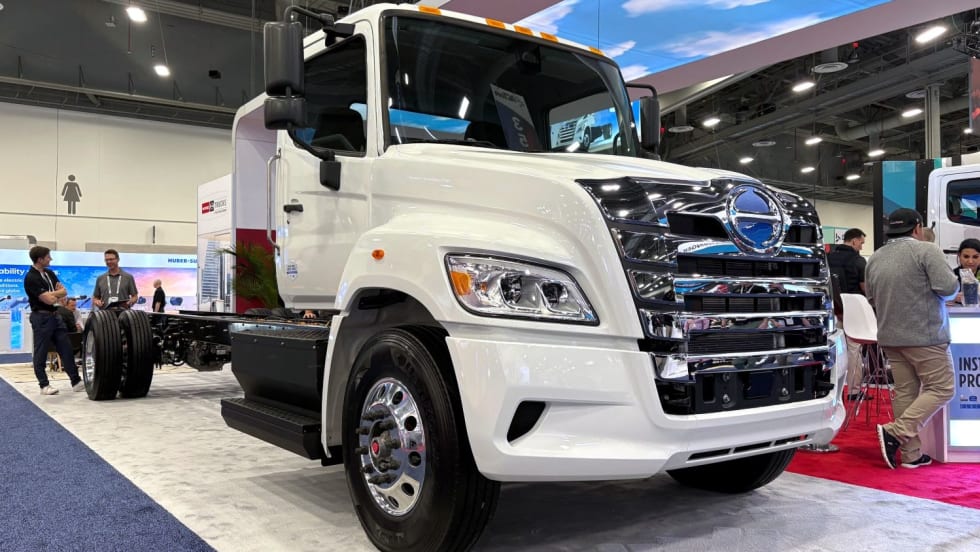
Hino Adds Electric Class 6/7 Truck
Hino says the Le Series is an important step in the company's efforts to reduce environmental impact and support its customers’ sustainability goals.
Read More →
ACT Expo 2026: Highlights in Photos
The 2026 Advanced Clean Transportation Expo featured a broad range of commercial vehicle technologies, from EVs to autonomous trucks to the latest diesel and alternative-fuel engines.
Read More →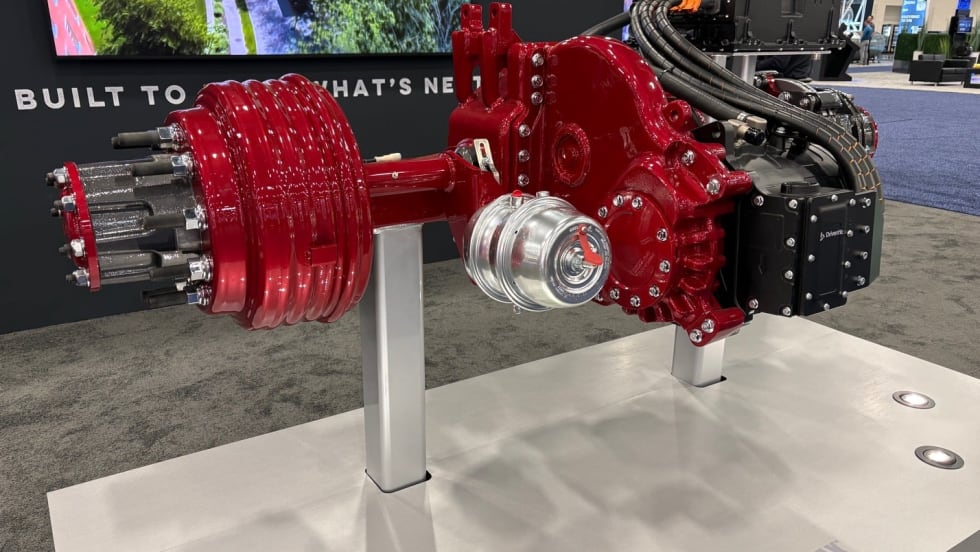
Hendrickson Debuts Electraax E-Axle for Medium-Duty Trucks
Developed with Driventic, Hendrickson's new integrated e-axle is designed to improve efficiency, reduce weight, and extend range in Class 6-7 EV applications.
Read More →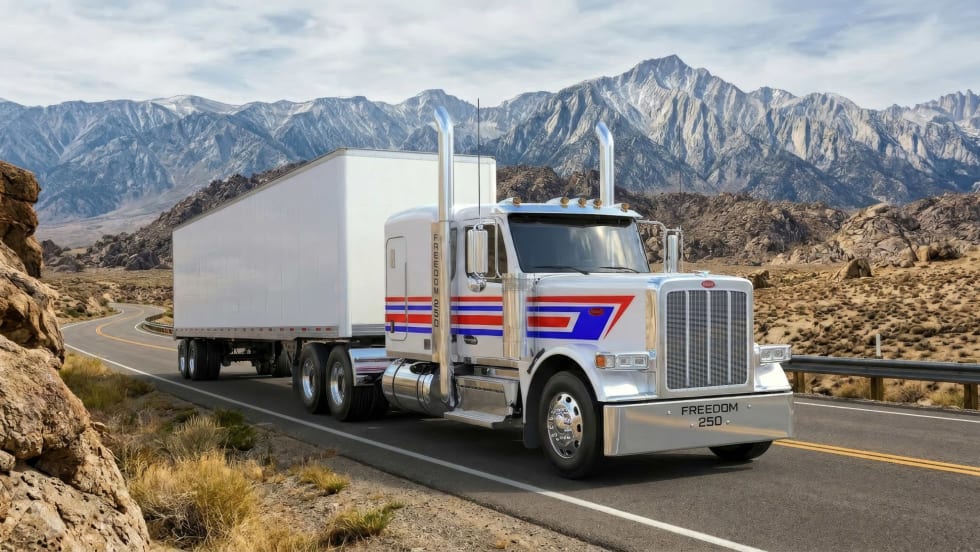
Peterbilt Unveils Freedom 250 Special Edition Model 589
Peterbilt’s just-announced limited-run patriotic Model 579 tractor celebrates America’s 250th birthday with custom styling and premium features.
Read More →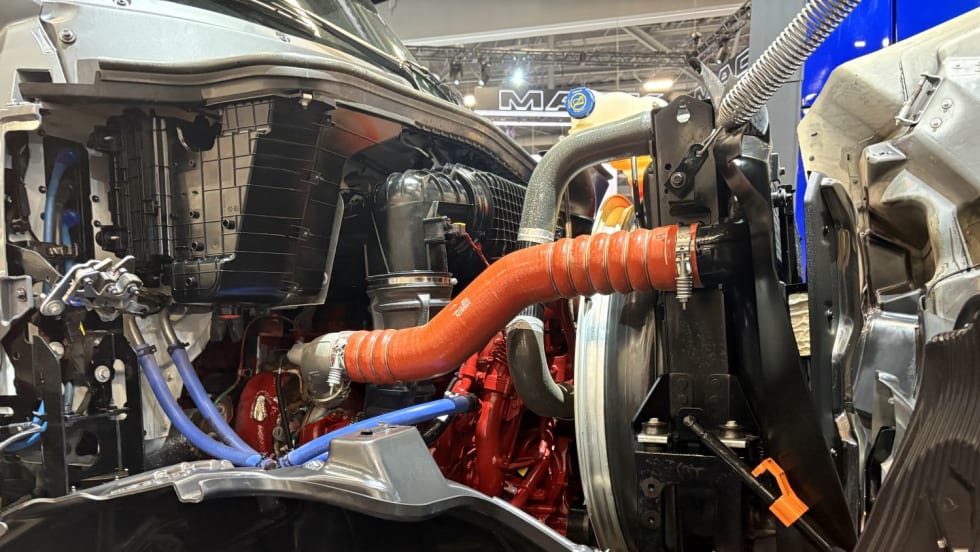
Mack Unveils EPA 2027-Compliant MP13 Engine With More Power, Better Fuel Economy
Along with unveiling its EPA 2027-compliant MP13 engine, Mack outlined powertrain changes across its Class 6-8 lineup, including new Cummins-based X10 engines.
Read More →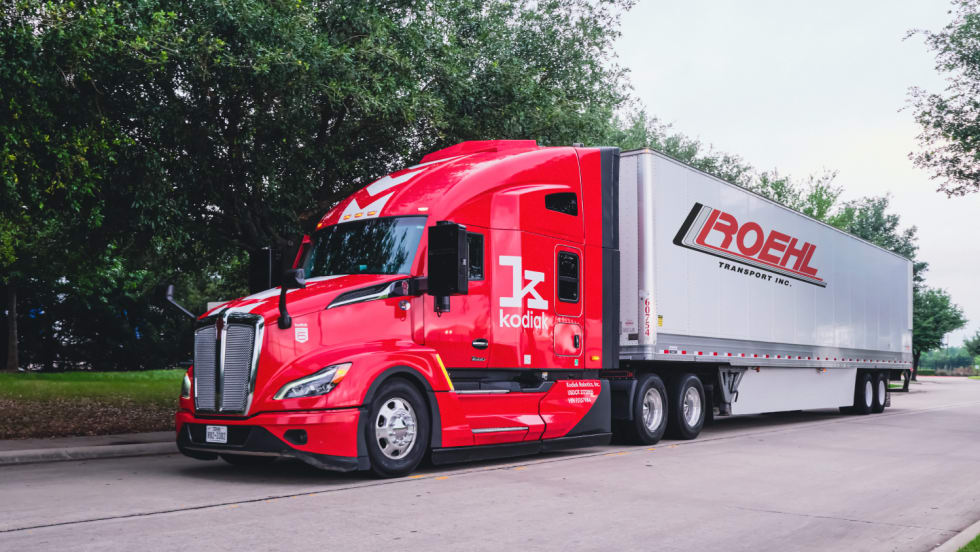
Kodiak and Roehl Transport Launch Autonomous Route Between Dallas and Houston
Kodiak AI and Roehl Transport have begun autonomous freight operations on a regular Dallas-Houston route, marking another step toward Kodiak’s planned driverless launch by the end of 2026.
Read More →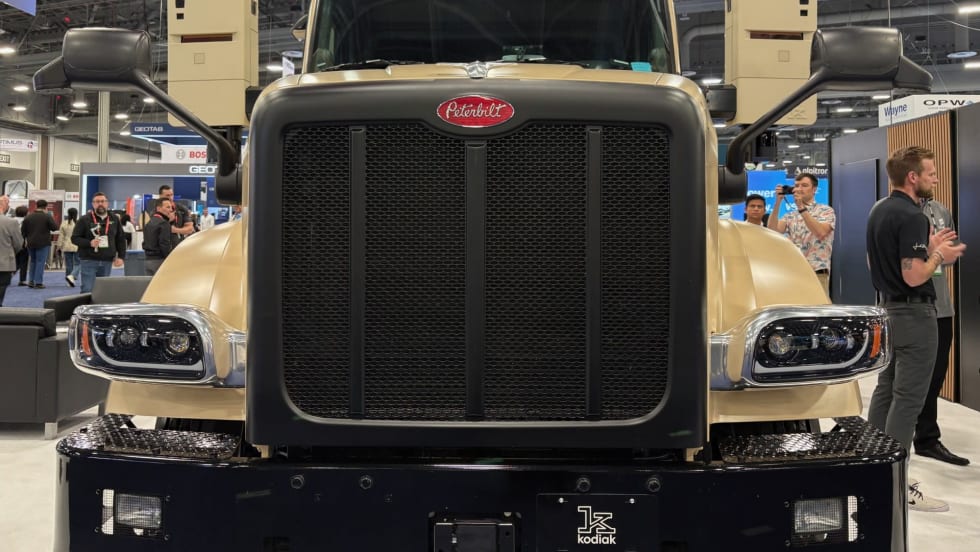
Autonomous Trucks at ACT Expo 2026
Autonomous trucks commanded a lot of attention from attendees at ACT Expo this year. Check out this photo gallery.
Read More →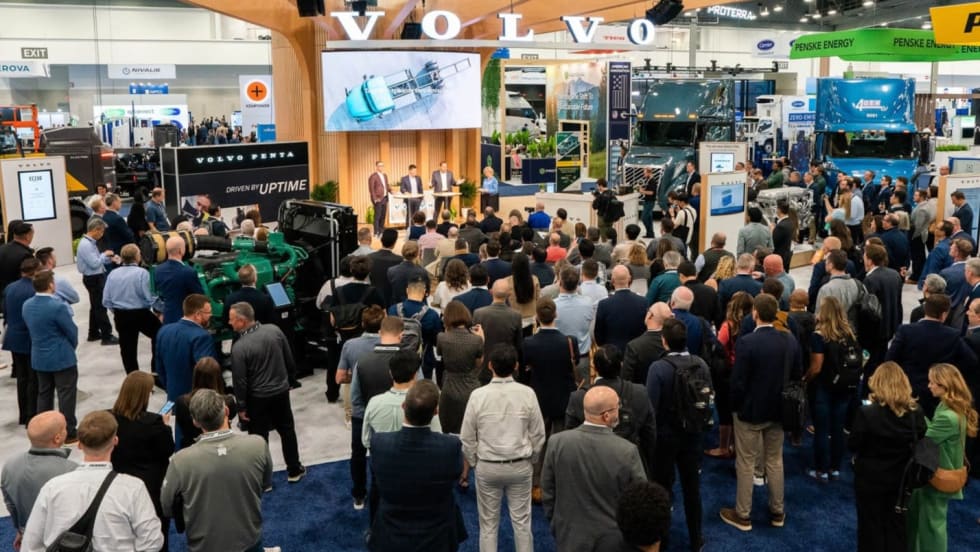
How Volvo’s New D13 Engine Meets EPA 2027 Emissions Without Sacrificing Power or Fuel Efficiency
Volvo says advances in combustion and aftertreatment helped its new EPA 2027 D13 engine avoid the fuel-economy penalties many once expected from tighter NOx emissions limits.
Read More →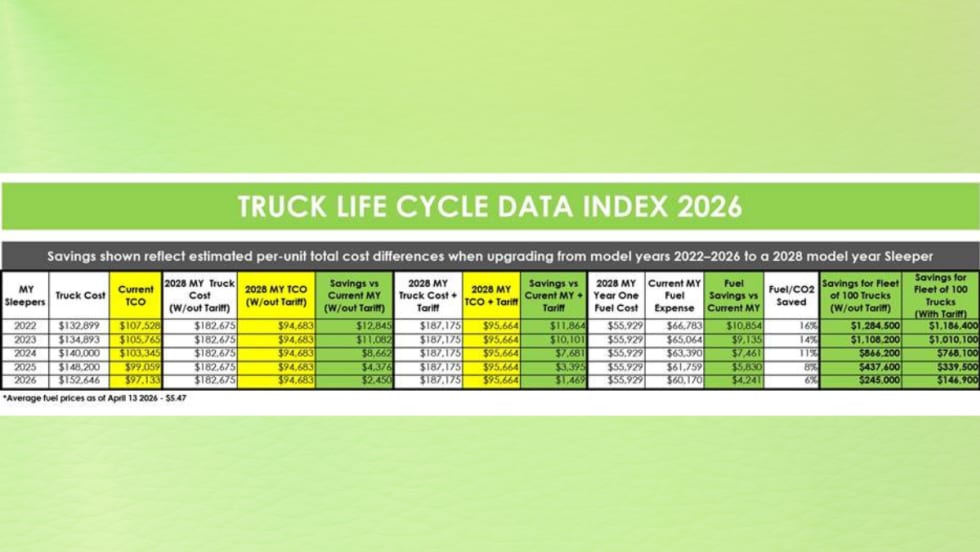
Fleet Advantage TLDI Highlights Rising Costs of Aging Fleet Equipment Amid Higher Diesel Prices
Fleet Advantage’s latest Truck Life Cycle Data Index shows fleets operating older Class 8 trucks could face significantly higher costs as diesel prices rise, while newer 2028 equipment may deliver savings of more than $12,000 per truck annually.
Read More →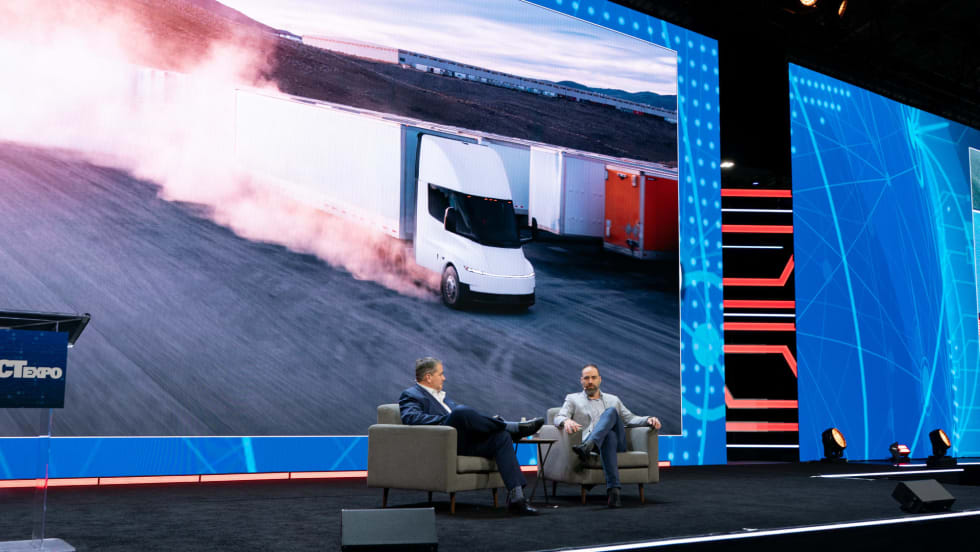
'TCO’s Here.' Tesla Says Electric Semi Economics Are Ready for the Mainstream
Tesla’s Semi chief at ACT Expo outlined production growth, lower-cost models, charging expansion, and why the company believes fleets are leaving money on the table by waiting on electric trucks.
Read More →