





Read More: Port of Los Angeles Awards $6 Million for Zero-Emission Drayage Trucks
Volvo LIGHTS Project Deploys Final VNR Electric Trucks
The final two Volvo VNR Electric Trucks as a part of the Volvo LIGHTS Project have been deployed by Rockview Farms to support deliveries throughout the greater Los Angeles area.
January 10, 2023
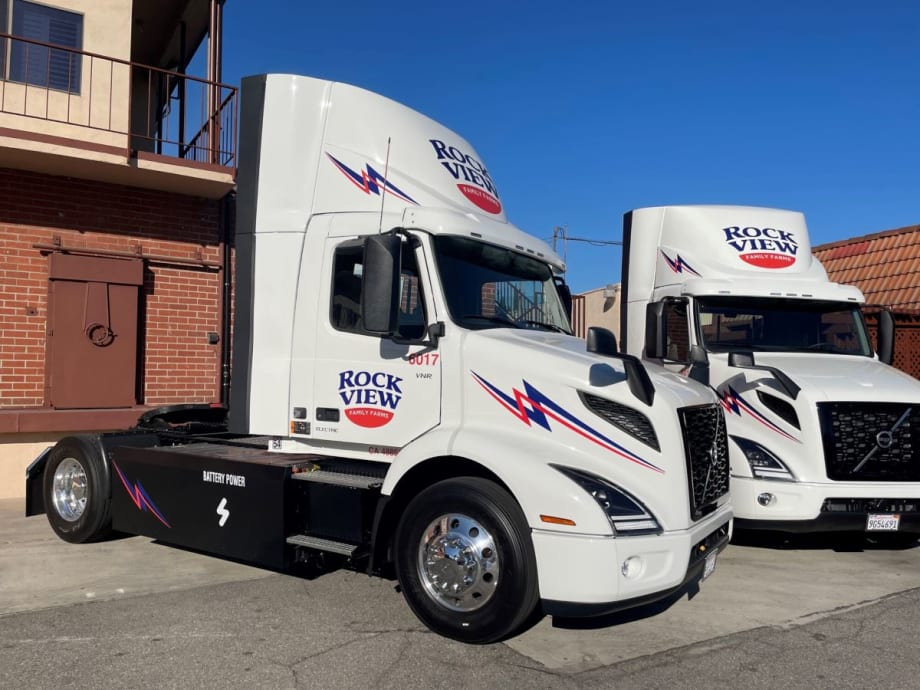
Rockview Farms’ Volvo VNR Electric trucks are the last trucks to be funded through the Volvo LIGHTS project.
Photo: Volvo
2 min to read
Rockview Farms, a family-owned dairy business in Southern California, deployed two Volvo VNR Electric trucks to support farm-to-customer deliveries of local California milk. Rockview Farms’ Volvo VNR Electric trucks are the final two trucks to be funded through the Volvo LIGHTS project.
According to a statement, the battery-electric trucks will help reduce noise and emissions in the neighborhoods surrounding Rockview Farms’ facility in Downey, California, which is the central hub for deliveries throughout the greater Los Angeles area.
Volvo Trucks deployed its first Class 8 Volvo VNR Electric trucks to fleet operators in 2019 as part of the Volvo LIGHTS project. Over the next several years, Volvo Trucks North America, South Coast Air Quality Management District, and 12 other organizations designed and implemented a blueprint for the complete ecosystem needed to successfully deploy commercial battery-electric freight trucks, eventually deploying about 30 of these vehicles in California’s South Coast Air Basin.
The Volvo VNR Electric model produces zero-tailpipe emissions and reduces heat, noise, and vibrations. TEC Equipment of La Mirada, a Volvo Trucks Certified Electric Vehicle Dealer, provides ongoing training to Rockview Farms drivers to help them understand how to optimize the range of the Volvo VNR Electric, including how to leverage regenerative braking benefits to add power back to the battery.
The dealership also utilized a route planning tool, the Electric Performance Generator to help Rockview Farms evaluate the routes that were best suited for its Volvo VNR Electric trucks, taking into consideration the vehicle configuration and battery capacity, environmental factors such as terrain and ambient temperature, and specific route details, including traffic patterns.
In addition to supplying grocery stores in Southern California, the battery-electric trucks supply cruise ships at the Port of Long Beach four times a week. Rockview Farms is currently evaluating the trucks to see how they perform on their current routes and has already identified 10 additional local routes that could be a good fit for electrification.
Rockview Farms is building out high-powered charging infrastructure at its Downey facility to support the battery-electric Volvo VNR Electric trucks with funding from Southern California Edison’s Charge Ready Transport program. Once complete, the infrastructure will also charge the batteries for its electric transport refrigeration units. The facility is currently utilizing temporary 75kW chargers to support the Volvo VNR Electric trucks and two planned electric yard trucks.
More Fuel Smarts

Sponsored•September 9, 2026
How Fuel Delivery Shapes Engine Performance
Fuel delivery depends on more than what happens at the injector. For fleet, maintenance and technical professionals, looking at the full path from pump to injector can provide useful context for understanding engine performance.
Read More →
East Coast Port Launches $45M Electric Truck Push
The Port Authority of New York and New Jersey announced millions in incentives for zero-emission drayage trucks, yard tractors, and new charging hubs near the port.
Read More →
California Bill Could Shed Light on Electric Truck Prices
Why do battery-electric Class 8 trucks remain so expensive? A California bill headed to Gov. Gavin Newsom would give fleets and state agencies more visibility into what manufacturers charge.
Read More →

Detroit Opens Orders for EPA 2027 Engines
Detroit isn’t starting from scratch to meet EPA 2027 diesel emissions standards. Its Gen 6 DD13 and DD15 engines keep much of today’s platform while updating the fuel and aftertreatment systems.
Read More →
Zero-Emission Truck Corridor Planned for West Coast
California, Oregon, Washington, British Columbia and Baja California are coordinating plans for truck charging and hydrogen fueling from Canada to Mexico.
Read More →
A Closer Look at Kenworth’s Electric T880E Vocational Truck [Video]
Learn more about Kenworth's T880E battery-electric vocational truck at the Paccar Technical Center, including its range, applications, upfitting considerations, and PTO options, in this HDT Spotlight video.
Read More →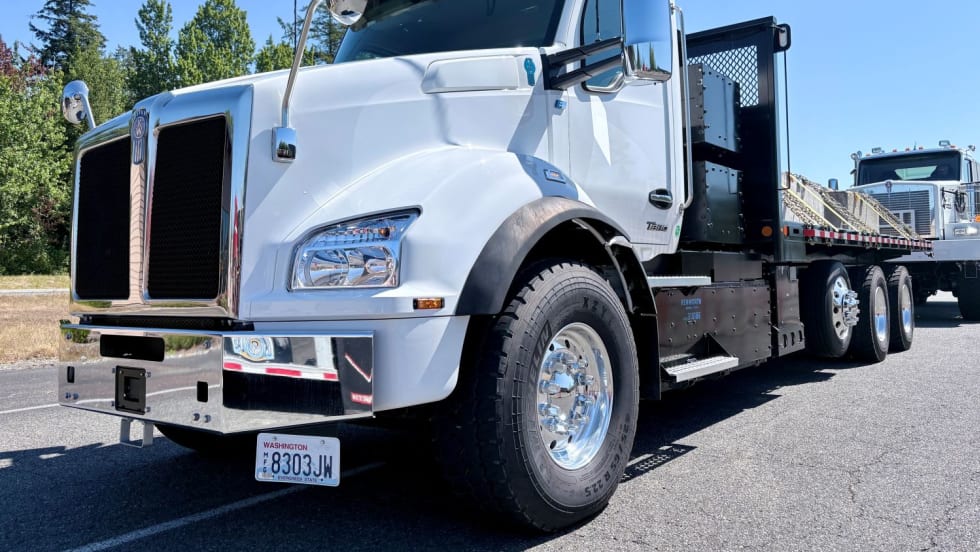
Kenworth T880E Brings EV Power to Vocational Trucks
A closer look at the Kenworth T880E’s range, charging, powertrain and upfit options — and where fleets are showing the most interest.
Read More →
Jennie Abarca Is Proving Electric Trucks Can Do the Job
HDT Truck Fleet Innovator Jennie Abarca is building confidence in fleet electrification one load at a time while openly sharing the challenges she encounters along the way as a small-fleet owner.
Read More →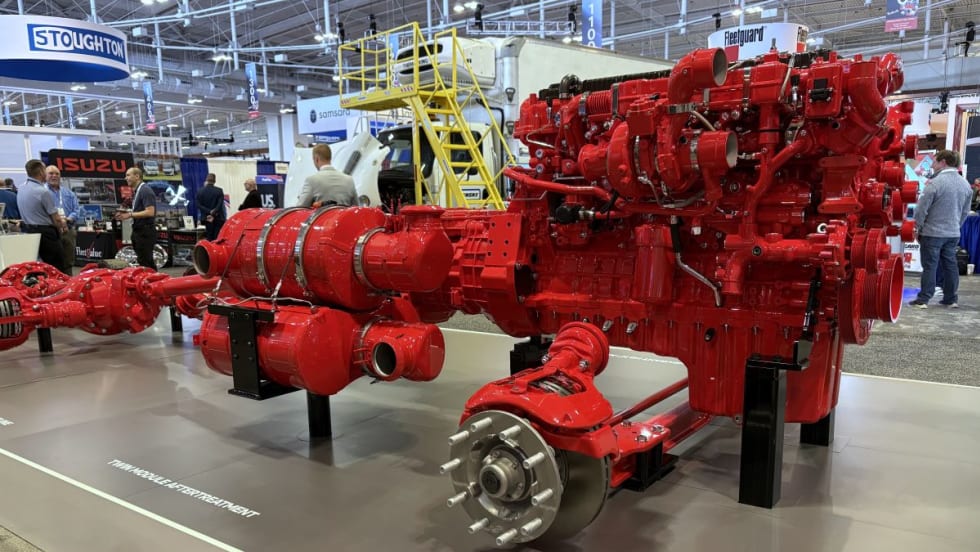
Cummins Adjusts 2027 Engine Rollout After EPA Proposal
The engine maker will gradually introduce its new Model Year 2027 diesel engines while continuing to offer current models during the transition, citing the EPA's proposed emissions rule changes.
Read More →
EPA Proposal Could Ease 2027 Truck Costs and Buying Uncertainty
The proposal doesn't change the tougher NOx standard, but it would revise key implementation requirements that manufacturers say have driven up costs and complicated fleet purchasing decisions.
Read More →