




Return of RAI Amsterdam Truck Show Signals Optimism
After a five-year absence, the Amsterdam Truck Show in Holland is back. Now named BedrijfsautoRAI, it returned late last month with a selection of heavy trucks, light trucks and vans, special vehicles and parts and accessories
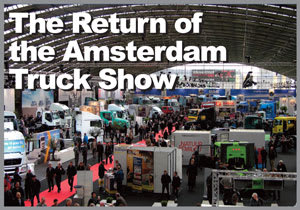
After a five-year absence, the Amsterdam Truck Show in Holland is back. Now named BedrijfsautoRAI, it returned late last month with a selection of heavy trucks, light trucks and vans, special vehicles and parts and accessories.
The return of the five-day event, which had more than 180 exhibitors, reflects last year's recovery in new truck sales and the confidence of the marketplace. The number of hybrids and all-electric vehicles on display also were a sign of the times.
Last time the event took place, in September 2007, it was known as the European Road Transport Show, or TERTS. That year held an all-time-high in numbers of exhibitors, show area and visitors. Due to the weak economy in 2009, the Amsterdam show was canceled that autumn, especially after domestic truck manufacturer DAF officially announced it would not participate.
The RAI show is planned to run again in the same period every second year from now. Unlike previous events, the show now occurs on even years, which is the same year as the huge IAA show in Hannover, Germany, and the Elmia LASTBIL Show in Sweden.
The 2012 event brought the show back to its original concept of the '60s and '70s, when this very much was a local expo for the Benelux markets. The RAI Truck Show then used happen in early February, almost as a sign of spring.
The exhibition had a new cost-efficient and future-oriented stand-building concept that ensured exhibitors a good opportunity to present themselves without skyrocketing investments. Gone were the extravaganza and extensive bar and catering facilities, in favor of a down-to-earth product focus on the floor. For the visitor, the show was clearly comprehensible and easy to grasp.
Daimler had a total of 19 commercial vehicles at the show. Five were from subsidiary Fuso, which launched its brand new 4x4 versions of Canter up to 6.5 tons GVW, including one with a crew cab. They are all equipped with a 3-liter 175-horsepower (129 kW) engine. Ground clearance is up to 12.6 inches. Payload capacity is impressive, between 7,716 and 8,234 pounds.
Euro 6 emissions legislation will come into force in the European Union on Jan. 1, 2014. Compared with the current Euro 5 standard, Euro 6 requires that nitrogen oxide (NOx) emissions must be reduced by a further 77%, while soot particle emissions must be cut by 66%.
In concrete terms, this means that nitrogen oxide emissions have to be reduced from 2.0 to 0.46 grams/kWh, and soot particle emissions from 0.03 to as little as 0.01 grams/kWh.
In addition, Euro 6 engines must meet these stringent requirements for a minimum of seven years or 700,000 km, in all operating conditions. In the future, authorities will carry out random checks to ensure that vehicles in service are compliant with these standards, and new on-board diagnostics systems will warn the driver in the event that this is not the case.
Holland's own DAF (a subsidiary of Paccar) was represented by a massive row of silver-soft-blue vehicles, and RAI was the site for DAF's official launch of the Paccar MX 12.9-liter in Euro 6 execution.
This engine uses ultra-modern common rail technology and has a turbo with variable geometry and advanced controls for maximum efficiency. To comply with the Euro6 requirements it has exhaust gas recirculation and selective catalytic reduction (SCR) technology with an active soot filter.
DAF's Advanced Transport Efficiency (ATe) program was launched in the summer of 2011 with enhancements to the 12.9-liter Paccar MX engine, to reduce fuel consumption and to lower CO2 emissions. Also part of the Ate program was the introduction of modified 12-speed automated gearbox, ASTronic from ZF, which has been sold as the Freedom Transmission in U.S. by Meritor.
These transmissions allows the driveline to be tailored to the specific use of the truck. It saves an additional 2%-3% of fuel. These batteries have a longer service life, which add to lower operational costs. The CF85 and XF105 ATe Edition models on display are fully optimized for low fuel consumption, equipped with side skirts, side fenders and roof spoilers and low rolling resistance tires.
The LF45 medium distribution truck (much like the Kenworth K270 and Peterbilt 210) with an aero body was also on display. It has an aerodynamic body which is already available in the UK, and now introduced for the rest of Europe. The latest new product in the DAF trucks booth at the Amsterdam Truck Show is the new DAF SR1360T tandem axle. It saves more than 5% fuel consumption due to the fact that it is about 825 pounds lighter than the existing tandem axle with hub reduction.
Also ready for Euro 6 is Iveco's 11-liter Cursor using SCR technology. Both Mercedes and Scania have had their Euro 6 solutions on the market for a while. Their solutions also appeared at the show.
Although the upcoming new city van from Mercedes, Citano, was not displayed on the RAI Expo, it was shown for some 250 trade journalist the evening before RAI opened. The preview took place in the Amsterdam Bourse building. This is the first hands-on evidence of the Daimler- Renault/Nissan cooperation agreement.
Citano is based on the Renault Kangoo platform. It has a similar engine and will be built in France. Supposedly Citano is the missing part in the jigsaw puzzle that will make the Mercedes transport product range complete.
"It looks like and performs like a true Mercedes" said Volker Mornhinweg, head of Mercedes-Benz Vans.
At the Hannover IAA show in September, Citano will be officially introduced.
More Equipment

Help HDT Find Trucking’s Top Products
Have you come across a new product that could make a difference for trucking fleets? Nominate it for HDT’s 2027 Top 20 Products Awards by November 9.
Read More →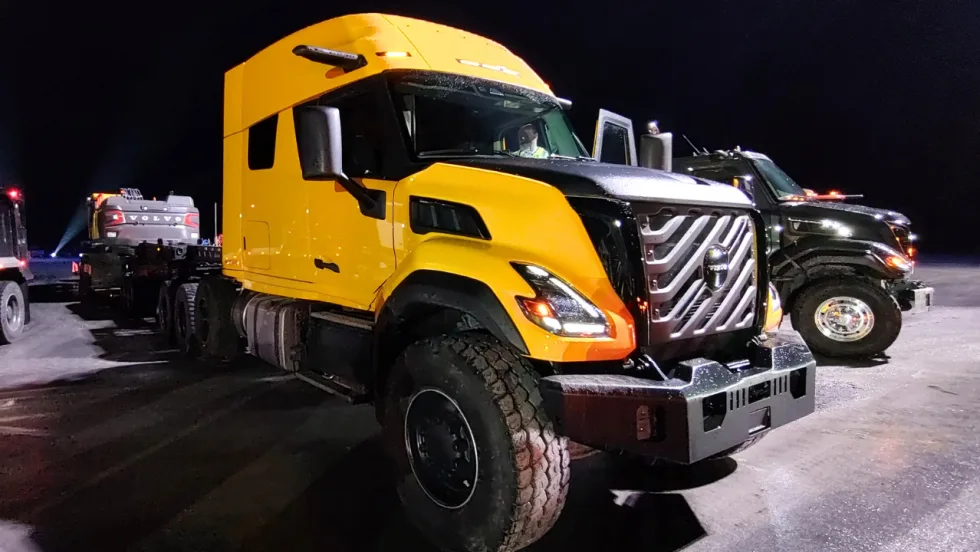
Volvo Unveils New VNX Heavy-Haul and Vocational Truck
Volvo Trucks has launched the VNX, a new vocational truck also available as a tractor in day cab and two sleeper configurations, with one heavy-haul model. The Volvo VNX is powered by Volvo's D13 platform, which delivers up to 540 horsepower and 1,950 pound-feet of torque and is EPA 2027-compliant.
Read More →
How GP Transco Cuts Trucking Fuel Costs, a Tenth of a Gallon at a Time
What’s another tenth of a mile per gallon worth? GP Transco shares how equipment upgrades and driver coaching turn small gains into meaningful fuel savings.
Read More →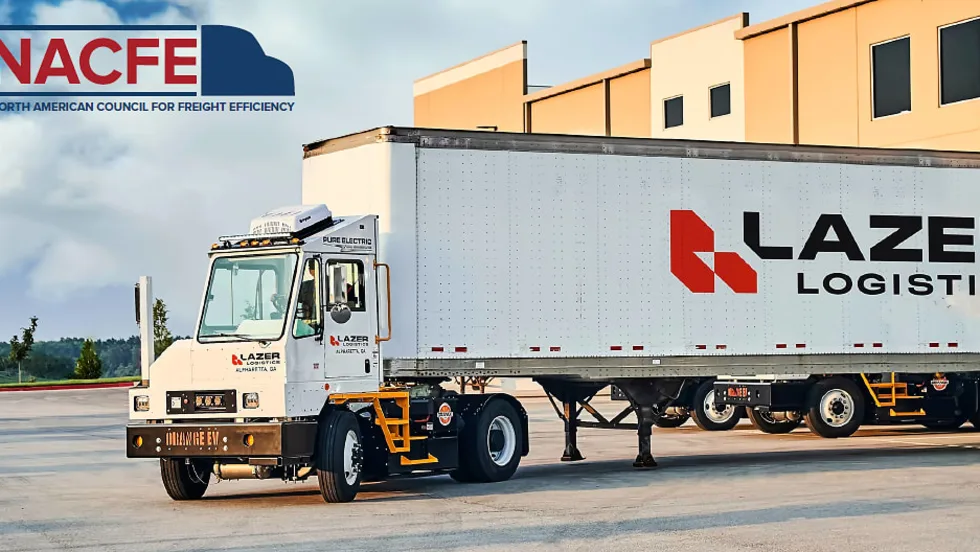
Electric Yard Tractors Move Beyond Pilots
Operating-cost savings have overtaken sustainability goals as the leading reason surveyed fleets are adopting battery-electric terminal tractors, according to new NACFE research.
Read More →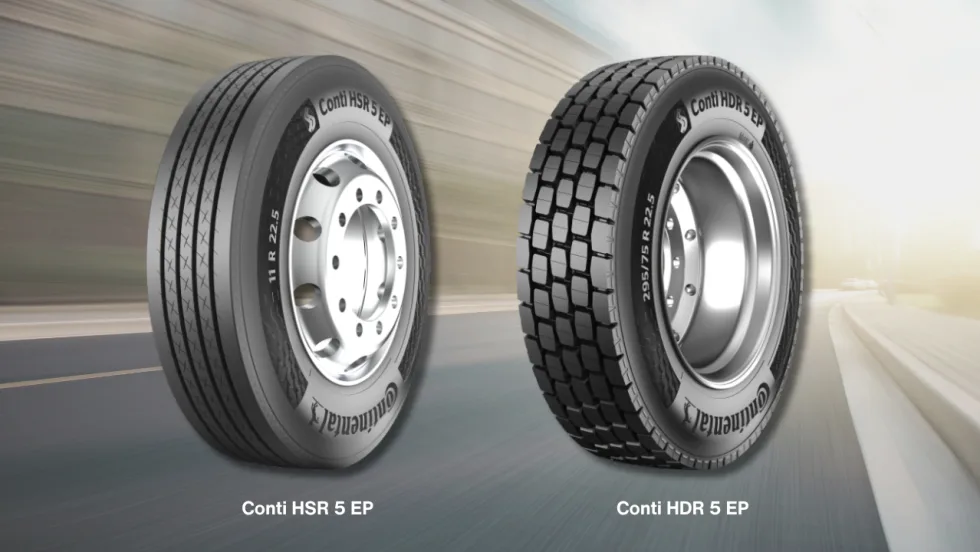
Continental Introduces New Regional Truck Tires
Continental says its new Generation 5 steer and drive tires for regional operations offer longer tread life, with estimated mileage gains of 22% and 19%, respectively.
Read More →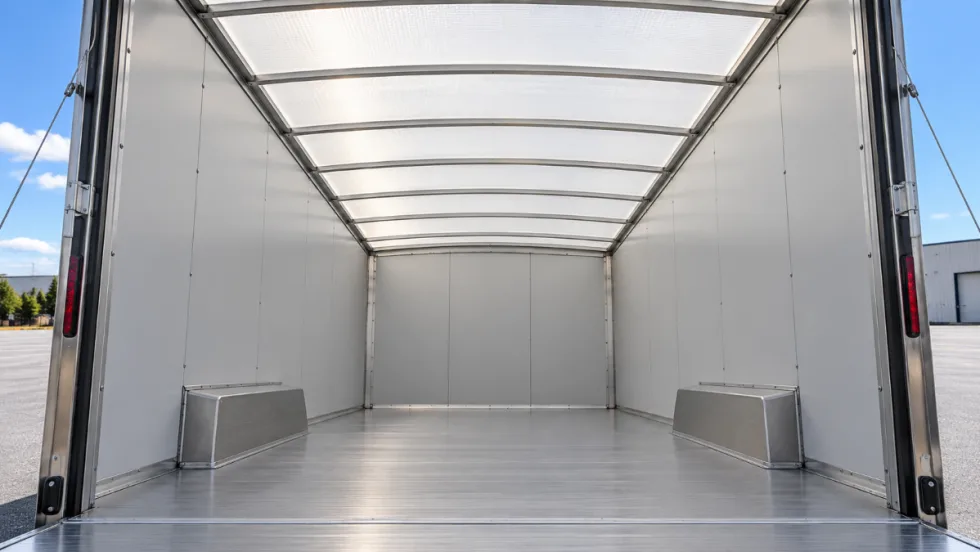
Tekmodo Introduces CargoBright Brand for Translucent Trailer Roofs
CargoBright is designed to diffuse daylight across the cargo area while performing as a working vehicle roof.
Read More →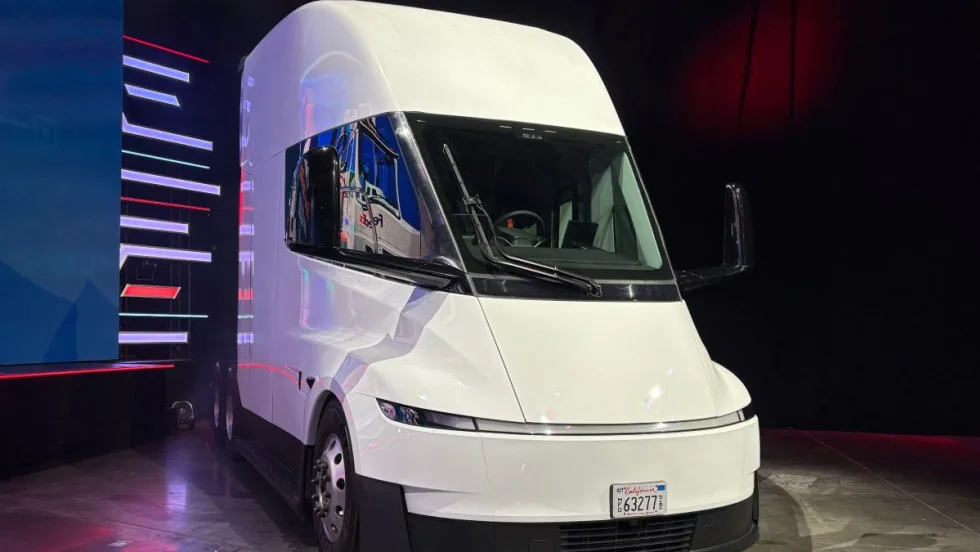
Fleet Economics Shape Electric Truck Outlook
ACT Research expects costs, charging infrastructure, and technology improvements to drive zero-emission commercial vehicle adoption as federal regulations and incentives retreat.
Read More →
Kodiak Targets Dallas–Houston for Driverless Trucks
The company says its autonomous trucks are completing the I-45 run without a safety observer taking control. It plans to remove the observer by the end of 2026.
Read More →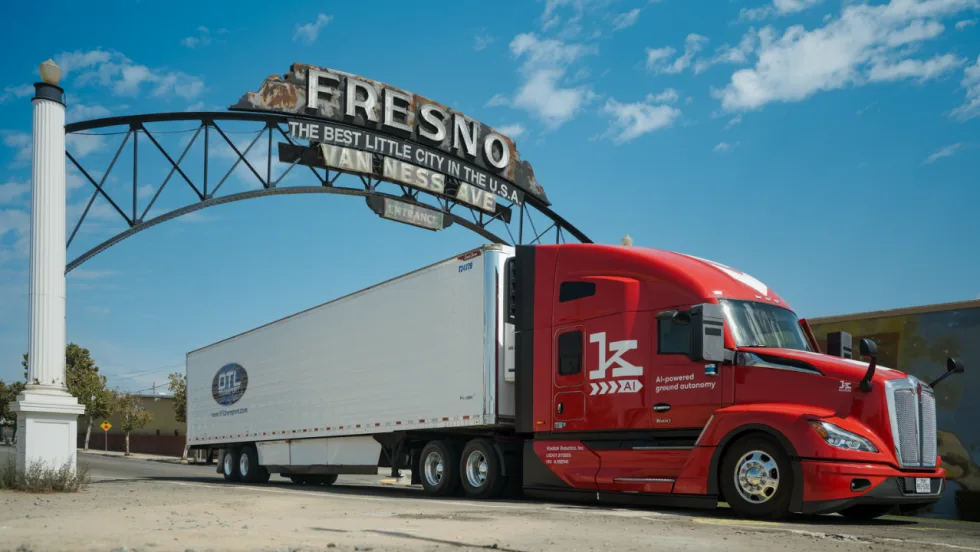
Kodiak Hauls Produce in California Autonomous Truck Pilot
Kodiak AI and DTL Transport have begun hauling produce between Fresno and Los Angeles under California’s new rules for testing heavy-duty autonomous trucks. A safety driver remains behind the wheel.
Read More →
Used-Truck Remarketing Math Is Changing
Used-truck value is no longer just a concern at trade-in. Decisions made throughout a truck’s first life can influence what it’s worth years later.
Read More →