




Prices at the wholesale level increased sharply in October, while industrial production fell and the retail sales picture improved.
On Friday, the U.S. Labor Department reported the Producer Price Index moved up 1.1% following a 0.1% gain in September, the biggest jump in three years.
Driving the increase was energy (+4.4%), food (+0.7%) and cars and light trucks (+2%). This follows a string of steady or slightly declining monthly inflation reports. Year-to-date, PPI inflation is at a 2% annual rate.
"Early partial data for November suggest that energy prices are already declining quickly, food price inflation has subsided and motor vehicle prices are steady after the unusually large new model year price changes," said Newport Communication Senior Economist Jim Haughey.
He said heavy and medium truck prices were steady despite the large price increases for post-Oct. 1 engines.
"Dealers were mostly selling units with the old engines and manufacturers were largely absorbing the higher cost of the new engines," he said. "But this will not last much longer."
According to Haughey, freight rates picked up sharply, partly due to the fuel cost adjustment clauses that likely will reverse in November, but also due to the demand pressure from a return to rising consumer spending.
"Truckload rates jumped 0.5%, but this only gets them back to the July 2001 level," he said. "Less-than-truckload rates rose 0.7% to 6.4% higher than a year ago. About a third of this gain is reversible fuel price adjustment."
Meantime on Friday the Federal Reserve reported industrial production in October posted its biggest decline in more than a year.
A larger than expected drop of 0.8% was led by a 0.7% decline in manufacturing output, which accounts for the largest portion of industrial production, followed by output at mines and utilities
Overall industrial production capacity fell to 75.2% in October, the lowest level since March.
On Thursday, the U.S. Commerce Department reported total sales were unchanged from September due to 1.9% drop in sales of new automobiles. When autos are removed the overall figure, retail sales moved up 0.7%, the biggest gain in six months.
"The worrisome late summer decline in retail sales is now over," said Haughey.
This drop in auto sales comes on top of a 6% drop in September, but Haughey said sales levels remain normal for this early recovery stage of the business cycle.
"This decline likely had little impact on October freight because it includes the effect of falling used car prices," he said. Also, auto production schedules remained high to replenish inventory from earlier higher retail sales.
According to Haughey the October increase in retail sales, minus auto, is more than double the average monthly gain expected when the economy is expanding at about a 3% pace. Expect gains for the rest of the year to be smaller.
"Cold weather drove shoppers to the malls to buy 4% more at clothing stores and 1.1% more at department stores," he said. "Hard goods sales - furniture, appliances, electronics, building materials and sporting goods - were up 0.4% from September, an above average gain since prices for these goods continue to fall."
Producer Prices, Industrial Production & Retail Sales Numbers Mixed
Prices at the wholesale level increased sharply in October, while industrial production fell and the retail sales picture improved
More Fleet Management

The Trucking Industry’s Threat Intelligence Gap
The trucking industry has no shortage of cybersecurity reports and cargo crime statistics. What it lacks is timely, operational intelligence that fleets can actually use.
Read More →
Truck Crash Rates Are Down. So Why Do Insurance Costs Keep Rising?
ATRI’s latest research points to litigation, social inflation, and soaring claims costs as key drivers behind record-high liability premiums for trucking fleets. But there are things motor carriers can do.
Read More →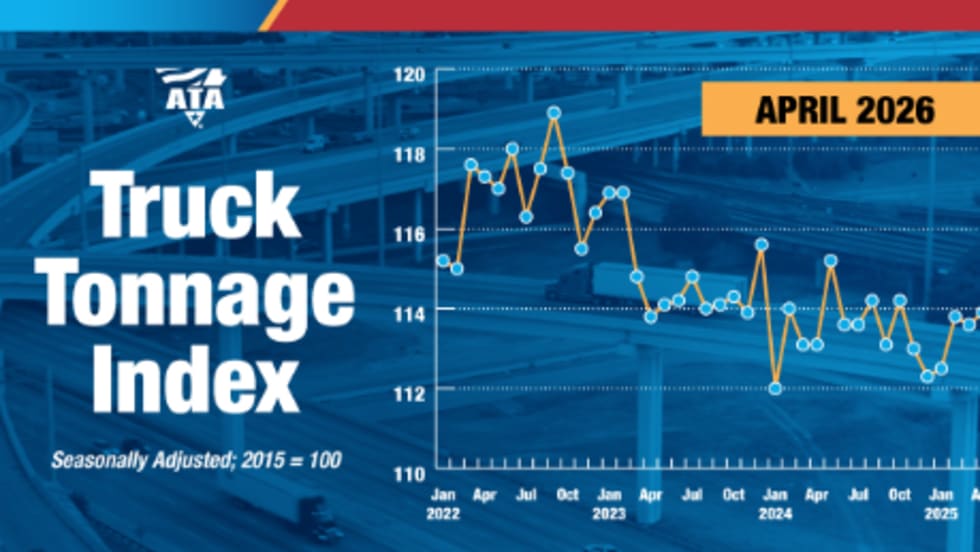
ATA Truck Tonnage Holds Steady in April at Highest Levels Since 2022
ATA’s For-Hire Truck Tonnage Index was unchanged in April after a strong March gain, with freight volumes remaining at their highest levels since late 2022.
Read More →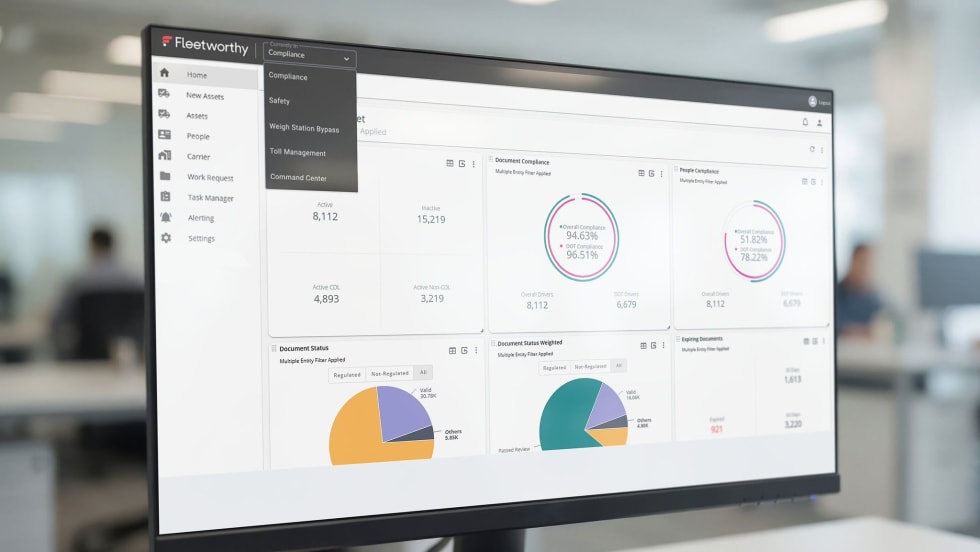
Fleetworthy Launches Connected Platform for Fleet Readiness Across Safety and Compliance, Toll Management, and Weigh Station Bypass
Fleetworthy has unveiled three major product launches it says mark a new era in fleet readiness.
Read More →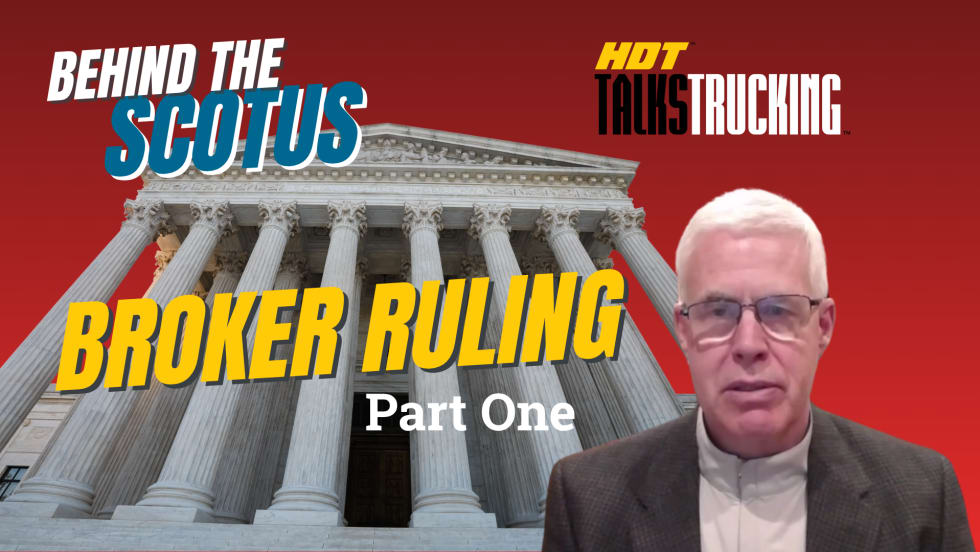
Behind the SCOTUS Broker Ruling Part 1
Transportation attorney Greg Feary breaks down the recent Supreme Court decision that brokers can be held liable for damages in truck accidents and what it means for the trucking industry going forward.
Read More →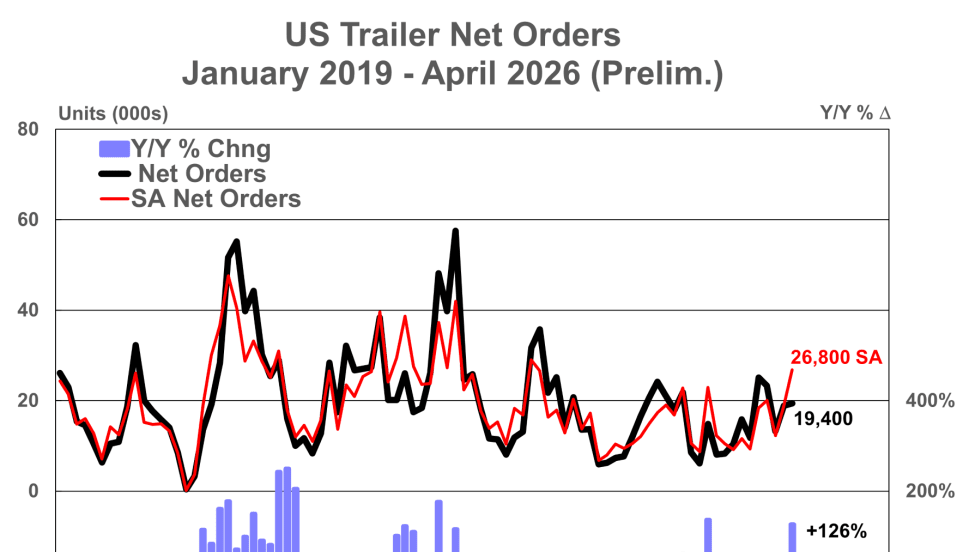
ACT Research: Trailer Orders Continue Upward Surprise in April
Preliminary net trailer orders rose 3% from March and jumped 126% year over year, signaling stronger-than-expected demand despite typical seasonal softness.
Read More →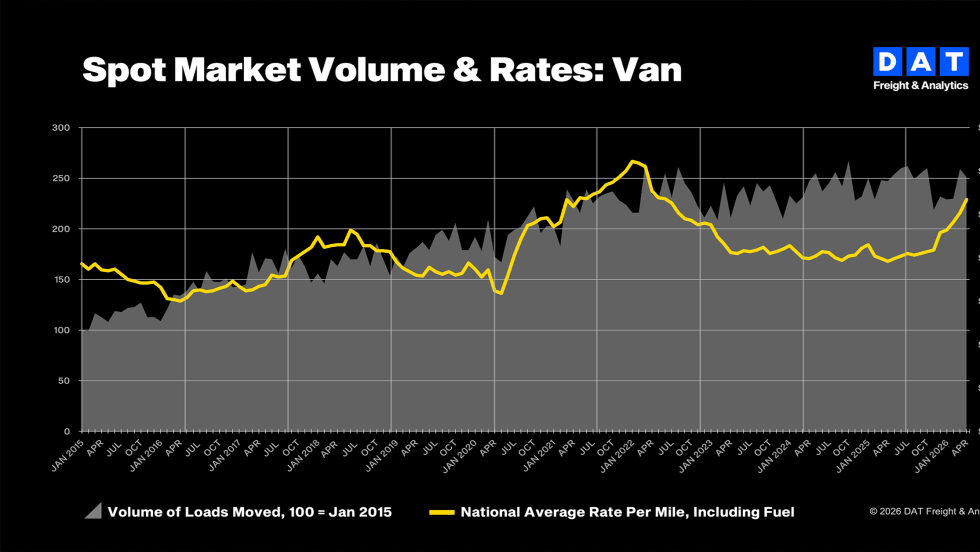
DAT: Fuel Surcharges Drive April Truckload Rate Gains as Freight Volumes Slip
Truckload spot and contract rates climbed in April. But DAT says higher fuel costs -- not stronger freight demand -- were behind most of the increase.
Read More →
Deadline Extended for HDT Truck Fleet Innovators Nominations
Heavy Duty Trucking has extended the deadline for nominations for its Truck Fleet Innovators awards. The deadline has been extended to May 22.
Read More →
Supreme Court Ruling Puts Freight Broker Vetting Practices in Spotlight
The unanimous SCOTUS ruling in the closely watched Montgomery v. Caribe case allows state negligence claims against freight brokers that hire unsafe motor carriers, raising new liability and vetting concerns among brokers.
Read More →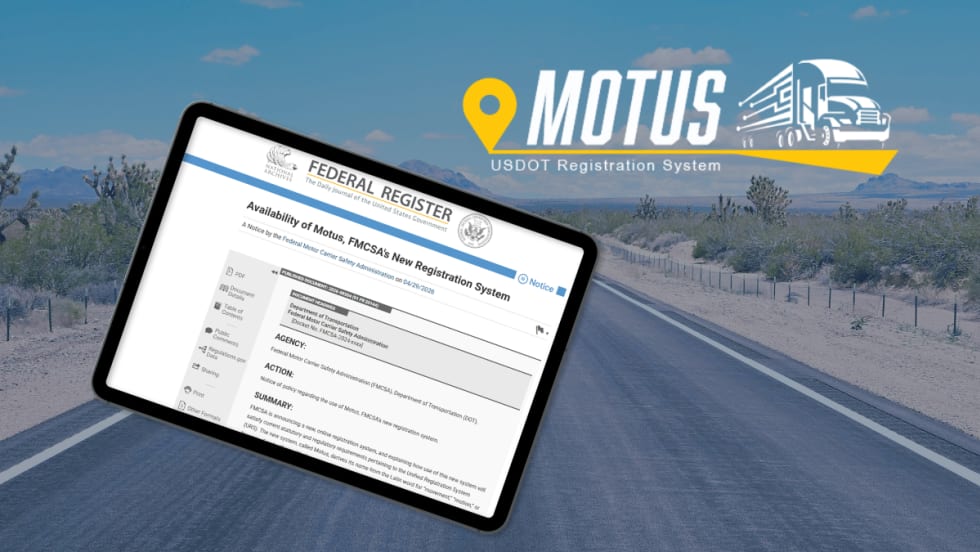
FMCSA’s Motus System Is Coming. What Fleets Need to Know Now
FMCSA's long-awaited registration system promises a single portal — and tighter fraud controls. And there are steps you need to take by May 14.
Read More →