




Related: How Low Will Diesel Go?
Price of Diesel Rises After 3-Week Slide
The average price of a gallon of diesel fuel has increased, ending a three week streak of declining prices, according to the latest numbers from the Energy Department.
by Staff
November 9, 2015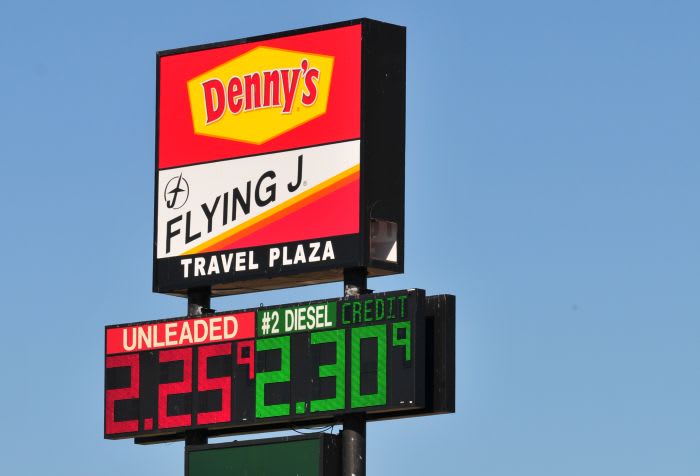
1 min to read
The average price of a gallon of diesel fuel has increased, ending a three week streak of declining prices, according to the latest numbers from the Energy Department.
The average per-gallon price of diesel rose 1.7 cents last week, hitting $2.502 nationally. To keep that price in perspective, when compared to the same week a year ago, diesel is $1.175 cheaper per gallon.
While prices increased in most places, a notable exception was in the Rocky Mountain region where the average price decreased slightly by 0.9 cents. The largest increase in prices hit the Lower Atlantic region with a 2.8-cent gain.
The price of gasoline also increased last week, gaining 1.1 cents to hit $2.235 per gallon nationally. Not all areas saw price increases, with the Rocky Mountain region seeing a 5.9-cent decrease. The largest increase in prices was in the Central Atlantic region with a gain of 5.5 cents.
On Nov. 9, crude oil prices dropped, still reflecting concerns over China’s slowing economy and a strong U.S. dollar, according to a MarketWatch Report.
More Fuel Smarts

Jennie Abarca Is Proving Electric Trucks Can Do the Job
HDT Truck Fleet Innovator Jennie Abarca is building confidence in fleet electrification one load at a time while openly sharing the challenges she encounters along the way as a small-fleet owner.
Read More →
Cummins Adjusts 2027 Engine Rollout After EPA Proposal
The engine maker will gradually introduce its new Model Year 2027 diesel engines while continuing to offer current models during the transition, citing the EPA's proposed emissions rule changes.
Read More →
EPA Proposal Could Ease 2027 Truck Costs and Buying Uncertainty
The proposal doesn't change the tougher NOx standard, but it would revise key implementation requirements that manufacturers say have driven up costs and complicated fleet purchasing decisions.
Read More →
Cummins, Paccar Ease DEF Derates After EPA Guidance
Updated diesel engine software gives truck operators more time to address emissions-system issues while staying compliant with EPA emissions standards.
Read More →
Maintenance in the Messy Middle Part 3: Biodiesel
Biodiesel can reduce emissions, improve fuel-system lubricity and use existing diesel infrastructure. But NACFE’s Messy Middle maintenance report says fleets must actively manage storage, cold-weather operation, filters and oil drain intervals to avoid problems.
Read More →
Enhance Fleet Performance with High-Efficiency Auxiliary Power Units
Drive sustainable cost savings while increasing driver comfort during short- and long-haul logistics operations.
Read More →
Maintenance in the ‘Messy Middle’ Part 2: Renewable Diesel Fuel
NACFE's latest Messy Middle Powertrain Service & Maintenance report says renewable diesel gives fleets an opportunity to reduce carbon emissions without changing trucks, fueling infrastructure or maintenance practices. But technicians still need to understand several important operational differences.
Read More →
The Diesel Engine Enters NACFE’s ‘Messy Middle’
NACFE’s new Messy Middle Powertrain Service & Maintenance report says keeping modern diesel engines running now depends as much on software, diagnostics and data as traditional mechanical service.
Read More →
DTNA Software Update Gives Truckers More Time Before DEF Derates Take Effect
The changes reflect EPA guidance aimed at reducing downtime caused by emissions-system faults while maintaining compliance requirements.
Read More →
New Agentic Predictive Maintenance Report Demonstrates How Degraded Aftertreatment Systems Waste Fuel
Questar analyzed a large mixed-class fleet and discovered it was wasting as much as $30 in fuel per vehicle, per day, because of mechanically degraded aftertreatment systems.
Read More →