




Port of LA Hosts Live Platooning Demonstration
Private and public transportation partners conducted a partially automated truck platooning demonstration in California Wednesday at the Los Angeles Port complex and along the Interstate 110 freeway.
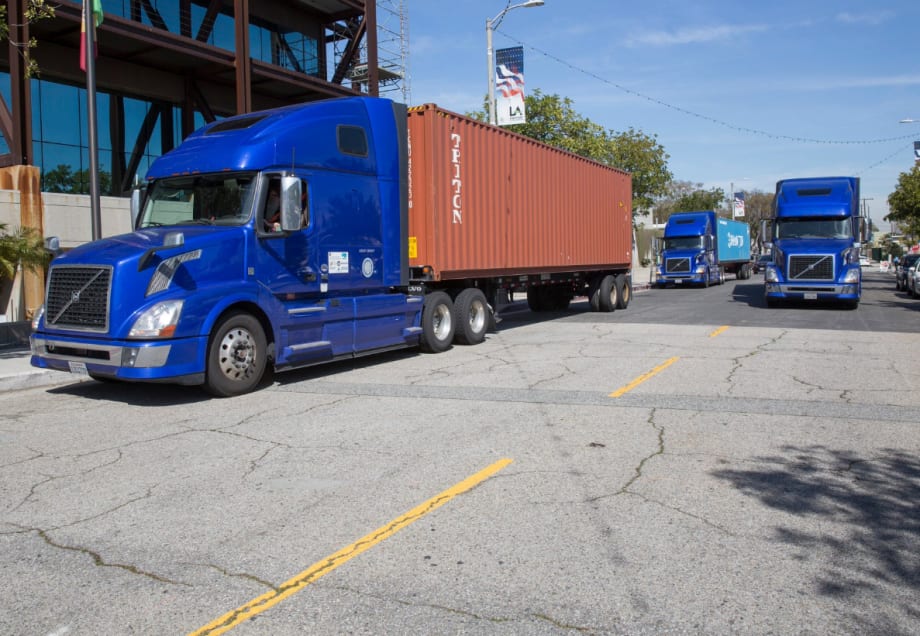
Photo via Port of Los Angeles Twitter
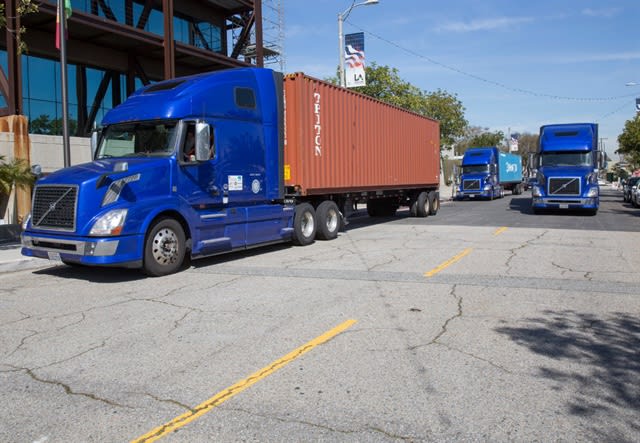
Photo via Port of Los Angeles Twitter
Private and public transportation partners conducted a partially automated truck platooning demonstration in California Wednesday at the Los Angeles Port complex and along the Interstate 110 freeway.
The Cooperative Adaptive Cruise Control system on display offered a first-hand look at platooning technology in a real-world setting. Platooning technology has the potential to impact safety, transportation system capacity and emissions reductions, note demo organizers.
In the demonstration, trucks used the technology to follow in closer proximity, using forward-looking sensors and vehicle-to-vehicle communication to maintain automated speed and spacing. CACC was developed by the University of California, Berkeley Partners for Advanced Transportation Technology (PATH), in coordination with Volvo Trucks of North America.
“Once again California is leading the nation in advanced technology,” said Malcolm Dougherty, Caltrans director. “Today we saw a demonstration of a truck technology that promises to improve California’s existing freight system by enhancing truck safety and increasing capacity on existing highways.”
The demonstration simulated real world conditions with three trucks driving 50 feet apart at 55 mph while hauling cargo containers, similar to those used at the port and at industrial centers throughout Los Angeles County. The demonstration also included vehicles cutting in front of the platooning trucks to demonstrate how the system can handle traffic.
CACC is an enhanced version of Adaptive Cruise Control, capable of closer and more accurate control of the gap and differences between trucks than conventional ACC. In addition to improving fuel economy for the platooning vehicles, CACC could also reduce congestion and increase the capacity of dedicated truck lane facilities, according to CalTrans.
“Our technology planning and traffic simulation work suggests connected vehicle and truck platooning technologies may eventually facilitate the ability to operate up to 50% more trucks on these lanes – essentially giving the capacity equivalent of a third lane of freeway in each direction,” said Mark Jensen of Cambridge Systematics, a CACC partner.
In the spring, PATH plans to test truck driver preferences among multiple gap settings on Bay Area freeways and simulate impacts on traffic and energy savings on the 710 corridor in Southern California.
“This technology will become available for use in the coming years, and when it does it should be embraced due to its numerous benefits,” said Steve Shladover, PATH representative.
Related: Self-Driving Trucks and the Platooning Stepping Stone: How Soon?
More Fleet Management
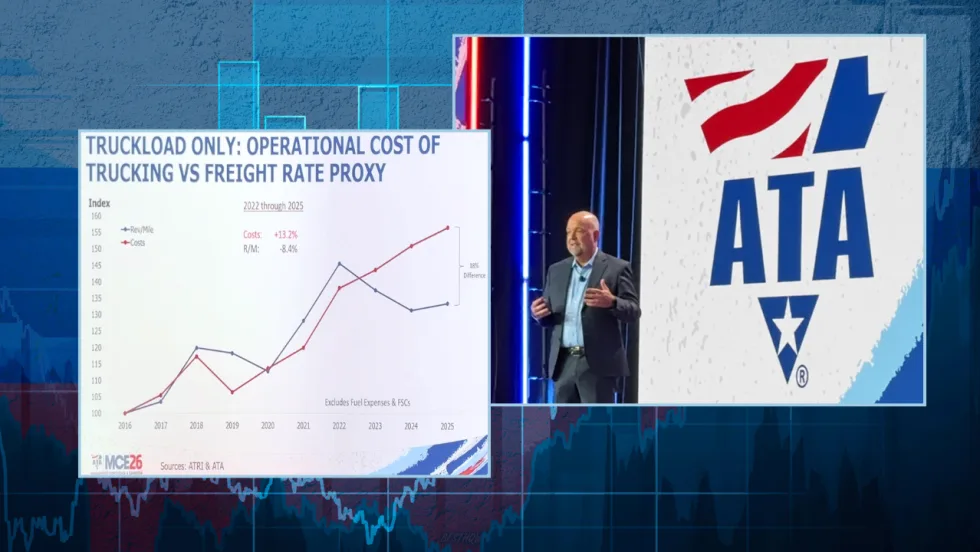
Why This Trucking Recovery Is Different
Freight demand remains sluggish, but rising costs and tougher enforcement have taken enough capacity out of the market to change the outlook for motor carriers.
Read More →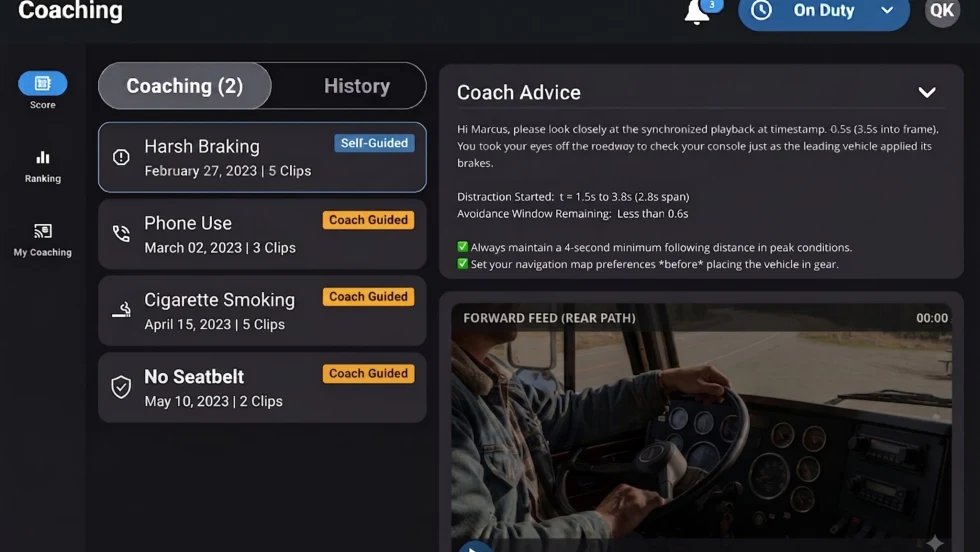
Platform Science Adds Dispatch and Safety Tools
Four additions to PS Fleet help fleets monitor loads, manage driver coaching, share truck locations and adjust video system settings.
Read More →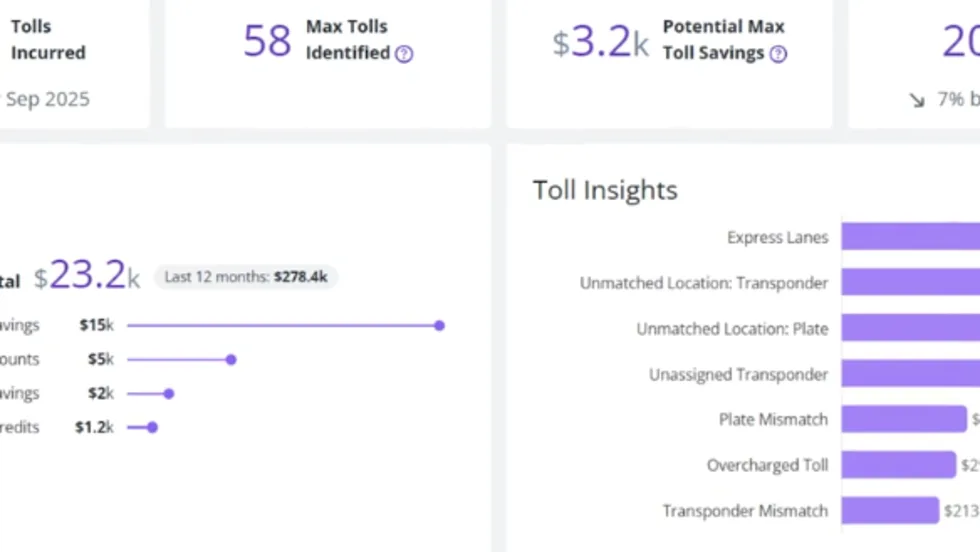
PrePass Intelligence Mines Fleet Bypass, Toll and Safety Data
PrePass Intelligence helps fleets measure bypass savings, flag potential toll overcharges, and spot suspicious transactions by combining data from separate systems.
Read More →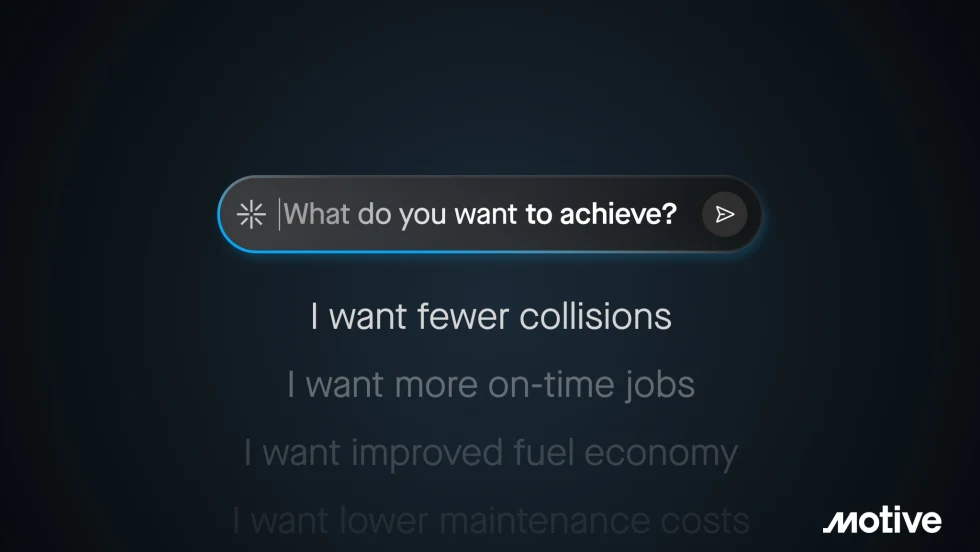
Motive Adds AI Agents for Fleet Operations
New tools automate follow-up on fleet data, from maintenance work orders to driver alerts, with two-way voice conversations planned for later this year.
Read More →
Can You Beat Our Trucking Trivia Challenge?
Test your truck knowledge with 19 trivia questions from Heavy Duty Trucking Exchange. Can you keep up with the fleet pros?
Read More →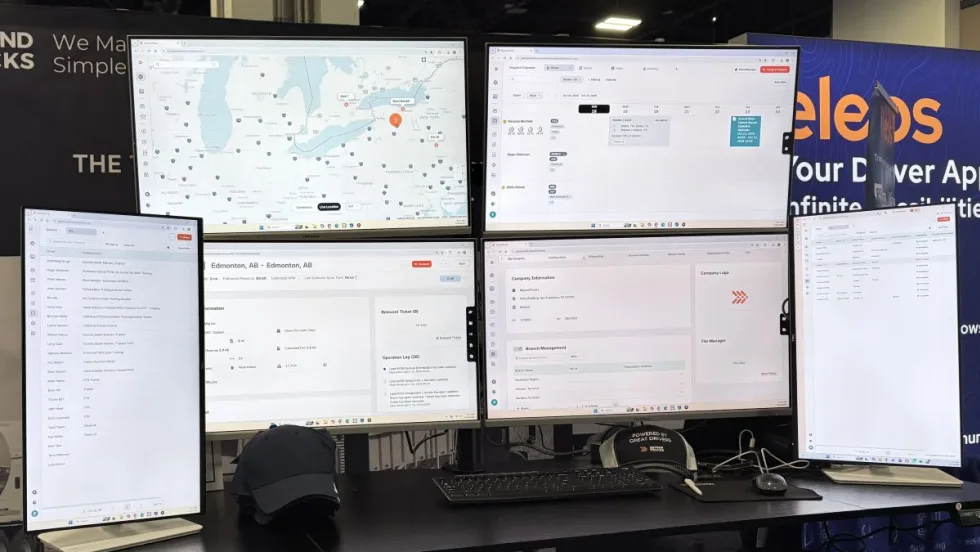
BeyondTrucks Adds Rules Checks to Dispatch
New Compatibility Engine checks driver qualifications, equipment requirements and fleet policies before loads are dispatched.
Read More →
Diesel Prices Hijack Trucking’s Worry List
ATRI’s annual survey finds cautious optimism about freight, but diesel costs, litigation, and insurance continue to squeeze fleets. Drivers have different priorities on several issues.
Read More →
Nomination Deadline Extended for HDT Emerging Leaders
Just a few more days to nominate accomplished trucking fleet professionals under 40 who are making an impact and helping lead the industry forward for the HDT Emerging Leaders award. Deadline extended to October 20!
Read More →
What Will ATA’s New Leader Bring to Trucking's Table?
Incoming President and CEO Mark Colson’s record in Alabama offers clues about his priorities and approach following Chris Spear’s abrupt departure as the head of the American Trucking Associations.
Read More →
Volvo, Waabi Start Commercial Autonomous Operations in Texas
Volvo VNL Autonomous trucks, powered by the Waabi Driver, are hauling freight directly to third-party facilities for a customer in Texas.
Read More →