




Poll: Americans Want More Fuel Efficient Trucks
While Congress is out on vacation, one lobby group is reminding lawmakers while they are out talking with voters back home that a large majority of Americans favor requiring truck manufacturers to increase the fuel economy of large trucks, at least according to its poll.
While Congress is out on vacation, one lobby group is reminding lawmakers while they are out talking with voters back home that a large majority of Americans favor requiring truck manufacturers to increase the fuel economy of large trucks, at least according to its poll.
According to the most recent results of the Consumer Federation of America’s survey of consumer attitudes towards vehicle fuel efficiency, 74% of respondents support the standards with 25% opposing them.
CFA, which represents nearly 300 non-profit consumer organizations, said the survey shows in spite of the strong desire to regulate the reduction of fuel use by big trucks, only 56% of Americans are actually aware of the impact that such fuel use has on their pocketbooks, with his expense being passed along to consumers in the cost of goods and services.
The groups recent report, Paying the Freight: The Consumer Benefits of Increasing the Fuel Economy of Medium and Heavy Duty Trucks, estimates each year, the average American household spends $1,100 extra on consumer goods and services to cover the costs of fueling up inefficient heavy duty trucks.
“Companies pass these fuel costs on to consumers through price hikes on everything from a gallon of milk to large appliances,” the group said in a release. “According to the CFA study, increasing heavy duty truck fuel efficiency by 50% would cut truck fueling costs, saving the average household $250 per year on goods and services.”
The poll of just over 1,000 adults has a margin of error of plus or minus 3% and was conducted near mid-July.
“Consumer support for big truck fuel economy is already substantial, and as consumers better understand the impact these policies have on their pocketbooks, public support for these policies will become even stronger,” said Jack Gillis, CFA’s director of public affairs.
CFA said the survey results and analysis in recent report are timely given the Obama administration’s push to increase the fuel efficiency of medium and heavy duty trucks beginning in 2019. The group said it was planning to submit comments to the National Highway Traffic Safety Administration calling on the agency to “recognize consumers as a major stakeholder in the proceedings [as it develops new truck fuel efficiency rules] and the consumer pocketbook savings and the positive multiplier effect that increasing consumer disposable income will have on the economy in calculating costs and benefits in the analysis.”
The issue of increasing truck fuel economy in trucking remains controversial, with trucking supporters saying they will reduce the overall cost of ownership of trucks. Opponents claim many truck owners, especially small fleets and owner-operators, can not afford higher truck prices that will likely come with fuel efficiency increases, adding they have already been hurt by truck price hikes associated with more stringent federal emissions regulations over the past decade. Such opposition has led to some in Congress to try and stop new rules to make trucks get better fuel milage.
More Fuel Smarts

East Coast Port Launches $45M Electric Truck Push
The Port Authority of New York and New Jersey announced millions in incentives for zero-emission drayage trucks, yard tractors, and new charging hubs near the port.
Read More →
California Bill Could Shed Light on Electric Truck Prices
Why do battery-electric Class 8 trucks remain so expensive? A California bill headed to Gov. Gavin Newsom would give fleets and state agencies more visibility into what manufacturers charge.
Read More →
Detroit Opens Orders for EPA 2027 Engines
Detroit isn’t starting from scratch to meet EPA 2027 diesel emissions standards. Its Gen 6 DD13 and DD15 engines keep much of today’s platform while updating the fuel and aftertreatment systems.
Read More →
Zero-Emission Truck Corridor Planned for West Coast
California, Oregon, Washington, British Columbia and Baja California are coordinating plans for truck charging and hydrogen fueling from Canada to Mexico.
Read More →
A Closer Look at Kenworth’s Electric T880E Vocational Truck [Video]
Learn more about Kenworth's T880E battery-electric vocational truck at the Paccar Technical Center, including its range, applications, upfitting considerations, and PTO options, in this HDT Spotlight video.
Read More →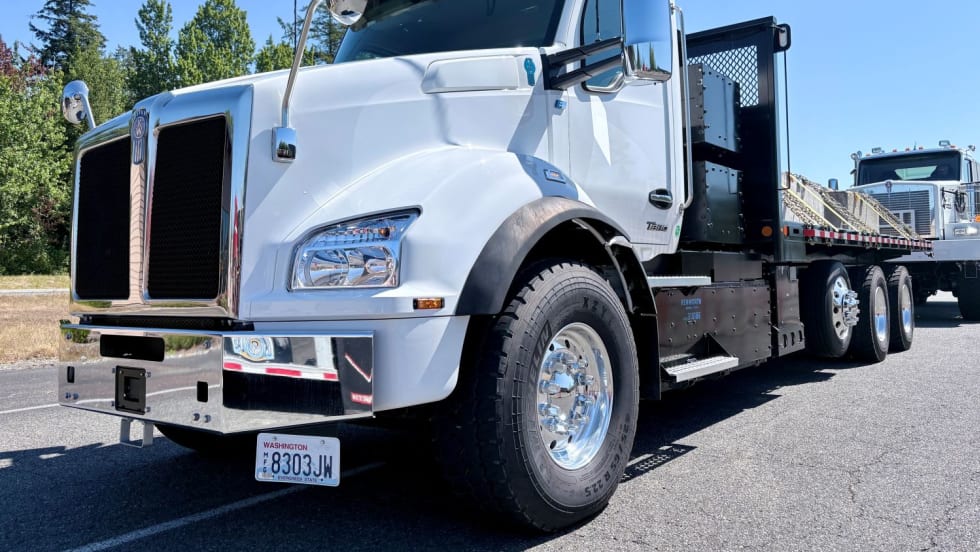
Kenworth T880E Brings EV Power to Vocational Trucks
A closer look at the Kenworth T880E’s range, charging, powertrain and upfit options — and where fleets are showing the most interest.
Read More →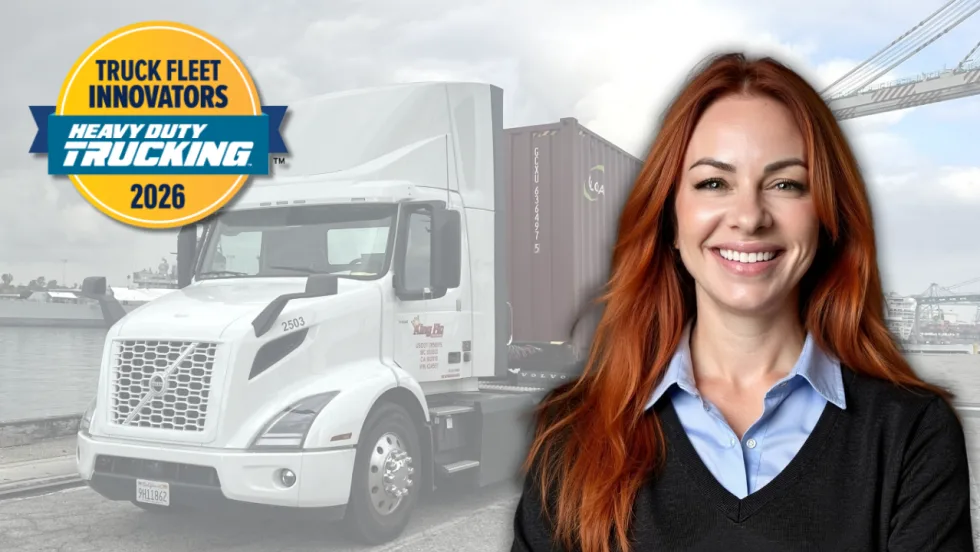
Jennie Abarca Is Proving Electric Trucks Can Do the Job
HDT Truck Fleet Innovator Jennie Abarca is building confidence in fleet electrification one load at a time while openly sharing the challenges she encounters along the way as a small-fleet owner.
Read More →
Cummins Adjusts 2027 Engine Rollout After EPA Proposal
The engine maker will gradually introduce its new Model Year 2027 diesel engines while continuing to offer current models during the transition, citing the EPA's proposed emissions rule changes.
Read More →
EPA Proposal Could Ease 2027 Truck Costs and Buying Uncertainty
The proposal doesn't change the tougher NOx standard, but it would revise key implementation requirements that manufacturers say have driven up costs and complicated fleet purchasing decisions.
Read More →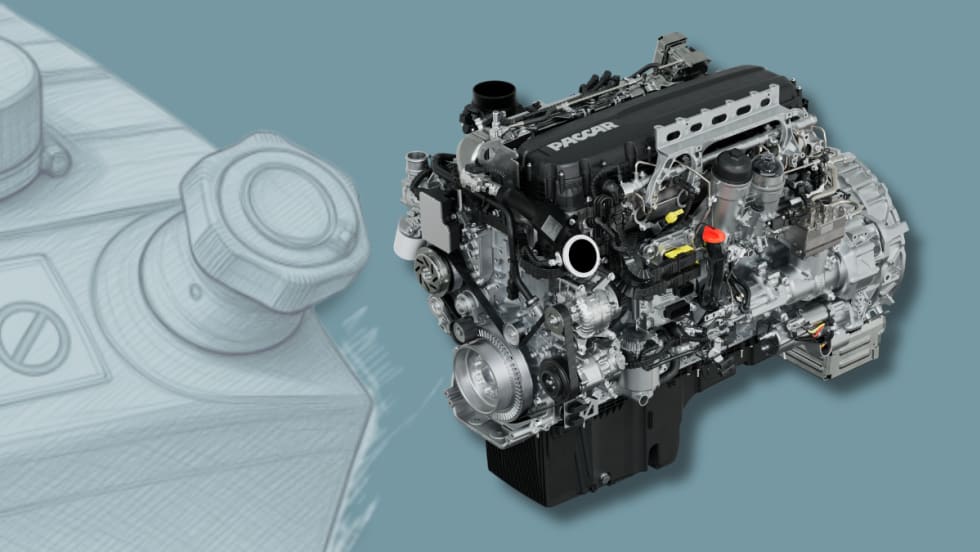
Cummins, Paccar Ease DEF Derates After EPA Guidance
Updated diesel engine software gives truck operators more time to address emissions-system issues while staying compliant with EPA emissions standards.
Read More →