




PierPass Diverts 30 Millionth Truck from So Cal Ports
PierPass announced that its OffPeak program reached a major milestone, diverting its 30 millionth truck trip at the ports of Los Angeles and Long Beach.
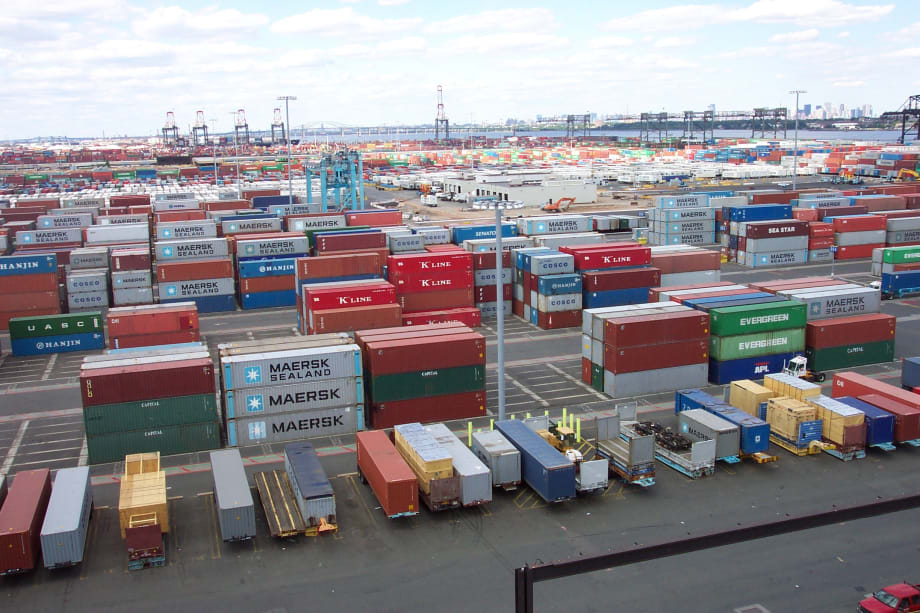
Photo: Wikipedia Commons.

PierPass announced that its OffPeak program reached a major milestone, diverting its 30 millionth truck trip at the California Ports of Los Angeles and Long Beach.
The diversions occurred in weekday, daytime traffic as part of the OffPeak program, which regulates the amount of trucks allowed on the road from the Port of Los Angeles and Port of Long Beach every week during peak traffic hours.
Under the OffPeak program, the international container terminals at the two ports operate additional shifts on nights and Saturdays. Since its in inception in 2005, OffPeak gates have grown to handle about 55% of daily truck-borne container traffic.
PierPass says the OffPeak program has greatly eased congestion on city streets and nearby freeways and reduced emissions for trucks idling outside of terminals and in traffic.
“While port congestion has increased worldwide, the Ports of Los Angeles and Long Beach are handling these pressures better than most of the other major ports in North America and Europe,” said Bruce Wargo, PierPass president and CEO. “One reason LA and Long Beach works is because the PierPass OffPeak program nearly doubled the capacity of the ports in 2005.”
Recent problems experienced by other large North American and European ports over the past year have been due to new, larger ships that carry over 50% more cargo than ships from a few years ago. Terminals have been forced to manage the higher volume of cargo despite problems handling it with trucks and locomotives.
The average in-terminal turn time – the amount of time it takes a truck to drop off or pick up a single container – in the first half of 2014 was 42 minutes, up 7.7% from the first half of 2013. The typical, single transaction takes about one hour when adding the average of 20 minutes in queue outside the terminals.
On a typical OffPeak weeknight, 17,000 trucks visit the marine container terminals at the Port of Los Angeles and Port of Long Beach. PierPass says that if all of these trucks were lined up bumper--to-bumper, they would form a line 170 miles long.
More Fleet Management

How Innovative Trucking Leaders Turn Change Into an Advantage
As the pace of change accelerates in trucking, the fleets that adapt best have more than the latest technology. They have cultures that embrace improvement.
Read More →
Freight Broker Bonds Just Got Harder to Get. Here's What That Means for Your Fleet.
When it gets harder for a freight broker to prove they are financially sound, the ones who cannot clear that bar get pushed out of the market. And those are exactly the brokers who used to leave motor carriers holding the bag.
Read More →
Long-Awaited Canadian Border Bridge to Open in Detroit
For trucking, the bridge opening should offer immediate improvements in efficiency and reliability, with new customs facilities, expanded inspection capacity, and direct freeway-to-freeway connections.
Read More →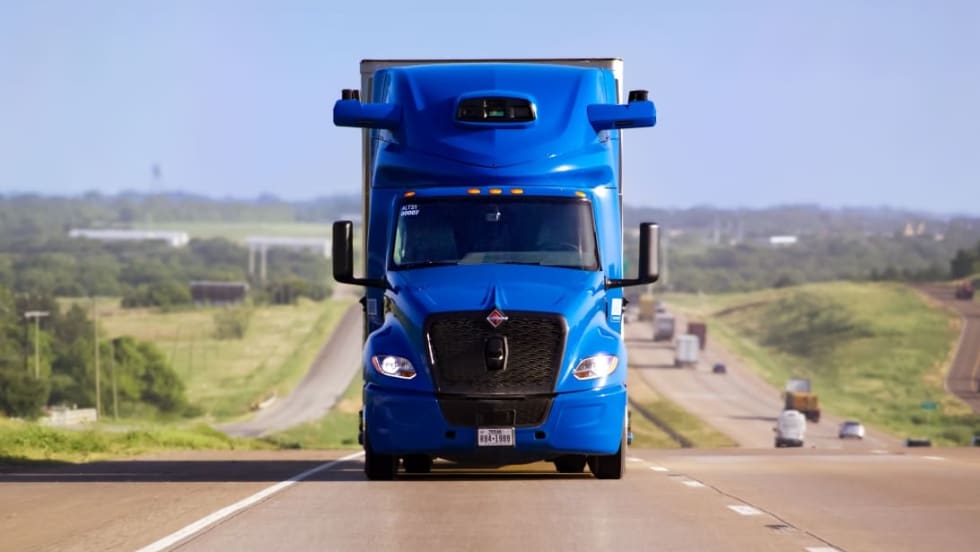
Aurora Rolls Out Next Generation of Driverless Trucks for Commercial Freight
Aurora's latest autonomous trucks it's rolling out with International feature lower-cost hardware designed for a million miles as the company expands commercial driverless freight operations across the U.S. Sun Belt.
Read More →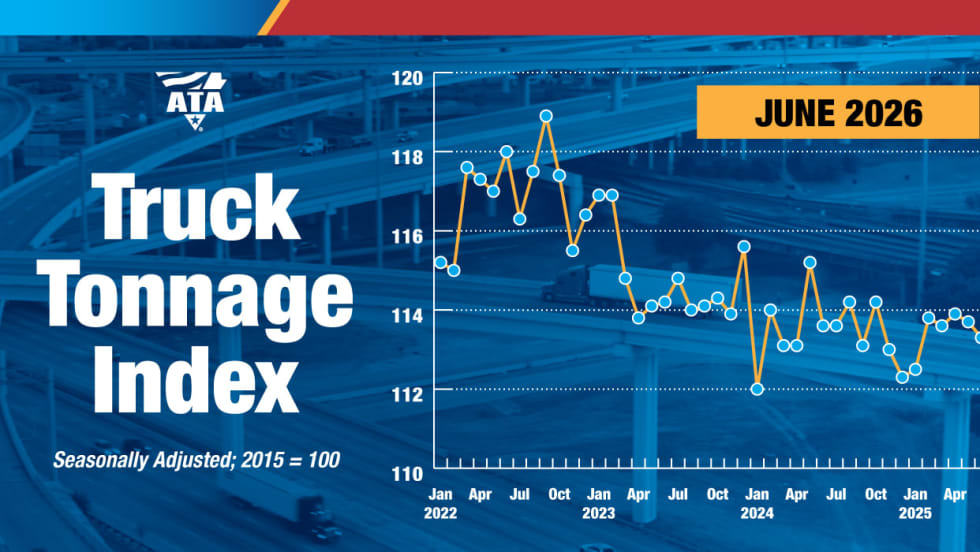
Freight Tonnage Down, Rates up, as Lower Capacity Powers Trucking Recovery
The recovery from the freight recession continues to be driven by reduction in capacity rather than by increased demand.
Read More →
Think Your Trucking Fleet Isn't Using Much AI? Think Again
Shadow AI — the use of unauthorized artificial intelligence tools at work — is becoming increasingly common, putting sensitive company data at risk. Learn how trucking fleets can protect sensitive data while embracing AI.
Read More →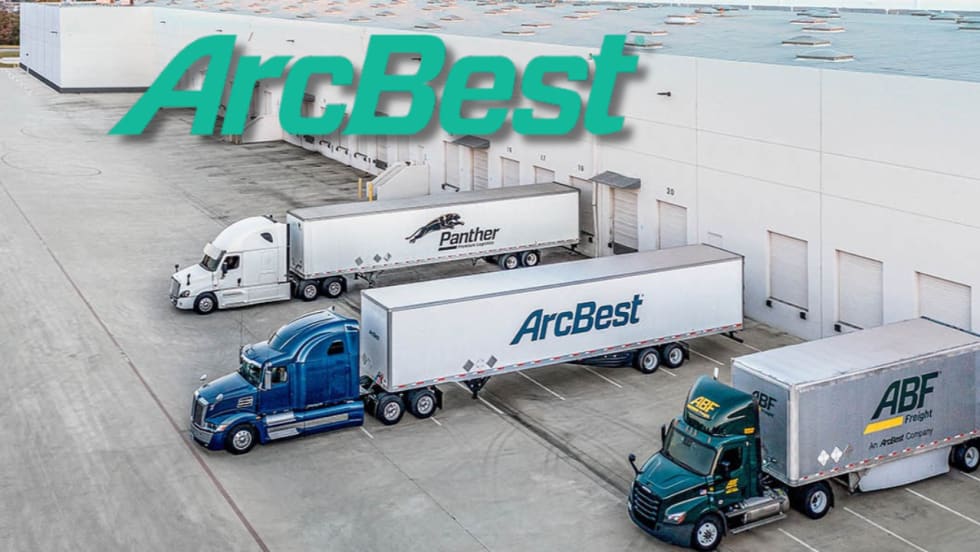
ArcBest Consolidates Brands, Cuts Workforce
The company will bring three business units under the ArcBest brand, eliminate about 2% of positions, and expects the changes to generate $40 million in annual savings.
Read More →
Trucking Fleets Faced Record Operating Costs During Third Year of Freight Recession
ATRI's annual operational cost report shows carriers trimmed fleets, delayed equipment purchases, and ran older trucks as expenses continued to outpace freight rates.
Read More →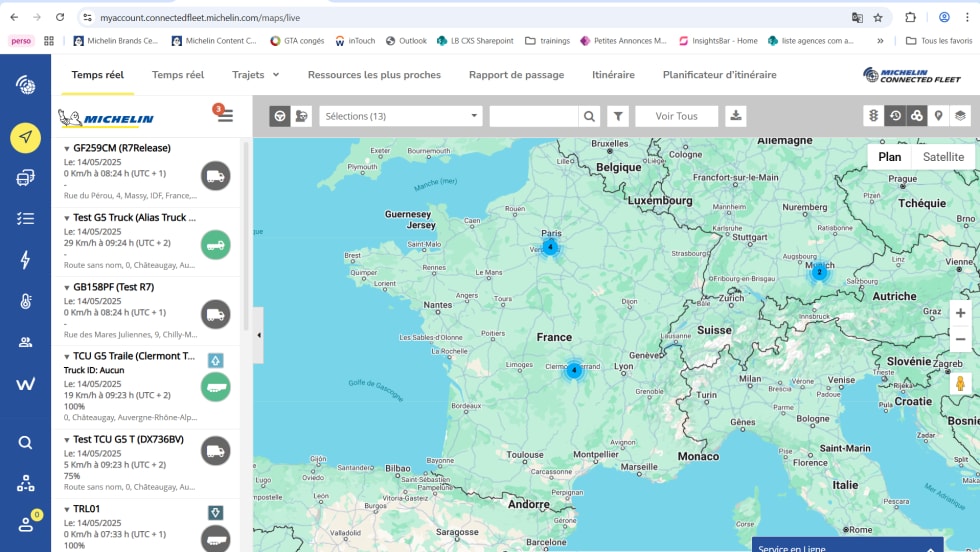
Michelin Adds AI Assistant to MyConnectedFleet Platform
Michelin’s new generative AI tool delivers instant fleet insights, helping managers analyze fuel use, tire maintenance, vehicle status, and operational performance without manually creating reports.
Read More →
LytxOne Platform Now Features AI, Compliance, and Asset Tracking Tools
New enhancements add AI-powered insights, asset tracking, compliance automation, and configurable privacy controls to Lytx's all-in-one fleet management platform.
Read More →