




NYC to Invest $100M to Modernize Freight Distribution System
New York City Mayor Bill de Blasio announced a $100 million plan to modernize the city’s freight distribution system, including investing in a new distribution network, increasing maritime and rail involvement, and promoting the use of low-emissions trucks.

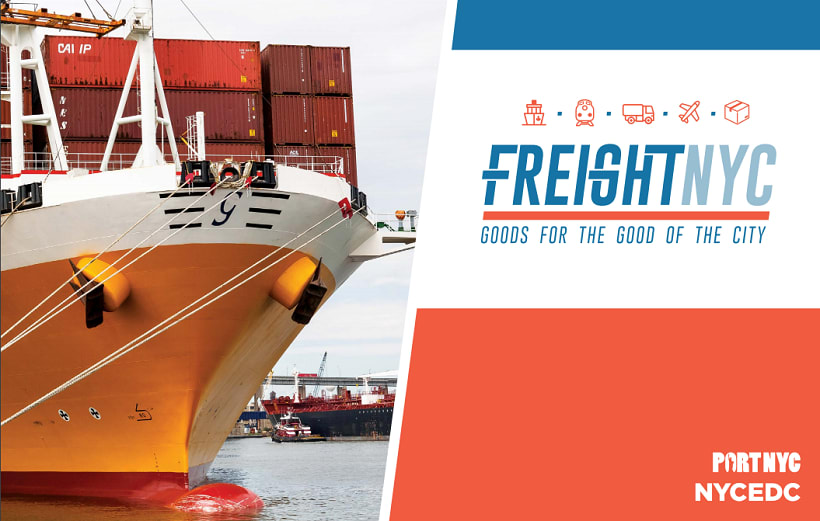
The $100 Million Freight NYC plan includes investment in new distribution, rail, and maritime facilities, as well as a push for the use of cleaner trucks.
Image courtesy New York City
New York City Mayor Bill de Blasio announced a $100 million plan to modernize the city’s freight distribution system, including investing in a new distribution network, increasing maritime and rail involvement, and promoting the use of low-emissions trucks.
Called Freight NYC, the plan is designed to create a more sustainable and resilient supply chain network.
With current population growth and an increase in on-demand and last-mile delivery, local freight volumes are expected to increase 68% by 2045. Currently trucks are used to move as much as 90% of freight in the area, and the mayor’s office felt that the city needed to plan for the future in order to reduce truck traffic and congestion and improve air quality.
“Freight NYC is an investment in our city’s future,” said Mayor de Blasio. “By modernizing our approach to shipping, we will create thousands of good-paying jobs while keeping our streets safer and cleaner.”
The Freight NYC plan has three key components:
1. Investing in Multimodal Infrastructure
The city will work with the Port Authority of New York and New Jersey to invest in new marine terminals and barging operations and expand rail lines and freight facilities. This includes developing barge terminals to serve Brooklyn and the Bronx, allowing goods such as produce and food to reach these boroughs by water instead of by truck.
The plan also calls for reactivating existing rail lines that are currently underused to alleviate track congestion.
2. Create New Freight Distribution Hubs
Through public-private partnerships, NYC plans to develop new distribution warehousing and transload facilities to meet the expected increase in demand as its population grows. Part of this plan includes a proposed 500,000-square-foot Urban Distribution Center at the Brooklyn Army Terminal and developing an air cargo and distribution facility on a 4-acre site near JFK Airport.
3. Promote Clean Trucks
Freight NYC includes plans to encourage the deployment of emission-free trucks on city streets for last-mile delivery in order to advance the mayor's goal of reducing gas emissions 80% by 2050. This part of the plan calls for an expansion of the NYC Department of Transportation’s Hunts Point Clean Trucks Program to other truck hubs and industrial business zones, offering rebates for companies looking to replace, retrofit, or retire older trucks. The city also wants to increase clean fuel infrastructure in the area, including adding sites for compressed natural gas and electric charging.
It also will include initiatives to create pilot programs for tenants in city-owned properties to reduce the environmental impact within their own supply chains through logistics consolidation, carbon-neutral shipping, and use of clean vehicles.
“Freight NYC is one of the most ambitious re-imaginings of how 8.5 million New Yorkers – and the tens of millions more in our region – share, sell, and buy the goods that keep our economy thriving,” said Alicia Glen, deputy mayor for housing and economic development. “It will modernize our shipping sector, strengthen our economy, and improve the air we breathe.”
Read the full Freight NYC plan here.
Related: DOT Lists Highway Projects to Receive $1.5 Billion in Grants
More Fleet Management
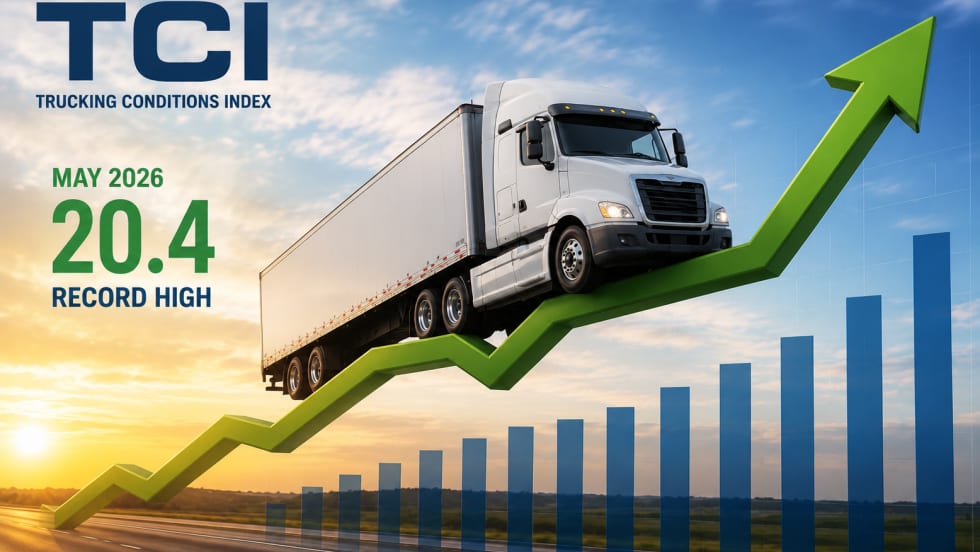
FTR Says Freight Rates Surged in May
FTR's Trucking Conditions Index surged to a record high in May, the analytics firm reports.
Read More →
Meet HDT's Truck Fleet Innovators at Heavy Duty Trucking Exchange
Heavy Duty Trucking Exchange brings fleet managers and suppliers together for the deeper conversations that lead to ideas, partnerships, and solutions. Time is running out to apply for HDTX, September 23-25.
Read More →
Enhance Fleet Performance with High-Efficiency Auxiliary Power Units
Drive sustainable cost savings while increasing driver comfort during short- and long-haul logistics operations.
Read More →
Is Your Parts Procurement Process Reactive or Proactive?
Ready to revamp your parts procurement process? Learn how now with “Strategic Parts Purchasing: A Process Checklist”
Read More →
What Trucking Events are Happening in 2026?
Looking for trucking-related conventions, expos, and other events? Heavy Duty Trucking has developed this list of national and larger regional trucking shows and events.
Read More →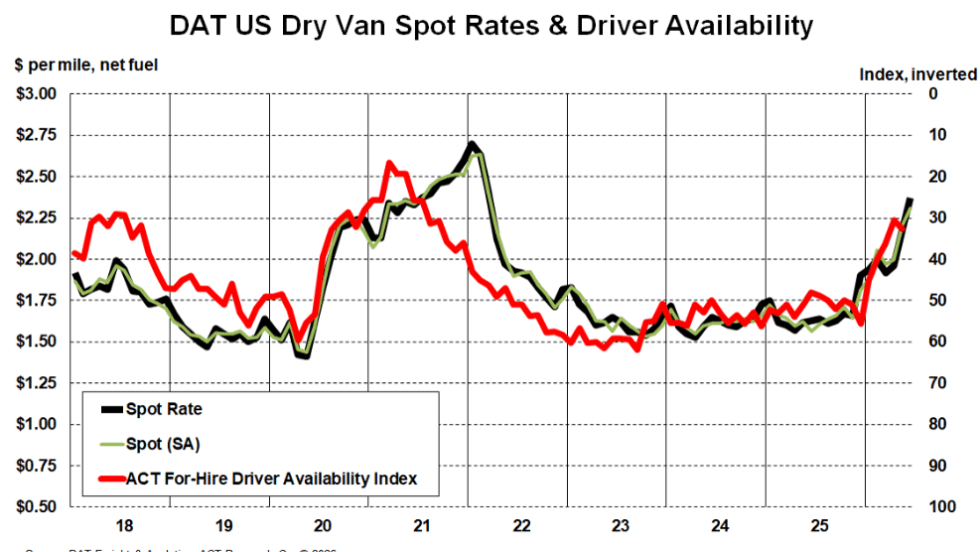
Truckload Rates Keep Rising as Tight Capacity Fuels Freight Market Recovery
Spot and contract rates continued climbing in May and June, not because freight demand is surging, but because fewer trucks and drivers are available.
Read More →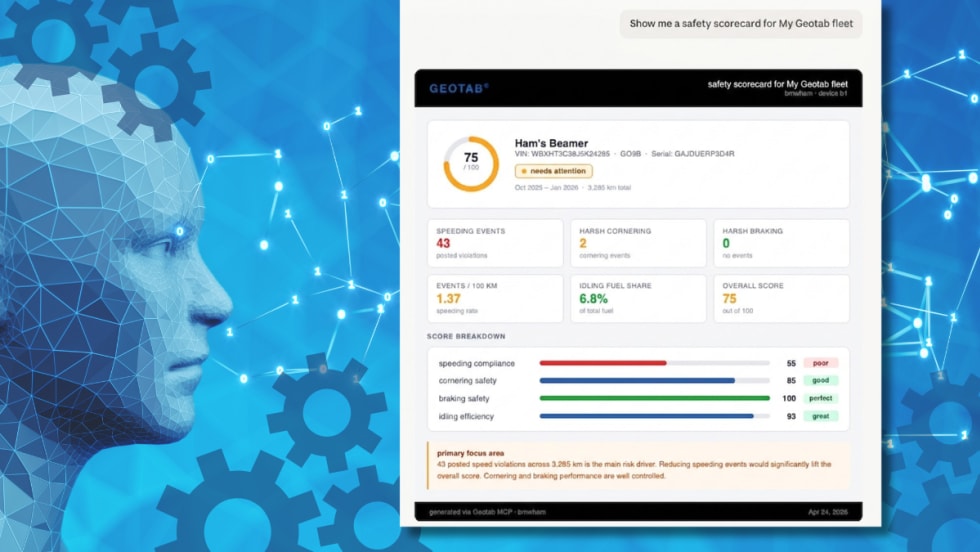
What Geotab's New AI Connector Means for Fleets
Fleets can now ask their usual AI assistants questions about maintenance, safety, fuel use, and vehicle performance, using their live Geotab data, and take action on the answers without leaving their preferred AI tool.
Read More →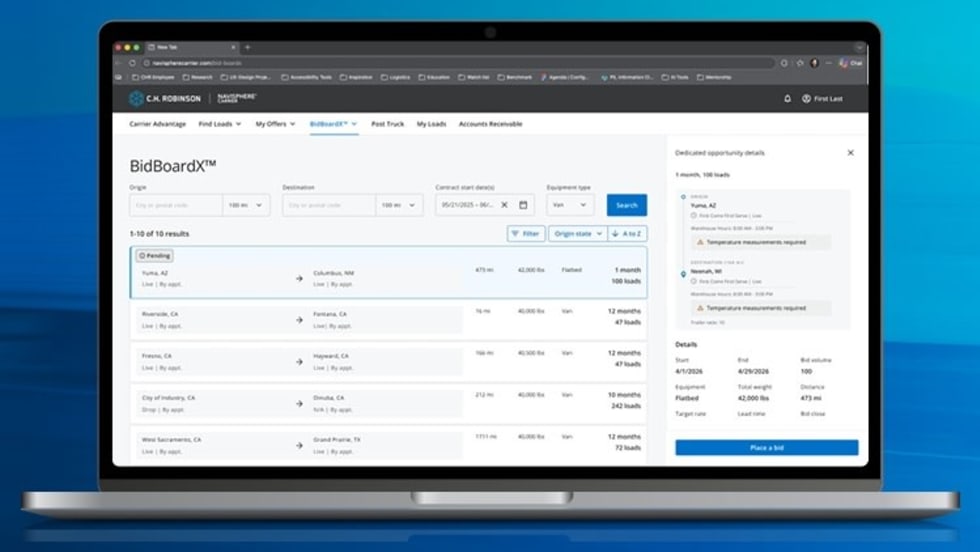
New C.H. Robinson Tool Opens Door to More Predictable Freight
BidBoardX lets carriers search, bid on, and secure committed freight opportunities through a single digital marketplace.
Read More →
New York City's Microhub Project is Delivering Results
Trucking, last-mile delivery companies, and environmental advocates like what they are seeing so far with New York's microhub program.
Read More →
Why Truck Detention Keeps Costing Fleets Time and Money
A 2024 ATRI study found detention affects nearly 40% of truckload stops and costs the industry more than $15 billion annually. Despite the toll on drivers, fleets, and supply chains, the problem remains stubbornly persistent.
Read More →