




NTSB, FDA To Look At Medications And Driver Performance
The National Transportation Safety Board and the Food and Drug Administration will co-host a meeting examining the impact of prescription and over-the-counter medications on the performance of vehicle operators
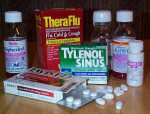
The National Transportation Safety Board and the Food and Drug Administration will co-host a meeting examining the impact of prescription and over-the-counter medications on the performance of vehicle operators.
Many widely used prescription and over-the-counter medications can cause drowsiness and/or impairment in users. In most cases, however, there is little guidance provided in laws, rules, instructions or labeling, to help people determine what medications could affect their ability to drive or operate other vehicles. Studies suggest, as with alcohol, an individual's perception of their level of impairment is not a good indicator of their actual impairment.
Since 1987 the Safety Board has investigated more than 150 accidents, in all modes of transportation, involving vehicle operators who may have been impaired by prescription or over-the-counter medications. For instance, in a June 1998 Greyhound bus crash in Burnt Cabins, Pa., that killed six people, the board found that the driver had recently taken an over-the-counter medication.
This joint meeting is in response to recommendations the Safety Board made to the FDA and the DOT on this subject in January 2000 asking that the FDA require the use of a clear and consistent warning label for all medications.
The joint meeting will be held in the NTSB Board Room and Conference Center on November 14 and 15, convening at 8 a.m. each day. Meeting attendance is open to the public and advance registration is not necessary. For more information regarding the November meeting, visit www.ntsb.gov and click on the "FDA/NTSB Joint Public Meeting" link.
More Drivers

FDA Eases Path for Oral-Fluid Testing
Federal actions could advance oral-fluid drug testing for truck drivers, but lab certification delays and marijuana rescheduling questions remain.
Read More →
Why Hiring Truck Drivers Is Getting Harder
Higher recruiting costs, a shrinking driver pool, and renewed pay competition are raising the stakes for fleets heading into 2027.
Read More →
Roehl Offers Truck Drivers $10,000 Retention Incentive
Payments begin after the first load and continue in mileage-based installments for eligible experienced drivers joining the fleet.
Read More →
Platform Science Adds Dispatch and Safety Tools
Four additions to PS Fleet help fleets monitor loads, manage driver coaching, share truck locations and adjust video system settings.
Read More →
When Language Stops the Truck: The Return of ELP Out-of-Service Orders
English language proficiency rules for commercial drivers aren’t new, but renewed out-of-service enforcement has raised the stakes. Here’s what carriers need to know before a driver reaches a roadside inspection.
Read More →
Samsara Launches Custom AI Agent Builder
Agent Studio lets fleets create AI tools for hours-of-service monitoring, reporting and driver support, including agents that communicate by phone.
Read More →
Trucker Path Expands Reserved Parking Network
Trucker Path has added close to 6,000 more truck parking spaces to its Trucker Path Reserved Parking Network with the addition of Safe Truck Parking.
Read More →
EEOC Sues Texas Trucking Company Over Driver Age Limits
The agency says Trancasa USA rejected applicants over 65 and applied tougher driving-record standards to those over 60.
Read More →
Nussbaum, Roehl Announce Second Driver Pay Increase This Year
This year has seen a swath of major truck driver pay increases as freight capacity has tightened.
Read More →
From One Generation to the Next: How Mentorship Builds Safer Truck Drivers
After three decades in trucking, Harold Perry shares what he's learned about driver safety, mentorship, and helping the next generation build confidence behind the wheel.
Read More →