




Moving A Mountain -- Or Close To It
What do you do when you find a great deal on a grain elevator but it's located some 25 miles from your farm? If you are farmer Rob Keyser in Markinch, Saskatchewan, you call in Minty's Moving of Onanole, Manitoba, to move the 95-foot-tall, 800,000-pound wooden structure. The 57-year-old company specializes in really big moves, but the grain storage elevator was the biggest move to date for Minty's, according to owner Harold Minty

What do you do when you find a great deal on a grain elevator but it's located some 25 miles from your farm? If you are farmer Rob Keyser in Markinch, Saskatchewan, you call in Minty's Moving of Onanole, Manitoba, to move the 95-foot-tall, 800,000-pound wooden structure.
The 57-year-old company specializes in really big moves, but the grain storage elevator was the biggest move to date for Minty's, according to owner Harold Minty.
When Minty bought the trucking company from his father, Victor, in 1975, the firm hauled general freight, lumber and grain. Early on, he moved a small building for his uncle and "one thing just led to another," Minty said, until the firm was doing mostly heavy hauls.
The big loads include hauling 95 percent of the bridge girders moved in Manitoba, with the average girder size being 3 feet wide, over 12 feet tall and 137 feet long. Steering dollies are used on the long loads. Minty's also moved a complete skating rink - 64 feet wide by 208 feet long - some 65 miles.
To move the grain elevator from its previous site in Lipton, Saskatchewan, to Markinch, Minty used a special 128-wheel, self-leveling dolly system. "We can keep the elevator level even though the road is not level," Minty said. Operators manually adjust the dollies for side-to-side level, while the system automatically adjusts for end-to-end level. Including the tractor, the whole set-up had 142 wheels.
A 1992 Kenworth T800 high hood with a 425-horsepower Caterpillar and an 8-speed "double under" transmission with a 4-speed auxiliary provided power in the front, while a 1980 W900 with a 450-horsepower Caterpillar and a 1969 W900 with a 290-horsepower engine pushed from the back. The two W900s use a 5-speed with a 4-speed auxiliary. That particular gearing gives the trucks "all kinds of capacity," Minty said. "We had no trouble going up moderate to steep hills, no trouble whatsoever."
The grain elevator was estimated to weigh 800,000 pounds, give or take a few pounds. "We know what a board foot of lumber weighs," Minty said. "So we go in and see how many bins, interior walls and so forth there are, and come up with a total weight number that should be close. Then we figure out a way to do the transport without damaging the road or equipment."
Moving an 800,000-pound wooden grain elevator takes time, especially when traveling at a top speed of about 5 mph. The 25-mile journey took a day and a half. Starting at 10 a.m., they moved 18 miles the first day. On the second day, they started at 9 a.m. and arrived at their destination by noon.
Once on site, the building was spotted on a foundation that had been prepared for it, raised with hydraulic cylinders and blocked off. Then the dollies were pulled out, leaving only the moving beam under the elevator. By the next day, the elevator had been lowered to its foundation and was almost ready for business.
Hauling super-sized loads appeals to Minty. "We're asked to move anything and we'll move anything," he says. "There's an awful lot of job satisfaction. It drives me to take on challenges."
More Drivers
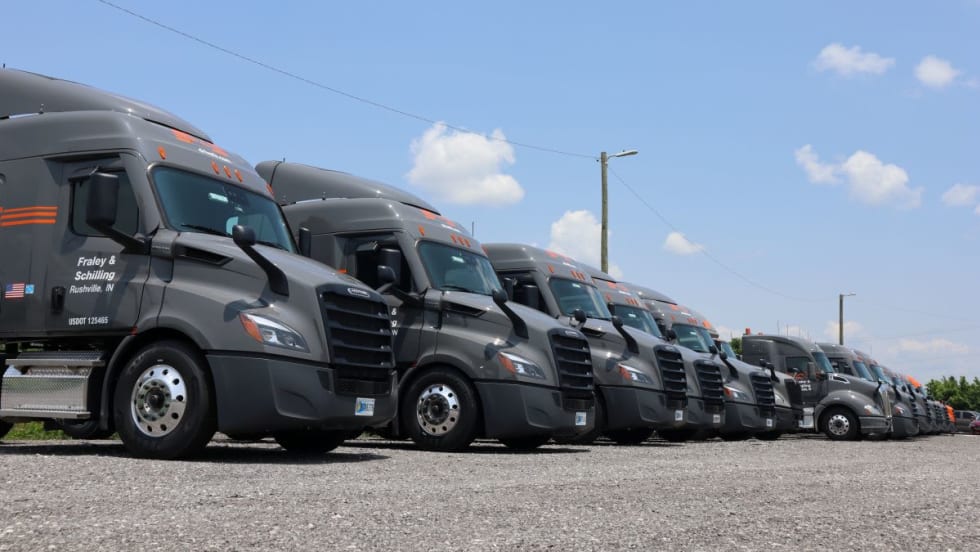
How Fraley & Schilling Improved Logbook Compliance by Over 50%
Fraley & Schilling needed a way to close a compliance workflow gap in its ELD system without adding more work from driver training, reminders, and back-office follow-ups. It found the answer in a custom driver app.
Read More →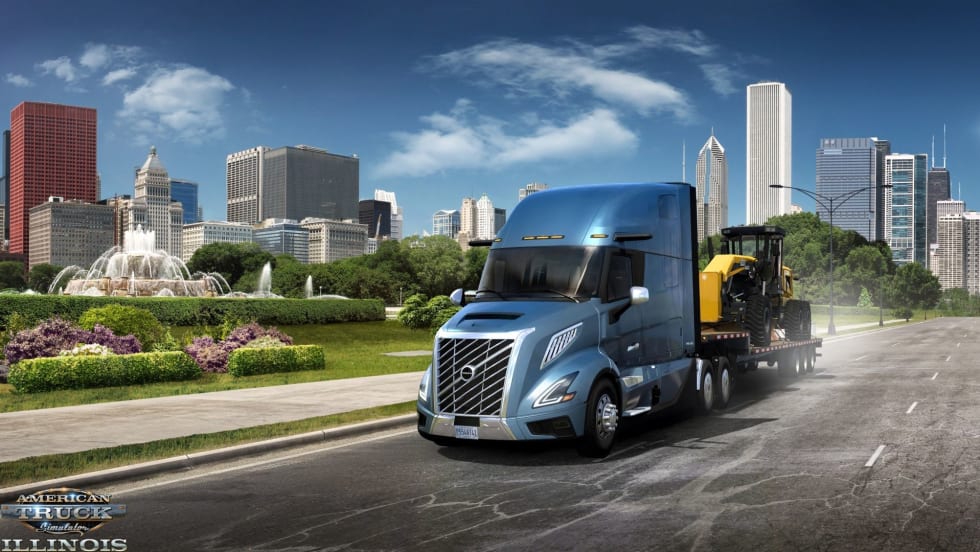
Volvo Goes Gaming
Volvo has roared into American Truck Simulator with two new flagship trucks.
Read More →
What the Best Fleets to Drive For Teach About Driver Retention
Survey fatigue, AI-powered routing, owner-operator expectations, and the decline of social media all emerged as themes from this year's Best Fleets to Drive For program.
Read More →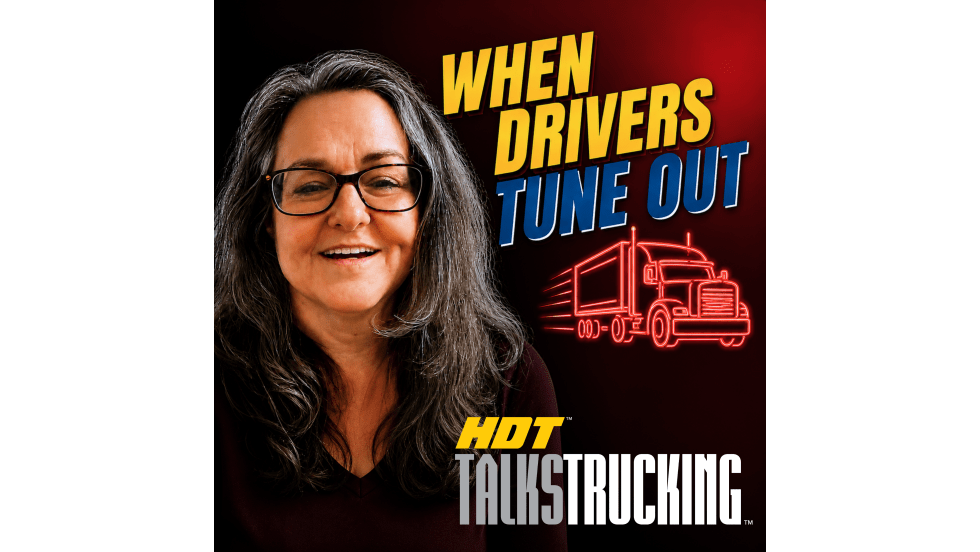
Driver Retention Lessons From the Best Fleets to Drive For
What separates trucking's best workplaces from the rest? Jane Jazrawy shares the biggest lessons from this year's Best Fleets to Drive For program on driver retention, communication, AI, and workforce trends on the HDT Talks Trucking podcast.
Read More →
Farewell, CDL: Why I'm Giving Up My Commercial Driver's License
After more than 20 years as a CDL holder, HDT Executive Editor Jack Roberts is letting his commercial license expire. Not because he wants to — but because trucking's nuclear verdict crisis has made the risks of public-road test drives too great for editors, manufacturers, and everyone involved.
Read More →
How Top Trucking Fleets Improve Driver Retention [Video]
What do healthy snacks, optimized routing, and just picking up the phone have in common? They're all strategies the Best Fleets to Drive For are using to retain truck drivers.
Read More →
Trucker Path Adds Verisk CargoNet Theft Data to Navigation Platform
Trucker Path’s new cargo theft risk overlays give drivers and fleets visibility into high-risk areas, stolen commodity trends, and theft hotspots.
Read More →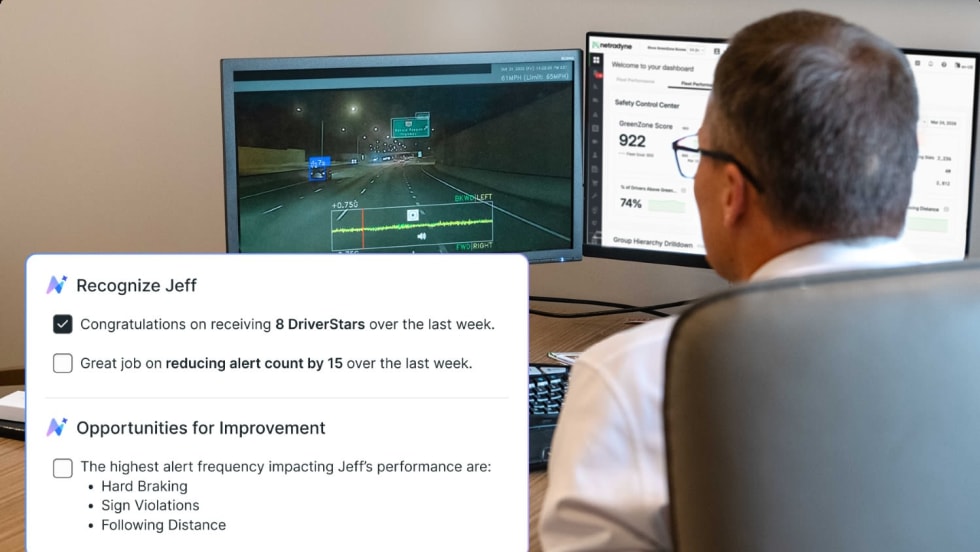
Netradyne Intelligence Uses New AI Agents to Automate Response to In-Cab Camera Data
The company called the next-generation in-cab camera safety platform "a fundamental shift from systems that report on what happened to systems that actively drive what should happen next."
Read More →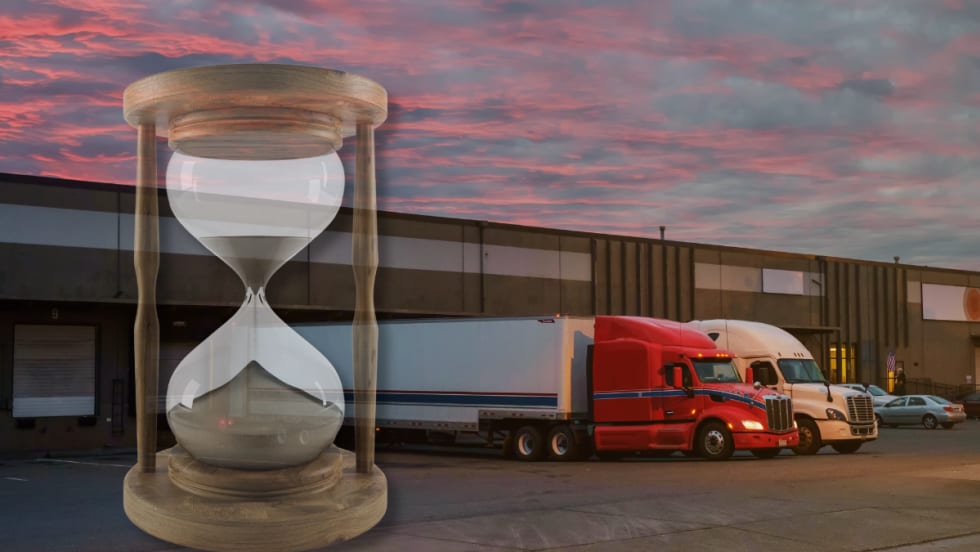
Why Truck Detention Keeps Costing Fleets Time and Money
A 2024 ATRI study found detention affects nearly 40% of truckload stops and costs the industry more than $15 billion annually. Despite the toll on drivers, fleets, and supply chains, the problem remains stubbornly persistent.
Read More →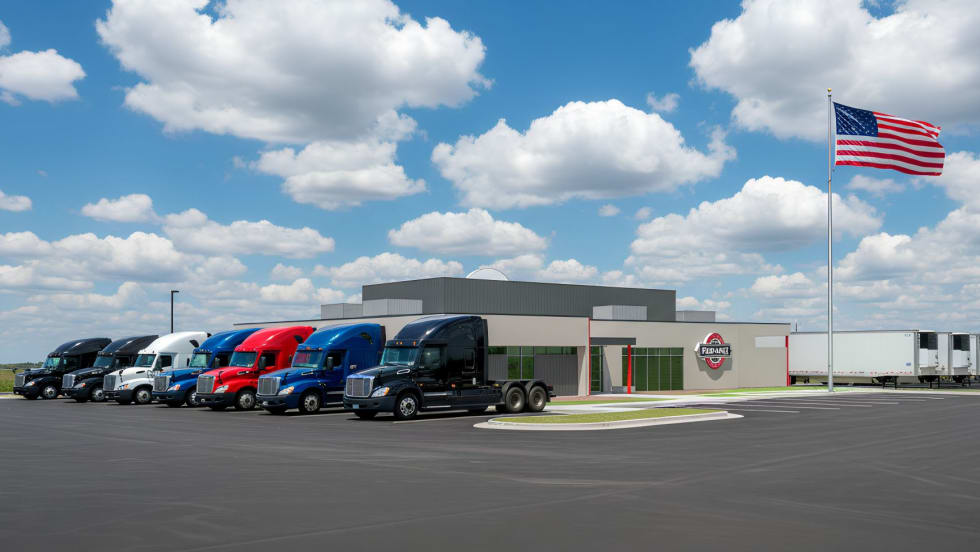
Prime Inc. to Open $7.9M Flagship Used-Truck Dealership
A new driver-focused facility to sell Prime Inc's used trucks and trailers will be the first purpose-built location in the company's history.
Read More →