




Mark Russell Named President of Nikola Motors
Nikola Motor's new president has more than 20 years of experience in building successful manufacturing companies.

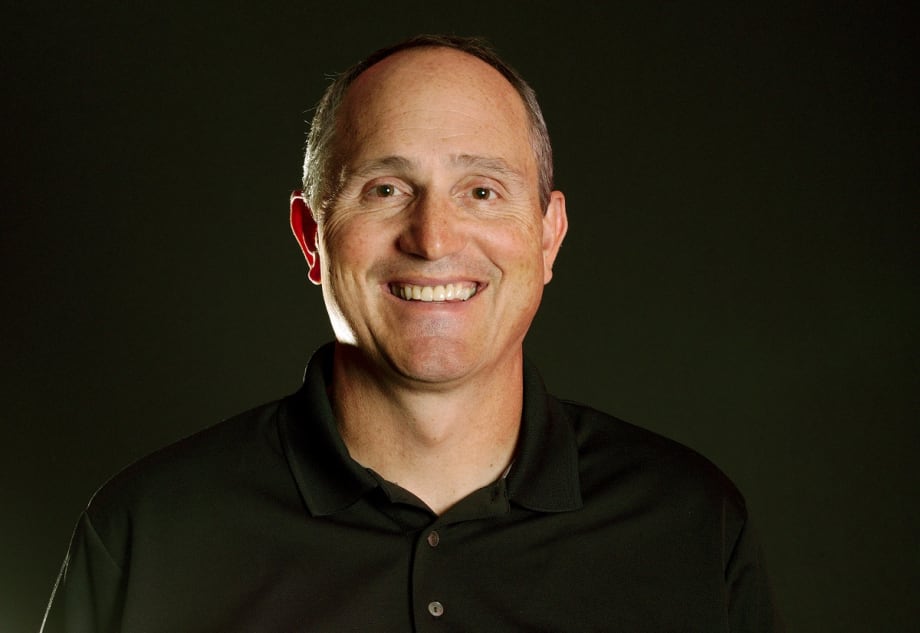
Mark Russell begins his tenure as Nikola Motor’s new president as the company prepares to begin production of its new hydrogen-electric powered long haul trucks.
Photo courtesy Nikola Motors
Nikola Motors Corporation has announced that Mark Russell is joining its executive management team as president. The announcement comes as the company prepares to introduce a new crop of zero-emission trucks and begin serial production of the new vehicles.
In a press release, Nikola hailed the 56-year-old Russell as a “seasoned executive” with a 20-year track record of building successful manufacturing companies. Most recently, Russell served as president and chief operating officer of Worthington Industries (NYSE: WOR) from 2012 to 2018, and prior to that served as president of WOR subsidiary Worthington Steel since 2007.
“I’m thrilled to be joining the Nikola team at this critical time and look forward to assisting its growth into production and beyond,” Russell said.
"We needed the best. We needed a seasoned manufacturing executive to join the Nikola team. Mark's background and experience match well with the challenge to ramp up production of the extraordinary vehicles we will unveil at Nikola World on April 16 and 17," said Trevor Milton, founder and CEO of Nikola.
Nikola currently has over four years of production committed with pre-order reservations. Nikola’s Coolidge, Ariz. manufacturing facility is scheduled to come online in 2022 and will be capable of building up to 35,000 trucks per year at full production.
More Equipment

How Volvo Updated Its D13 for EPA 2027 [Watch]
Volvo’s updated D13 promises lower emissions without sacrificing performance or fuel economy. Take a closer look at what changed inside the engine in this HDT Spotlight video.
Read More →
Michelin Tire Improves Efficiency and Durability for Regional Fleets
The Michelin X Multi Energy D2 is a regional haul drive tire engineered to help fleets improve fuel efficiency, durability and traction in demanding stop-and-go operations.
Read More →
ZF Expands Commercial Vehicle Push in North America
ZF is expanding its North American commercial-vehicle presence with new transmission applications, electrification, trailer technology and autonomous-driving systems.
Read More →
Tesla Wants a Self-Driving Semi. Are Cameras Enough?
Could Tesla’s camera-only autonomous driving technology work on an 80,000-pound Semi? In this commentary, HDT's Deborah Lockridge takes a look at Tesla, Cybercab, and how autonomous trucks see the road.
Read More →
Kodiak: Driverless Long-Haul Truck Launch on Track for 2026
Kodiak AI says its driverless long-haul safety case is 93% complete and it remains on track to begin commercial operations by year-end 2026.
Read More →
What DOT’s Automated Vehicle Strategy Means for Trucking
The U.S. Department of Transportation issued a new automated-vehicle strategy that outlines plans for driverless-truck regulations, cross-state freight corridors, and federal safety standards.
Read More →
East Coast Port Launches $45M Electric Truck Push
The Port Authority of New York and New Jersey announced millions in incentives for zero-emission drayage trucks, yard tractors, and new charging hubs near the port.
Read More →
PlusAI Going Public to Fund Autonomous Truck Launch
A SPAC deal could provide PlusAI with up to $300 million as it works toward a 2027 commercial launch of factory-built autonomous trucks.
Read More →
NHTSA Moves to Rewrite Truck Fuel-Economy Rules
The National Highway Traffic Safety Administration says it lacks authority to regulate medium- and heavy-duty truck engines separately from complete vehicles, but the existing standards have not yet been eliminated.
Read More →
Detroit Opens Orders for EPA 2027 Engines
Detroit isn’t starting from scratch to meet EPA 2027 diesel emissions standards. Its Gen 6 DD13 and DD15 engines keep much of today’s platform while updating the fuel and aftertreatment systems.
Read More →