




Love’s Growing Maintenance Capabilities Get New Name
Love’s Truck Tire Care has changed its name to Love’s Truck Care to better reflect its new and growing maintenance capabilities.


As its maintenance capabilities grew, Love's Travel Stops saw the need to change the name of its truck maintenance division to Love's Truck Care.
Photo: Love's Travel Stops
Love’s Travel Stops has officially changed the name of its truck maintenance network to Love’s Truck Care from Love’s Truck Tire Care. The change reflects the growth and broader capabilties of Love’s Truck Care and Speedco centers, the company said in a statement.
“In just over a decade, we’ve grown to be the nation’s largest and most comprehensive preventive maintenance and total truck care network, providing coverage 24 hours a day, 365 days a year, with more than 1,500 maintenance bays across the country,” said Gary Price, executive vice president of Truck Care for Love’s. That includes not only tires, but also oil changes, roadside coverage, and other preventive care needs.
Love’s Truck Care started in 2008. The network expanded dramatically in 2017 when Love’s acquired Speedco from Bridgestone. It’s now the largest oil change, preventive maintenance and total truck care nationwide network in the U.S., according to Love's.
Aside from expanding its scope and services, Love’s is also focused on expanding products for professional drivers. It recently launched Love’s Premium 10W-30 Oil, a high-performance, heavy-duty oil.
“We’re gearing up for big plans when it comes to 2021,” Price said. “We have several large-scale projects rolling out that will take customer service to a whole new level. For us, it’s all about getting customers back on the road quickly and safely and increasing uptime for fleets.”
More Maintenance
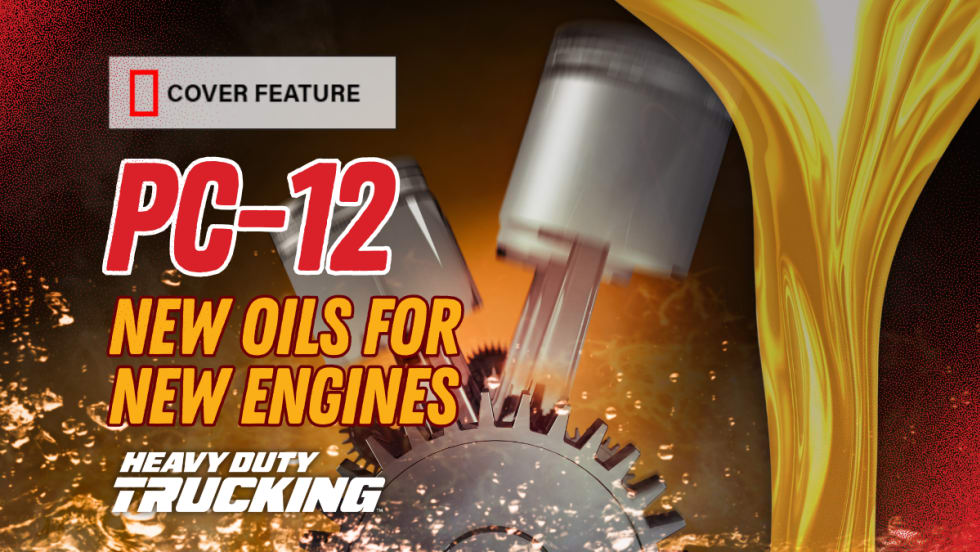
Will API PC-12 Oil Change Trucking Fleet Maintenance?
The new API PC-12 heavy-duty engine oil category reflects the changing demands of modern diesel engines. But fleets like Foodliner are looking to getting their own data before making decisions on adopting the new oils and questions such as extending oil drain intervals.
Read More →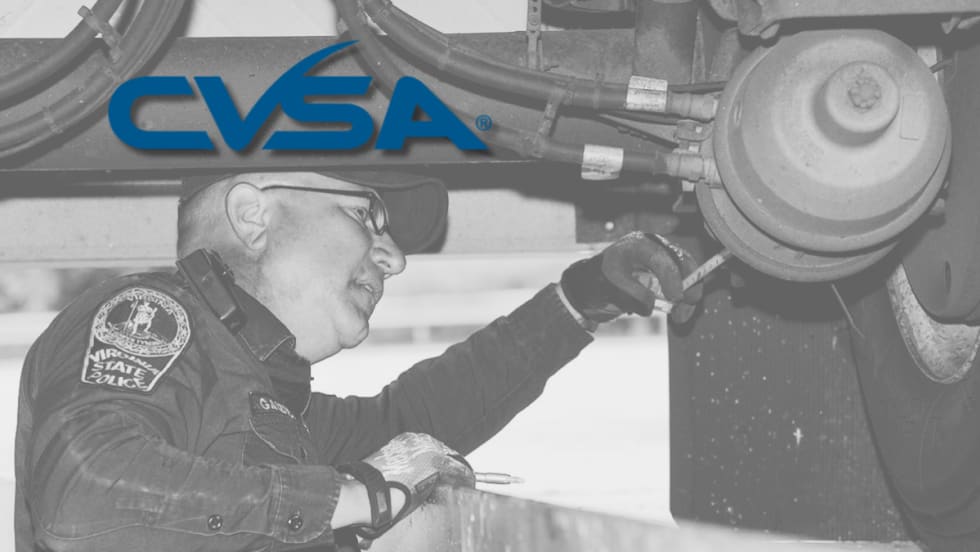
Brake Safety Week to Focus on Drums and Rotors
Commercial vehicle inspectors will be focusing on brakes during CVSA's Brake Safety Week, August 23-29.
Read More →
Possible Battery-Cable Fires Prompt Recall of 15,000+ International MV and HV Trucks
On the recalled vehicles, manufacturing variations can cause the battery interconnect cable to contact the auxiliary stud and hold down the bracket.
Read More →
Rush, MCT Team Up to Grow Refrigeration Service Network
The joint venture will operate MCT's network of Carrier Transicold dealerships and mobile service locations, with the companies promising greater service capacity and uptime for refrigerated fleets.
Read More →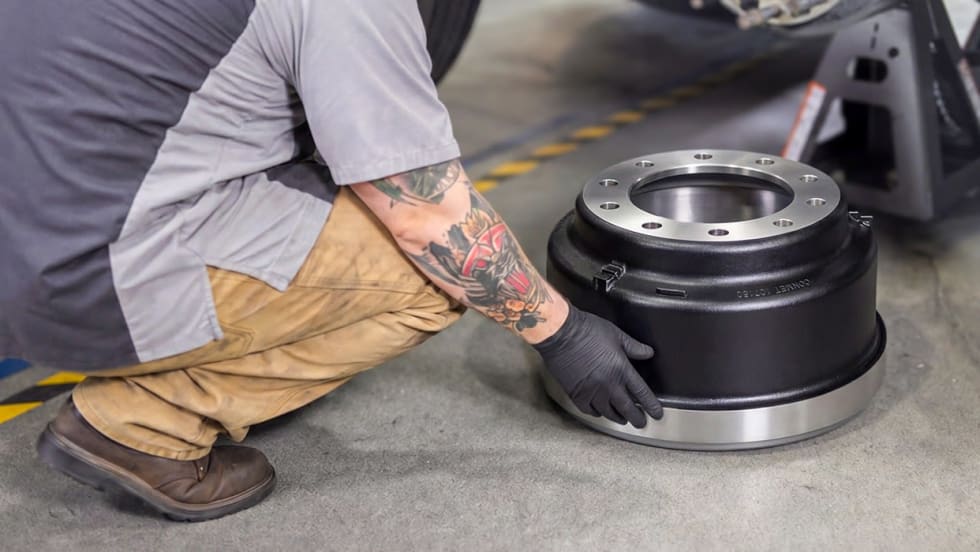
ConMet Expands Aftermarket Brake Drum Lineup With TruCast
A new heavy-duty truck brake drum option in the aftermarket gives customers more flexibility within the ConMet product family.
Read More →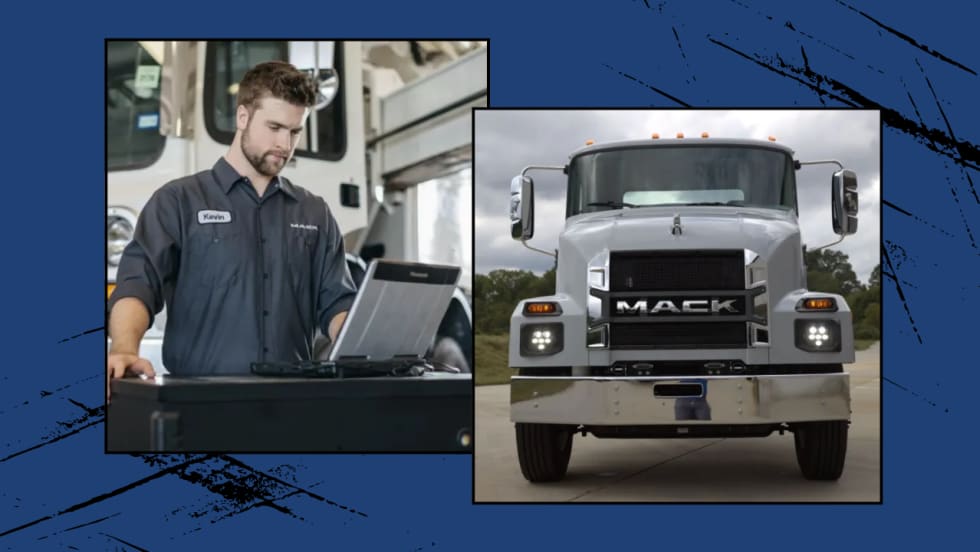
Mack Expands Premium Service Contract Coverage to Medium-Duty MD
With a service contract, inspections, preventive maintenance and repairs can be handled in a single visit instead of multiple ones.
Read More →
Maintenance in the Messy Middle Part 5: Battery-Electric Trucks
No oil changes. No diesel exhaust fluid. No exhaust aftertreatment. But NACFE battery-electric trucks still require specialized maintenance procedures.
Read More →
Trucking Fleets Faced Record Operating Costs During Third Year of Freight Recession
ATRI's annual operational cost report shows carriers trimmed fleets, delayed equipment purchases, and ran older trucks as expenses continued to outpace freight rates.
Read More →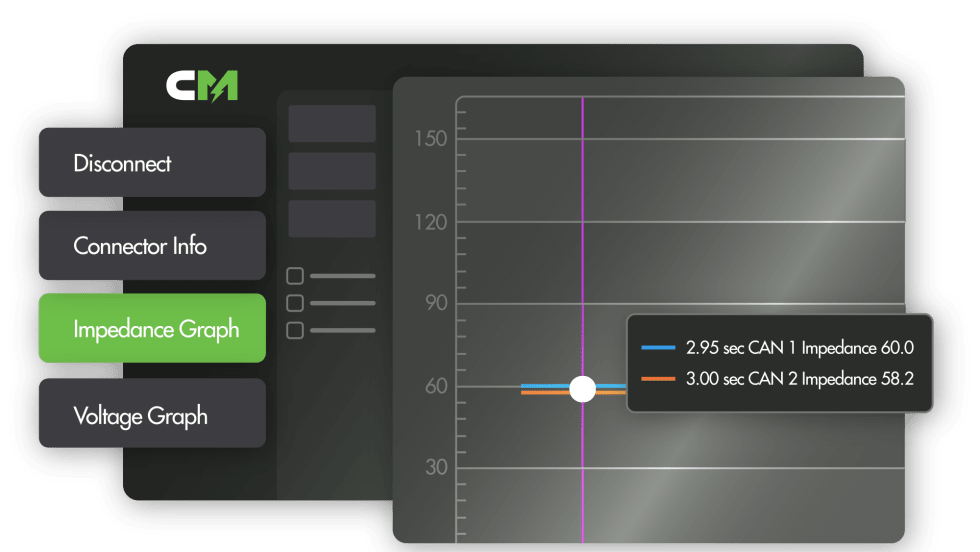
Noregon Launches CAN Mentor to Simplify Vehicle Network Diagnostics
New Noregon software helps technicians identify CAN network issues without requiring advanced diagnostic equipment or specialized training.
Read More →
Maintenance in the Messy Middle Part 4: Renewable Natural Gas
The keys to running renewable natural gas as a fleet fuel depend on specialized technician training, rigorous inspection schedules and an understanding of high-pressure fuel systems.
Read More →