




Lexis-Nexis Report Highlights Potential Problem Areas in Driver Safety and Screening
A new study finds commercial driver applications with incomplete or inaccurate information increased 20% in 2011, pointing to an area fleets can target to improve safety and compliance
A new study finds commercial driver applications with incomplete or inaccurate information increased 20% in 2011, pointing to an area fleets can target to improve safety and compliance.
The LexisNexis 2011 Commercial Driver Safety Report from LexisNexis Risk Solution highlights the areas where existing driver safety and screening programs may need focus and provides best practices to ensure compliance.
According to the study, commercial driver applications with incomplete or inaccurate information increased 20% in 2011, reaching 31.42%, up from 11.78% in 2010. By analyzing these commercial driver safety discrepancies, Lexis-Nexis says, organizations will be able to review their own processes to enhance compliance by intervening immediately and providing data to alert customers of safe hires.
The report revealed numerous instances of incomplete or inaccurate information used by organizations to screen and qualify drivers, highlighting what the report calls "significant and troubling gaps" in compliance and safety programs.
In addition, the report also revealed that commercial drivers' motor vehicle reports (MVRs) with adverse findings, which can indicate one or more violations, such as a revoked license, are consistently increasing year after year, from 48.2% in 2008 to 50.33% in 2011.
The study also found that In 2011, 41% of DOT physical examinations reviewed were limited in their certification or incurred a compliance-related condition compared to 38% in 2010.
The study also reveals the following drug test trending results:
* Cocaine usage increased by seven percentage points;
* Amphetamine usage increased by two percentage points;
* Opiate usage demonstrated a slight increase; and
* Phencyclidine usage showed a slight decrease
"Our findings continue to show the challenges transportation organizations, and those employing commercial drivers, face when monitoring their drivers and trying to meet compliance standards," said Hayley Hitchcock, director, vertical strategy, LexisNexis Risk Solutions. "Due to the inherent hazards associated with driving, fleet owners and managers need to conduct adequate due diligence before placing any employee in a position that requires driving. Failure to do so could expose the company to substantial fines, damage to their reputation and brand, and potential litigation."
Driver Qualification File statistics included real-time data capture in May 2010 and July 2011. Some customers were in implementation and some were in maintenance mode. The report focuses on trucking customers; however, the study includes clients that may fall outside traditional definitions of the transportation industry, but employ commercial drivers and are required to comply with industry regulations.
The full study is available at http://lexisnexis.com/risk/commercialdriver. LexisNexis recently partnered with HR.com on Nov. 17 to discuss the research results. The webinar is available at http://www.hr.com/stories/1319812755716.
More Safety & Compliance

Marijuana and Trucking’s Drug-Testing Dilemma
Marijuana is getting stronger, laws are changing, and drug tests still can’t reliably establish impairment. What does that mean for truck drivers and the fleets that employ them?
Read More →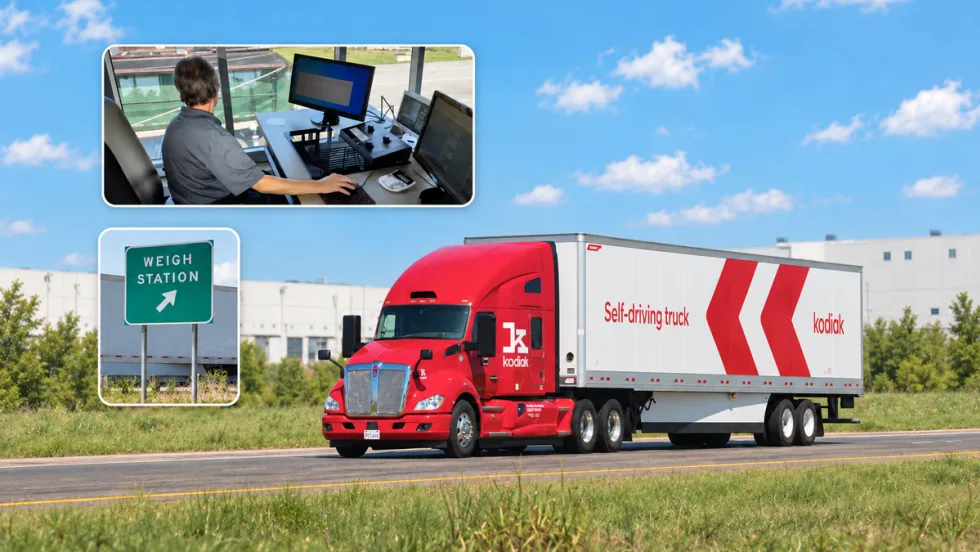
PrePass, Kodiak Connect Driverless Trucks to Roadside Enforcement
The system will allow enforcement agencies to verify Enhanced Inspection information and decide whether Kodiak’s autonomous trucks can bypass roadside screening sites.
Read More →
From One Generation to the Next: How Mentorship Builds Safer Truck Drivers
After three decades in trucking, Harold Perry shares what he's learned about driver safety, mentorship, and helping the next generation build confidence behind the wheel.
Read More →
FMCSA Pauses Biennial-Update Enforcement Amid Motus Transition
Carriers whose updates were due on or after June 1 have more time, while FMCSA works to stabilize its new registration system and warns of phishing sites impersonating its new carrier registration system, Motus.
Read More →
ZF Expands Commercial Vehicle Push in North America
ZF is expanding its North American commercial-vehicle presence with new transmission applications, electrification, trailer technology and autonomous-driving systems.
Read More →
Truck Drivers Need More Than Another Alert
Fleets have more visibility into truck health, safety events, and driver activity than ever. The next challenge is turning all that information into useful guidance for the person who has to decide what to do next.
Read More →
Tesla Wants a Self-Driving Semi. Are Cameras Enough?
Could Tesla’s camera-only autonomous driving technology work on an 80,000-pound Semi? In this commentary, HDT's Deborah Lockridge takes a look at Tesla, Cybercab, and how autonomous trucks see the road.
Read More →
What DOT’s Automated Vehicle Strategy Means for Trucking
The U.S. Department of Transportation issued a new automated-vehicle strategy that outlines plans for driverless-truck regulations, cross-state freight corridors, and federal safety standards.
Read More →
NYC Expands Speed, Pedestrian Safety Tech Across Fleet
New York City is expanding intelligent speed assistance and pedestrian-alert systems across its municipal fleet, moving the technologies from pilot programs into vehicle procurement and retrofit requirements.
Read More →
FMCSA Removes 110 Truck Driver Training Schools from Certified ELDT List
Federal regulators also are targeting more than 160 additional training providers and launching a nationwide audit of third-party CDL skills testers as part of a broader crackdown on trucking fraud.
Read More →