




Late Winter Storm Causes Travel Problems
A late-winter blanket of wet snow has been wreaking havoc across the Midwest and East Coast
A late-winter blanket of wet snow has been wreaking havoc across the Midwest and East Coast.
A storm dropped nearly 2 feet of snow in Missouri and Oklahoma over the weekend, then delivered snow, sleet, ice and rain Sunday night and Monday in the East. By Tuesday morning, up to 10 inches of snow were expected in Boston, while more than a foot had already piled up in southern Ohio, Virginia and West Virginia.
The weather was blamed for a pileup on Interstate 70 in Maryland this weekend involving more than 20 vehicles, according to published reports, including buses, tractor-trailers and at least 15 cars and trucks. None of the injuries was life-threatening.
Further south, the storm delivered rain, along with flash floods and tornado warnings. In Vinton, LA, a tanker truck carrying hydrochloric acid overturned in a heavy downpour. A 12-mile stretch of Interstate 10 was closed down.
The storm made its way into New England last night. By 3 p.m. yesterday afternoon, the brunt of the snowstorm was centered over Bangor, ME, according to The Weather Channel (http://www.weather.com). Forecasters were predicting 3 to 6 inches of snow along the coast of eastern New England.
However, the snow won’t stick around long. Temperatures are expected to warm up starting today, with spring-like temperatures by this weekend.
More Drivers
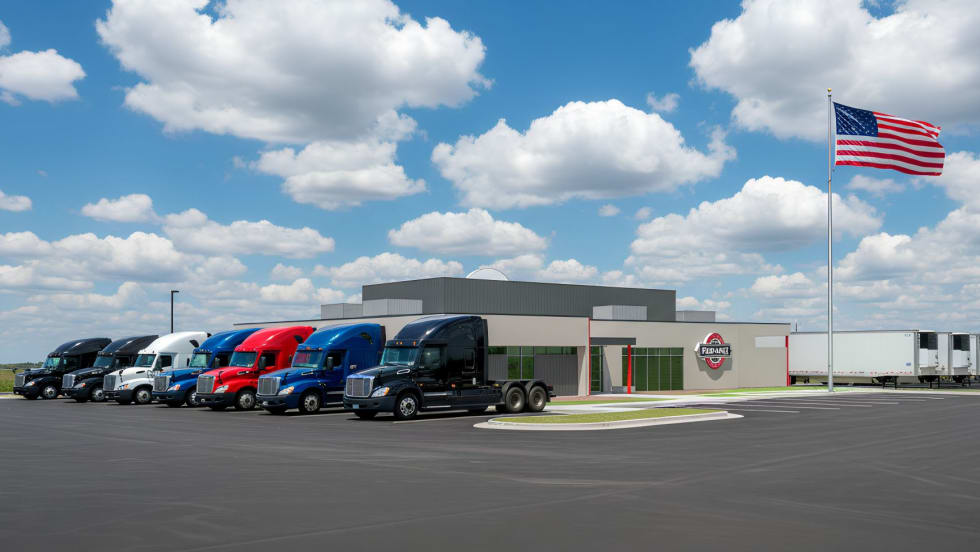
Prime Inc. to Open $7.9M Flagship Used-Truck Dealership
A new driver-focused facility to sell Prime Inc's used trucks and trailers will be the first purpose-built location in the company's history.
Read More →
Short Takes: Inside K&B’s Truck Safety Tech
Listen to learn how K&B Transportation uses cellphone-blocking technology, speed management systems, weather geofencing, bridge avoidance tools, and more to improve driver safety.
Read More →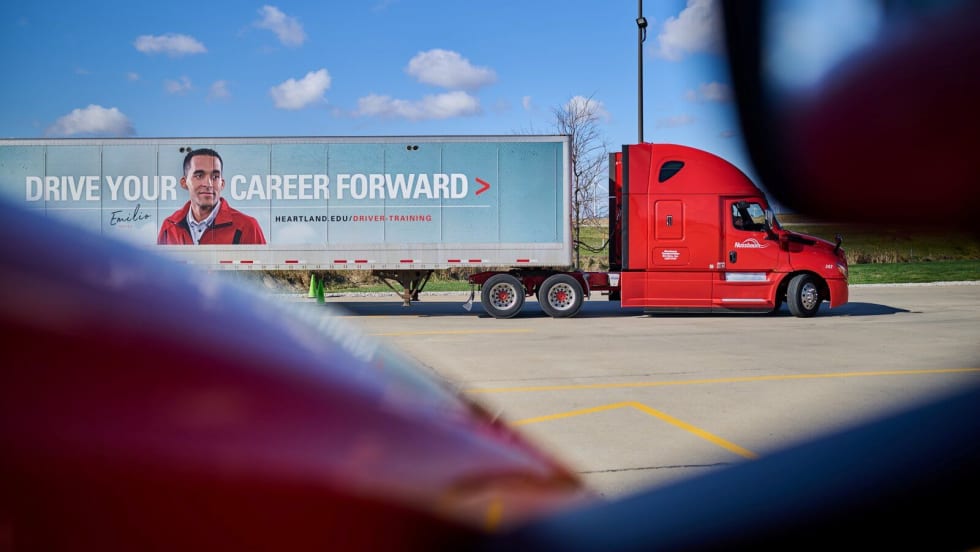
Nussbaum Expands Driver Compensation with Pay Raises, Profit Sharing
Nussbaum Transportation said its latest compensation package could push first-year driver earnings above $90,000 in key hiring markets.
Read More →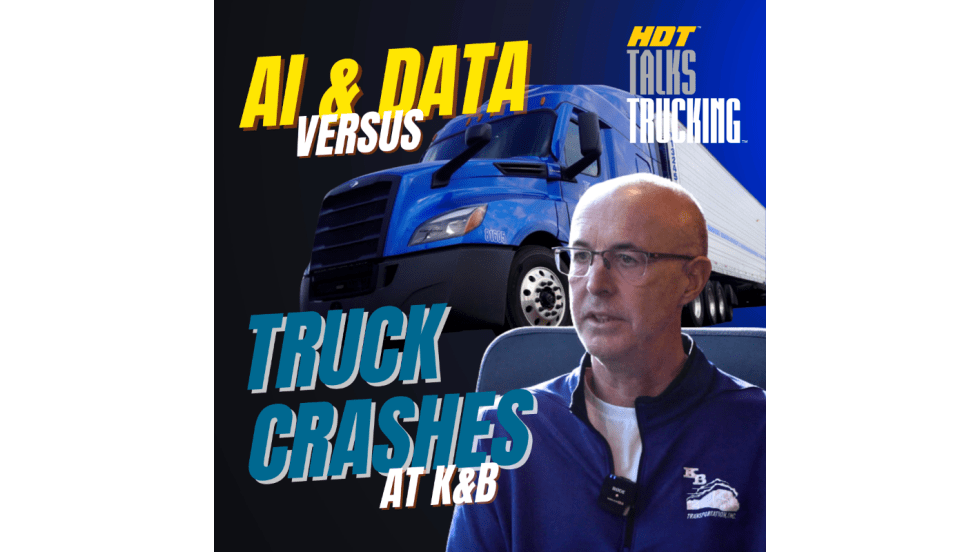
Listen: Inside Modern Fleet Safety: AI, Cameras & Speed Control at K&B Transportation
Fleet safety is evolving fast—and technology is at the center of it. Learn how a former commercial vehicle enforcement officer turned director of safety at K&B Transportation is embracing real-world safety technology.
Read More →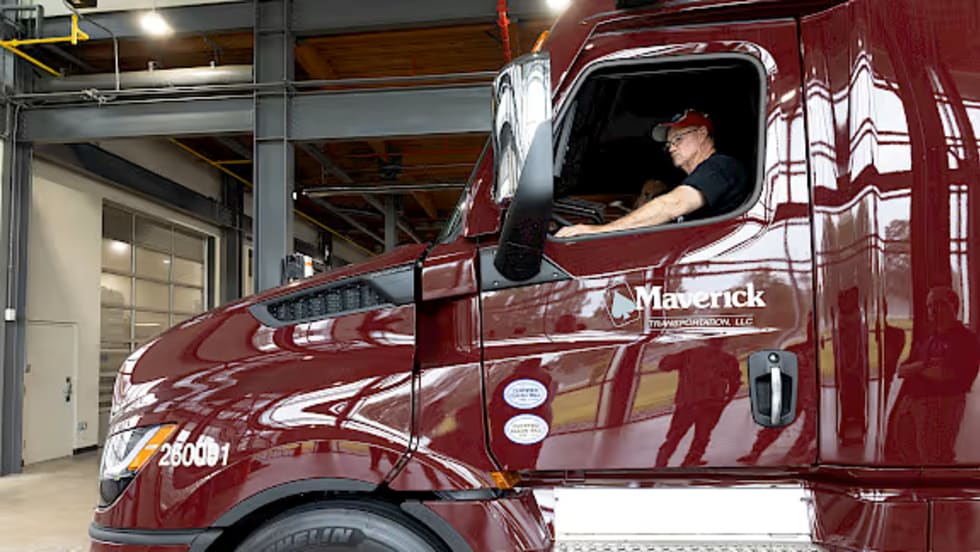
Maverick Announces 2026 Driver Pay Raises
New raises for Maverick Transportation drivers will take effect on May 31, 2026.
Read More →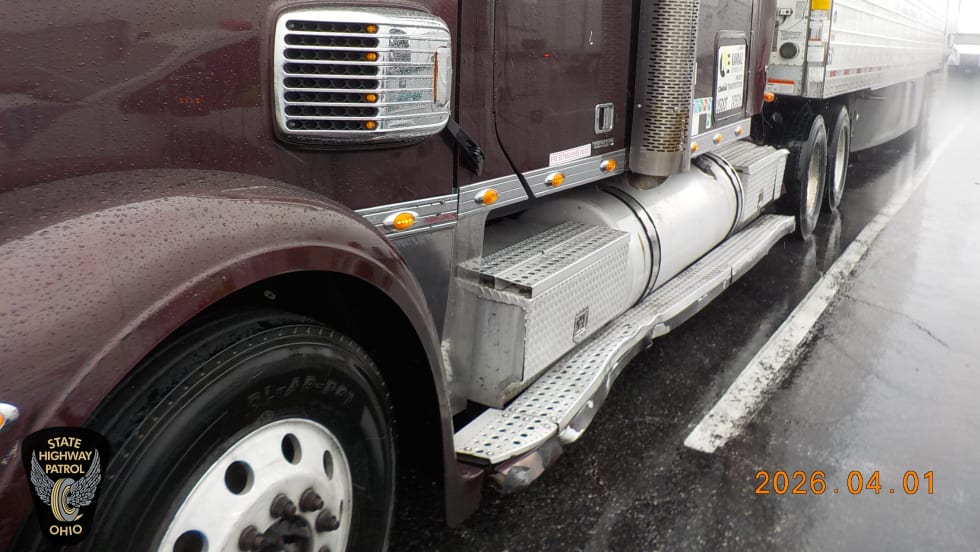
Illinois Trucker Indicted for Nearly $22,000 in Ohio Turnpike Toll Evasion
Authorities say an Illinois trucker avoided paying tolls for two years, and now faces felony charges, possible prison time, and forfeiture of his Freightliner tractor.
Read More →
New Trojan Driver Cargo Theft Scam Bypasses Carrier Vetting Systems
Cargo theft rings plant operatives as drivers inside legitimate, fully vetted carriers, then execute coordinated thefts that look like a traditional straight theft from the outside.
Read More →
WIM, Trucker Path Name Top 3 Women-Friendly Truck Stops
ATA’s Women In Motion Council and Trucker Path highlight three truck stops that meet all seven safety-focused criteria and rank highest among female drivers.
Read More →
FMCSA Extends Paper Medical Card Exemption … Again
Five states still aren't ready to accept commercial driver medical exam information directly from the medical examiner's registry.
Read More →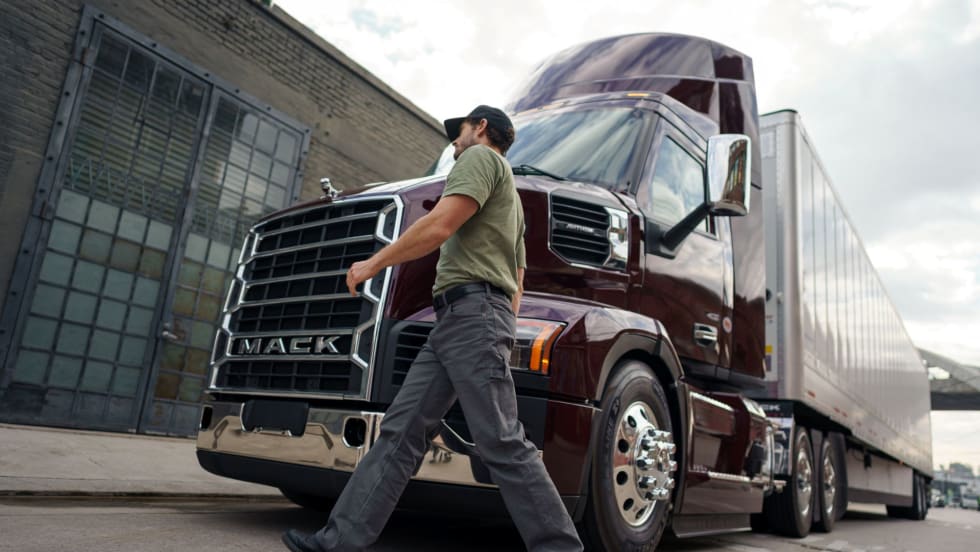
Mack Launches Digital Driver Guide for Chassis-Specific Truck Info
Mack’s new, virtual owner’s manual delivers VIN-based, on-demand guidance for vehicle systems via web, app, and soon in-cab displays.
Read More →