




J. B. Hunt Reports Revenues And Record Earnings For 3rd Quarter
J. B. Hunt Transport Services Inc., Lowell, Ark., has announced third quarter 2002 net earnings of $16.8 million, or diluted earnings per share of 42 cent
J. B. Hunt Transport Services Inc., Lowell, Ark., has announced third quarter 2002 net earnings of $16.8 million, or diluted earnings per share of 42 cents
, compared with 2001 third quarter earnings of $4.5 million, or 12 cents per diluted share. The earnings represent the highest recorded third quarter profits in the company's history.
Total operating revenue for the current quarter was $583 million, compared with $537 million during the third quarter of 2001. During the third quarter of 2002, revenue of the company's Truck segment was up 2.4%, while the Intermodal segment revenue rose 6.7% over the comparable period of 2001. Dedicated segment (DCS) revenue increased 19.3% during the current quarter.
Earnings improved significantly in the quarter as the operating leverage attributable primarily to the truck segment began to be realized to a greater degree. The truck operating ratio was 95.3% for the quarter, a 240 basis point improvement vs. the comparable period last year. The improvement in the truck business segment for the sixth quarter in a row, relative to prior years, continues a trend of reaching the company's stated objective of returning to acceptable margins. Net revenue (excluding fuel surcharges) per tractor per week improved 6.6% over the third quarter of 2001 to $2,830 per tractor per week. Rate yields continued to improve as the loaded rate per mile (excluding fuel surcharges) increased 5.2% relative to a year ago. In spite of a lackluster economy, empty miles declined significantly to 9.1% vs. 11.6% for the third quarter a year ago. The higher revenue per mile and lower empty miles are a result of the company's yield management initiatives. While the improvement is noteworthy, the company believes there is additional potential for further improvement. Better returns in the truck segment are a prerequisite for re-investment in the truckload business. The company has no plans to add capacity in the truck segment until satisfactory margins are achieved. The average number of trucks was 5,631 for the third quarter 2002 and 5,847 for the third quarter 2001.
In the intermodal segment, the operating ratio was 93.6% for the third quarter of 2002. Intermodal revenue per loaded mile (excluding fuel surcharge) was down 0.5% when compared with the same period in 2001. However, revenue per load increased by 1.3% due to a longer length of haul. Utilization of company containers as measured in turns per month improved by 7% vs. a year ago. The intermodal segment completed its container modernization program during the quarter and now has 100% 53-foot equipment.
The operating ratio for the DCS segment was 97.5% for the current quarter, a 130 basis point improvement over the same period a year ago. The increase in DCS revenue was driven by growth in the fleet of 370 tractors, new contractual arrangements and growth with existing customers. During the quarter, DCS implemented a number of new projects that effectively absorbed all excess capacity. Upwards of 300 trucks had been idle for several months. In connection with the new projects, one-time start-up costs of approximately $2 million were absorbed in the third quarter. Since revenue from the new projects ramped up throughout the quarter, the benefit of a full quarter of revenue on the new projects in the fourth quarter of 2002 and the absence of start-up costs should propel DCS to improving margins going forward.
Increasing fuel prices that are substantially offset with higher fuel surcharge revenues, but with some timing difference, and higher insurance premiums for the renewal of the company's excess liability coverage negatively impacted earnings in all segments. Significant increases in operating costs such as insurance, equipment, labor and maintenance of aging fleets for the truckload, dedicated services, and intermodal industries will continue to require increasing freight rates to foster a healthy transportation system.
Due to the lockout of West Coast dock workers during the first part of October and the subsequent return to work on Oct, 9, a shortened time frame for moving imported merchandise into place will occur during the fourth quarter of 2002. The impact to the company has been minimal to-date and the company is unable to predict what the ultimate impact, if any, will be during the fourth quarter of 2002. The effect of holiday shutdowns, fewer working trucks between Christmas and New Year's Day, and the drop-off in demand that typically occurs after Dec. 15 but which may be extended by the late start in imports, add additional complexity to predicting earnings for this year's fourth quarter. Management is encouraged by the direction and positive factors demonstrated in improving the long-term profitability of its truck and DCS business segments and believes that progress will continue into 2003.
More Drivers

How Top Trucking Fleets Improve Driver Retention [Video]
What do healthy snacks, optimized routing, and just picking up the phone have in common? They're all strategies the Best Fleets to Drive For are using to retain truck drivers.
Read More →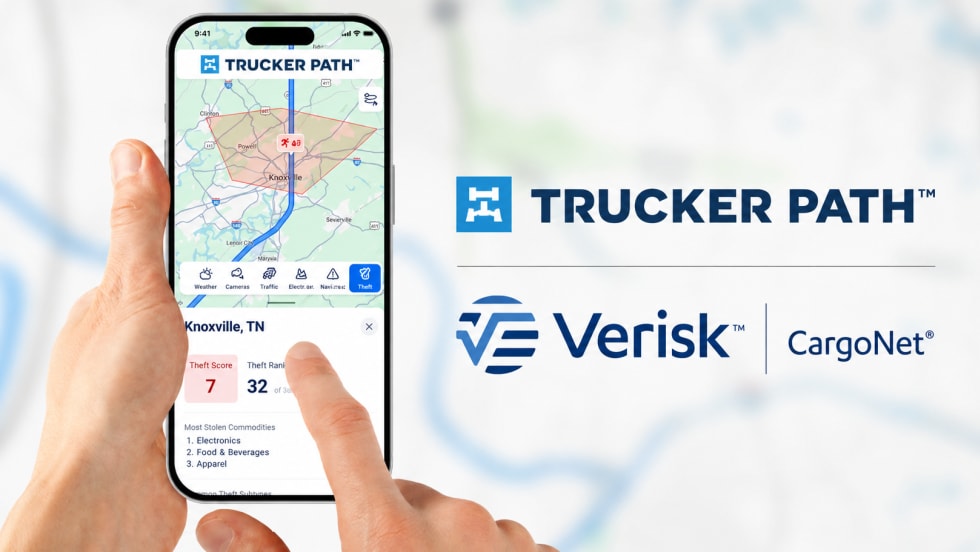
Trucker Path Adds Verisk CargoNet Theft Data to Navigation Platform
Trucker Path’s new cargo theft risk overlays give drivers and fleets visibility into high-risk areas, stolen commodity trends, and theft hotspots.
Read More →
Netradyne Intelligence Uses New AI Agents to Automate Response to In-Cab Camera Data
The company called the next-generation in-cab camera safety platform "a fundamental shift from systems that report on what happened to systems that actively drive what should happen next."
Read More →
Why Truck Detention Keeps Costing Fleets Time and Money
A 2024 ATRI study found detention affects nearly 40% of truckload stops and costs the industry more than $15 billion annually. Despite the toll on drivers, fleets, and supply chains, the problem remains stubbornly persistent.
Read More →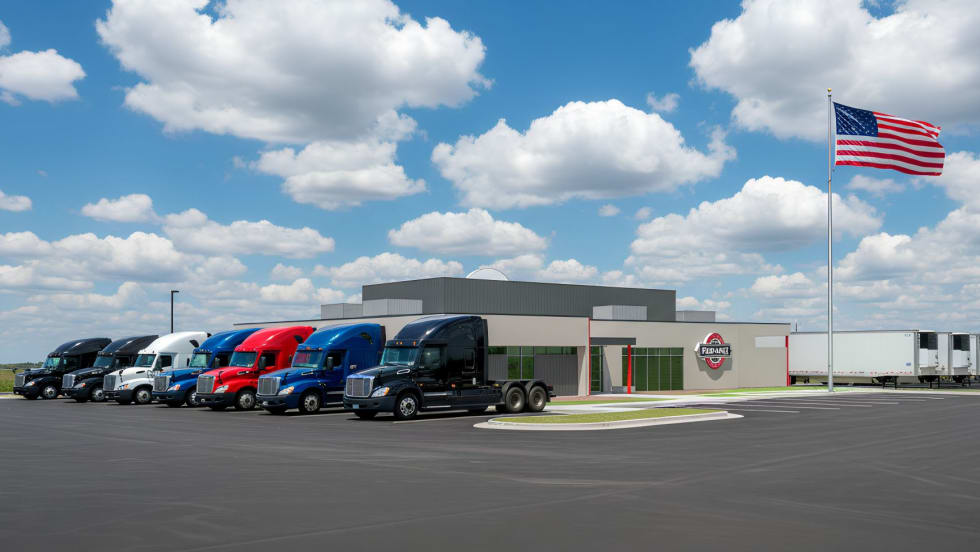
Prime Inc. to Open $7.9M Flagship Used-Truck Dealership
A new driver-focused facility to sell Prime Inc's used trucks and trailers will be the first purpose-built location in the company's history.
Read More →
Short Takes: Inside K&B’s Truck Safety Tech
Listen to learn how K&B Transportation uses cellphone-blocking technology, speed management systems, weather geofencing, bridge avoidance tools, and more to improve driver safety.
Read More →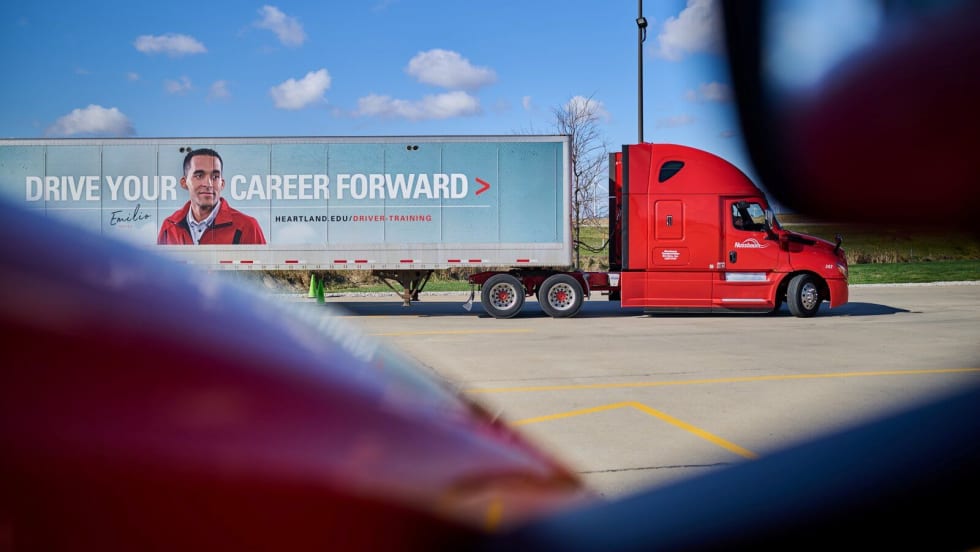
Nussbaum Expands Driver Compensation with Pay Raises, Profit Sharing
Nussbaum Transportation said its latest compensation package could push first-year driver earnings above $90,000 in key hiring markets.
Read More →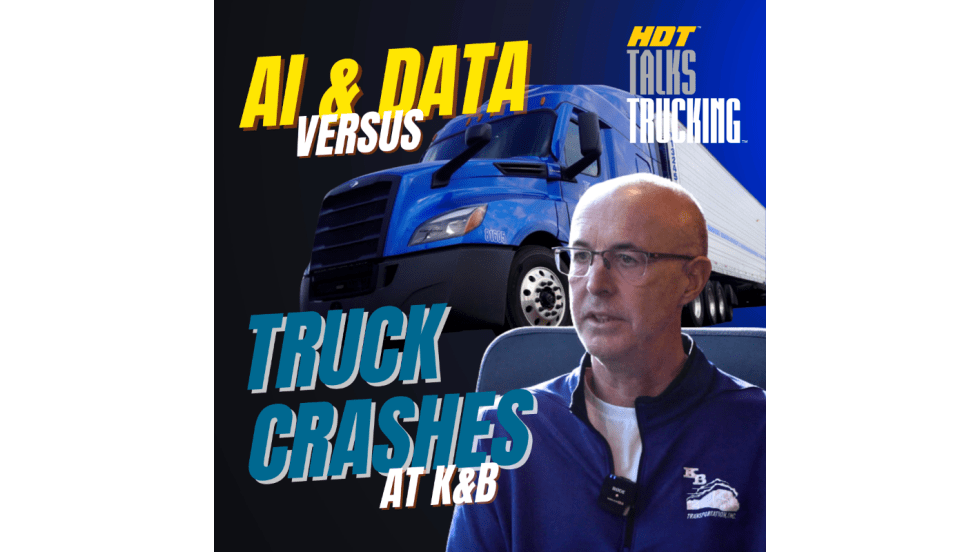
Listen: Inside Modern Fleet Safety: AI, Cameras & Speed Control at K&B Transportation
Fleet safety is evolving fast—and technology is at the center of it. Learn how a former commercial vehicle enforcement officer turned director of safety at K&B Transportation is embracing real-world safety technology.
Read More →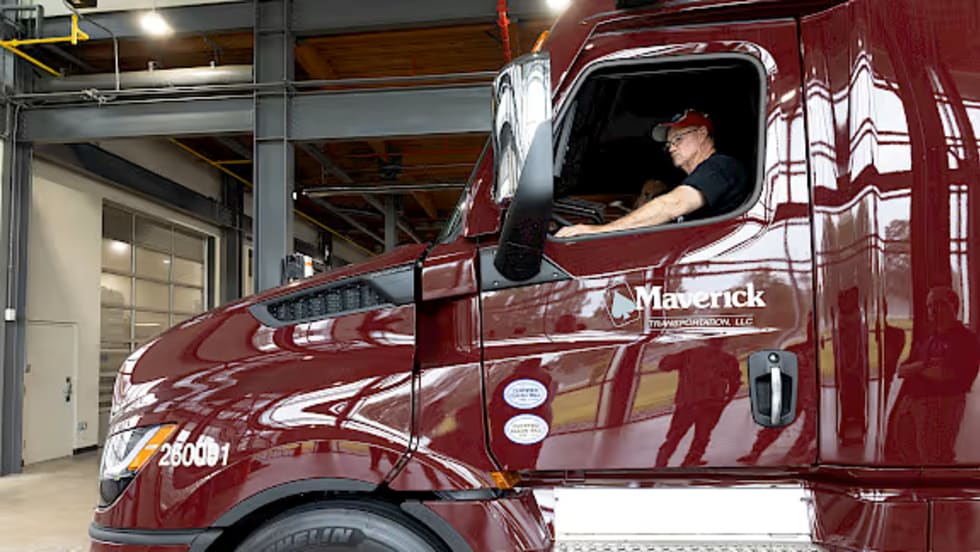
Maverick Announces 2026 Driver Pay Raises
New raises for Maverick Transportation drivers will take effect on May 31, 2026.
Read More →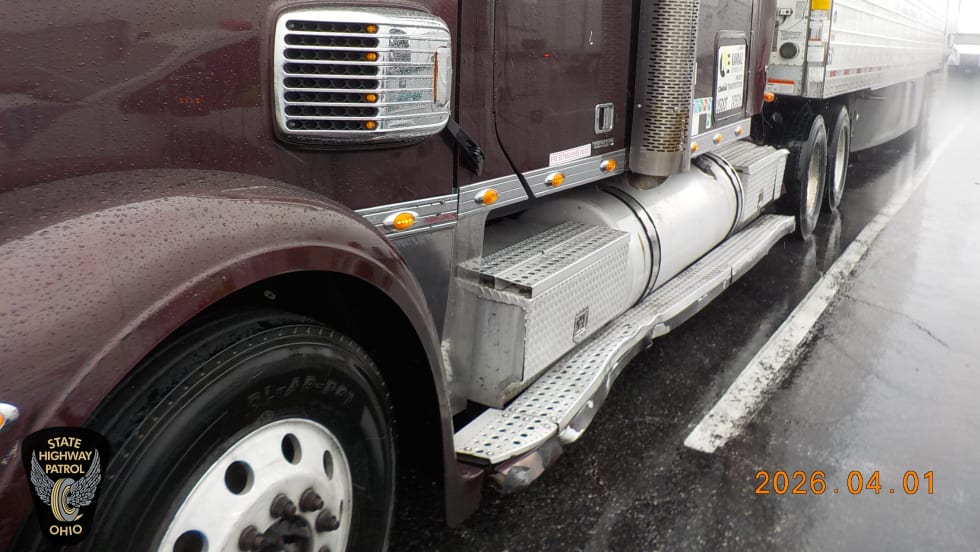
Illinois Trucker Indicted for Nearly $22,000 in Ohio Turnpike Toll Evasion
Authorities say an Illinois trucker avoided paying tolls for two years, and now faces felony charges, possible prison time, and forfeiture of his Freightliner tractor.
Read More →