




Hyundai Translead Bringing Trailer Production to U.S.
The new Hyundai Translead production sites will improve trailer and body delivery to customers by reducing lead times and leveraging a growing dealer network.

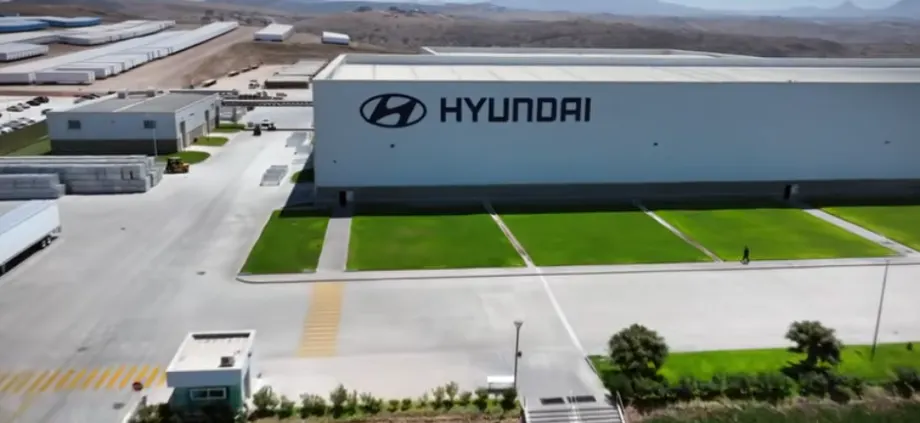
One of the reasons Hyundai Translead is bringing manufacturing to Illinois is to be closer to its customers. Its North American manufacturing is currently in Mexico.
Hyundai Translead
Hyundai Translead is expanding its trailer manufacturing to the U.S. with two facilities in Will County, Illinois, southwest of Chicago.
The company made the announcement during the Technology & Maintenance Council annual meeting in Nashville, where it also unveiled a 10-year dry van trailer, a new refrigerated body, and new smart trailer features.
While one might think that the current uncertainty in world trade might have affected the decision by the Korea-based company, officials said the expansion reflects a deliberate, long-term strategy.
The $450 million investment will increase the company’s annual capacity as it works on sustainable growth, operational efficiency, and proximity to customers. Officials said the move is aligned with Hyundai’s commitment to U.S. investment and job creation.
Hyundai Translead's New U.S. Manufacturing
The two sites will extend across 52 acres along the Des Plaines River. One site was formerly home to Caterpillar’s heavy equipment operations, which closed in 2019. The other was formerly an electric-school-bus factory for Lion Electric that closed in 2024.
The new production sites will enhance logistics capabilities and product delivery, according to the company. They will do this by reducing landed costs, lead times, and leveraging a growing dealer network.
They will also enable future product line diversification. Both locations offer capacity for future expansion.
Hyundai Translead plans to retrofit the buildings to begin producing dry and refrigerated trailers by 2027.
Hyundai Translead is a subsidiary of Hyundai Motor Company, a global automotive company headquartered in South Korea.
It is a North American manufacturer of transportation equipment, including dry and refrigerated van trailers, flatbeds, truck bodies, and dollies, through its manufacturing facilities in Mexico, established a decade ago.
More Equipment
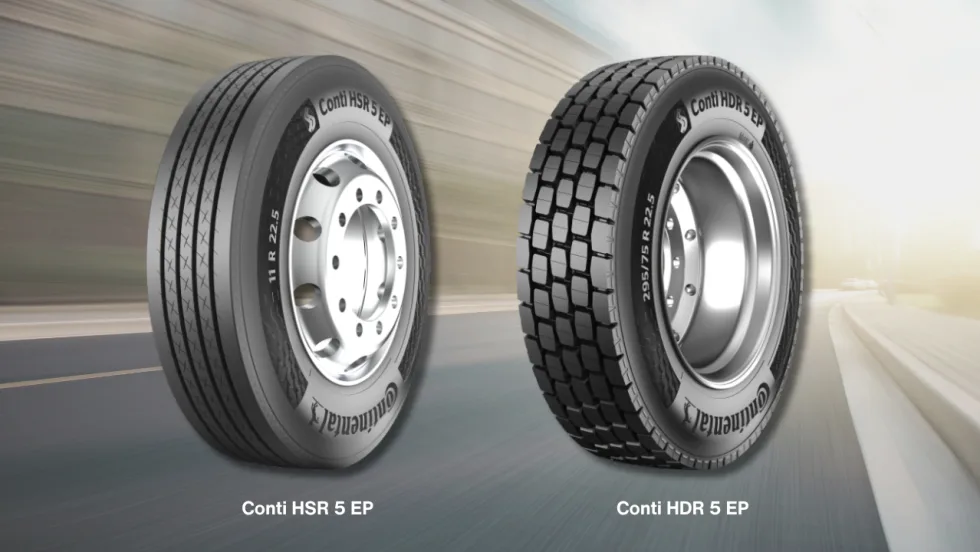
Continental Introduces New Regional Truck Tires
Continental says its new Generation 5 steer and drive tires for regional operations offer longer tread life, with estimated mileage gains of 22% and 19%, respectively.
Read More →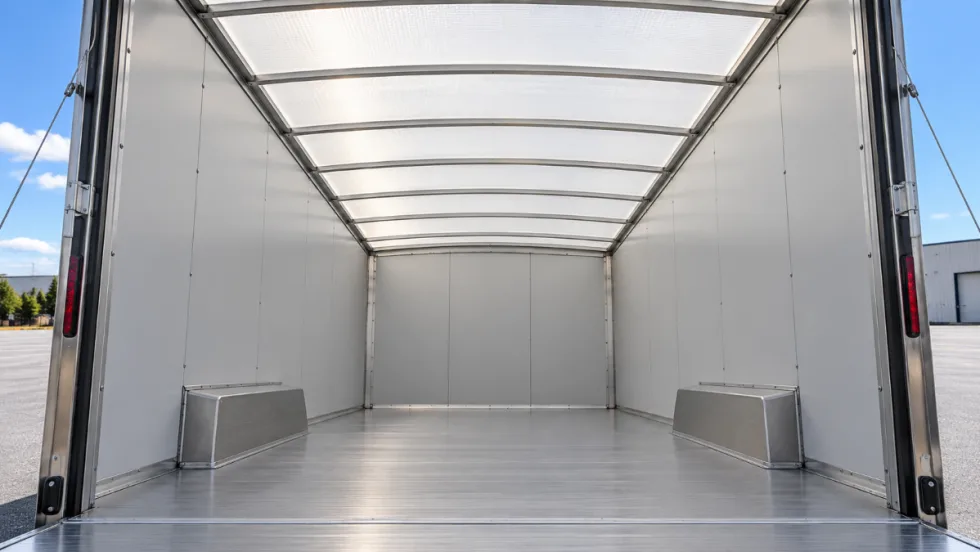
Tekmodo Introduces CargoBright Brand for Translucent Trailer Roofs
CargoBright is designed to diffuse daylight across the cargo area while performing as a working vehicle roof.
Read More →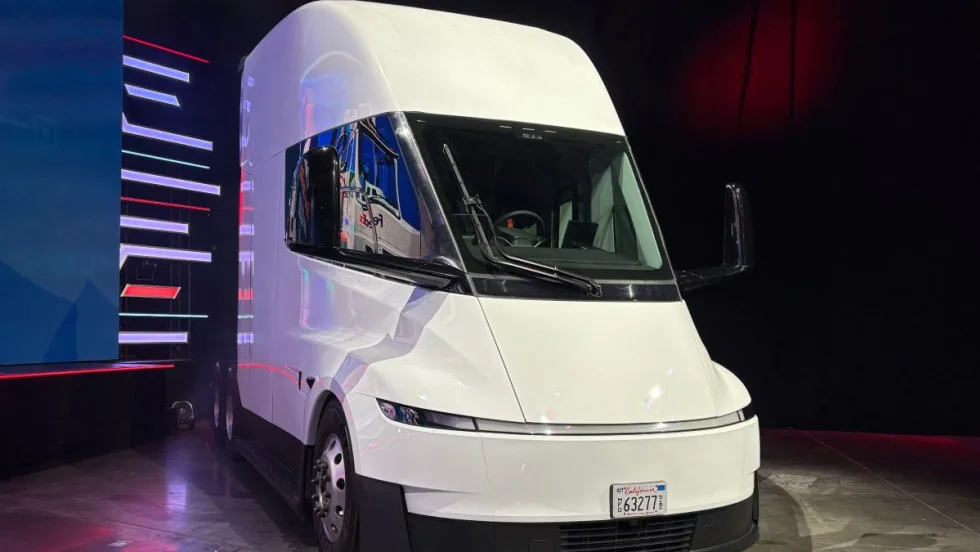
Fleet Economics Shape Electric Truck Outlook
ACT Research expects costs, charging infrastructure, and technology improvements to drive zero-emission commercial vehicle adoption as federal regulations and incentives retreat.
Read More →
Kodiak Targets Dallas–Houston for Driverless Trucks
The company says its autonomous trucks are completing the I-45 run without a safety observer taking control. It plans to remove the observer by the end of 2026.
Read More →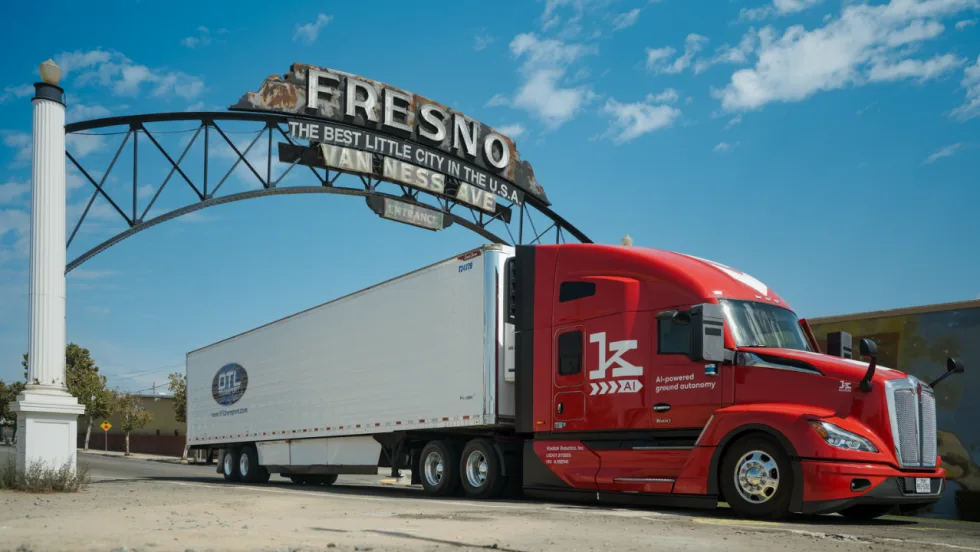
Kodiak Hauls Produce in California Autonomous Truck Pilot
Kodiak AI and DTL Transport have begun hauling produce between Fresno and Los Angeles under California’s new rules for testing heavy-duty autonomous trucks. A safety driver remains behind the wheel.
Read More →
Used-Truck Remarketing Math Is Changing
Used-truck value is no longer just a concern at trade-in. Decisions made throughout a truck’s first life can influence what it’s worth years later.
Read More →
How Volvo Updated Its D13 for EPA 2027 [Watch]
Volvo’s updated D13 promises lower emissions without sacrificing performance or fuel economy. Take a closer look at what changed inside the engine in this HDT Spotlight video.
Read More →
Michelin Tire Improves Efficiency and Durability for Regional Fleets
The Michelin X Multi Energy D2 is a regional haul drive tire engineered to help fleets improve fuel efficiency, durability and traction in demanding stop-and-go operations.
Read More →
ZF Expands Commercial Vehicle Push in North America
ZF is expanding its North American commercial-vehicle presence with new transmission applications, electrification, trailer technology and autonomous-driving systems.
Read More →
Tesla Wants a Self-Driving Semi. Are Cameras Enough?
Could Tesla’s camera-only autonomous driving technology work on an 80,000-pound Semi? In this commentary, HDT's Deborah Lockridge takes a look at Tesla, Cybercab, and how autonomous trucks see the road.
Read More →