




Hurricane Dorian Prompts Emergency Declarations Across Southeast
After pummeling the Bahamas for a few days, Hurricane Dorian has begun to move toward the Atlantic coast, prompting the FMCSA to issue a regional emergency declaration in 10 states that suspends certain trucking regulations.

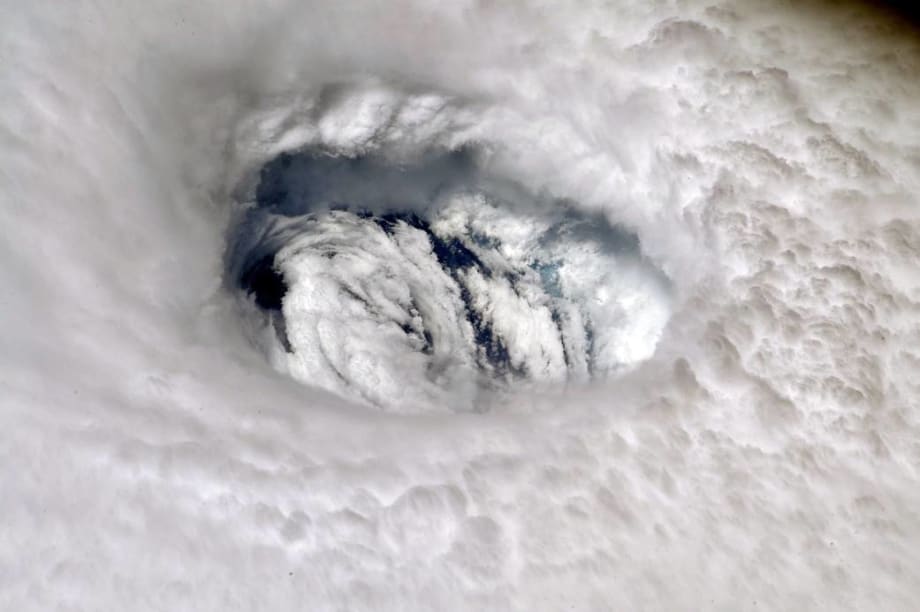
Hurricane Dorian has begun to move up the Atlantic coast, prompting the FMCSA to issue a regional emergency declaration in the region. Photo of the eye of Hurricane Dorian taken from the International Space Station.
Photo via NASA
After pummeling the Bahamas for a few days, Hurricane Dorian has begun to move toward the Atlantic coast of the U.S., prompting the Federal Motor Carrier Safety Administration to issue a regional emergency declaration in 10 states and two U.S. territories that suspends certain trucking regulations.
FMCSA has suspended Parts 390 through 399 of Title 49 Code of Federal Regulations. The suspended regulations include those concerned with hours of service, inspection, repair, and maintenance, hazardous materials transportation, driving, parking, and other health and safety standards. By lifting these regulations, FMCSA aims to ease the flow of emergency goods, fuel and aid to and from the region.
The emergency declaration covers Alabama, Florida, Georgia, Kentucky, Louisiana, Mississippi, North Carolina, South Carolina, Tennessee, Virginia, Puerto Rico, and the U.S. Virgin Islands.
At its peak, Hurricane Dorian was classified as a Category 5 Hurricane with sustained winds of over 157 mph, but after stalling over the Bahamas and bringing devastation to the island nation, the storm by the afternoon of Sept. 3 had been reduced to a Category 2 hurricane with winds of up to 110 m.p.h., according to The Weather Channel.
Dorian has yet to make landfall in the U.S. and the worst of its winds have so far remained off shore, but wind and rain is already affecting parts of Florida and gusts of 74 mph are expected.
It is still uncertain when and where the Hurricane could make landfall. Projections as of Sept. 3 project the storm missing most of Florida and Georgia before possibly making contact in the Carolinas.
Several ports in the region have closed until the storm passes, including the Jacksonville Port Authority, Ports of Miami and the Everglades in Florida, and the ports of Savanah and New Brunswick in Georgia, according to Supplychaindrive.com. The Ports of Charleston and Georgetown in South Carolina and the Ports of Wilmington and Morehead City in North Carolina are expected to close on Sept. 4.
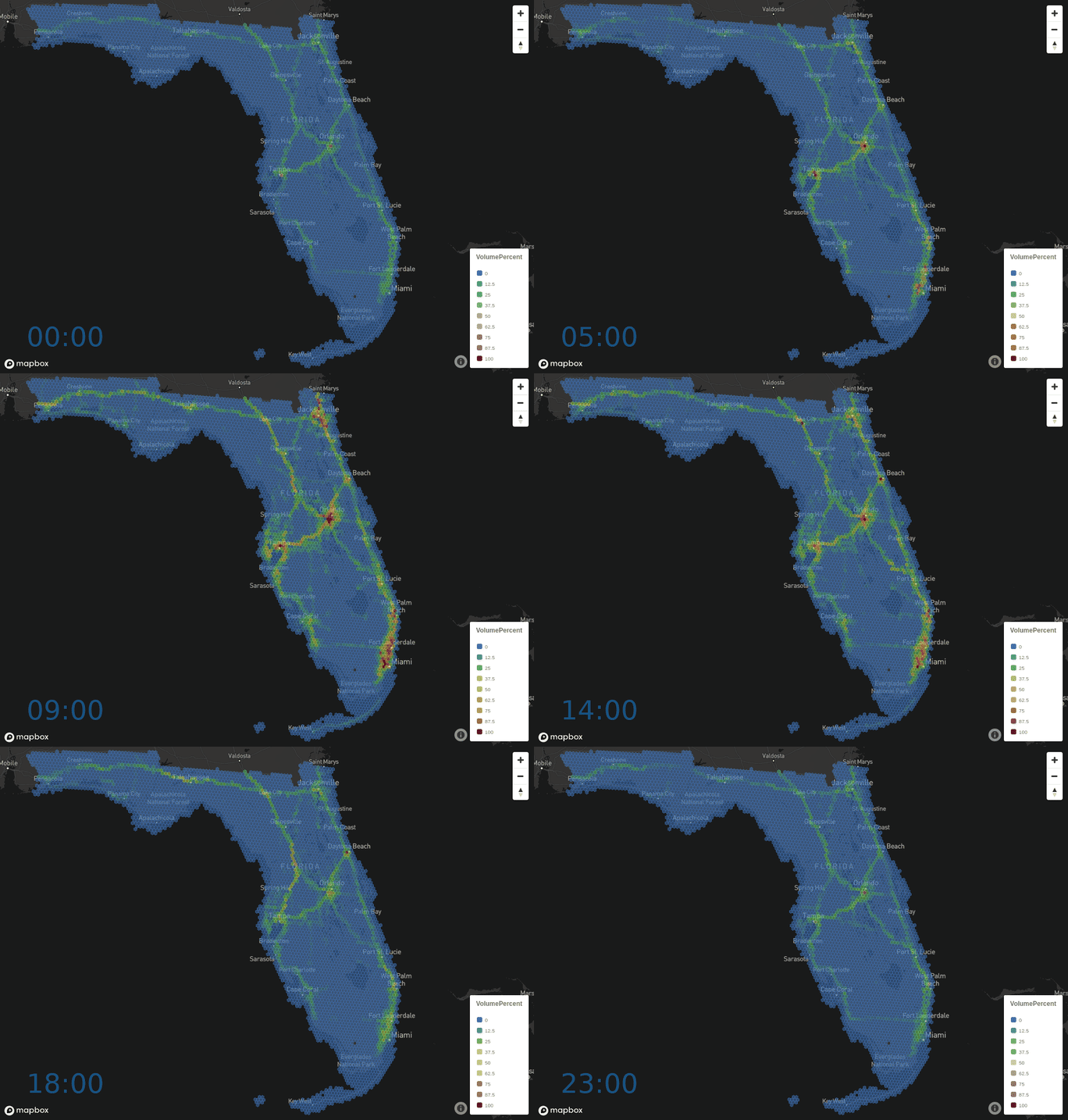
Time lapse of fleet traffic volume in Florida as Hurricane Dorian approaches.
Image via Geotab
Geotab is using data from its fleet customers to track commercial vehicle traffic volume and to see how prepared fleets in the region are for Hurricane Dorian. The percentage of vehicles with at least a half a tank of gas is approaching 50% in most parts of Florida, particularly in coastal regions, according to the company. In a blog post, Geotab stated that while fuel levels are not a complete indicator for preparedness, the company is urging its commercial fleet customers to ensure their vehicles have enough fuel to safely weather the storm.
More Safety & Compliance

Trump Administration Expands Homeland Security's Role in Trucking Enforcement
The administration's latest trucking crackdown goes beyond roadside inspections, expanding Homeland Security's role in commercial vehicle enforcement and investigations involving CDL training schools.
Read More →
Paccar Recalls 2027 Trucks Built This Summer for Possible Electrical Problem
The nearly 6,000 Kenworth and Peterbilt trucks in the recall could potentially lose engine power, among other things.
Read More →
Brake Safety Week to Focus on Drums and Rotors
Commercial vehicle inspectors will be focusing on brakes during CVSA's Brake Safety Week, August 23-29.
Read More →
Trump Administration Looks to Put More Veterans Behind the Wheel
The Freedom Haulers program pulls together existing and expanded programs at several federal agencies to recruit veterans to drive commercial heavy-duty trucks and cut the red tape for them to get a CDL, training, and employment.
Read More →
$604 Million Verdict Tests Broker Liability After Supreme Court Ruling
C.H. Robinson plans to appeal after a Texas jury found it bore the largest share of responsibility for a fatal 2021 crash, in a case that follows the Supreme Court's Montgomery decision allowing negligent hiring claims against freight brokers.
Read More →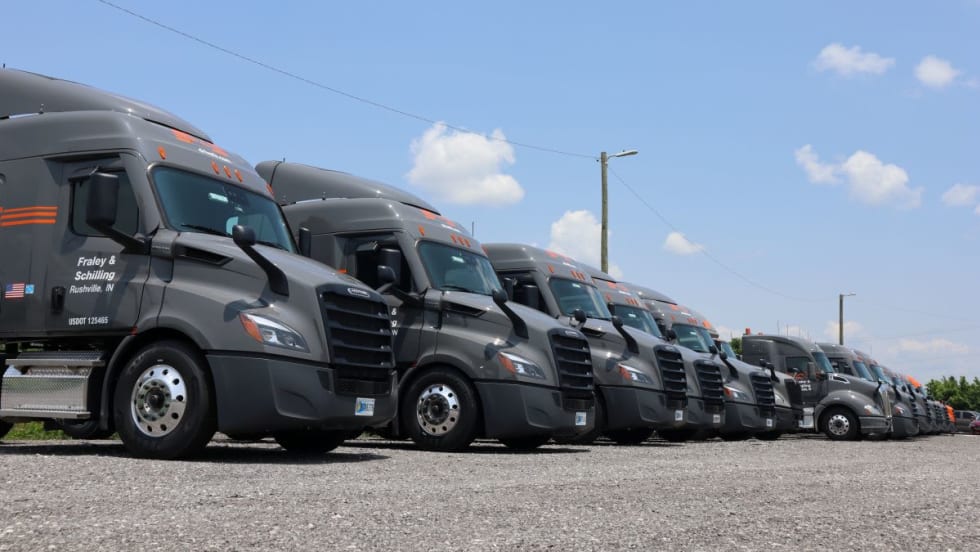
How Fraley & Schilling Improved Logbook Compliance by Over 50%
Fraley & Schilling needed a way to close a compliance workflow gap in its ELD system without adding more work from driver training, reminders, and back-office follow-ups. It found the answer in a custom driver app.
Read More →
Farewell, CDL: Why I'm Giving Up My Commercial Driver's License
After more than 20 years as a CDL holder, HDT Executive Editor Jack Roberts is letting his commercial license expire. Not because he wants to — but because trucking's nuclear verdict crisis has made the risks of public-road test drives too great for editors, manufacturers, and everyone involved.
Read More →
Enhance Fleet Performance with High-Efficiency Auxiliary Power Units
Drive sustainable cost savings while increasing driver comfort during short- and long-haul logistics operations.
Read More →
Wabash Trailers Recalled for Improperly Installed Underride Guards
More than 900 Wabash dry van trailers may not comply with the Federal Motor Vehicle Safety Standard for rear impact guards.
Read More →
Why K&B Trucking Is Embracing AI and Driver Safety Technology
Crunching data and embracing artificial intelligence are key in K&B Trucking's safety efforts, says the company's safety director.
Read More →