




Holland Driver Keith Fielding Travels Three Million Accident-Free Miles
Holland professional driver Keith Fielding achieved the accomplishment of driving over three million consecutive miles without a single preventable accident.
Holland professional driver Keith Fielding achieved the accomplishment of driving over three million consecutive miles without a single preventable accident.
To put this in perspective, the distance he has driven is equivalent to driving from San Francisco to New York City 1,030 times in a row or is equivalent to making over six consecutive round trips to the moon—all without a preventable accident.
Fielding will be honored for his achievement at the Holland Dayton service center beginning with a police escort into the facility and including a celebratory gathering of family, friends and co-workers.
Fielding joined Holland in 1984 and averages approximately 12,000 miles a month driving between Dayton, Ohio and Joliet, Ill.
"I figured out long ago that it is important to be safe at what you do," said Fielding. "It snowed over twelve inches my first night on the road. I had great driving teachers so smart safety practices just became a habit."
He added, “Any driver can be accident-free. You just have to be a bit more patient and more observant. We receive the necessary training. When behind the wheel, I just keep thinking about staying safe and driving the way I was trained. I accept the weather and road conditions as a given and focus on being the safest I can be.”
Fielding joins a select group of only two other active Holland drivers to have achieved the elite status of driving over three million miles without a preventable accident. In addition, there are 420 active Holland drivers on the road who have reached the safety milestone of driving over one million consecutive miles without a preventable accident and 139 active Holland drivers who have reached more than two million consecutive miles without a preventable accident.
More Safety & Compliance
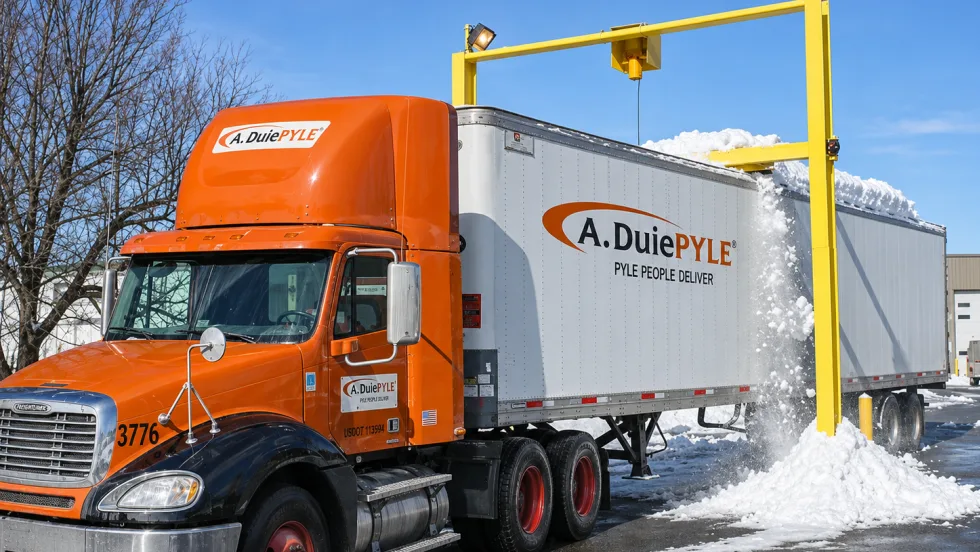
Truck Snow Removal: Fines Aren't the Only Risk
Delaware and Maryland are the latest states to add requirements and fines for snow and ice removal on commercial trucks. But a flying-ice accident could cost a fleet more than a citation.
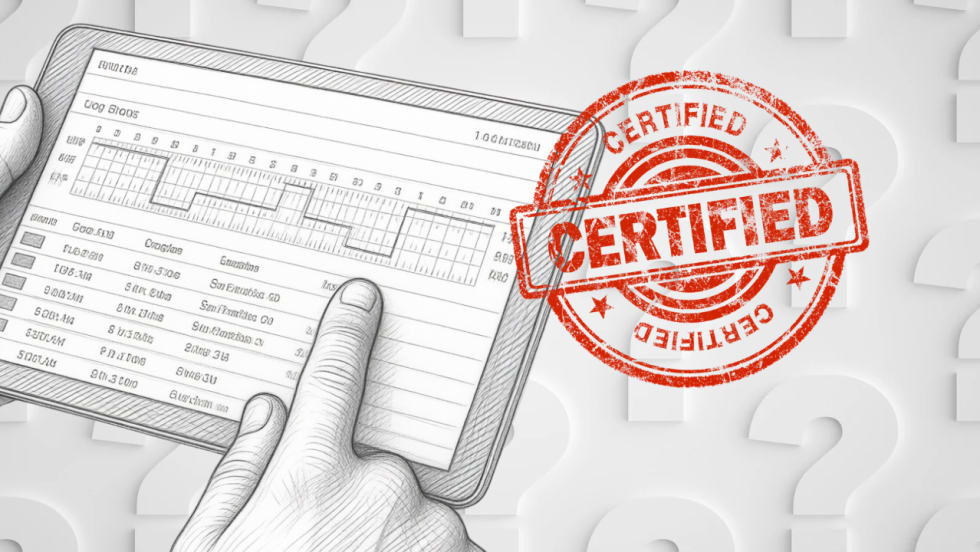
How ATA Wants to Fix ELD Certification
ATA's new roadmap calls for independent ELD certification, better fraud detection and closer oversight of providers. Here's how the proposed system would work.

Daimler, Paccar Recall Trucks Over Driveline Defect
Nearly 4,900 Freightliner, Western Star, and Kenworth trucks are being recalled because a missing snap ring could allow the driveline to separate from the truck.
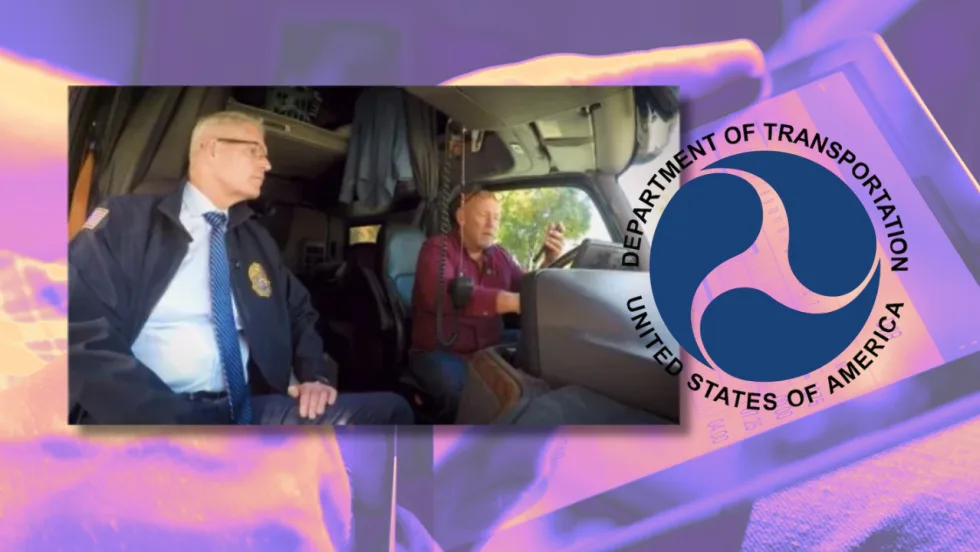
133 ELDs Revoked as ATA Pushes Certification Reform
FMCSA just removed a record number of electronic logging devices from its registry. ATA says it's time to rethink how ELDs get approved in the first place.

CVSA Sets 2027 International Roadcheck Dates
The annual 72-hour truck inspection blitz will take place May 11–13 across North America. Here's what fleets can expect and what inspectors found during the 2026 event.

FMCSA’s New Complaint Platform Makes It Easier to Report Trucking Safety Concerns
The FMCSA Complaint Center features expanded complaint categories and a name change away from the word "consumer."

FDA Eases Path for Oral-Fluid Testing
Federal actions could advance oral-fluid drug testing for truck drivers, but lab certification delays and marijuana rescheduling questions remain.
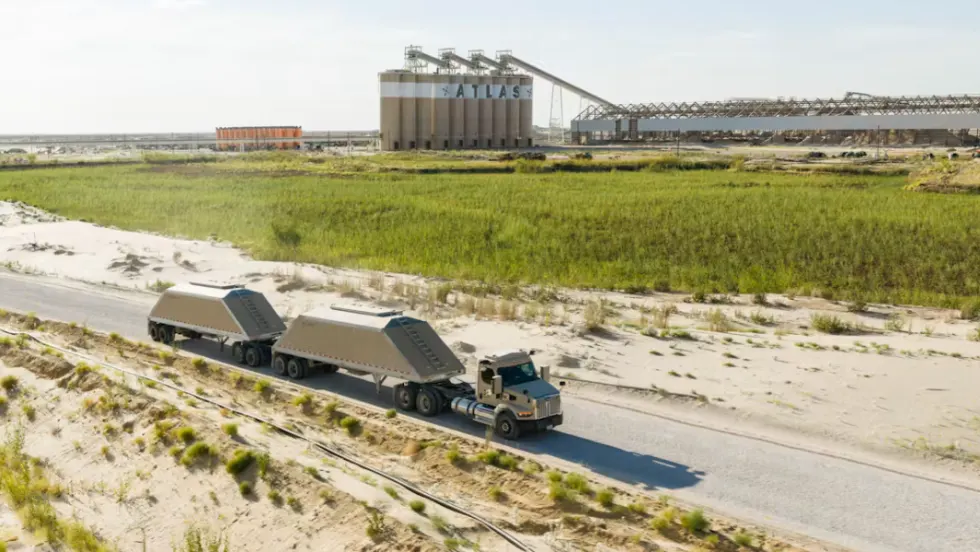
Kodiak Lines Up Fleets for Driverless Trucking
An agreement for 75 trucks, a new Texas freight lane, and progress on safety validation move Kodiak closer to its planned driverless highway launch.
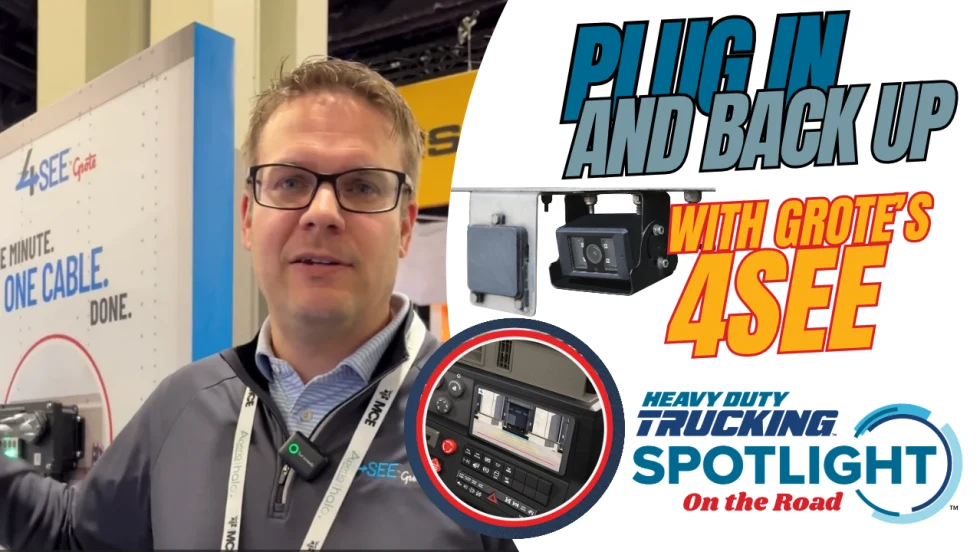
More Trailer Data Through the Same Seven-Way [Video]
Can trucking’s standard seven-way connector handle more cameras and trailer data? Grote’s Adam Slade shows HDT how the company is using new technology with its 4See trailer system, not only to add a new backup camera but also to expand other capabilities — without adding another connection.

PrePass Intelligence Mines Fleet Bypass, Toll and Safety Data
PrePass Intelligence helps fleets measure bypass savings, flag potential toll overcharges, and spot suspicious transactions by combining data from separate systems.