




Heavy Commercial Vehicle Demand Strong Outside of United States and Canada
Global demand for heavy commercial vehicles exceeded 1.7 million units during the first six months of the 2010 calendar year, an increase of nearly 50 percent from the comparable period in 2009, according to R.L. Polk & Co
Global demand for heavy commercial vehicles exceeded 1.7 million units during the first six months of the 2010 calendar year, an increase of nearly 50 percent from the comparable period in 2009, according to R.L. Polk & Co.
Heavy commercial vehicles are defined as vehicles designed and equipped to carry a payload greater than 3.5 tons.
While demand for heavy commercial vehicles in the United States and Canada is slowly improving over industry declines since 2007, demand for heavy commercial vehicles in the rest of the world, especially in China and India, is increasing at a significant rate, the company says. Approximately 88 percent of the demand for these vehicles is outside of the United States and Canada.
The increase in demand for the first six months of 2010 versus the same period last year is a result of strong heavy commercial vehicle demand in a variety of markets, including: India (+84 percent), China (+66 percent) and Russia (+65 percent). Brazil had an increase in demand for heavy commercial vehicles of 64 percent versus the same five month period of 2009 (six month data is unavailable).
Other top markets include Indonesia, South Korea, Germany, France and the United Kingdom.
Chinese manufacturers led the market with four of the top five brands in the first six months of 2010, in the following order: Dongfeng Motor Group, followed by JAC Wanfa Limited, First Auto Works (FAW) and China National Heavy Duty Truck Group (HOWO). The fifth manufacturer is India-based Tata. The first Western manufacturer to be included in the ranking was Mercedes-Benz at number six.
More Equipment

Volvo Unveils New VNX Heavy-Haul and Vocational Truck
Volvo Trucks has launched the VNX, a new vocational truck also available as a tractor in day cab and two sleeper configurations, with one heavy-haul model. The Volvo VNX is powered by Volvo's D13 platform, which delivers up to 540 horsepower and 1,950 pound-feet of torque and is EPA 2027-compliant.
Read More →
How GP Transco Cuts Trucking Fuel Costs, a Tenth of a Gallon at a Time
What’s another tenth of a mile per gallon worth? GP Transco shares how equipment upgrades and driver coaching turn small gains into meaningful fuel savings.
Read More →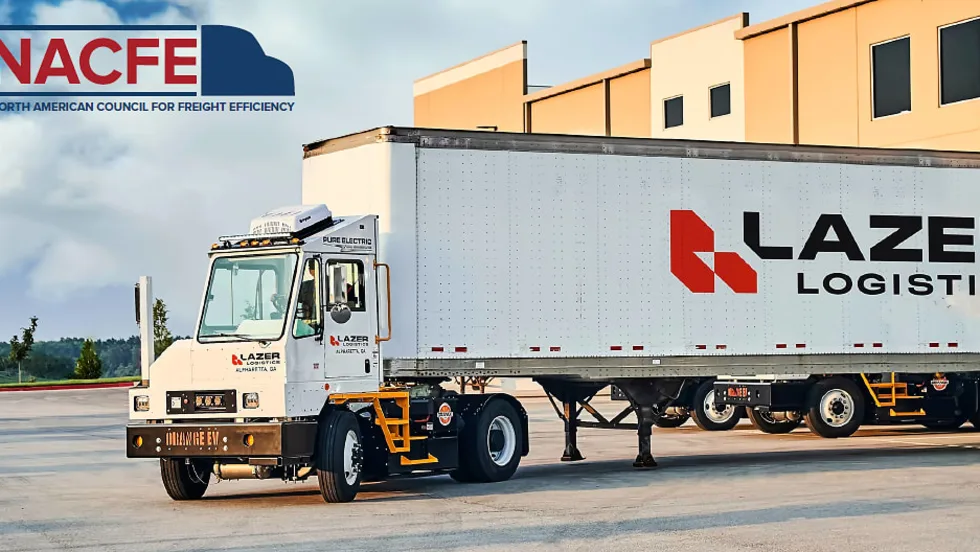
Electric Yard Tractors Move Beyond Pilots
Operating-cost savings have overtaken sustainability goals as the leading reason surveyed fleets are adopting battery-electric terminal tractors, according to new NACFE research.
Read More →
Continental Introduces New Regional Truck Tires
Continental says its new Generation 5 steer and drive tires for regional operations offer longer tread life, with estimated mileage gains of 22% and 19%, respectively.
Read More →
Tekmodo Introduces CargoBright Brand for Translucent Trailer Roofs
CargoBright is designed to diffuse daylight across the cargo area while performing as a working vehicle roof.
Read More →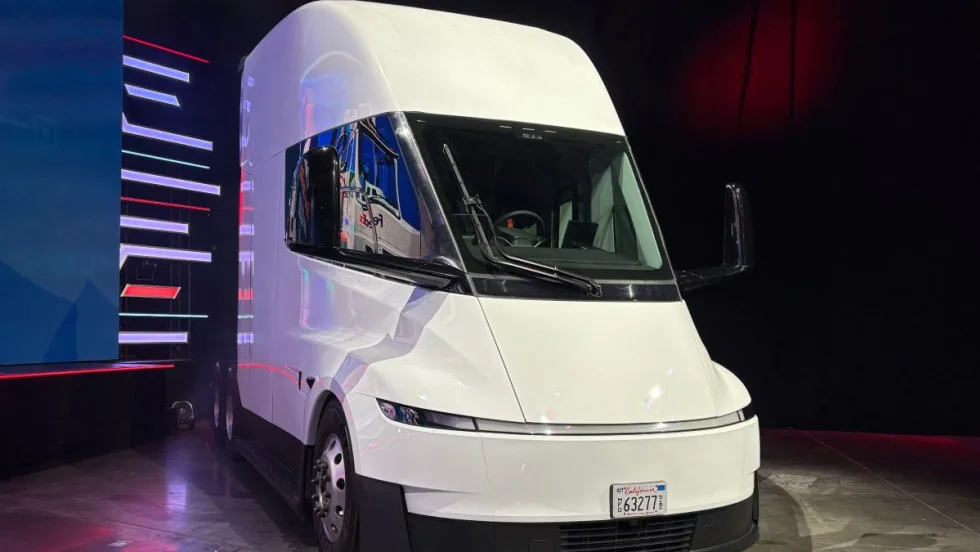
Fleet Economics Shape Electric Truck Outlook
ACT Research expects costs, charging infrastructure, and technology improvements to drive zero-emission commercial vehicle adoption as federal regulations and incentives retreat.
Read More →
Kodiak Targets Dallas–Houston for Driverless Trucks
The company says its autonomous trucks are completing the I-45 run without a safety observer taking control. It plans to remove the observer by the end of 2026.
Read More →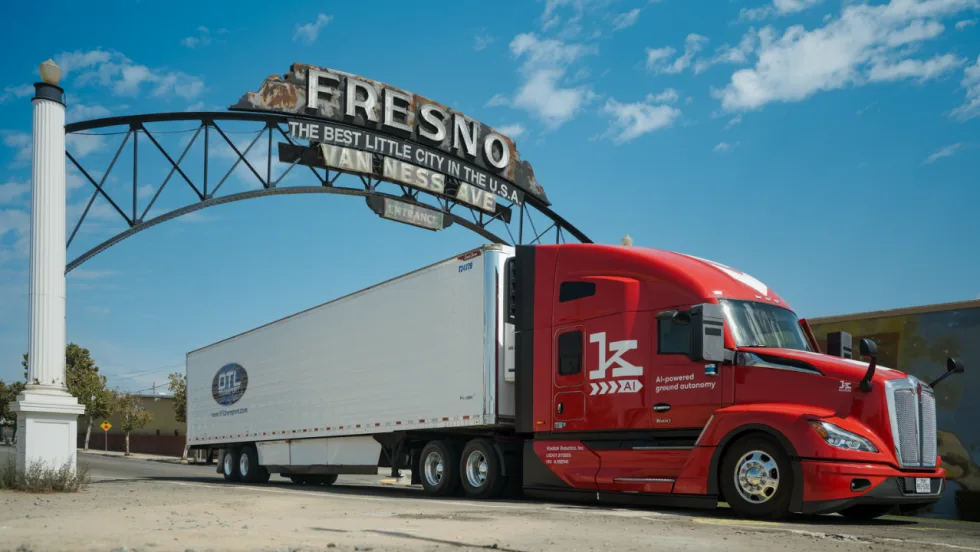
Kodiak Hauls Produce in California Autonomous Truck Pilot
Kodiak AI and DTL Transport have begun hauling produce between Fresno and Los Angeles under California’s new rules for testing heavy-duty autonomous trucks. A safety driver remains behind the wheel.
Read More →
Used-Truck Remarketing Math Is Changing
Used-truck value is no longer just a concern at trade-in. Decisions made throughout a truck’s first life can influence what it’s worth years later.
Read More →
How Volvo Updated Its D13 for EPA 2027 [Watch]
Volvo’s updated D13 promises lower emissions without sacrificing performance or fuel economy. Take a closer look at what changed inside the engine in this HDT Spotlight video.
Read More →