




Greenspan Senate Address Offers Hope for Beleaguered Trucking Industry
Tuesday's economic news read like a Dickens novel: It was the best of times, it was the worst of times

Alan Greenspan
Tuesday's economic news read like a Dickens novel: It was the best of times, it was the worst of times.
The day began with news from the federal government that retail sales in January increased 7/10 of 1 percent, following a dismal increase of just 1/10 of a percent in December. The news surprised some analysts, who were forecasting less of an uptick in retail sales.
"Any time consumers pick up spending more than expected, it's a good thing," says American Trucking Assns. Chief Economist Bob Costello, "because it will take away from inventories and lead to more truck shipments."
Tuesday morning before the U.S. Senate Banking Committee, Federal Reserve Chairman Alan Greenspan said one of the real keys to picking up the U.S. economy is clearing out a backlog of inventories from manufacturers. He said once this is done, and fuel prices start to decline (both of which he is predicting), consumer confidence should pick up.
But during his semiannual economic report to the Senate, Greenspan cautioned things could get worse before they get better. When asked during the hearing if the U.S. economy was in a recession, he replied, "at the moment, we are not."
However, "for the period ahead, downside risks predominate,'' Greenspan said, including the question of whether consumer confidence, which has fallen sharply, bounces back.
He also signaled that the central bank stood ready to cut interest rates for a third time this year if needed. Inflationary fears, which led to rate increases last year, are not an immediate concern, he said.
While many news organizations tended to focus on Greenspan's prediction that there could be a further slowdown this year, many downplayed his hints that the light at the end of the tunnel may be only six months away, with headlines such as "Greenspan Sees 'Downside Risks.'"
Greenspan had three main reasons for optimism: One, retail sales posted an increase in January. Two, Greenspan, along with the Oil Price Information Service, are forecasting fuel prices will start to ease. And three, once manufacturers begin to clear out excess inventory that built up during a disappointing fourth quarter last year, consumer demand and sales will finally catch up.
"When businesses have to work off those inventories, they don't need as many trucking shipments, so in the immediate term that's the bigger concern," said Costello. "But in the long term, we need more interest rate decreases. Six to eight months down the road, we will be looking at a brighter picture."
Greenspan's optimism didn't extend from Washington to Wall Street. A more than 2-1/2 percent surge in the NASDAQ composite index yesterday was wiped out, because some investors felt the fed won't cut interest rates as much or as quickly as they had hoped. That hope will have to wait until next month, when the fed is scheduled to meet on March 20, in what many are hoping will result in another rate cutting announcement. Many analysts are expecting another half percentage point cut.
More Fleet Management
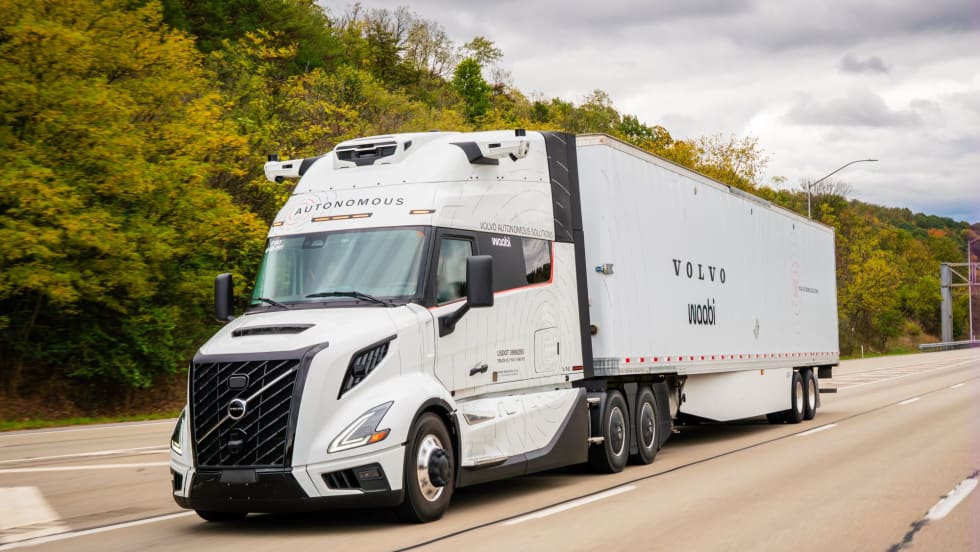
Volvo, Waabi Start Commercial Autonomous Operations in Texas
Volvo VNL Autonomous trucks, powered by the Waabi Driver, are hauling freight directly to third-party facilities for a customer in Texas.
Read More →
Samsara Launches Custom AI Agent Builder
Agent Studio lets fleets create AI tools for hours-of-service monitoring, reporting and driver support, including agents that communicate by phone.
Read More →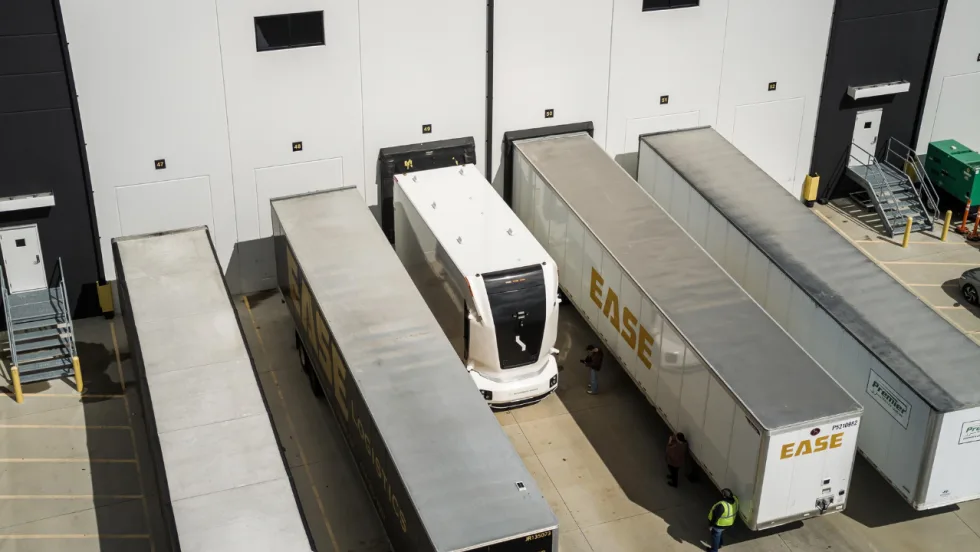
Einride Driverless Electric Trucks Begin Daily Freight Operations in Ohio
Two cabless electric trucks are hauling freight between EASE Logistics facilities in Marysville, Ohio, as part of a multi-state truck automation project.
Read More →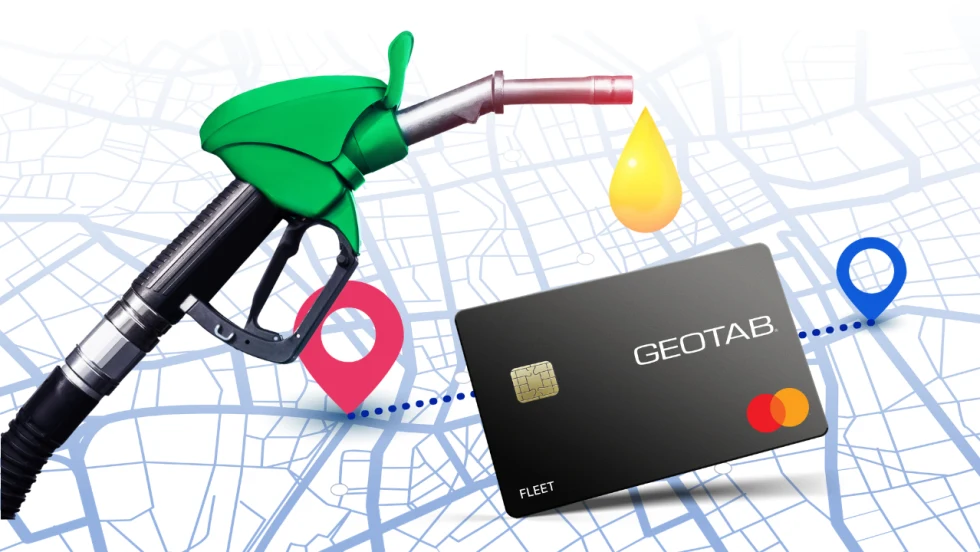
Geotab Links Fleet Card to Vehicle Data
The new card combines fuel discounts with telematics-based purchase controls. Geotab’s analysis also points to potential savings from choosing lower-priced fuel stops.
Read More →
How MFA Helps Protect Trucking Fleets
Multi-factor authentication adds protection when passwords are stolen. Here’s how it works and where fleets should start.
Read More →
How Better Freight Data Helps Trucking Teams Get Ahead of Disruption
Trucking and logistics teams have plenty of data. The problem is getting the right information in front of the right people soon enough to act. Better-connected data can help teams spot trouble earlier and make smarter decisions before small problems become big ones.
Read More →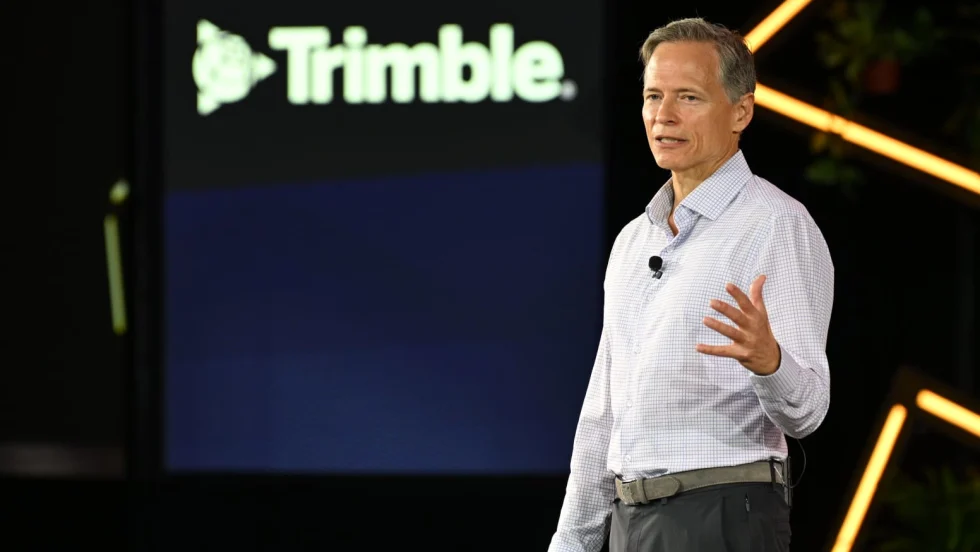
Trimble: Taking Artificial Intelligence in Trucking Beyond Faster Tasks
At Insight 2026, Trimble executives argued that fleets may need to redesign workflows to get more from AI as it introduced new products and enhancements. AI’s value will depend on how fleets combine automation with their people's knowledge.
Read More →
Build a bulletproof fleet: Uniting ELDs and dash cams for total compliance
An ELD can prove compliance, but it cannot always prove what happened on the road. Discover how uniting accurate ELD data with AI-powered dash cam video can help your fleet strengthen compliance, defend against liability, protect drivers and reduce operational costs.
Read More →
Nominations Open for HDT Emerging Leaders
Heavy Duty Trucking is looking for accomplished trucking fleet professionals under 40 who are making an impact and helping lead the industry forward.
Read More →
Why Private Fleets Are Taking More Freight
Private fleets are putting their own trucks on demanding customers and high-cost lanes as companies seek greater control over service, costs, and capacity.
Read More →