




FTR State of Freight: Steady Growth, Capacity Tightening
FTR's Noel Perry discussed the role of regulatory shocks in capacity and freight rates, plus the economic backdrop to what's going on in the industry, in FTR's recent State of Freight conference call.

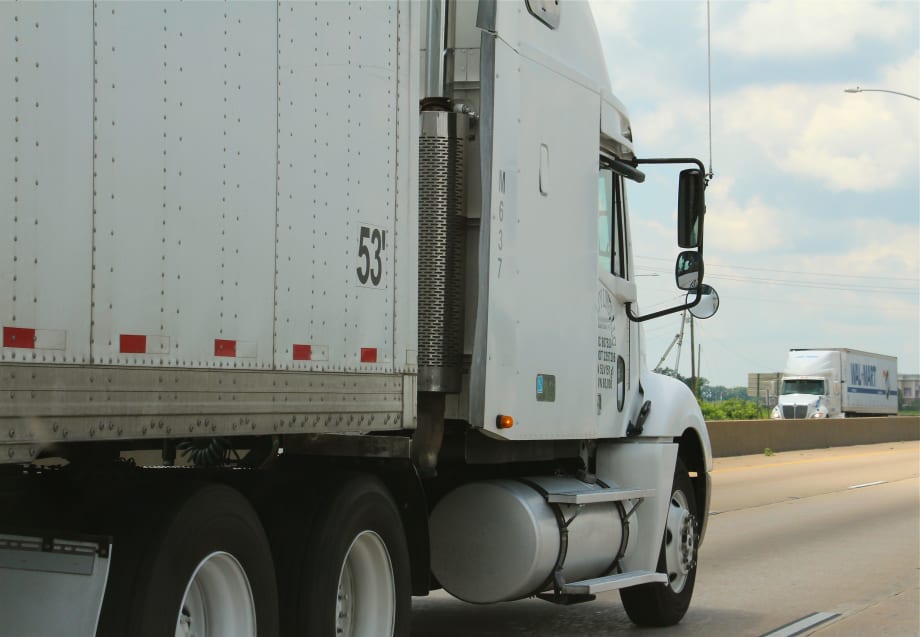
Photo by Evan Lockridge

Regulatory shocks such as the recent change in hours of service regulations are tough on trucking, but they do tend to lead to the ability of fleets to raise rates. If the Federal Motor Carrier Administration actually promulgates the kind of regulations they say they want to, the industry can expect more shocks, perhaps a batch of them by the end of 2014.
That was a key point made by Noel Perry, managing director and senior consultant with FTR, in the company's "State of Freight" conference call last week.
"Additional hires are going to be required by FMCSA changes," he said. "If federal agencies do what they say they're going to do, by the third quarter of 2015, we will need to hire another 160,000 drivers."
Some of the regulations have been pushed back from their original timeline thanks to the government shutdown and other factors, but don't expect them to go away.
"The threat has been pushed out, but magnified," Perry said. "Truck safety is a very popular political idea in this country. It's not going to go away."
The trucking industry is already at relatively high levels of capacity utilization, he said, but the industry has increasingly been operating with a smaller margin for error. Fleets are operating leaner, and have been successful at matching trucks to capacity.
"The good news is, we're able to operate at relatively low cost," he said. "The bad news is, we're taking a lot of the surge capacity out of the industry. If we get a large surge, prices will raise dramatically."
Of course, higher rates is a good-news/bad-news type scenario – bad for shippers, maybe not so bad for fleets.
Pricing did move up this summer with implementation of the new hours of service, but so far, "there's no evidence of a stampede."
Truck driving isn't a particularly attractive job for many, Perry said, and it gets just a little bit harder every year to hire people. Beyond that, however, he said, "the short term issue is the ability of the hiring apparatus, the pipeline, to expand. When we get a shock to the industry they fall behind [in hiring]. The question is to what extent will the FMCSA promulgate the kind of regulations they say they want to? If they do, the industry will have a shock and will fall behind" in hiring, leading to even tighter capacity.
The Economic Backdrop
One potential wrinkle in the scenario is the economy. There was good news about the third quarter, with a GDP of 2.8, which Perry called "a good news story." Next year, FTR is forecasting a GDP of high 2's to low 3's.
"The details in the economy are mixed," he said. Industrial numbers looked good; auto sales and home sales are higher, but not expanding at the rate they have been. In addition, economists believe the recent government shutdown could cost as much as a half-point in GDP in the fourth quarter.
Perry pointed out that if you look at annualized GDP since 1992, the pace of recovery after each recessing has been slowing. "We should not have high expectations for the remainder of this recovery," he said. In fact, he said, history suggests that recessions tend to recur in five- to seven-year increments – and seven years from 2009 is 2016. "We are now to the point where historically we would begin to expect a recession in the next two or three years."
The budget deficit situation does not help, Perry noted. The deficit, he said, is now over 100% of GDP, "which isn't as bad as Greece but is in the same ballpark as Portugal and Ireland."
However, "we're not going to go bankrupt in 2014, so those Republicans that are holding out for not increasing taxes and Democrats that are holding out for not reducing spending, there's no urgency for them to give up," he said. "It's highly unlikely we'll have any substantial reduction in the debt next year, and it's highly likely we're going to have a sequence of big battles in Congress over the deficit. So we should get used to it."
More Fleet Management

Trimble’s New AI Agent Takes Aim at Fleet Back-Office Busywork
Arc Agent works across Trimble TMS products to automate repetitive tasks such as freight orders, maintenance, invoices, fuel costs and more.
Read More →
How HDT’s 2026 Truck Fleet Innovators Are Rethinking Fleet Operations
Meet five trucking leaders who are challenging assumptions, solving operational problems, and putting innovative ideas to work.
Read More →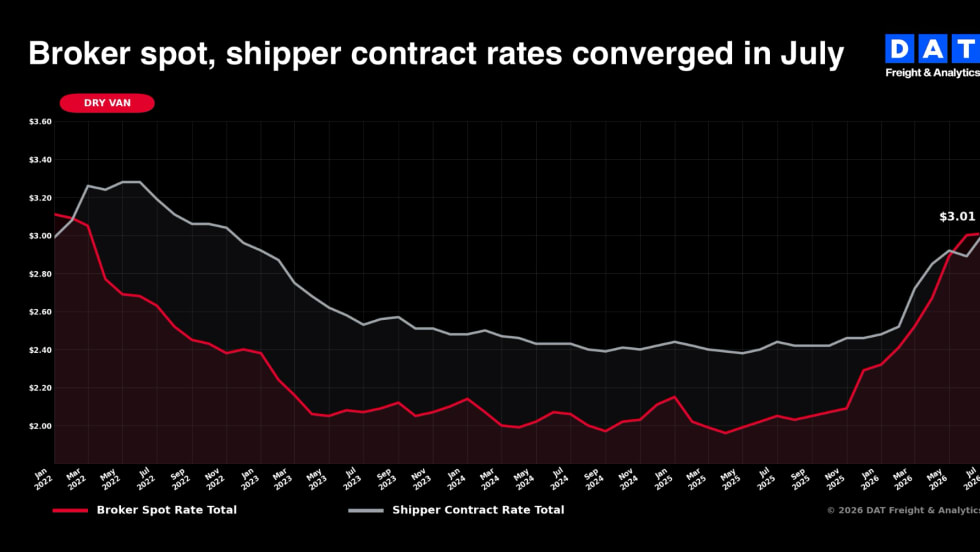
Tight Trucking Capacity Pushes Rates Higher Even as Freight Volumes Fall
“Spot rates moving ahead of contract rates have historically signaled a tightening market, but we haven’t seen a capacity-driven market quite like this one,” said DAT's Dean Croke.
Read More →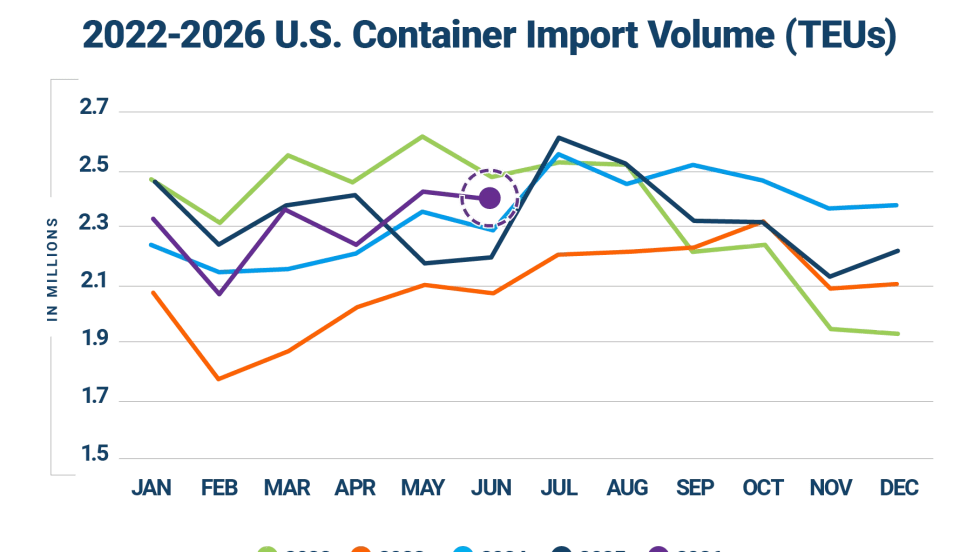
Import Cargo’s Early Peak Season is Winding Down
There was an early start to peak season this year at the nation's gateway ports, as retailers brought in merchandise ahead of tariff changes in late July and responded to other supply chain uncertainties,
Read More →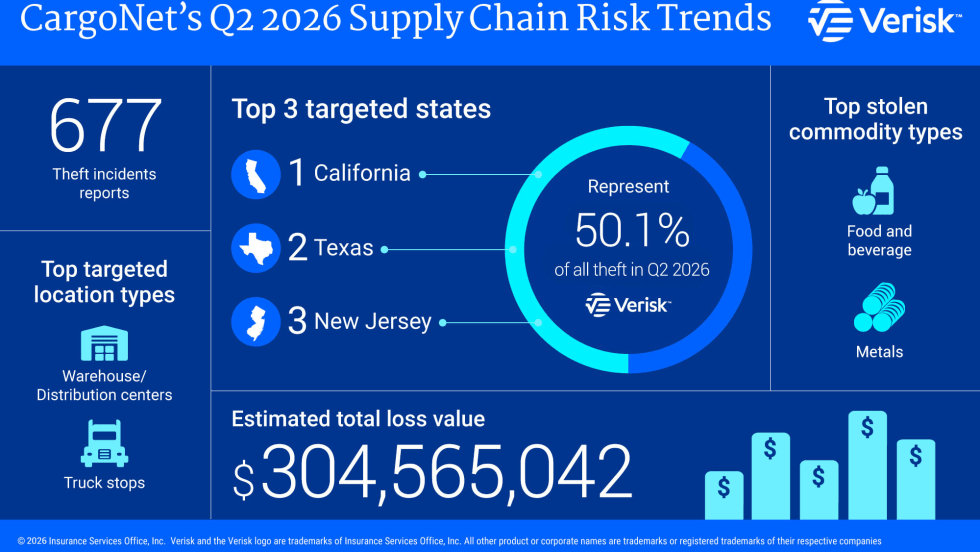
Fewer Cargo Thefts, Bigger Losses: Criminals Target Higher-Value Loads
CargoNet says organized theft rings are stealing fewer shipments but choosing more valuable freight, including metals and technology, resulting in record losses.
Read More →
How Innovative Trucking Leaders Turn Change Into an Advantage
As the pace of change accelerates in trucking, the fleets that adapt best have more than the latest technology. They have cultures that embrace improvement.
Read More →
Freight Broker Bonds Just Got Harder to Get. Here's What That Means for Your Fleet.
When it gets harder for a freight broker to prove they are financially sound, the ones who cannot clear that bar get pushed out of the market. And those are exactly the brokers who used to leave motor carriers holding the bag.
Read More →
Long-Awaited Canadian Border Bridge to Open in Detroit
For trucking, the bridge opening should offer immediate improvements in efficiency and reliability, with new customs facilities, expanded inspection capacity, and direct freeway-to-freeway connections.
Read More →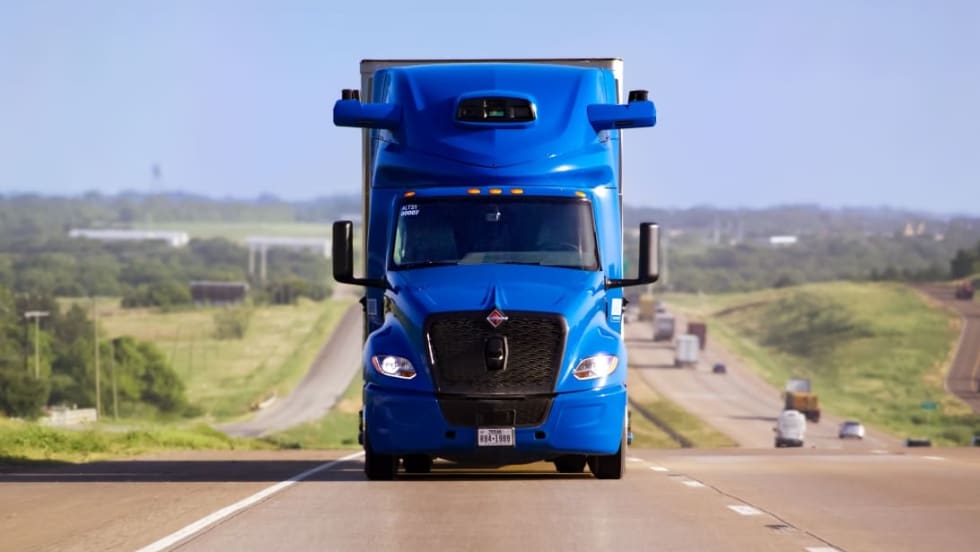
Aurora Rolls Out Next Generation of Driverless Trucks for Commercial Freight
Aurora's latest autonomous trucks it's rolling out with International feature lower-cost hardware designed for a million miles as the company expands commercial driverless freight operations across the U.S. Sun Belt.
Read More →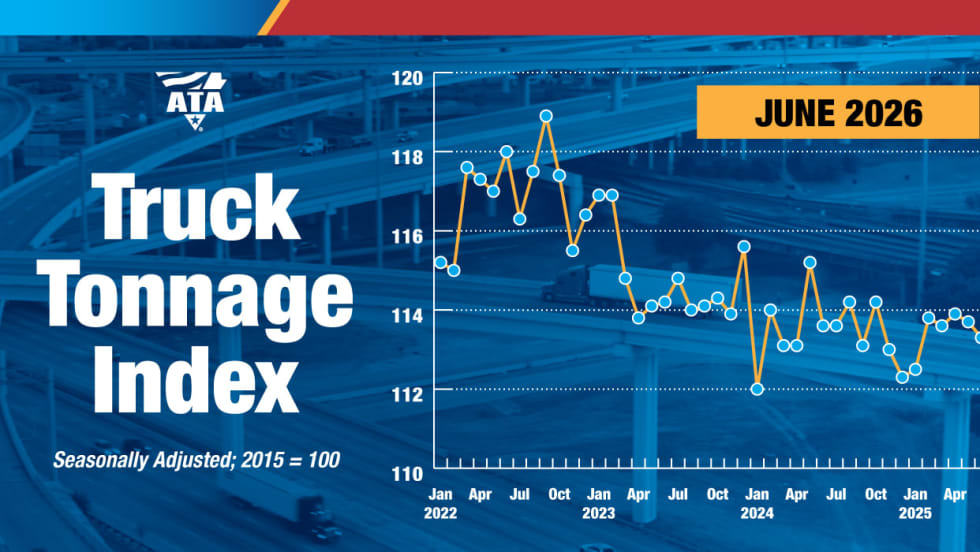
Freight Tonnage Down, Rates up, as Lower Capacity Powers Trucking Recovery
The recovery from the freight recession continues to be driven by reduction in capacity rather than by increased demand.
Read More →