




FTR Shippers Conditions Index Declines in February
2014 may be a very volatile year requiring increased shipper attention to market conditions. FTR’s Shippers Conditions Index for February, at a reading of -8.8, reflects an earlier than normal tightening of capacity created by the debilitating effects of winter storms in early 2014.
2014 may be a very volatile year requiring increased shipper attention to market conditions. FTR’s Shippers Conditions Index for February, at a reading of -8.8, reflects an earlier than normal tightening of capacity created by the debilitating effects of winter storms in early 2014. Conditions are expected to improve from this low point if a slowing of freight growth persists, however, shippers are advised to acquire sufficient capacity until after the spring seasonal shipping peak.
Jonathan Starks, FTR’s director of transportation analysis, commented: “Most of the components in the Shippers Conditions Index are only slightly negative (freight, costs, and fuel). The main drag comes from the very tight capacity situation that was highlighted this winter.
"This is a year to closely monitor signs for an economic uptick because it could have quick impacts on the transport sector. If the economy stays stuck in slow-growth mode and the weather finally behaves, we can expect the extremely tight capacity to normalize by mid-summer," he said. "If, however, we can finally get some additional economic activity, especially in the vital manufacturing sector, the tight truck environment will persist and could significantly worsen. Now is a time for careful planning for the quickly approaching fall shipping season.”
The Shippers Conditions Index is a compilation of factors affecting the shippers transport environment. Any reading below zero indicates a less-than-ideal environment for shippers. Readings below 10 signal that conditions for shippers are approaching critical levels, based on available capacity and expected rates.
More Fleet Management
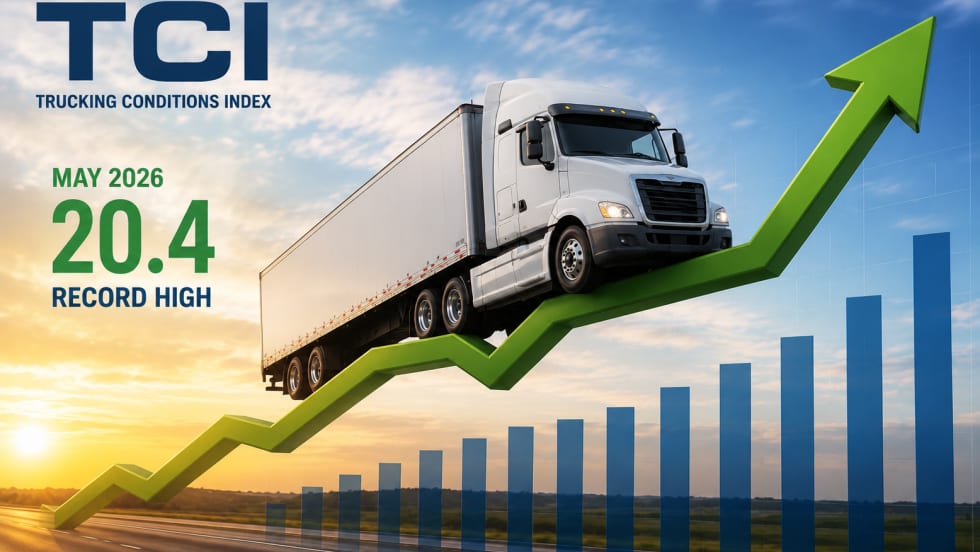
FTR Says Freight Rates Surged in May
FTR's Trucking Conditions Index surged to a record high in May, the analytics firm reports.
Read More →
Meet HDT's Truck Fleet Innovators at Heavy Duty Trucking Exchange
Heavy Duty Trucking Exchange brings fleet managers and suppliers together for the deeper conversations that lead to ideas, partnerships, and solutions. Time is running out to apply for HDTX, September 23-25.
Read More →
Enhance Fleet Performance with High-Efficiency Auxiliary Power Units
Drive sustainable cost savings while increasing driver comfort during short- and long-haul logistics operations.
Read More →
Is Your Parts Procurement Process Reactive or Proactive?
Ready to revamp your parts procurement process? Learn how now with “Strategic Parts Purchasing: A Process Checklist”
Read More →
What Trucking Events are Happening in 2026?
Looking for trucking-related conventions, expos, and other events? Heavy Duty Trucking has developed this list of national and larger regional trucking shows and events.
Read More →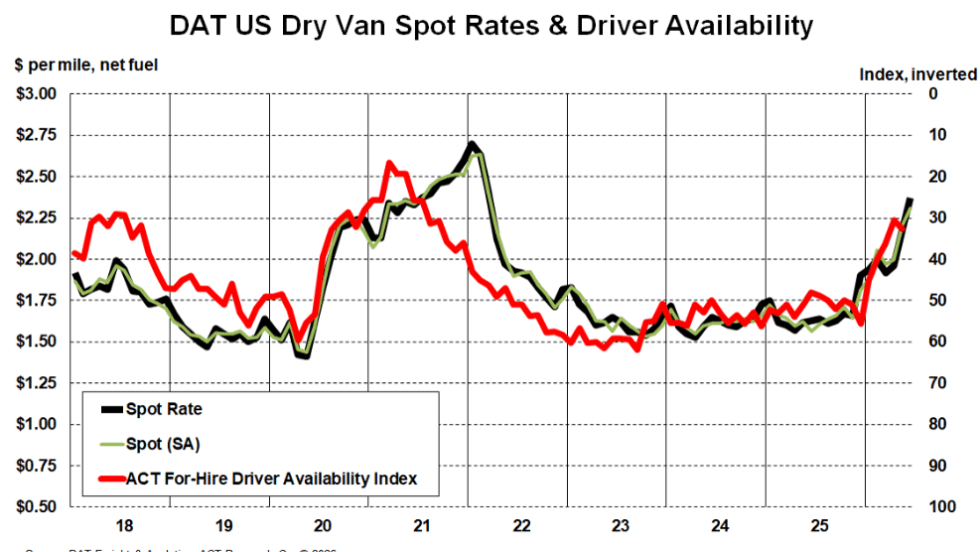
Truckload Rates Keep Rising as Tight Capacity Fuels Freight Market Recovery
Spot and contract rates continued climbing in May and June, not because freight demand is surging, but because fewer trucks and drivers are available.
Read More →
What Geotab's New AI Connector Means for Fleets
Fleets can now ask their usual AI assistants questions about maintenance, safety, fuel use, and vehicle performance, using their live Geotab data, and take action on the answers without leaving their preferred AI tool.
Read More →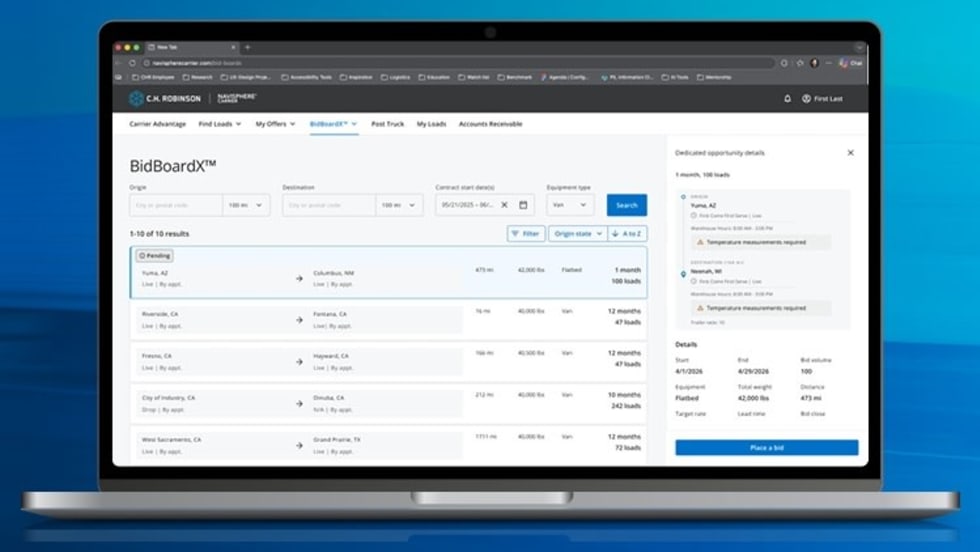
New C.H. Robinson Tool Opens Door to More Predictable Freight
BidBoardX lets carriers search, bid on, and secure committed freight opportunities through a single digital marketplace.
Read More →
New York City's Microhub Project is Delivering Results
Trucking, last-mile delivery companies, and environmental advocates like what they are seeing so far with New York's microhub program.
Read More →
Why Truck Detention Keeps Costing Fleets Time and Money
A 2024 ATRI study found detention affects nearly 40% of truckload stops and costs the industry more than $15 billion annually. Despite the toll on drivers, fleets, and supply chains, the problem remains stubbornly persistent.
Read More →