




FTC Investigates Port Trucker Organizing Efforts
As independent truckers who haul in and out of the nation's ports prepare to meet in South Carolina tomorrow, the Federal Trade Commission is looking into whether their actions violate the Federal Trade Commission Act
As independent truckers who haul in and out of the nation's ports prepare to meet in South Carolina tomorrow, the Federal Trade Commission is looking into whether their actions violate the Federal Trade Commission Act.
The FTC's investigation was sparked by a seven-day strike by owner-operators at the Port of Baltimore in early September. The Container and Rail Haulers of America, representing the Baltimore truckers, said long delays at the port meant the truckers can't haul enough containers in a day to make a profit off the flat rates paid per container. The truckers went back to work after voting to affiliate with the International Longshoremen's Assn.
Now the investigation has spread to a southern association representing container haulers, the United Container Movers Assn. Several of its officers have been served subpoenas ordering them to testify this month as the FTC tries to "determine whether owner-operator truckers and the associations to which they belong have engaged in, or are engaging in, unfair methods of competition, in violation of Section 5 of the Federal Trade Commission Act….by engaging in or threatening boycott activity, and/or concerted withholding of trucking services at ports in the United States."
Jim Stewart, a board member of the United Container Movers Assn. in Savannah, GA, is one of the owner-operators who has received a subpoena. Among the information the commission has asked for are documents pertaining to a meeting being held tomorrow in Charleston, SC.
The UCMA is bringing together port operators from across the country at this meeting to talk about what they can do to improve their working conditions. Representatives from port trucker organizations in Baltimore, Los Angeles, Houston, and Jacksonville, FL, will be there, along with International Longshoremen's Assn. and Teamsters representatives. Port truckers who have recently staged protests in the Seattle, WA, and Vancouver, BC, Canada, areas, weren't sure if they could sent representatives, but sent their best wishes and support, Stewart says.
As owner-operators, the truckers are prohibited from collective bargaining by federal labor and antitrust laws. They want to get their legal status changed to employees of the trucking companies, and be organized by a national union. It's an uphill battle, as the Communications Workers of America found when it tried to organize drivers in Los Angeles-Long Beach several years ago. Trucking companies refused to bargain with them, citing antitrust law.
Two years ago, the UCMA truckers shut down for about five weeks, Stewart says. The strike accomplished nothing, and several members lost their shirts - and their trucks.
"We want a fair living wage and to be able to negotiate and have some input into steamship contracts and what happens around the port," Stewart says. "Right now the independent truckers are nothing but bottom feeders."
Port truckers in Savannah make $20 to $25 per container, Stewart says. In years past, the owner-operators could pull 10 to 14 boxes a day. However, port traffic has caused so many delays that today, they're lucky to pull eight boxes. After making truck payments, paying for fuel and other expenses, it's nearly impossible to make a living.
The problems are much the same at ports all over the country. Currently, the Teamsters and AFL-CIO are working together in organizing efforts at the Ports of Seattle and Tacoma, WA. Earlier this year, truckers at the Vancouver port won an agreement paying an hourly wage rather than flat fees.
For more information on tomorrow's UMCA meeting, call Stewart at (912) 748-6202 or e-mail SEA719@aol.com.
More Fleet Management
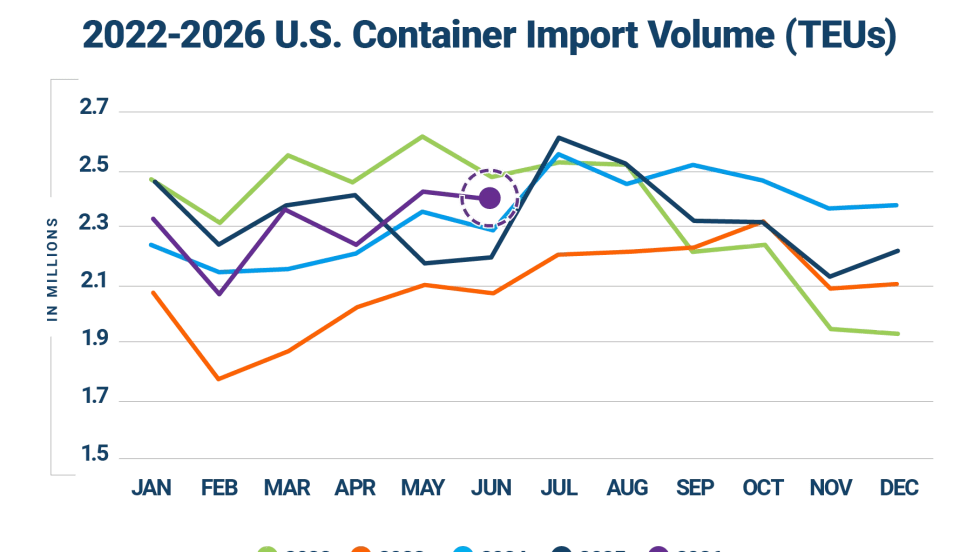
Import Cargo’s Early Peak Season is Winding Down
There was an early start to peak season this year at the nation's gateway ports, as retailers brought in merchandise ahead of tariff changes in late July and responded to other supply chain uncertainties,
Read More →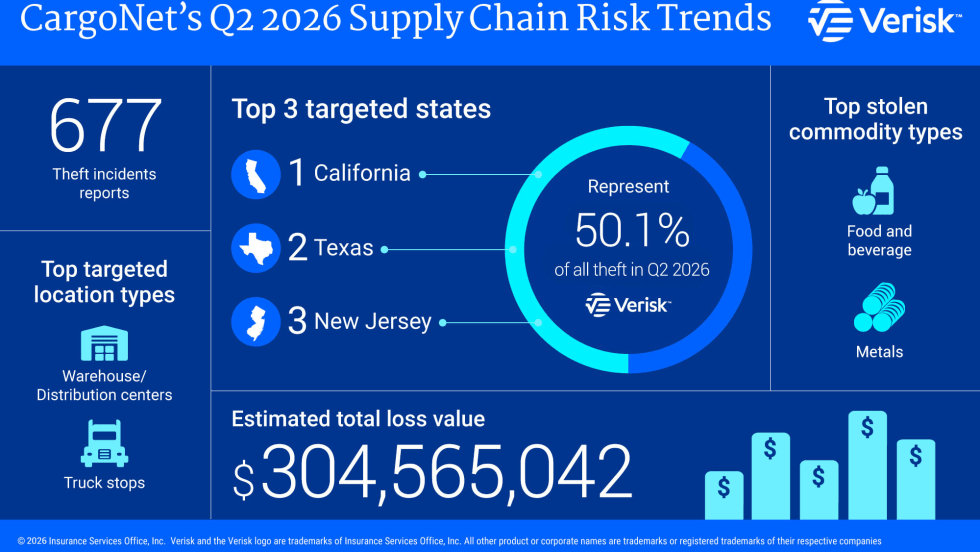
Fewer Cargo Thefts, Bigger Losses: Criminals Target Higher-Value Loads
CargoNet says organized theft rings are stealing fewer shipments but choosing more valuable freight, including metals and technology, resulting in record losses.
Read More →
How Innovative Trucking Leaders Turn Change Into an Advantage
As the pace of change accelerates in trucking, the fleets that adapt best have more than the latest technology. They have cultures that embrace improvement.
Read More →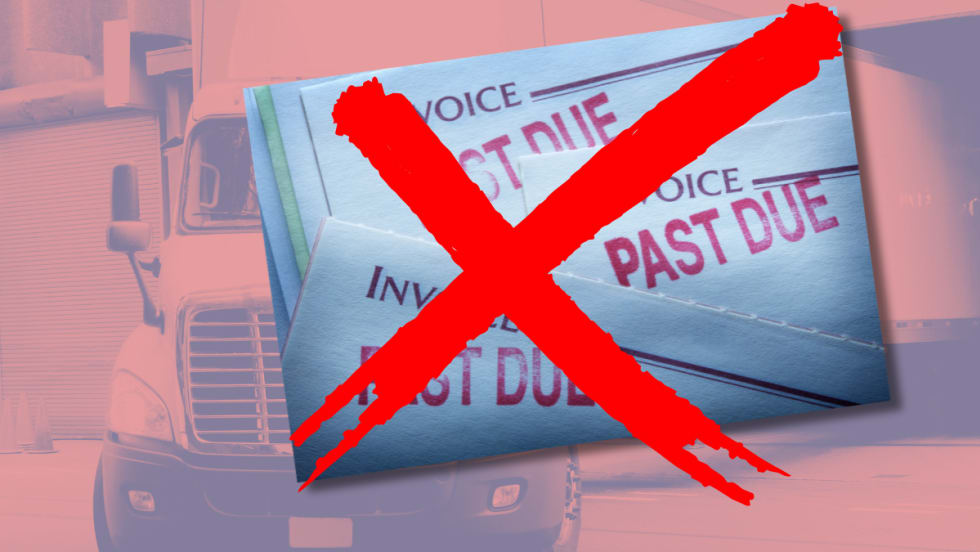
Freight Broker Bonds Just Got Harder to Get. Here's What That Means for Your Fleet.
When it gets harder for a freight broker to prove they are financially sound, the ones who cannot clear that bar get pushed out of the market. And those are exactly the brokers who used to leave motor carriers holding the bag.
Read More →
Long-Awaited Canadian Border Bridge to Open in Detroit
For trucking, the bridge opening should offer immediate improvements in efficiency and reliability, with new customs facilities, expanded inspection capacity, and direct freeway-to-freeway connections.
Read More →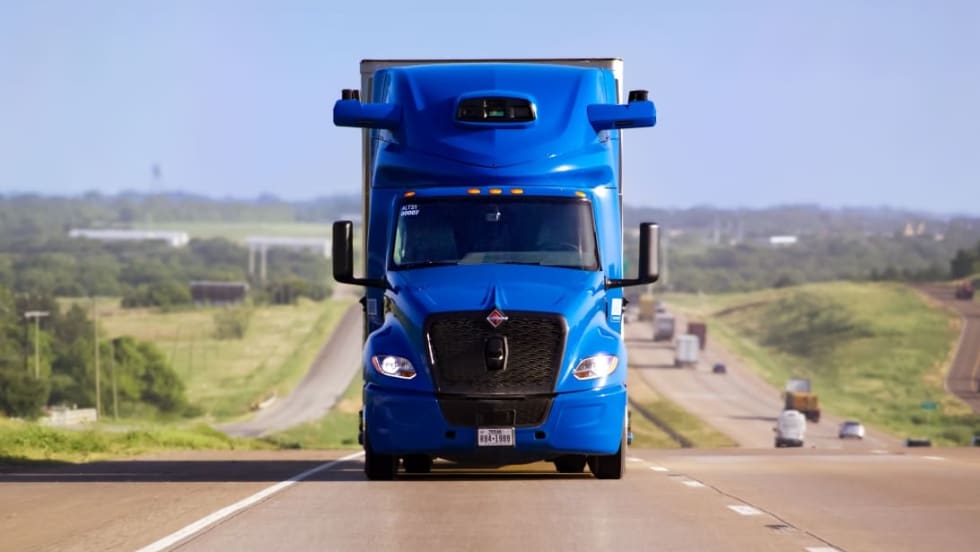
Aurora Rolls Out Next Generation of Driverless Trucks for Commercial Freight
Aurora's latest autonomous trucks it's rolling out with International feature lower-cost hardware designed for a million miles as the company expands commercial driverless freight operations across the U.S. Sun Belt.
Read More →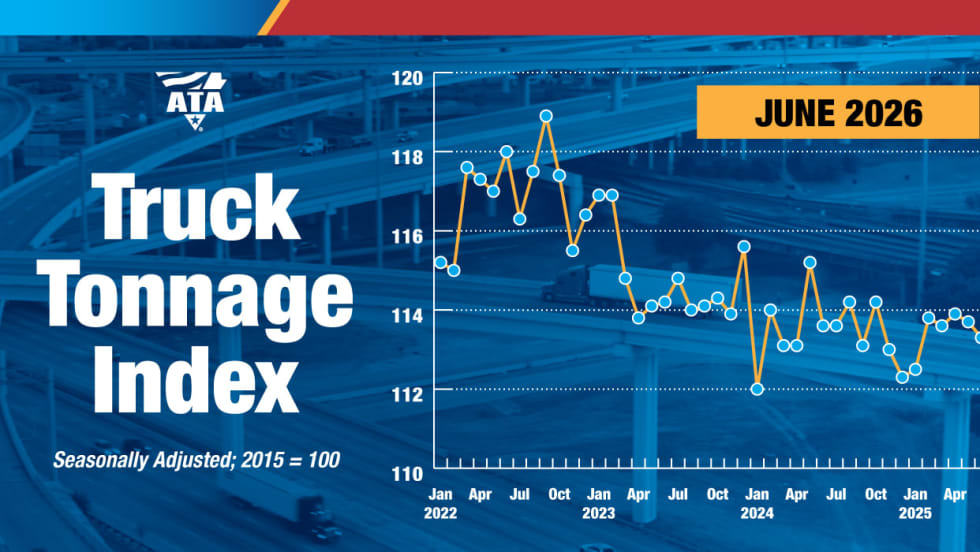
Freight Tonnage Down, Rates up, as Lower Capacity Powers Trucking Recovery
The recovery from the freight recession continues to be driven by reduction in capacity rather than by increased demand.
Read More →
Think Your Trucking Fleet Isn't Using Much AI? Think Again
Shadow AI — the use of unauthorized artificial intelligence tools at work — is becoming increasingly common, putting sensitive company data at risk. Learn how trucking fleets can protect sensitive data while embracing AI.
Read More →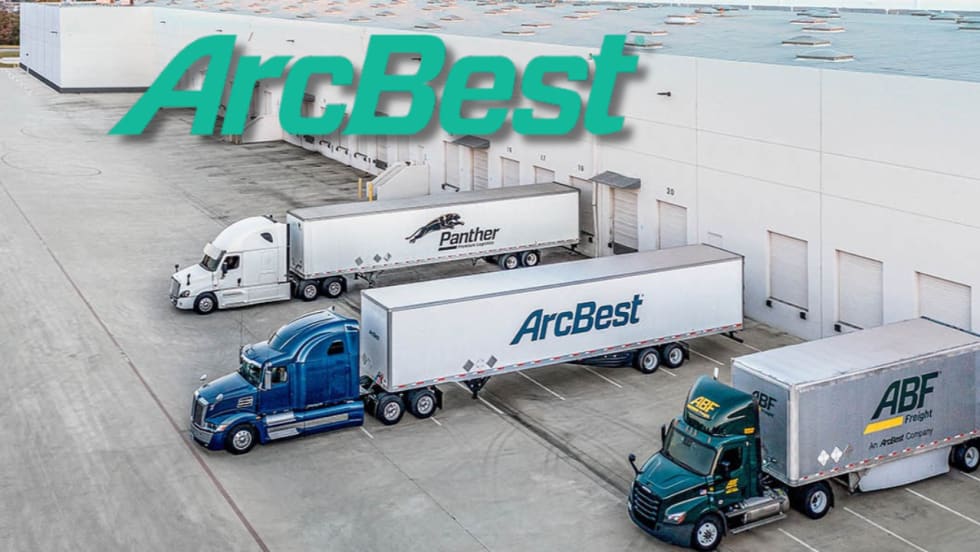
ArcBest Consolidates Brands, Cuts Workforce
The company will bring three business units under the ArcBest brand, eliminate about 2% of positions, and expects the changes to generate $40 million in annual savings.
Read More →
Trucking Fleets Faced Record Operating Costs During Third Year of Freight Recession
ATRI's annual operational cost report shows carriers trimmed fleets, delayed equipment purchases, and ran older trucks as expenses continued to outpace freight rates.
Read More →