




Ford Expects Transit Vans to Help Keep Lead as Sales Continue Climbing
Ford Commercial Truck believes its upcoming Transit full-size vans will help it keep its high market shares as sales continue their upward motion with the recovering economy.

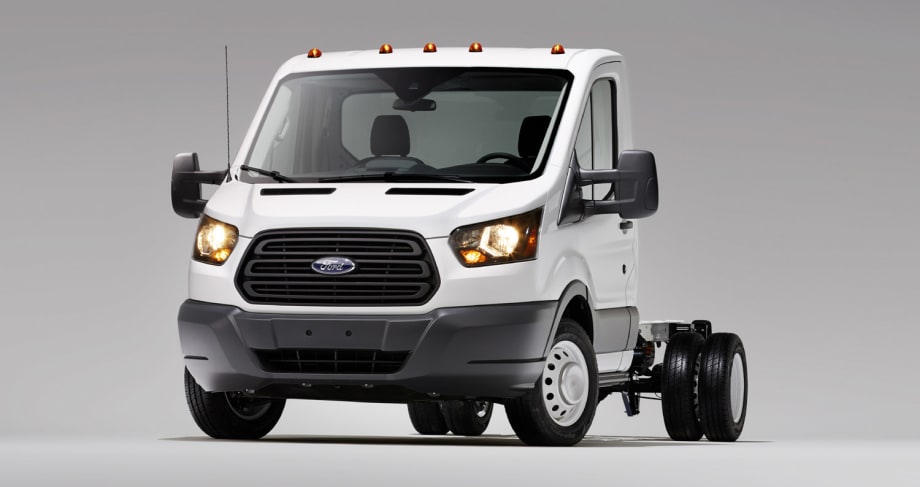
Cab-chassis and cutaway versions of the upcoming Transit full-size van will replace the E-series cutaway. E-series vans will continue in production for much of this decade.

Cab-chassis and cutaway versions of the upcoming Transit full-size van will replace the E-series cutaway. E-series vans will continue in production for much of this decade.
Ford Commercial Truck believes its upcoming Transit full-size vans will help it keep its high market shares as sales continue their upward motion with the recovering economy.
Due to enter production late this year at a retooled plant in Kansas City, the Euro-style Transit van will include several sizes while cab-chassis and cutaway versions will replace one of Ford’s long-running E-series vans as they begin phasing out in 2014.
2012 was a “very good year,” with business up 11.7% from 2011, and Ford earning a 46.7% overall market share of Class 1 through 7 commercial truck sales, said Len Deluca, director, commercial vehicle sales and marketing, during a phone-in “preview” of its press conference scheduled for later today at the Work Truck Show in Indianapolis.
Ford’s total ranged from an 11.9% share claimed by its F-650 and 750 to 58.4% by the SuperDuty conventional cab-chassis, he said. The E-series captured 49.9% of the full-size van market. Ford’s E has been the top-selling van for 34 years and the F-series has led pickup sales for 34 years.
Continued sales growth is likely, according to forecasts Deluca cited. Various economic indicators are encouraging, from reduced unemployment claims to rising housing starts. Rising home construction has pulled up sales of light-duty pickups, he noted.
Consumer sentiment has edged down somewhat, probably due to news of the federal sequester budget cuts and the uncertainty they’re bringing.
“It’ll be interesting to see what happens in the next couple of months,” he said, but trends seem strong and sales should increase over the next several years. Another factor is aging trucks.

"In 2002, the average age of a vehicle was 10 years, and now it’s over 11 years,” Deluca said. “To do their work, customers need reliable vehicles, and we anticipate increasing sales as a result.” Industry wide Class 1-7 sales in 2012 totaled 691,657, and that should soon go above 700,000 per year.
New competition is pushing Ford to introduce the new Transit and restyled Transit Connect compact van so it can stay ahead, he said. The main competitor in numbers is General Motors’ existing G-series full-size G vans, while Chrysler’s Ram brand will bring out its Fiat-based full-size vans and Daimler’s Sprinter vans are being freshened.
Ford’s E-series window vans will be the first to go out of production, followed by cutaway chassis models. Those will quickly be replaced in 2014 by Transit window vans, then Transit cutaway and cab-chassis versions on which customers can mount special bodies.
As announced in December, the Transit vans will come in a choice of two wheelbases, three body lengths and three roof heights.
“Every customer has a different way he wants his vehicle, so this will help us give him what he wants,” Deluca said. So will the engine choices, which include two gasoline V-6s and an inline-5 diesel. All will use 6-speed automatic transmissions, “with the goal of best-in-class fuel economy.”
Alternative-fuel upfits will continue their availability from Ford, he said.
“We felt that natural gas or propane is the best way to go, so we worked with seven providers to supply upfits for natural gas from Transit Connect to the F-59 stripped chassis,” Deluca said. “Roush is the only supplier right now for propane. Since 2010 we’ve built over 25,000 units with gaseous-prep engines, up 350% since 2009. We feel we’re very well poised to meet the market demand.”
More Equipment
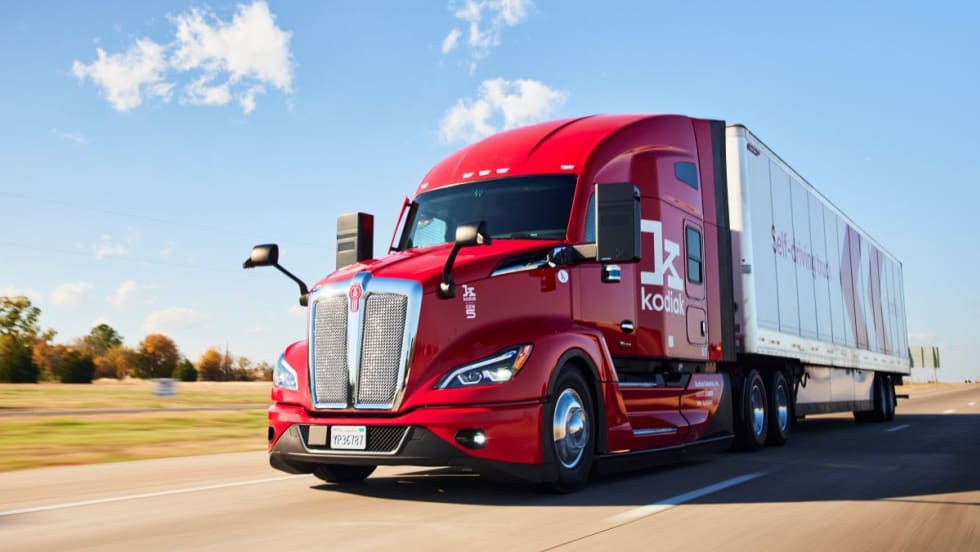
Autonomous Truck Testing Moves Ahead in California as Teamsters Challenge Rules
California has begun permitting heavy-duty autonomous truck testing, with Aurora and Kodiak among the first to receive approval, as the Teamsters sue the DMV over the new regulations.
Read More →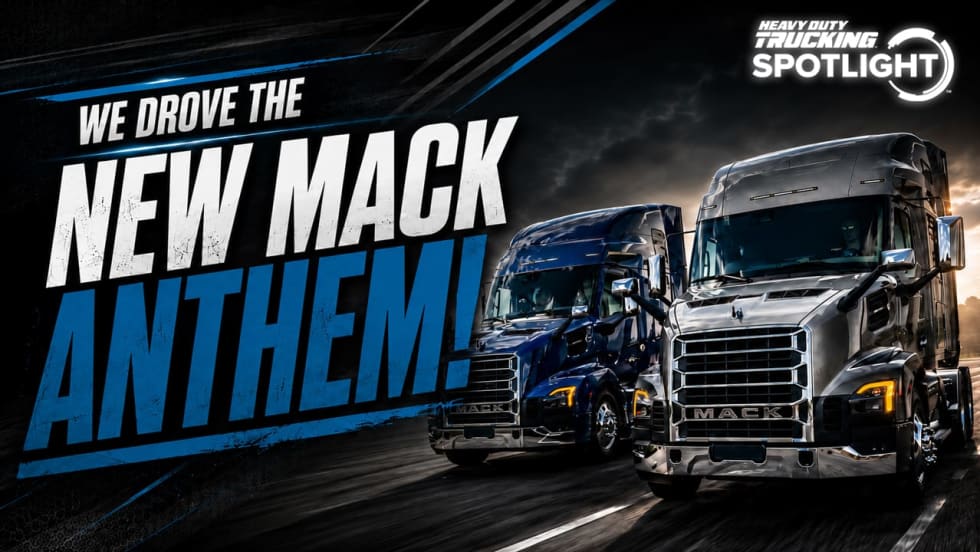
Behind the Wheel of the New Mack Anthem [Video]
HDT takes the new Mack Anthem around Mack’s Pennsylvania test track to see how its driver-focused design, technology, visibility and handling perform from behind the wheel.
Read More →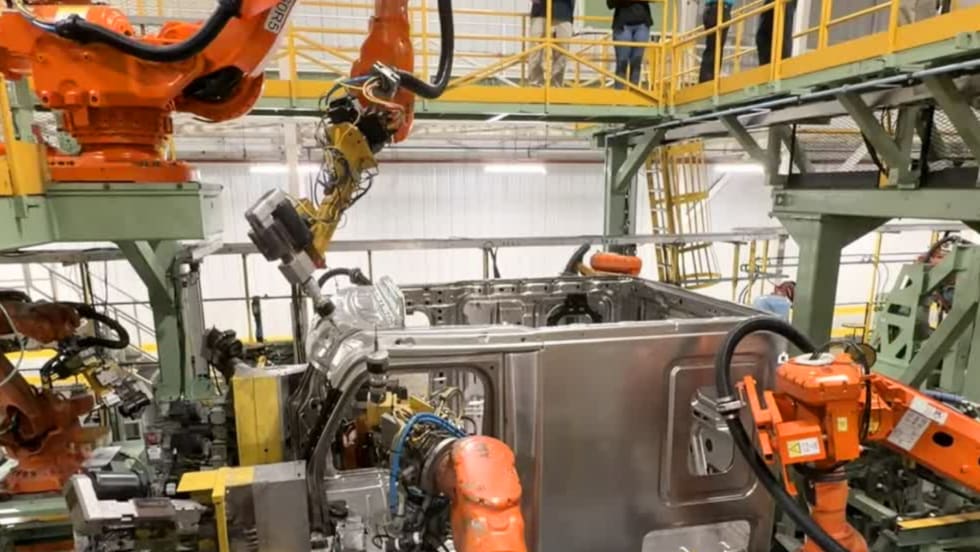
DTNA Plans New U.S. Truck Plant as Manufacturing Footprint Shifts
Daimler Truck North America is evaluating sites for a new assembly plant expected to open in 2029 while winding down operations at its longtime Portland manufacturing facility.
Read More →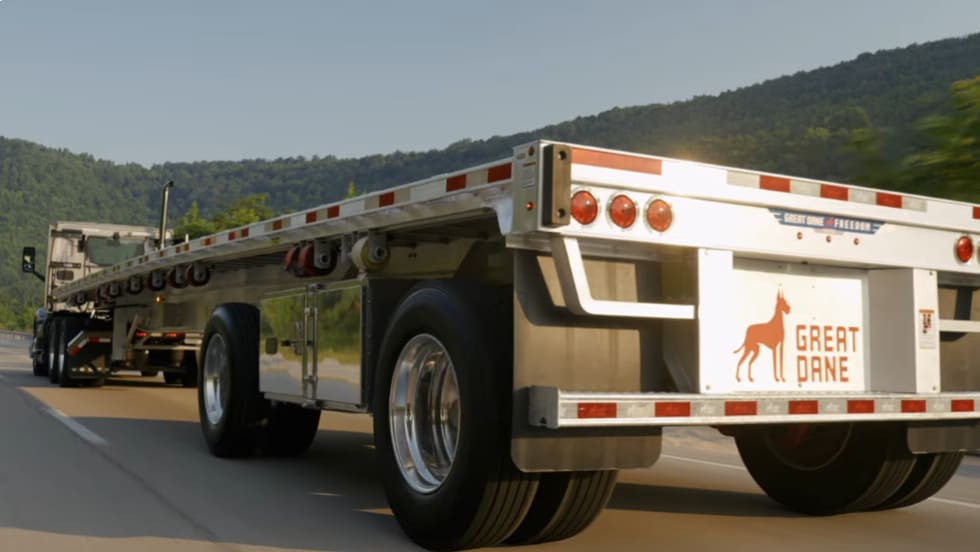
Great Dane Flatbed Trailer Offers Light Weight and Strength
Freedom Ultra is designed for a wide range of open-deck applications, including building materials, lumber, machinery, steel products, industrial freight, and coil hauling.
Read More →
What It's Like Inside this Custom 2025 Peterbilt 589?
Take a driver's-eye tour of this customized 2025 Peterbilt 589 in this video, as longtime driver Ingrid Brown explains its features, compares it to previous models, and shares plenty of personality along the way.
Read More →
Drivers Put Western Star Trucks to the Test at Star Nation Experience
Watch to get an inside look at the Western Star trucks, technology, and community behind the Star Nation Experience 2026!
Read More →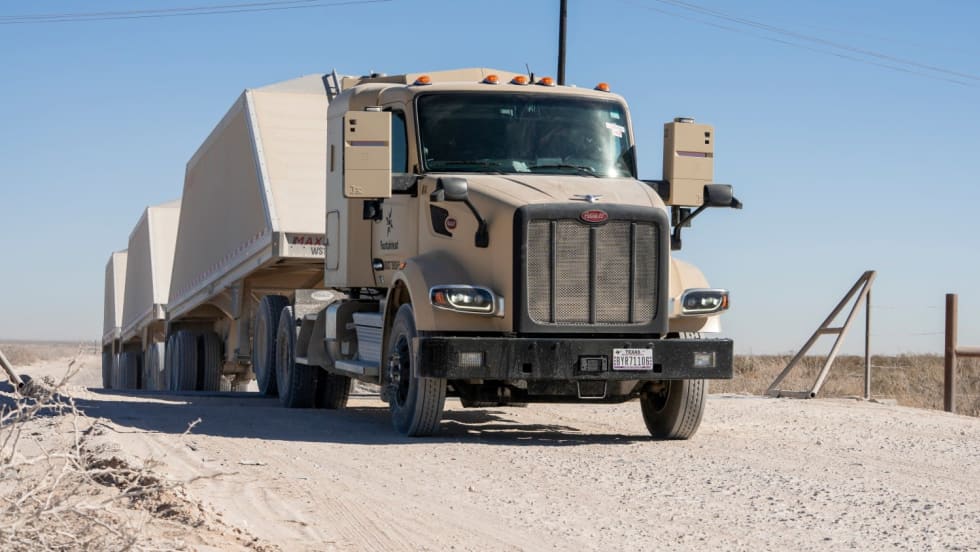
Atlas Expands Kodiak Driverless Truck Fleet in Permian Basin
Atlas Energy Solutions is expanding autonomous frac sand hauling in the Permian Basin with a second load-out location and plans for 100 driverless trucks by mid-2027.
Read More →
Putting Mack’s Command Steer to the Test
A test drive of Mack’s Command Steer active steering system evaluates how it can make truck driving easier and less tiring.
Read More →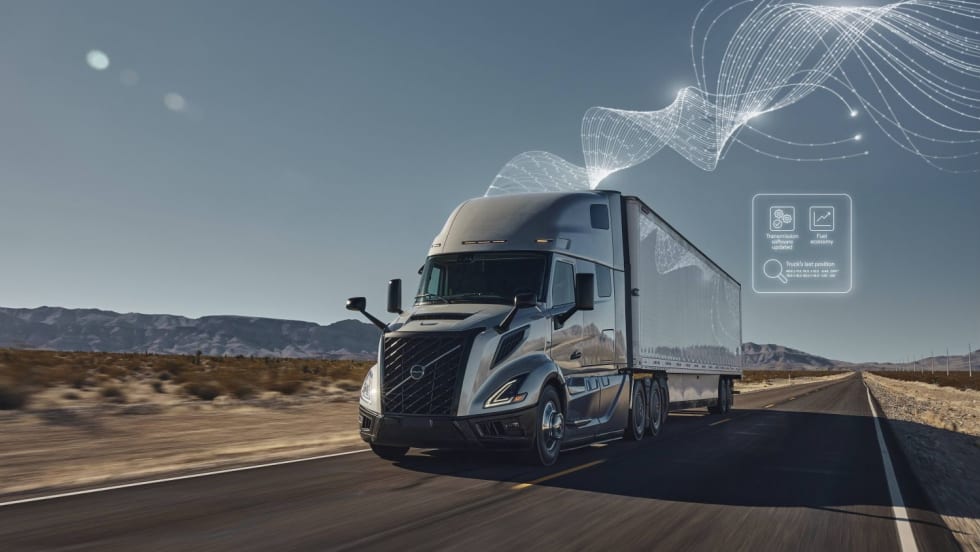
Mack, Volvo Expand DEF Derate Software Updates
The updated software gives Mack and Volvo truck owners more time to address DEF-related issues before the engine derates or the vehicle goes into reduced-speed inducement, following new EPA guidance.
Read More →
Rush, MCT Team Up to Grow Refrigeration Service Network
The joint venture will operate MCT's network of Carrier Transicold dealerships and mobile service locations, with the companies promising greater service capacity and uptime for refrigerated fleets.
Read More →