




FMCSA Slates Roundtable on Broker/Forwarder Financial Responsibility
The Federal Motor Carrier Safety Administration will host what it calls an “informal roundtable” on the financial responsibility of property brokers and freight forwarders. The meeting is part of the agency’s appeal for public comment on this issue.


The Federal Motor Carrier Safety Administration will host what it calls an “informal roundtable” on the financial responsibility of property brokers and freight forwarders. The meeting is part of the agency’s appeal for public comment on this issue.
The public meeting will be held on May 20 from 9:30 a.m. to 4:30 p.m. EDT at the Department of Transportation, Media Center, 1200 New Jersey Avenue SE., Ground Floor, Washington, DC, 20590.
The agency said it is seeking information from motor carriers and shippers on “challenges” they’ve experienced in being compensated for claims against freight forwarders and brokers due to insufficient funds.
FMCSA stated that the meeting will not delve into increasing motor carrier, broker, or freight forwarder minimum financial responsibility limits.
The agency said it welcomes comments or questions before and during the roundtable discussion. The roundtable will center on the following questions:
Which, if any, BMC-85 Trust Fund holders routinely deny claims made by shippers and motor carriers against those trust funds?
What is the nature of the assets that are being held in BMC-85 trust funds and what is the most desirable composition of the assets? For example, should trust funds consist solely of cash or other highly liquid financial instruments? What types of instruments constitute “highly liquid?” Aside from cash, what else can satisfy the mandate that trust funds consist of “readily available assets?” Should the Agency define the classes of investments held in trust relative to risk profile of the issuer and identify the relative liquidity of such assets or should it rely on other sources for such information?
Aside from FMCSA, are BMC-85 trust fund filers being regulated by any other governmental entity? If so, what is the nature of their regulation by state or other authorities?
What actions can FMCSA take to ensure that motor carriers and shippers are able to collect on BMC-85 trust funds where legitimate claims are filed with the financial institution?
Should the Agency act to address potential issues associated with the solvency of BMC-85 trust funds? If so, what type of action would be most appropriate? What type of FMCSA action pertaining to 49 U.S.C. 13906(b)(6) and (c)(7)(payment in cases of financial failure or insolvency) is necessary? Would agency guidance, as opposed to rulemaking, be sufficient?
Should FMCSA require brokers and freight forwarders to demonstrate the creditworthiness of the entity with whom brokers or freight forwarders intend to execute a trust fund, based on a determination of creditworthiness by the applicable state regulatory authority or the Department of Treasury Financial Management Service?
FMCSA noted it will use comments received ahead of the roundtable to further frame the issues.
Written comments on the roundtable topic, which should bear Docket ID FMCSA-2016-0102, may be submitted via any of the following methods:
Federal eRulemaking Portal. Follow the online instructions for submitting comments.
Mail. Docket Management Facility, U.S. Department of Transportation, 1200 New Jersey Avenue SE., West Building Ground Floor, Room W12-140, Washington, DC 20590.
Hand Delivery or Courier. West Building Ground Floor, Room W12-140, 1200 New Jersey Avenue SE., Washington, DC 20590, between 9 a.m. and 5 p.m. EDT, Monday through Friday, except Federal holidays.
Fax. 1-202-493-2251.
More Fleet Management

For Nicky Cupp, Fleet Innovation Starts With Frustration
HDT Truck Fleet Innovator Nicky Cupp turns everyday pain points at Fraley & Schilling into opportunities for better technology and smarter processes.
Read More →
Adam Buttgenbach’s Approach to Electric Trucks: Start With Where They Fit
HDT Truck Fleet Innovator Adam Buttgenbach helped PepsiCo build one of North America’s largest EV fleets by focusing on where electric trucks make operational sense.
Read More →
Deen Albert: Let Automation Do the Math, People Make the Decisions
HDT Truck Fleet Innovator Deen Albert makes sure people are still at the heart of operations at Grand Island Express, even while adopting artificial intelligence tools. AI-assisted dispatch helped boost revenue 25% with the same number of trucks.
Read More →
Trimble’s New AI Agent Takes Aim at Fleet Back-Office Busywork
Arc Agent works across Trimble TMS products to automate repetitive tasks such as freight orders, maintenance, invoices, fuel costs and more.
Read More →
How HDT’s 2026 Truck Fleet Innovators Are Rethinking Fleet Operations
Meet five trucking leaders who are challenging assumptions, solving operational problems, and putting innovative ideas to work.
Read More →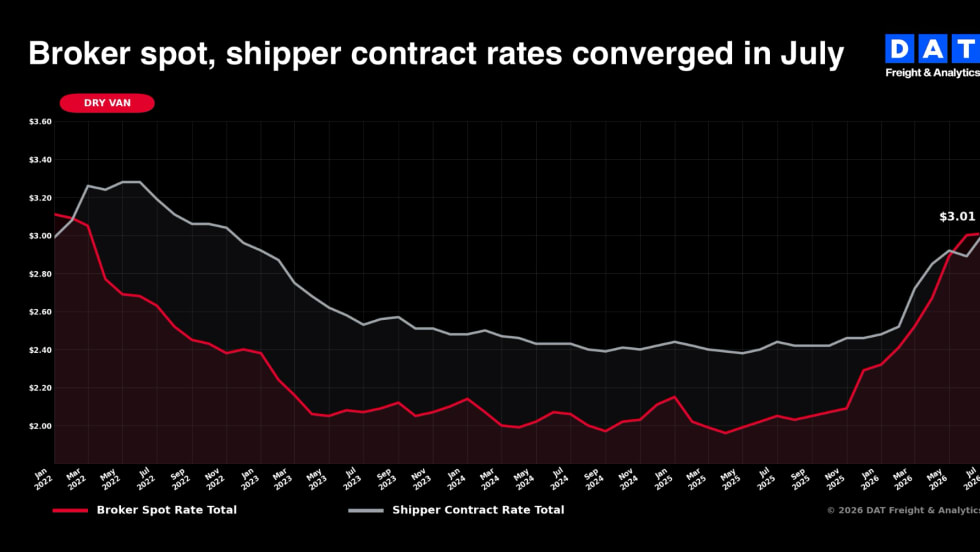
Tight Trucking Capacity Pushes Rates Higher Even as Freight Volumes Fall
“Spot rates moving ahead of contract rates have historically signaled a tightening market, but we haven’t seen a capacity-driven market quite like this one,” said DAT's Dean Croke.
Read More →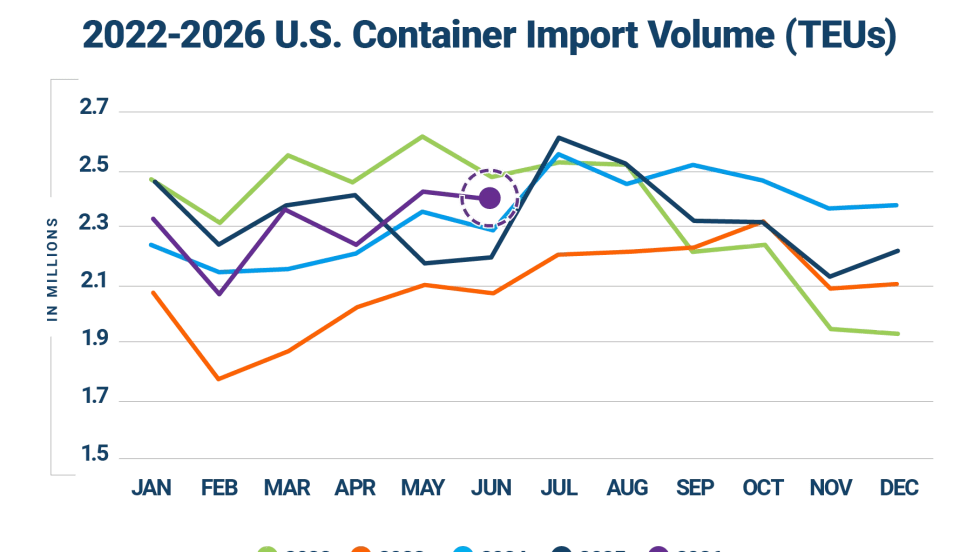
Import Cargo’s Early Peak Season is Winding Down
There was an early start to peak season this year at the nation's gateway ports, as retailers brought in merchandise ahead of tariff changes in late July and responded to other supply chain uncertainties,
Read More →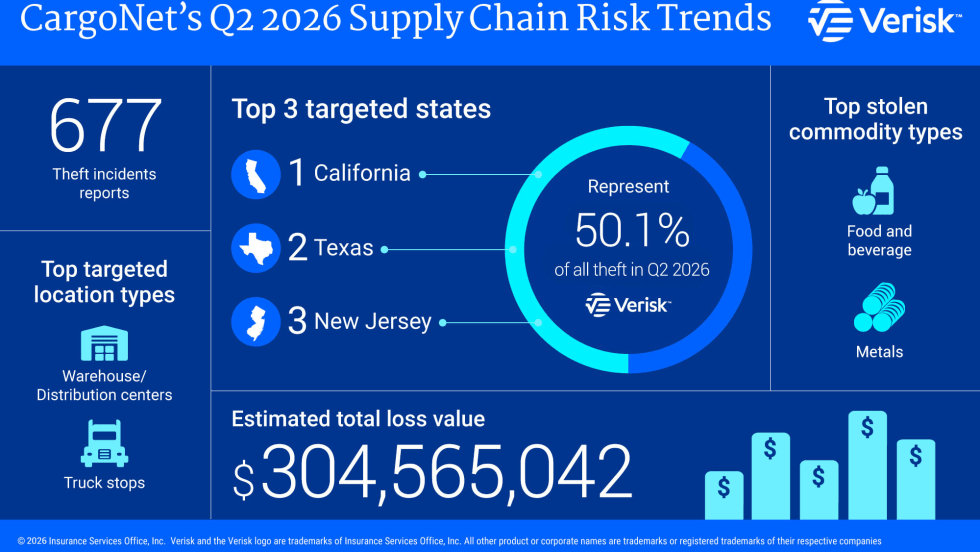
Fewer Cargo Thefts, Bigger Losses: Criminals Target Higher-Value Loads
CargoNet says organized theft rings are stealing fewer shipments but choosing more valuable freight, including metals and technology, resulting in record losses.
Read More →
How Innovative Trucking Leaders Turn Change Into an Advantage
As the pace of change accelerates in trucking, the fleets that adapt best have more than the latest technology. They have cultures that embrace improvement.
Read More →
Freight Broker Bonds Just Got Harder to Get. Here's What That Means for Your Fleet.
When it gets harder for a freight broker to prove they are financially sound, the ones who cannot clear that bar get pushed out of the market. And those are exactly the brokers who used to leave motor carriers holding the bag.
Read More →