




Nov. 23 – The European Commission last week adopted a proposal that would limit truck drivers’ working time to an average of 48 hours per week. The commission hopes this move will resolve issues that have caused trucker strikes over the last few years, but some British truckers aren’t too happy about it.
The European Working Time Directive, which was adopted in 1993, excluded transport workers such as truck drivers. The omission led to several protests and shutdowns from truck drivers, especially in France. The most recent was a Europe-wide shutdown in early September, when UK truck drivers arriving at major French ferry ports were stopped at entrance points and handed leaflets with the slogan “fatigue kills.” The most serious disruption was in France, but truckers used blockades, slowdowns, rallies and leaflet campaigns all over Europe.
Talks between trucking representatives and the commission broke down in late September, but the commission went ahead with its work to revise the rules to include transport workers. The new proposal was announced last Wednesday.
“This is an important day for the millions of workers who were excluded from the original directive,” said Employment and social Affairs Commissioner Padraig Flynn.
The new draft directive on mobile workers in road transport defines working time more broadly. Instead of just driving, it now includes loading and unloading, as well as cleaning, maintenance and security inspections. Truck drivers are limited to 48 hours maximum averaged over a four-month period. The maximum weekly working time is 60 hours. Drivers must take a break of at least 30 minutes after six hours work and at least 45 minutes after nine hours. The rules call for a daily rest of at least 11 hours, 35 hours weekly. Night workers can only work eight hours “per day.”
Britain’s BBC reported that not all truckers are happy about the change. Some accuse European Transport Commissioner Neil Kinnock of “bowing to bully-boy tactics” from their European counterparts.
The Road Haulage Association says the ruling will do nothing to improve safety or conditions, but commissioners point to statistics that suggest that fatigue is a factor in 2,000 highway deaths in Europe each year. RHA spokesman Dan Hodges says the ruling will burden truckers with red tape, and points out that drivers are already prevented from driving more than nine hours a day.
European Union Proposes New Working Time Rules For Truckers
Nov. 23 – The European Commission last week adopted a proposal that would limit truck drivers’ working time to an average of 48 hours per week. The commission hopes this move will resolve issues that have caused trucker strikes over the last few years, but some British truckers aren’t too happy about it
More Equipment
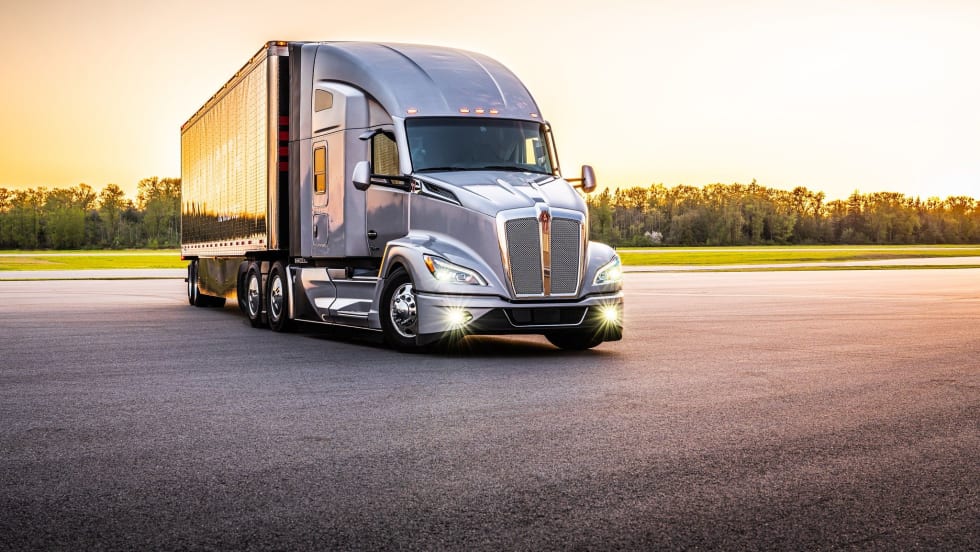
Kenworth Names Peter Ahrens General Manager
Leadership changes at Kenworth take effect July 1 as the OEM promotes two longtime Paccar executives to key management roles.
Read More →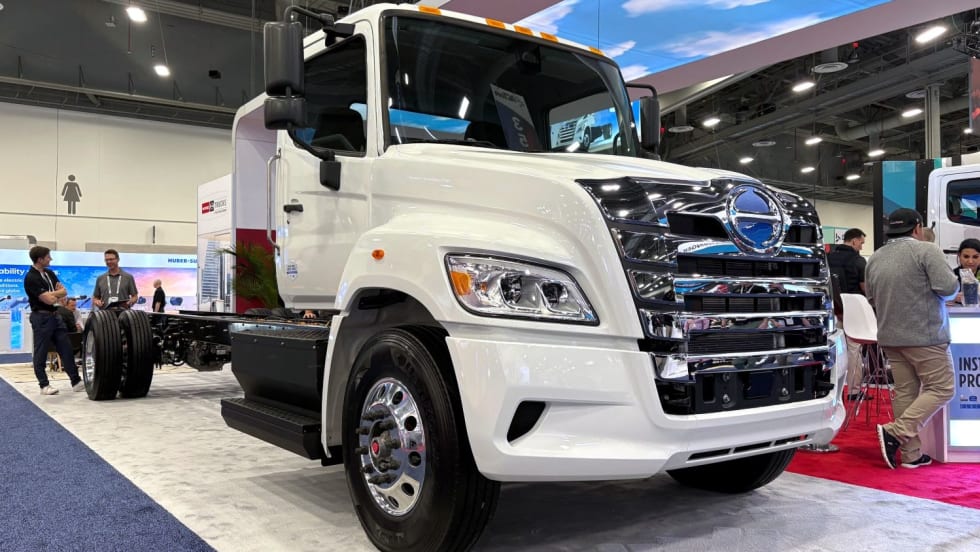
Hino Adds Electric Class 6/7 Truck
Hino says the Le Series is an important step in the company's efforts to reduce environmental impact and support its customers’ sustainability goals.
Read More →
ACT Expo 2026: Highlights in Photos
The 2026 Advanced Clean Transportation Expo featured a broad range of commercial vehicle technologies, from EVs to autonomous trucks to the latest diesel and alternative-fuel engines.
Read More →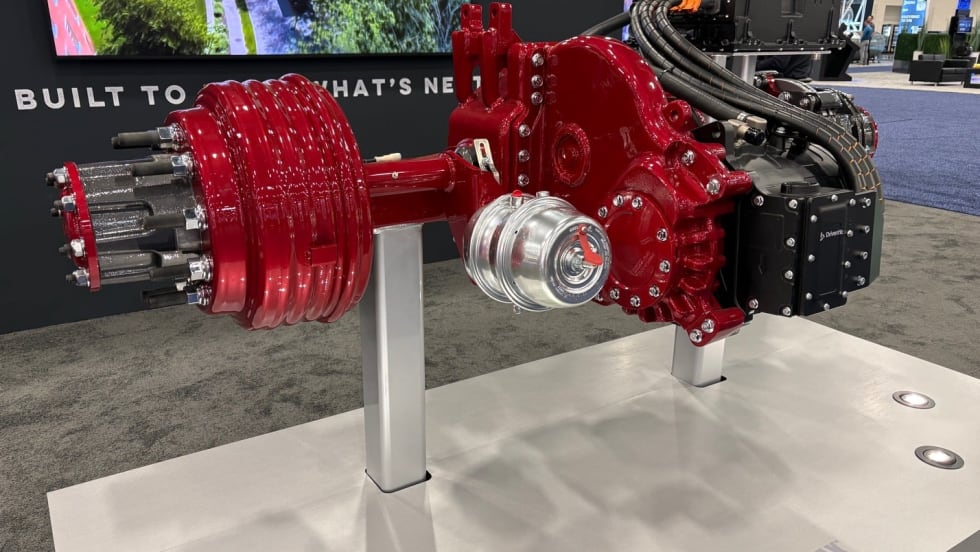
Hendrickson Debuts Electraax E-Axle for Medium-Duty Trucks
Developed with Driventic, Hendrickson's new integrated e-axle is designed to improve efficiency, reduce weight, and extend range in Class 6-7 EV applications.
Read More →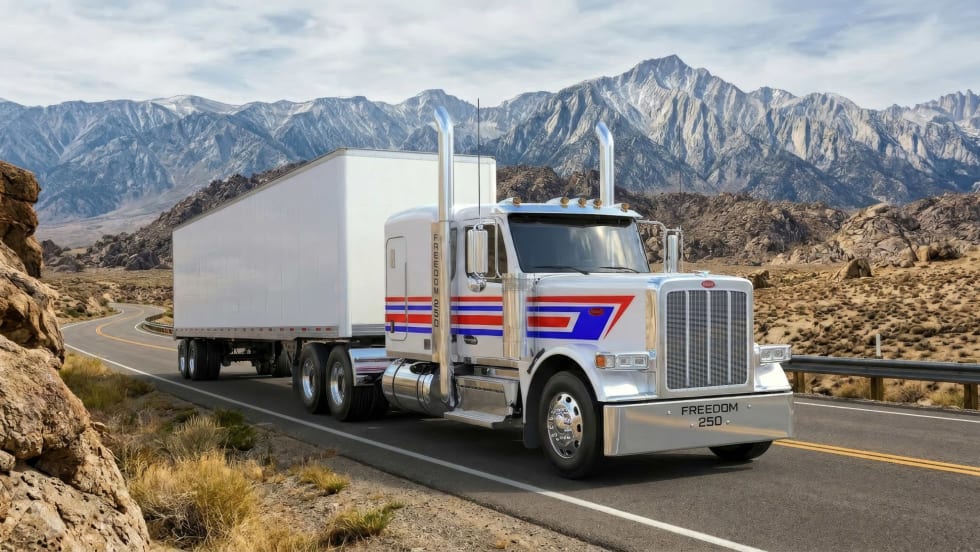
Peterbilt Unveils Freedom 250 Special Edition Model 589
Peterbilt’s just-announced limited-run patriotic Model 579 tractor celebrates America’s 250th birthday with custom styling and premium features.
Read More →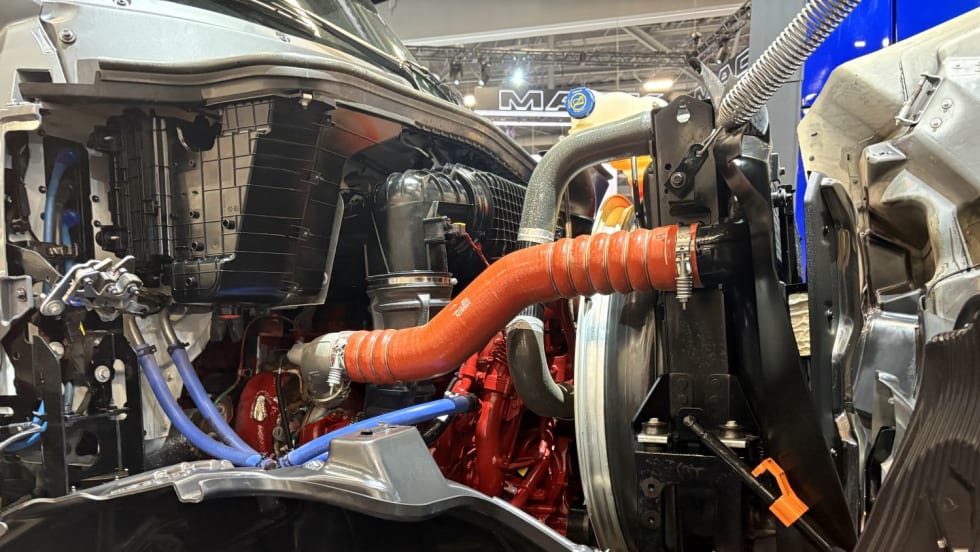
Mack Unveils EPA 2027-Compliant MP13 Engine With More Power, Better Fuel Economy
Along with unveiling its EPA 2027-compliant MP13 engine, Mack outlined powertrain changes across its Class 6-8 lineup, including new Cummins-based X10 engines.
Read More →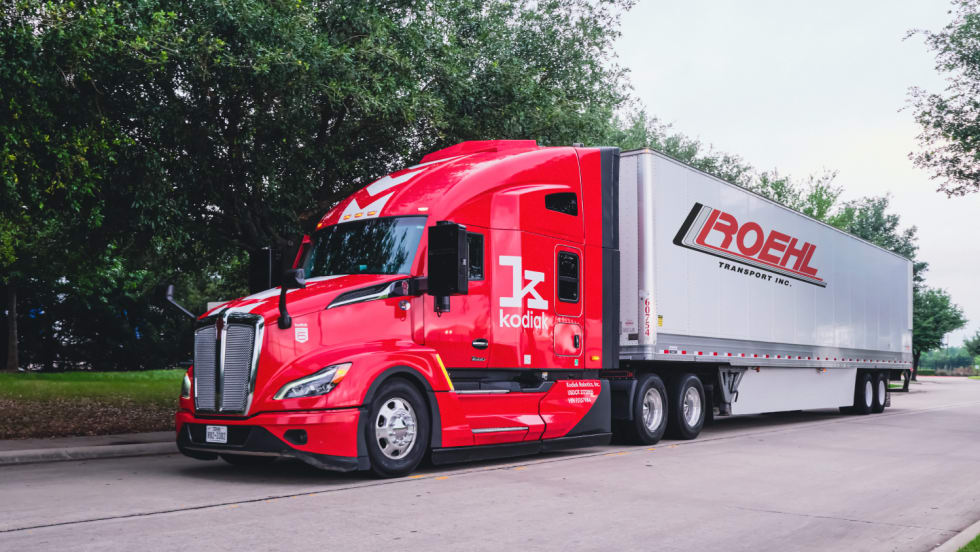
Kodiak and Roehl Transport Launch Autonomous Route Between Dallas and Houston
Kodiak AI and Roehl Transport have begun autonomous freight operations on a regular Dallas-Houston route, marking another step toward Kodiak’s planned driverless launch by the end of 2026.
Read More →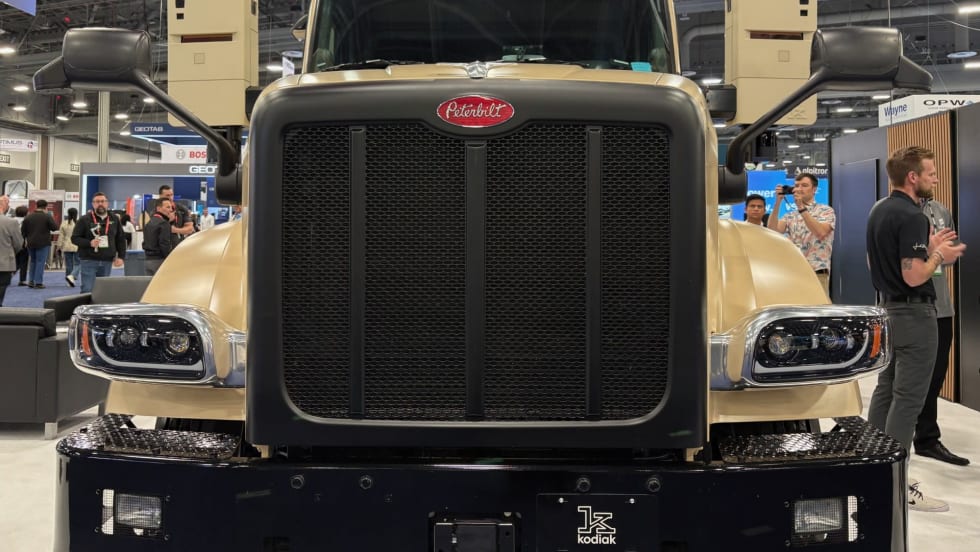
Autonomous Trucks at ACT Expo 2026
Autonomous trucks commanded a lot of attention from attendees at ACT Expo this year. Check out this photo gallery.
Read More →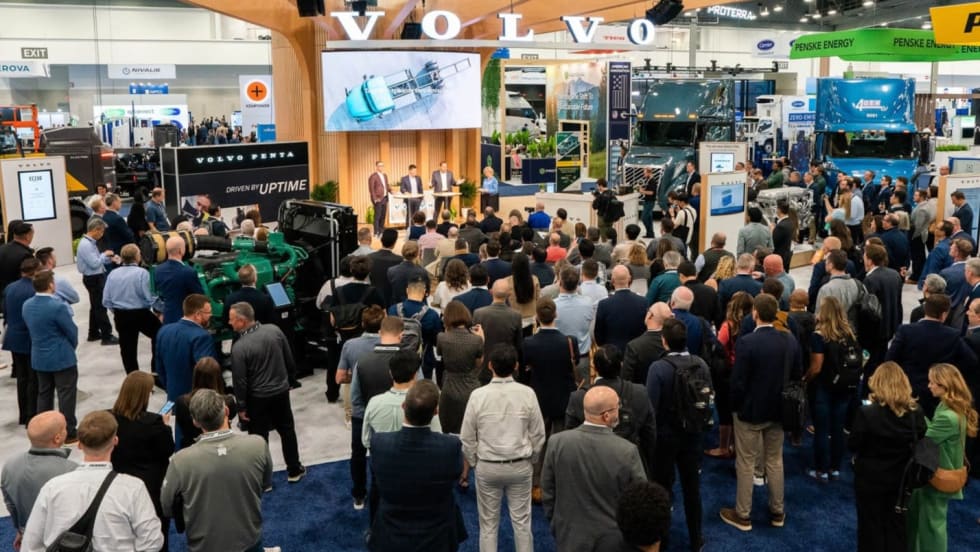
How Volvo’s New D13 Engine Meets EPA 2027 Emissions Without Sacrificing Power or Fuel Efficiency
Volvo says advances in combustion and aftertreatment helped its new EPA 2027 D13 engine avoid the fuel-economy penalties many once expected from tighter NOx emissions limits.
Read More →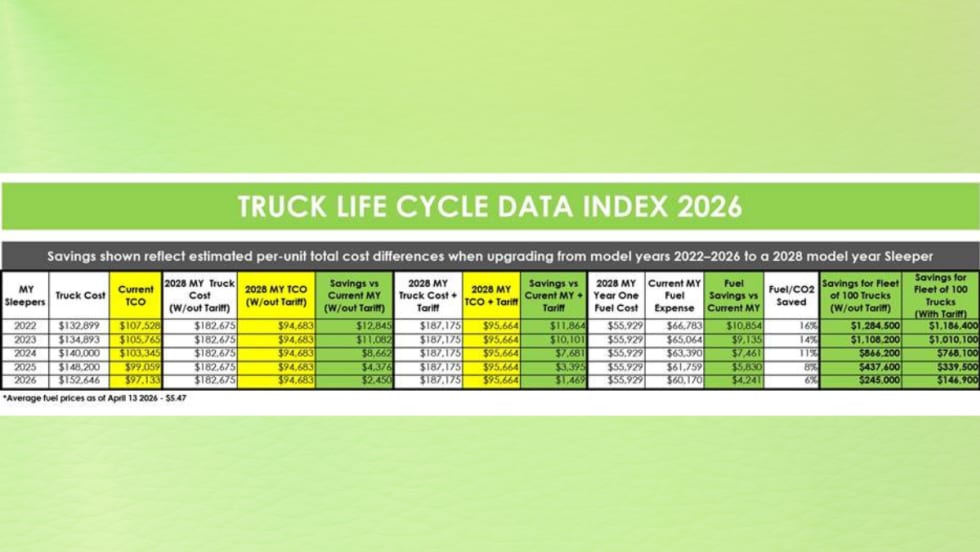
Fleet Advantage TLDI Highlights Rising Costs of Aging Fleet Equipment Amid Higher Diesel Prices
Fleet Advantage’s latest Truck Life Cycle Data Index shows fleets operating older Class 8 trucks could face significantly higher costs as diesel prices rise, while newer 2028 equipment may deliver savings of more than $12,000 per truck annually.
Read More →