





Hyundai, Daimler and Toyota Announce New Hydrogen Fuel Cell Initiatives
Report Highlights Accelerating Path to Zero-Emissions Freight
Zero-emission freight vehicle technology is advancing rapidly and will eventually offer fleets lower cost of ownership than diesel-powered trucks, according to a new report from a consortium of groups led by Calstart.
December 14, 2020
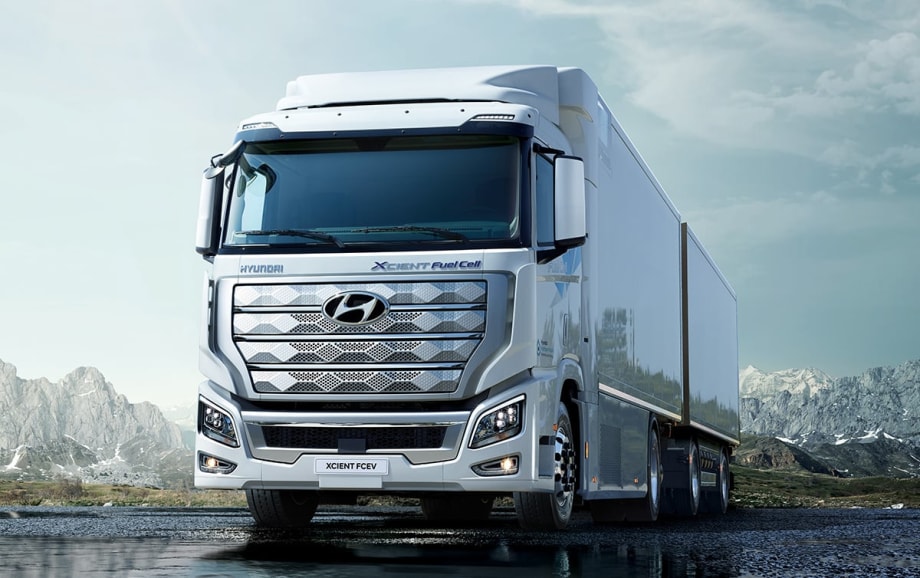
A new report on the growth of zero emissions freight vehicles is proposing a host of governental and private sector actions to speed development and deployment into the marketplace.
Photo: Hyundai USA
4 min to read
Zero-emission freight vehicle technology is advancing rapidly and will soon reach an inflection point in which these advanced vehicles can replace diesel freight vehicles in most applications, ranges and uses, starting in urban settings, according to a new report..
Moving Zero-Emission Freight Toward Commercialization, from Calstart and Fier Automotive & Mobility, analyzes market trends, new technologies, and the actions that governments and industry can take to accelerate zero-emission vehicle commercialization.
“Freight trucks represent just 4% of on-road vehicles, but they create more than half of on-road pollution,” said Cristiano Façanha, co-author of the report and global director of Calstart’s Global Commercial Vehicle Drive to Zero program and campaign. “Getting to a point where we can essentially ‘drag and drop’ zero-emission freight vehicles in to replace their diesel counterparts will bring economic, environmental, health and other community benefits – particularly for those in disadvantaged communities where freight vehicles have the most emissions impact.”
Drive to Zero’s goal is to drive market viability for zero-emission commercial vehicles in key vehicle segments in urban communities by 2025 and achieve full market penetration by 2040. Fier Automotive was founded at the Erasmus University in Rotterdam to facilitate innovative and economic research in the automotive industry and describes itself as an "expert in business development in the field of sustainable mobility."
The report, which focuses its analysis on freight vehicles (all-electric cargo vans, all-electric medium-duty delivery trucks and yard tractors, and heavy-duty regional and long-haul trucks, including hydrogen fuel cell and battery-electric) was prepared for The International ZEV Alliance. It offers the following conclusions:
Different segments of the ZEFV market are at different stages of the commercialization curve. Lighter trucks are in an early commercial stage, medium-duty are in the pilot to small scale commercialization stage, and heavy-duty ZEFVs are in the demonstration to pilot phase.
Model availability is accelerating and range is growing, with several planned models expecting to exceed 600 miles by 2023. By the end of 2020, manufacturers for each on-road vehicle segment will offer at least 10 distinct vehicle models in the US, Canada and Europe.
Many ZEFV range capabilities (125 to 250 miles) meet most operational needs, as 60% of trucks' daily movements are below 250 miles.
Most ZEFV segments will reach cost parity with diesel freight vehicles before 2030. According to the report, fleets in Europe can expect heavy-duty, medium-duty and cargo van ZEFV segments to actually have a lower total cost of ownership compared to diesel by that year. (TCO analysis focused on European markets to help control for variables in fuel prices, vehicle purchase and depreciation estimates, and other factors. The analysis focused solely on vehicle costs.)
The report also recognizes current policies and programs that are driving commercialization, such as fuel economy and GHG emissions standards, zero-emission sales requirements such as in California’s, vehicle registration limits and exemptions, controlled access zones, and low-carbon or renewable fuel standards.
Additional policy, action, and infrastructure recommendations the report makes for accelerating ZEFV commercialization include:
Adoption of ZEFV sales regulations
Purchase requirements that mirror sales regulation targets
Purchase incentives
Implementation of zero-emission zones in dense areas
Fuel and road pricing
National programs for infrastructure growth and interoperability
Energy grid upgrades and interconnection improvements
Smart charging incentives
Hydrogen as a complementary fueling strategy
Cross-regional alignment of ZEFV deployment and policy/program/action ecosystems
The report concludes that ZEFVs can reach the commercialization stage faster by targeting vehicle and infrastructure deployment in first-success segments where zero-emission technologies are most readily available, building supportive policies and incentives, and aligning deployment and eco-systems across leading markets.
At this stage, the report identifies urban applications as a first target for investment and growth, because that application supports the market acceleration of multiple other ZEFV segments and the broader market.
"Industry support for zero-emission freight technologies is growing to meet government and consumer demand for reliable service delivered cleanly and equitably,” said Dan Welch, co-author of the report and senior project manager for Calstart, adding that a number of fleets and governments have been recognized by the organization for taking early action to drive commercialization of ZEFVs. DHL, Ikea, FedEx, UPS, Anheuser-Busch, Amazon, and the cities of Los Angeles and New York are among those recognized by Calstart for boosting this emerging market through adoption, ambitious zero-emission goals, investment and driving increased visibility for ZEFVs.
More Fuel Smarts
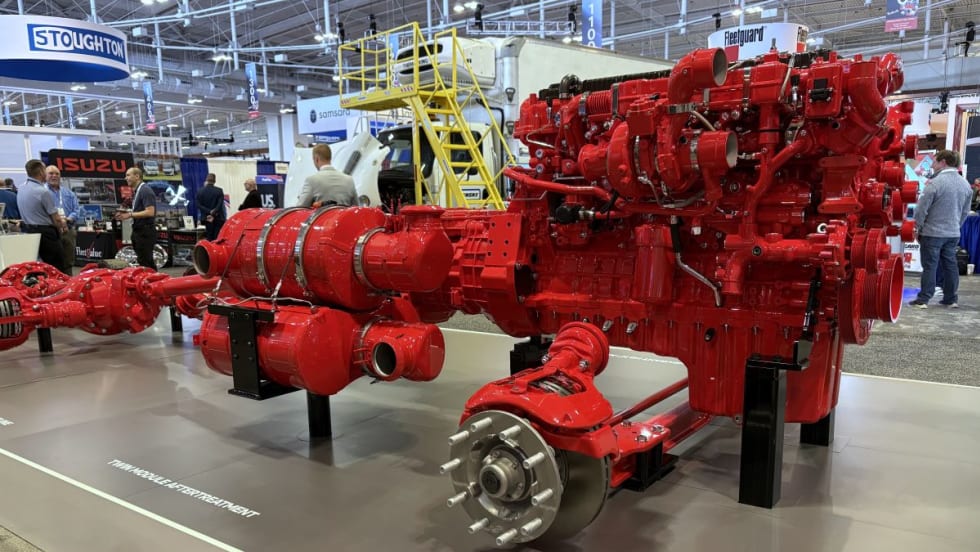
Cummins Adjusts 2027 Engine Rollout After EPA Proposal
The engine maker will gradually introduce its new Model Year 2027 diesel engines while continuing to offer current models during the transition, citing the EPA's proposed emissions rule changes.
Read More →
EPA Proposal Could Ease 2027 Truck Costs and Buying Uncertainty
The proposal doesn't change the tougher NOx standard, but it would revise key implementation requirements that manufacturers say have driven up costs and complicated fleet purchasing decisions.
Read More →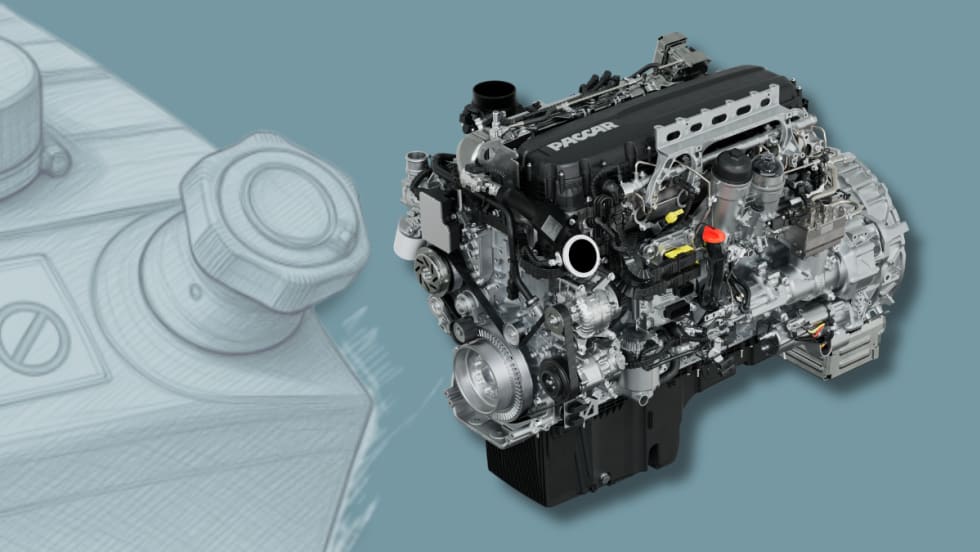
Cummins, Paccar Ease DEF Derates After EPA Guidance
Updated diesel engine software gives truck operators more time to address emissions-system issues while staying compliant with EPA emissions standards.
Read More →
Maintenance in the Messy Middle Part 3: Biodiesel
Biodiesel can reduce emissions, improve fuel-system lubricity and use existing diesel infrastructure. But NACFE’s Messy Middle maintenance report says fleets must actively manage storage, cold-weather operation, filters and oil drain intervals to avoid problems.
Read More →
Enhance Fleet Performance with High-Efficiency Auxiliary Power Units
Drive sustainable cost savings while increasing driver comfort during short- and long-haul logistics operations.
Read More →
Maintenance in the ‘Messy Middle’ Part 2: Renewable Diesel Fuel
NACFE's latest Messy Middle Powertrain Service & Maintenance report says renewable diesel gives fleets an opportunity to reduce carbon emissions without changing trucks, fueling infrastructure or maintenance practices. But technicians still need to understand several important operational differences.
Read More →
The Diesel Engine Enters NACFE’s ‘Messy Middle’
NACFE’s new Messy Middle Powertrain Service & Maintenance report says keeping modern diesel engines running now depends as much on software, diagnostics and data as traditional mechanical service.
Read More →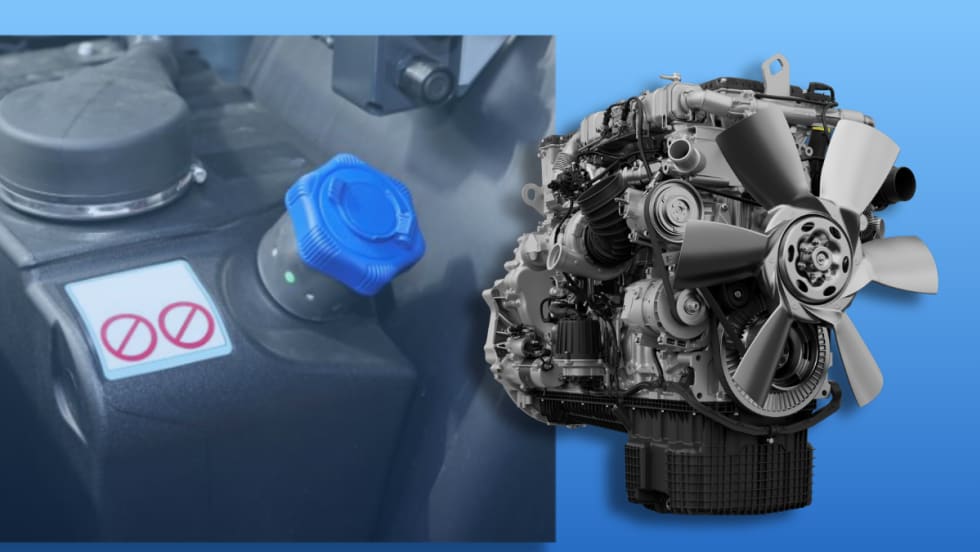
DTNA Software Update Gives Truckers More Time Before DEF Derates Take Effect
The changes reflect EPA guidance aimed at reducing downtime caused by emissions-system faults while maintaining compliance requirements.
Read More →
New Agentic Predictive Maintenance Report Demonstrates How Degraded Aftertreatment Systems Waste Fuel
Questar analyzed a large mixed-class fleet and discovered it was wasting as much as $30 in fuel per vehicle, per day, because of mechanically degraded aftertreatment systems.
Read More →
New York City's Microhub Project is Delivering Results
Trucking, last-mile delivery companies, and environmental advocates like what they are seeing so far with New York's microhub program.
Read More →