




England Van Lines Retrofitting Trucks with Stop-Start Technology
California-based England Van Lines plans to retrofit its fleet of moving trucks in San Jose with new stop-start technology allowing drivers to coast through traffic lights without having to stop.
California-based England Van Lines plans to retrofit its fleet of moving trucks in San Jose with new stop-start technology allowing drivers to coast through traffic lights without having to stop. If a stop is required, the vehicles will automatically cut their engines in order to conserve energy.
Internal computer processors, which were recently integrated with the vehicles, will soon be paired with stop-start software and hardware capable of automatically turning a vehicle's engine on or off, depending on the situation.
Currently, company trucks are already able to use high definition cameras to survey the surrounding environment and inform the driver how to best drive defensively in heavy traffic or during poor weather, according to the company.
“The new technology will take advantage of wireless signals emitted by traffic lights in order to inform the driver of the exact speed that needs to be followed in order to avoid upcoming red lights. If the driver for some reason catches the red light anyway, then the engine will automatically shut down as soon as the driver makes a full stop,” the company said in a release. “The engine will then automatically reactivate seconds before the light turns green.”
The company did not disclose the manufacturer name of the technology it is using.
More Equipment
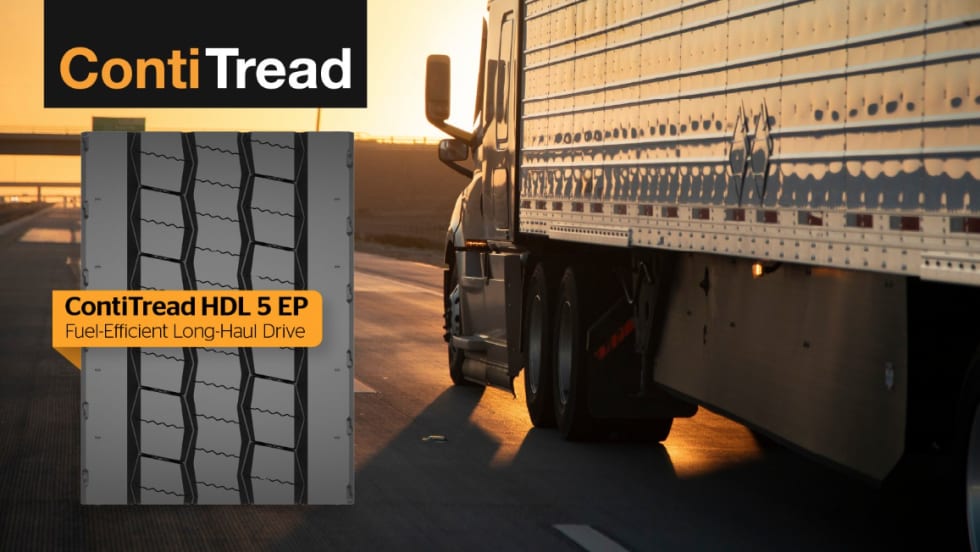
Continental Expands Retread Lineup With New ContiTread HDL 5 EP
New long-haul drive retread is designed to improve fuel efficiency, extend tread life, and lower fleets' cost per mile.
Read More →
EPA Proposal Could Ease 2027 Truck Costs and Buying Uncertainty
The proposal doesn't change the tougher NOx standard, but it would revise key implementation requirements that manufacturers say have driven up costs and complicated fleet purchasing decisions.
Read More →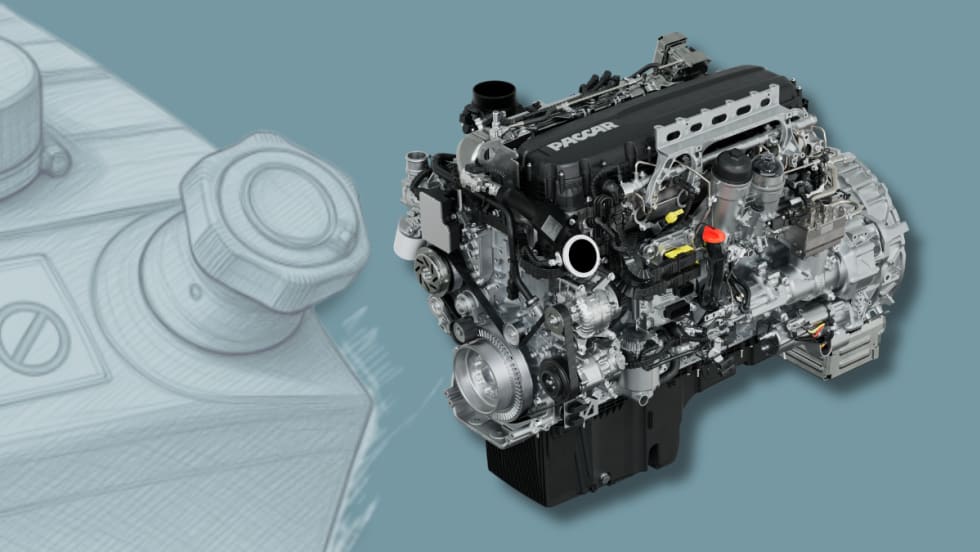
Cummins, Paccar Ease DEF Derates After EPA Guidance
Updated diesel engine software gives truck operators more time to address emissions-system issues while staying compliant with EPA emissions standards.
Read More →

America at 250: How the Truck Helped Connect a Continent
America was founded on revolutionary ideas, but it was built by movement. For 250 years, the nation has depended on ever-better ways to move people, products, and prosperity across a vast continent. No machine has carried that mission further — or more faithfully — than the truck.
Read More →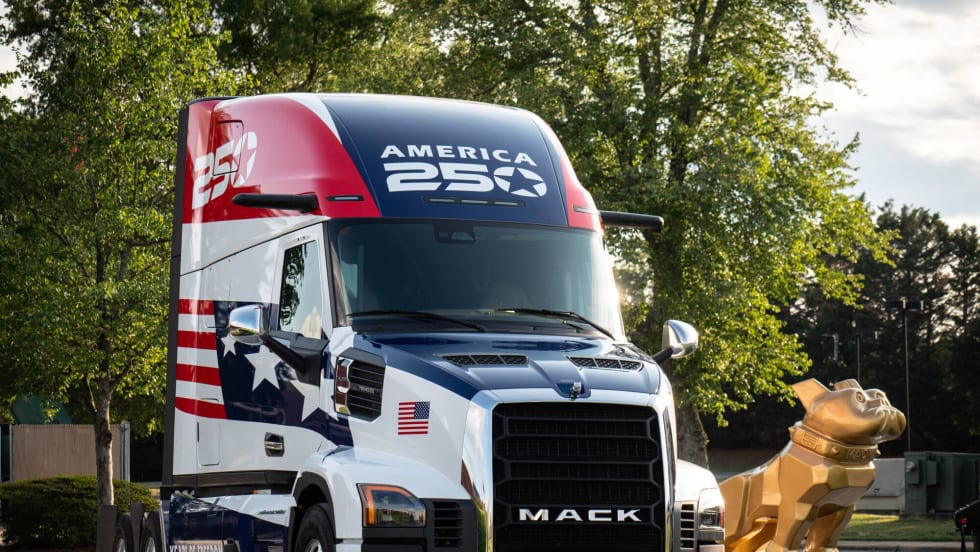
Mack Unveils America 250 Tribute Truck to Celebrate Nation's Semiquincentennial
Just in time for the Fourth of July! Mack unveils a brand-new patriotic, limited-edition, red, white, and blue truck wrap.
Read More →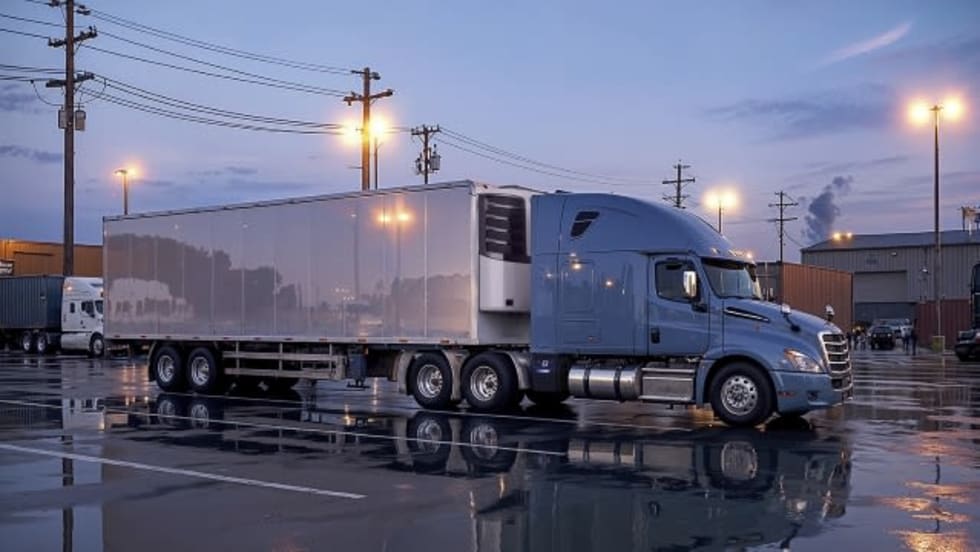
Enhance Fleet Performance with High-Efficiency Auxiliary Power Units
Drive sustainable cost savings while increasing driver comfort during short- and long-haul logistics operations.
Read More →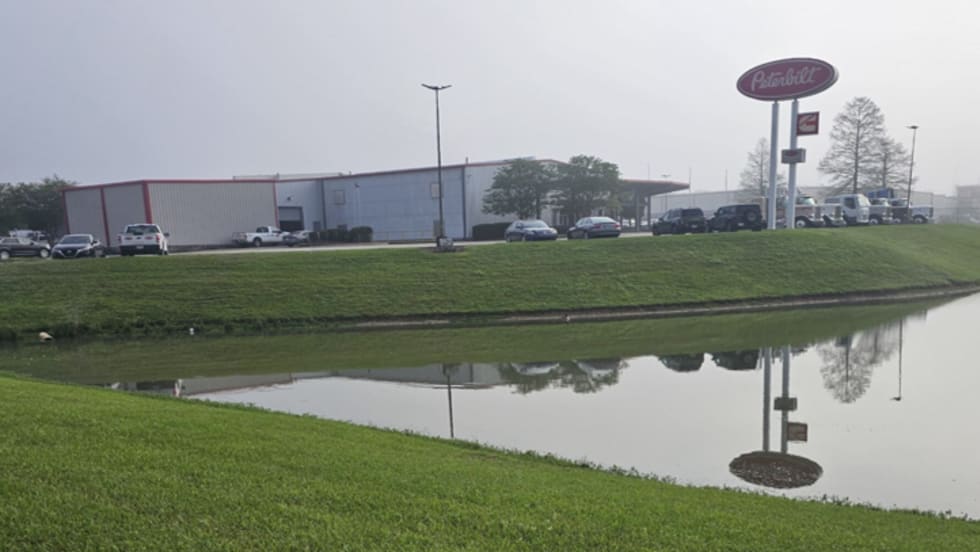
Rush Expands Gulf Coast Peterbilt Network With Louisiana Acquisition
The expanded Rush network gives fleets additional sales, service, leasing and collision repair support across Louisiana's major trucking markets.
Read More →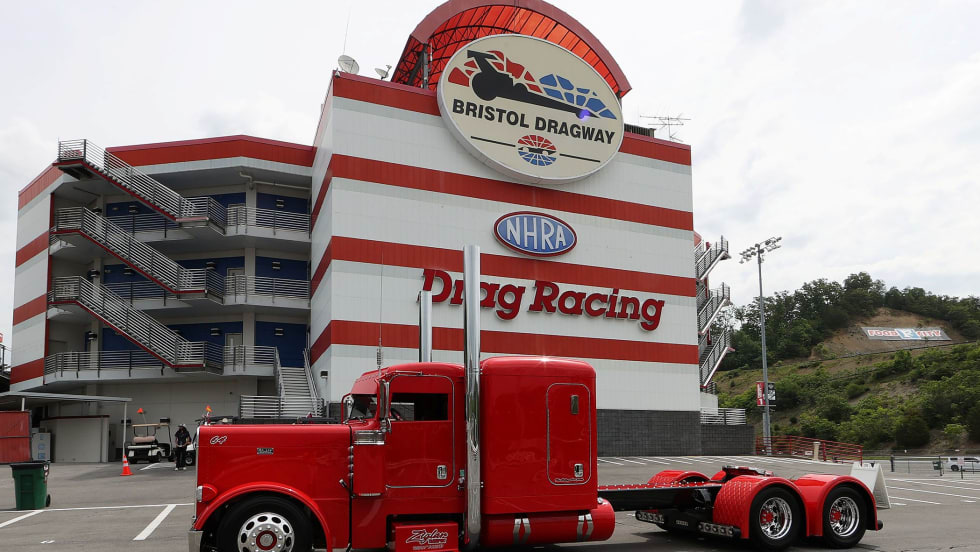
Photos: Shell SuperRigs Light Up Bristol Tennessee
Kenny Ziglar II of Rawlins, Wyo., captured Best of Show honors for the second consecutive year with his 2007 Peterbilt 379, nicknamed “Scrapin By,” at the 44th Annual Shell Rotella SuperRigs competition held June 25-27 at Bristol Motor Speedway in Bristol, Tenn.
Read More →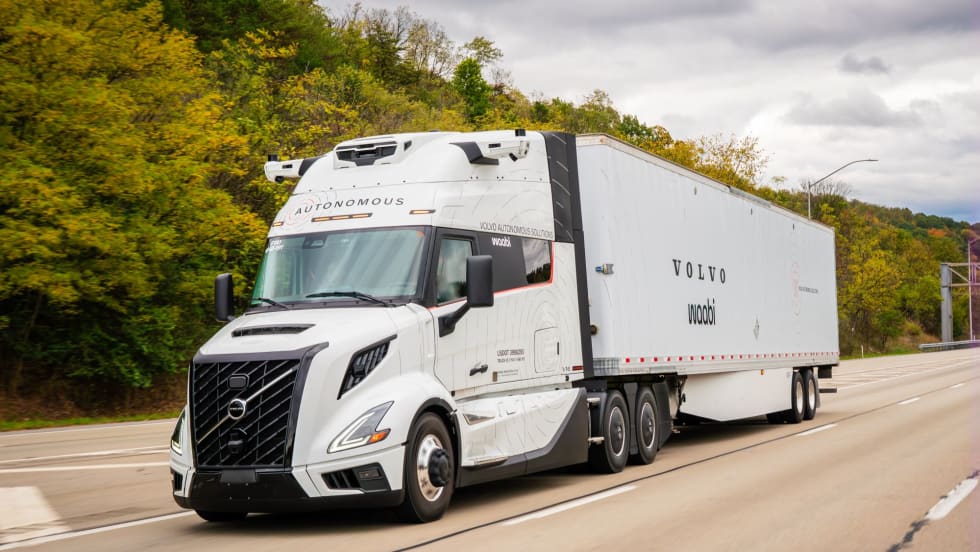
Waabi, Volvo Claim Breakthrough in Scaling Autonomous Trucking
Waabi says its AI-powered virtual driver successfully transferred to Volvo Autonomous Solutions' Volvo VNL Autonomous platform without retraining or additional data, a milestone the companies say could dramatically accelerate commercialization of autonomous trucks.
Read More →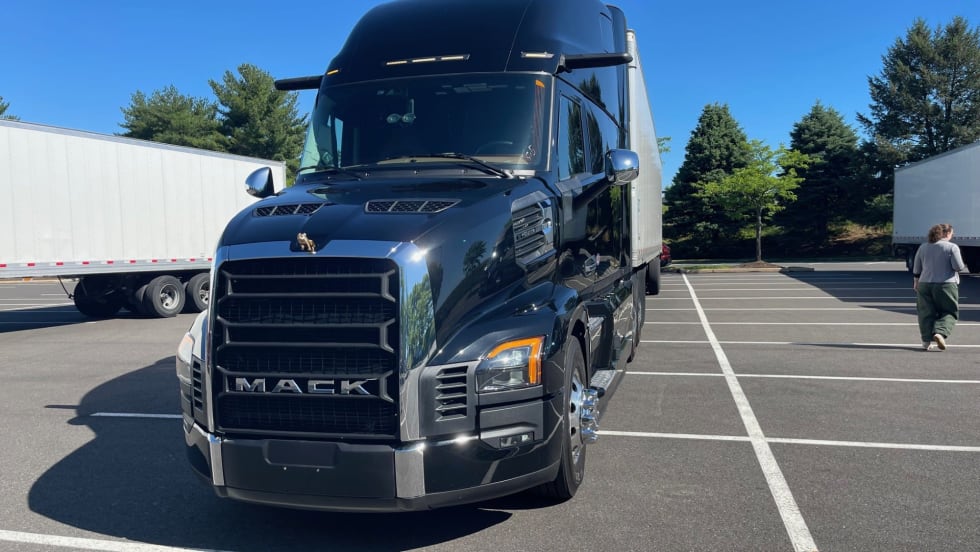
Why the Mack Pioneer Signals a New Era in Class 8 Truck Design
After a public-road drive through eastern Pennsylvania, one thing became clear: Mack's new Pioneer isn't simply packed with technology -- it's been engineered around the driver in ways that could redefine long-haul trucking.
Read More →