




Economy Shuffles Along
ORLANDO, Fla. - Unless we go over the "fiscal cliff," the U.S. economy should continue to grow, but at a very modest rate, said Bob Costello, chief economist and vice president of the American Trucking Associations

ORLANDO, Fla. - Unless we go over the "fiscal cliff," the U.S. economy should continue to grow, but at a very modest rate, said Bob Costello, chief economist and vice president of the American Trucking Associations.
Speaking at TMW System's Transforum 2012 User Conference this week, Costello affirmed there were still a lot of concerns on the economy, but noted that the good news was that where we are today, we only have about a 25% chance of a recession.
While that may sound ominous, he reminded his audience that at any time, there is a 10% chance of recession.
He predicts GDP growth will average a meager 1.5% through the rest of 2012 and into 2013. "We won't get to 2% growth until the 3rd quarter of next year," he said.
Many of the problems in the U.S. - specifically the "fiscal cliff" - are policy related, he said, but there are real problems in Europe that could have adverse effects on the economy.
Costello noted that while manufacturing is outperforming GDP, manufacturing output has been volatile, although the trend line for the last six months has been pretty flat. New factory orders indicate what is going to happen in manufacturing, and there are no large backlog sof orders on the board.
"On a year-to-date basis, factory orders are not growing," he said. "Orders in July and August this year was exactly what it was last July and August. We are not going to see the types of growth out of the manufacturing sector that we've seen over the last couple of years."
One area that is improving: housing. An improved housing market would help trucking.
"Housing is turning the corner - it is one area that is really improving." He said he would not be surprised if in three years there is a housing shortage in this country because "we've been underbuilding since the recession. We've been below the replacement threshold for some time."
He said family formation is one of the biggest drivers in housing. Because of the weak job market, many recent college graduates and other young people continue to live with their parents. Once the job market improves and pay goes up, more families will start forming as these young people move into their own homes.
Costello said that inventories are a concern, or at least the ratio of inventory to sales.
"Since 1990, there has been a dramatic decline in the inventory to sales ratio because the supply chain has become much more efficient," he explained, "but over last few months, inventories have moved slightly up as retail sales have fallen."
Low inventories usually mean more freight, so this indicator is going in the wrong direction. He said most retailers don't believe this holiday season will be as good as last holiday season. It will be up, but not grow as fast as last year.
Costello described the job market as schizophrenic. "My advice to you -- ignore the unemployment rate going forward." Because unemployment figures do not include those who have given up on looking for a job, he recommended paying more attention to monthly job growth.
"We need to be creating 200,000 jobs each month to get the unemployment rate down," he said. "I'll take 150,000 at this point, but if we are below 100,000 for a period of time, that is not good."
Costello thinks problems in the Eurozone will have an impact on the Euro. Greece and other countries are in such dire straits, they may have to start printing their own money again. The effect will be to drop the Euro's value against the dollar. While those countries will be in trouble in the short term, he thinks it "will probably be good for them long term."
Costello said he is somewhat pessimistic regarding the "fiscal cliff," the nickname for what will happen if Congress and the administration do not agree on a long-term spending and debt-reduction plan. The trigger cuts scheduled to kick in if no budget deal is reached will mean a "half-trillion dollar hit on the economy."
His pessimism is because "the problem is a policy problem, and businesses have reduced hiring and investment because of the uncertainty."
Costello said he thinks the current Congress will kick the can down the road, which will further hurt the economy.
"Corporations have a record amount of cash on hand, but they are not going to invest it until Congress and the administration can get their act together. Good risk-taking is on the sideline."
He said what is most likely to happen is that we won't fall off the 'fiscal cliff,' but after the election, when there will be a lame duck Congress and perhaps a new administration, they will "punt until next summer."
More Fleet Management

What the U.S.-Canada Trade War Means for Trucking
Escalating U.S.-Canada tariffs could disrupt cross-border freight, reduce truck volumes, raise costs, and create new uncertainty for carriers on both sides of the border.
Read More →
What Are Trucking’s Top Concerns for 2026?
The American Transportation Research Institute wants to know what's worrying trucking fleet managers, drivers, and other stakeholders in its annual Industry Issues survey.
Read More →
American Trucking Associations Looks for a New Leader
ATA President and CEO Chris Spear abruptly left his job at the association on August 21, at a pivotal time for the trucking industry.
Read More →
Public Wi-Fi Cybersecurity Risks: How Truck Drivers and Fleets Can Protect Their Data
Public Wi-Fi can expose truck drivers and fleets to credential theft, malware, and other cyber threats. Here’s how to reduce the risk on the road.
Read More →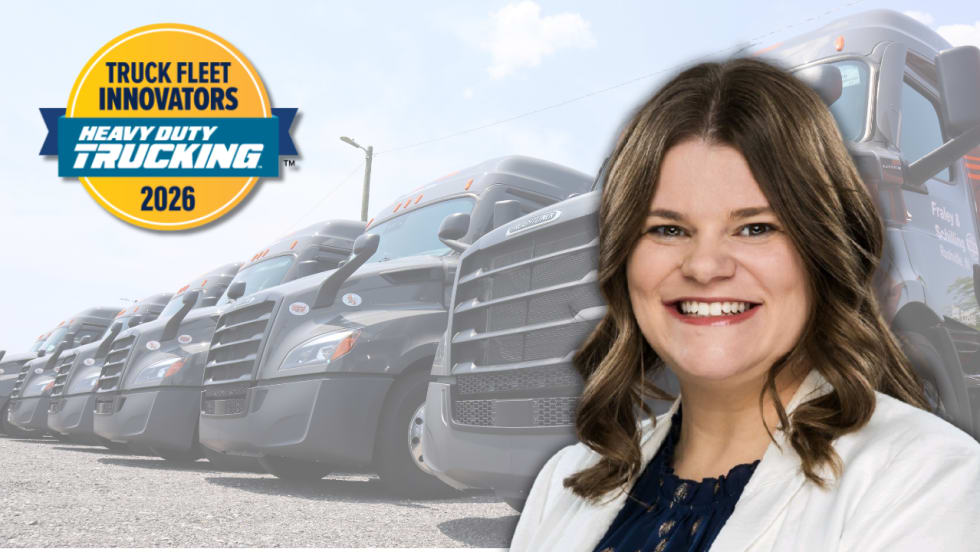
For Nicky Cupp, Fleet Innovation Starts With Frustration
HDT Truck Fleet Innovator Nicky Cupp turns everyday pain points at Fraley & Schilling into opportunities for better technology and smarter processes.
Read More →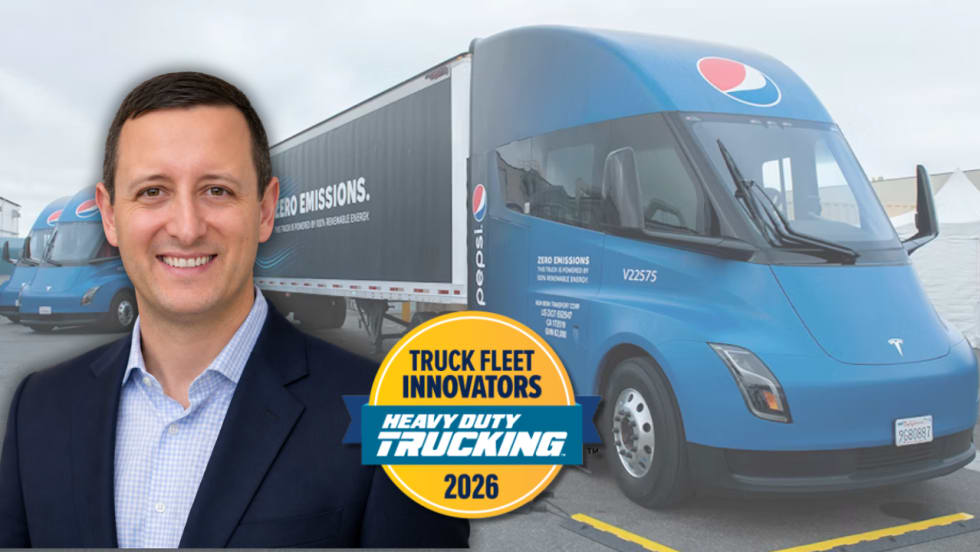
Adam Buttgenbach’s Approach to Electric Trucks: Start With Where They Fit
HDT Truck Fleet Innovator Adam Buttgenbach helped PepsiCo build one of North America’s largest EV fleets by focusing on where electric trucks make operational sense.
Read More →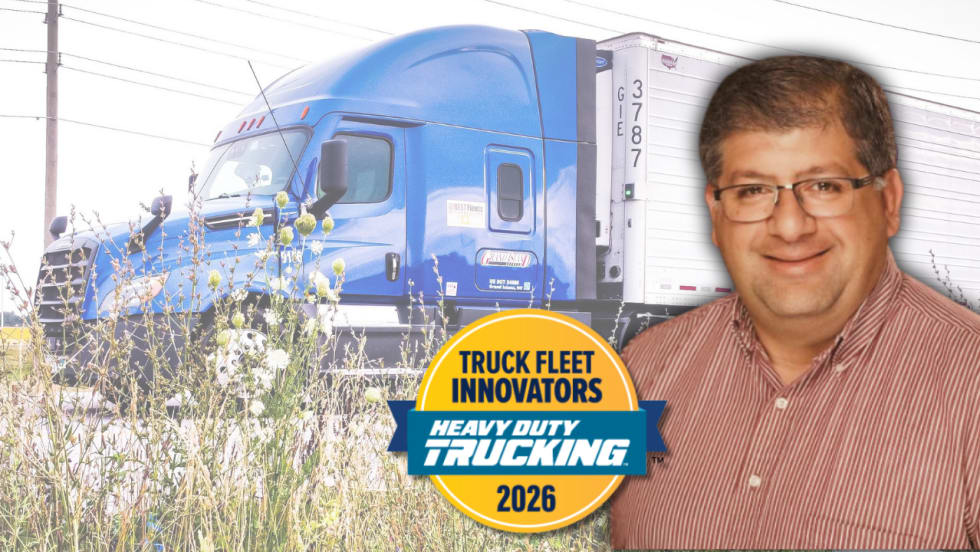
Deen Albert: Let Automation Do the Math, People Make the Decisions
HDT Truck Fleet Innovator Deen Albert makes sure people are still at the heart of operations at Grand Island Express, even while adopting artificial intelligence tools. AI-assisted dispatch helped boost revenue 25% with the same number of trucks.
Read More →
Trimble’s New AI Agent Takes Aim at Fleet Back-Office Busywork
Arc Agent works across Trimble TMS products to automate repetitive tasks such as freight orders, maintenance, invoices, fuel costs and more.
Read More →
How HDT’s 2026 Truck Fleet Innovators Are Rethinking Fleet Operations
Meet five trucking leaders who are challenging assumptions, solving operational problems, and putting innovative ideas to work.
Read More →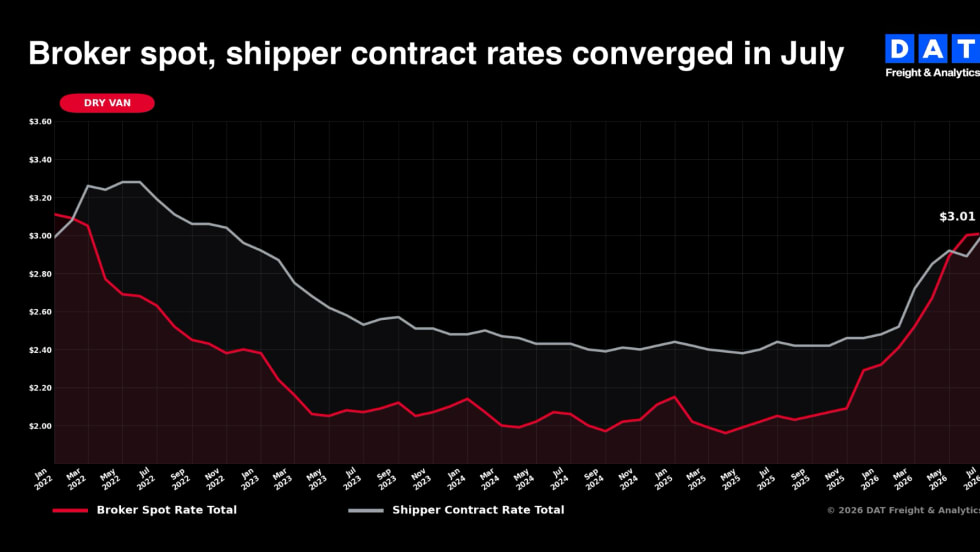
Tight Trucking Capacity Pushes Rates Higher Even as Freight Volumes Fall
“Spot rates moving ahead of contract rates have historically signaled a tightening market, but we haven’t seen a capacity-driven market quite like this one,” said DAT's Dean Croke.
Read More →