




Daimler Deals with Booming Market, Preps Electric Trucks
Daimler Trucks North America chief Roger Nielsen spoke about managing a runaway truck market, electric trucks, automation and more to trucking reporters at the American Trucking Associations' conference in Austin, Texas.


Roger Nielsen, president and CEO of Daimler Trucks North America, speaks to reporters at the American Trucking Associations' Management Conference & Exhibition.
Booming truck sales pushed by a strong economy create their own headaches, which Daimler Trucks North America is dealing with even as it pushes forward on electric trucks, advanced safety technologies/automation, connectivity and other projects.
In February, DTNA President and CEO Roger Nielsen told truck journalists that he expected the industry to sell 420,000 Class 8 trucks in North America this year. He’s upped that expectation to “somewhat higher than 440,000,” he said Oct. 28 in a wide-ranging roundtable with truck reporters at the American Trucking Associations’ Management Conference and Exhibition in Austin, Texas.
“Definitely the market is a lot stronger than we ever expected it to be,” he said. “Over 330,000 vehicles were delivered through the end of September. 330,000 is a good year in itself, and we’ve still got three months to go.”
DTNA’s market share has slipped a bit, to 38%, which Nielsen said was largely due from supply chain challenges. “We’ve had a lot of lingering effects from instability in the supply chain that has hounded us all year and continues to be a daily challenge.” Running at “peak volume and capacity,” as he put it, means even small supply chain hiccups can cause big problems. However, “We’ve seen a lot of stabilization over the last two to three months and once again our factories are running at stable rates.”
There’s often speculation that some of the high truck order rate we’re seeing across the industry does not consist of “real” orders, which will evaporate as soon as the economy shows signs of going south. But Nielsen said DTNA has been working hard to keep that from happening, and indications are that other companies are likely doing the same.
Nielsen said Class 8 truck orders passed 52,000 in July, but if truck makers had accepted every order, it likely would have been in six digits. DTNA is working with dealers and customers to reassure them that they will be able to get trucks next year and they don’t have to place orders just to “save spots.”
“We know the industry can turn overnight, and we don’t want to lave people holding the hot potato, with too much inventory in dealer lots or trucks sitting on the fence at our customers,” he said.
When asked whether other truck makers took the same approach, he said, “I would say everybody’s in that reasonable mode. Nobody has an extraordinary amount of vehicles in the backlog, no more than would be expected.”
Electric trucks on the way
Even as it works to manage current demand and production, DTNA is progressing on electric trucks and other high-tech advances it highlighted in June at its Capital Market & Technology Day.
Nielsen said the company is “days away” from delivering the first vehicles of its Freightliner Electric Innovation Fleet. NFI and Penske will test a total of 30 pre-production Freighliner eCascadias and Business Class eM2 106 trucks.
It recently hosted them and other customers at an ‘electric vehicle council’ event, where fleet representatives got a chance to experience the vehicles first hand and offer their feedback for DTNA to use as it develops full production models.
Nielsen said in addition to experiencing the trucks (attendees especially commented on the acceleration and the quiet, based on a video DTNA shared with reporters), the council spent a lot of time talking about charging infrastructure, financial incentives, route planning and use cases.
Last month, Daimler made a large investment in Proterra, which Nielsen said is the largest supplier of electric bus technology in North America. While this initially is most applicable to Daimler’s bus-manufacturing operations, the underlying technology research will no doubt have implications for trucks as well.
DTNA’s electric trucks, which use existing cabs, may not be as futuristic-looking as trucks from startup competitors such as Tesla, Nikola, or Thor, but Nielsen said that’s the way fleets want it, based on comments from the recent electric vehicle council meeting.
“Our customers were really pleased with the fact we were able to take a vehicle they were familiar with, they know how to maintain, they know how drivers enjoy the cascadia, that it was a smooth transition from a diesel powered truck to an electric powered truck,” he explained. “The trucking companies have a difficult time attracting drivers. They’ve had good luck attracting drivers to the new generation of the Cascadia, so I don‘t see them too eager to change that cab interior. Drivers don't like change, good or bad.”
Similarly, he said, many fleets want to be able to buy and sell electric trucks on the same trade cycles they currently have with diesel trucks. “Customers aren’t expecting to change their trade cycle,” he said, because they buy new trucks every few years to take advantage of the latest technology available. “Just like [the trucks and engines designed to meet] diesel exhaust emissions, they should expect an improvement in energy consumption year over year.”
Questions such as trade cycle, residual value, expected battery life, etc., are ones DTNA hopes to be able to answer for customers as they evaluate these new technologies.
“Our customers want answers,” Nielsen said. “They’re getting pressure from different municipalities to come up with zero or near zero emissions vehicles and they want to know what to invest in. Not all experiences in the past have been very positive for them; they’re not going to jump into yet another new experience, so they’re looking this time around for us to get that confidence level up.”
Automated future
Nielsen also noted that Daimler is ramping up the autonomous vehicle research center it announced in June.
“We definitely believe there is a time in the future where Level 4 automation is going to be a positive business case,” he said. However, “we don’t see a case where we’ll be able to get rid of the driver in the trucks,” because “drivers do a lot of other services for customers. But we believe increasing the level of the automation in the vehicle will improve safety for the driver and others on the road.” He teased further automation developments when DTNA introduces the next version of its Detroit Assurance advanced driver assistance platform.
Asked about Daimler Trucks chief Martin Daum’s recent remarks about platooning not providing the type of real-world payback it would need to succeed, Nielsen agreed.
While it has some promise for fuel efficiency, he questioned whether the costs would be worth it – not just the equipment costs, but the costs to the drivers’ lifestyle, drivers’ stress level, and in organizational costs.
“As we talk to customers it is becoming difficult to find an application which would make sense to equip the whole fleet with that kind of technology,” he said.
DTNA will continue to do platooning research, pointing out that the company is learning a lot about safety, and called it “an interim step along the way to different levels of automation.”
“As we get further along with different levels of automated driving, it might get more palatable,” he mused. “You can imagine truck number two doesn’t have a driver behind the wheel; there might be a case like that for platooning.”
More Equipment

Detroit Opens Orders for EPA 2027 Engines
Detroit isn’t starting from scratch to meet EPA 2027 diesel emissions standards. Its Gen 6 DD13 and DD15 engines keep much of today’s platform while updating the fuel and aftertreatment systems.
Read More →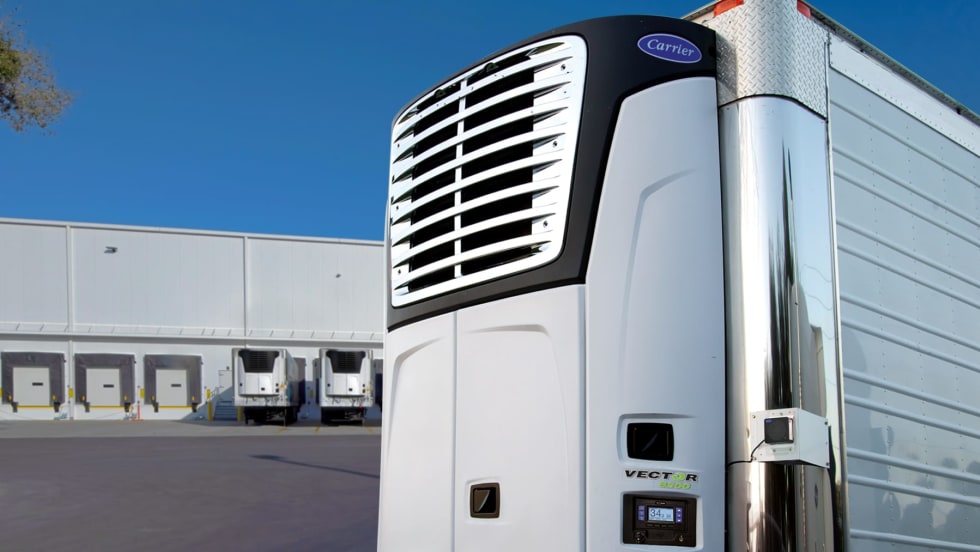
Carrier Transicold Adds All-Electric TRU for Stationary Cold Storage
Carrier Transicold’s new Vector 8200 all-electric transport refrigeration unit gives fleets a diesel-free option for temporary refrigerated and frozen trailer storage.
Read More →
A Closer Look at Kenworth’s Electric T880E Vocational Truck [Video]
Learn more about Kenworth's T880E battery-electric vocational truck at the Paccar Technical Center, including its range, applications, upfitting considerations, and PTO options, in this HDT Spotlight video.
Read More →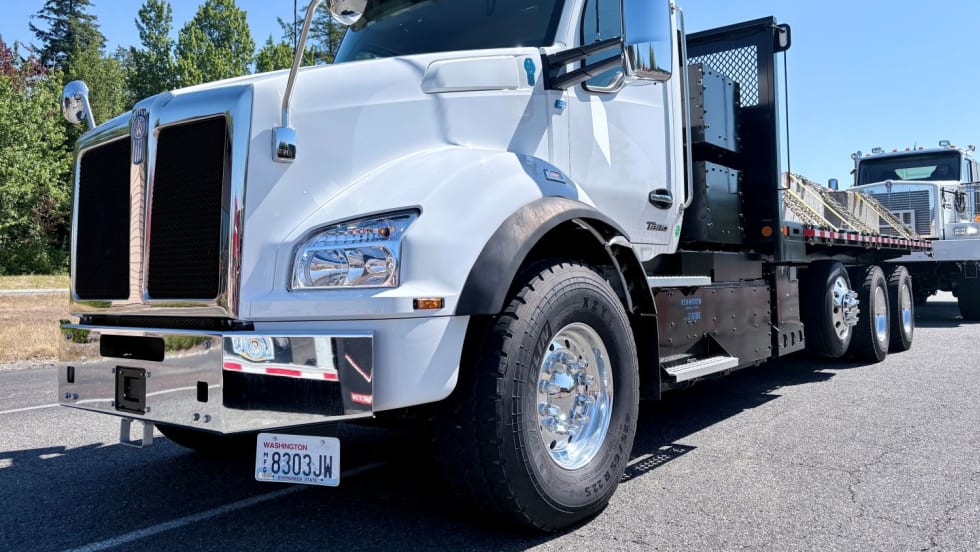
Kenworth T880E Brings EV Power to Vocational Trucks
A closer look at the Kenworth T880E’s range, charging, powertrain and upfit options — and where fleets are showing the most interest.
Read More →
What the U.S.-Canada Trade War Means for Trucking
Escalating U.S.-Canada tariffs could disrupt cross-border freight, reduce truck volumes, raise costs, and create new uncertainty for carriers on both sides of the border.
Read More →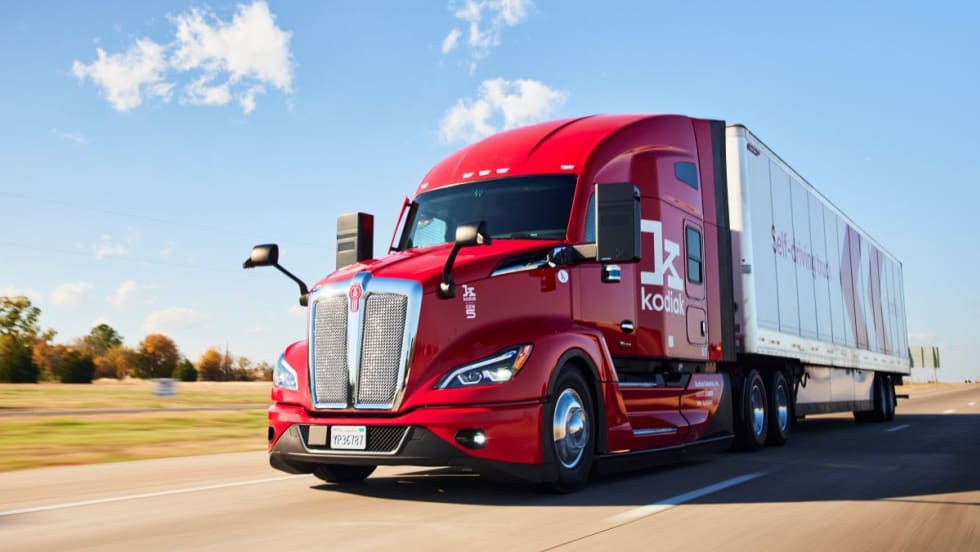
Autonomous Truck Testing Moves Ahead in California as Teamsters Challenge Rules
California has begun permitting heavy-duty autonomous truck testing, with Aurora and Kodiak among the first to receive approval, as the Teamsters sue the DMV over the new regulations.
Read More →
Behind the Wheel of the New Mack Anthem [Video]
HDT takes the new Mack Anthem around Mack’s Pennsylvania test track to see how its driver-focused design, technology, visibility and handling perform from behind the wheel.
Read More →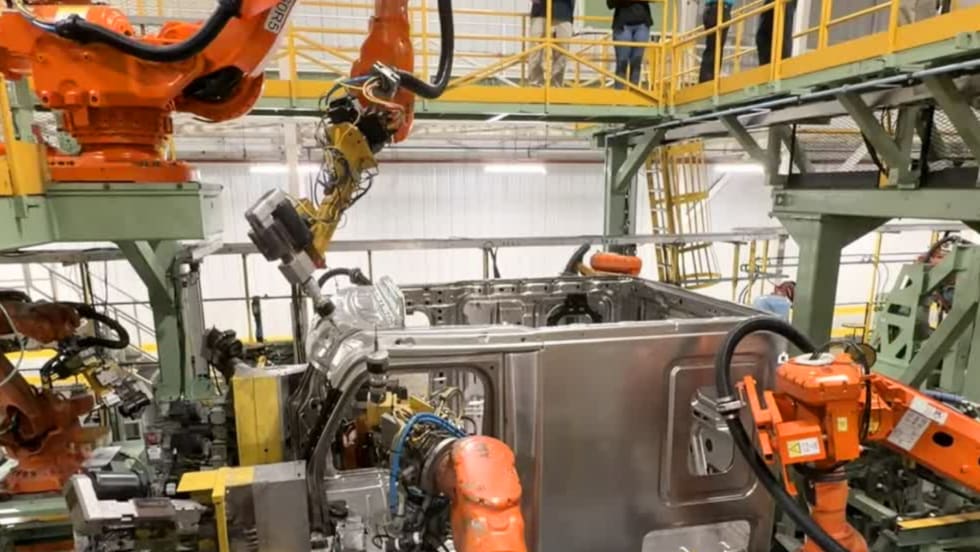
DTNA Plans New U.S. Truck Plant as Manufacturing Footprint Shifts
Daimler Truck North America is evaluating sites for a new assembly plant expected to open in 2029 while winding down operations at its longtime Portland manufacturing facility.
Read More →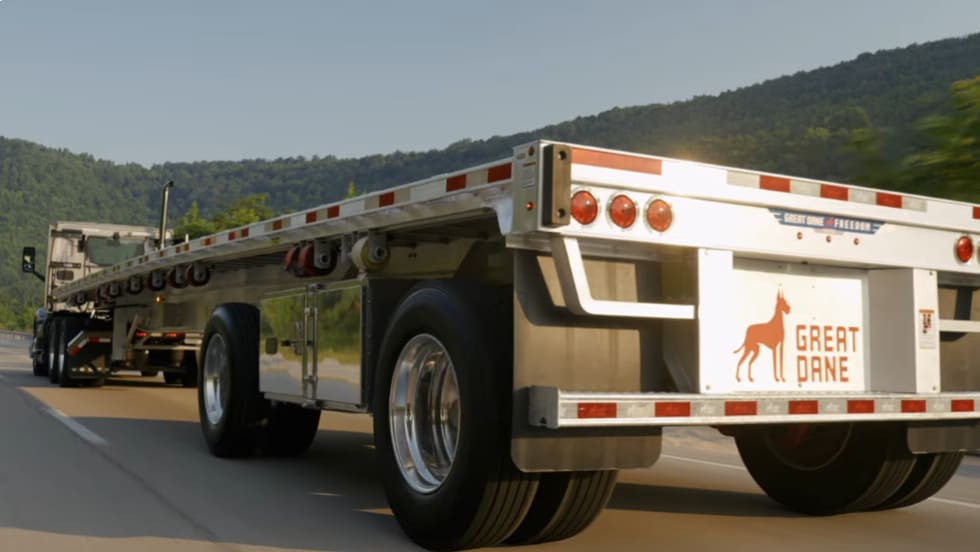
Great Dane Flatbed Trailer Offers Light Weight and Strength
Freedom Ultra is designed for a wide range of open-deck applications, including building materials, lumber, machinery, steel products, industrial freight, and coil hauling.
Read More →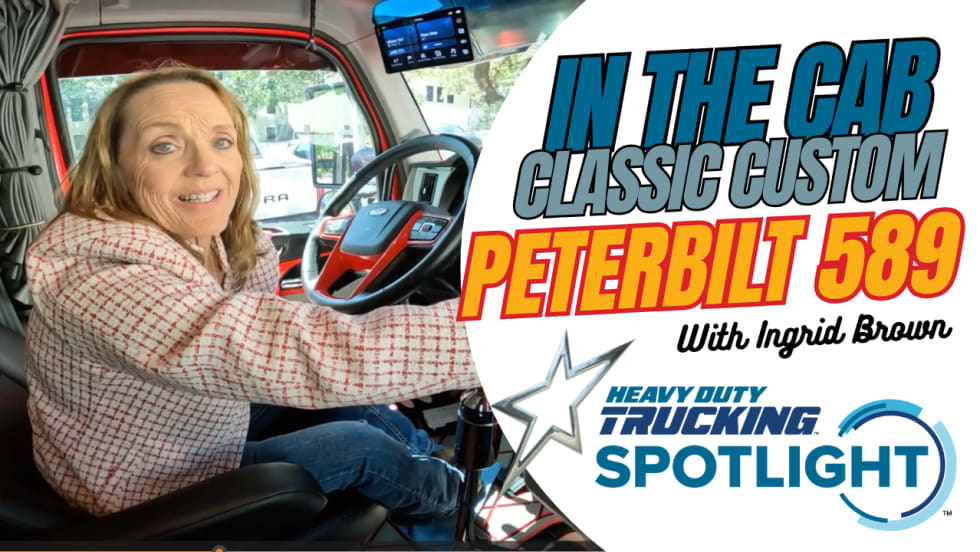
What It's Like Inside this Custom 2025 Peterbilt 589?
Take a driver's-eye tour of this customized 2025 Peterbilt 589 in this video, as longtime driver Ingrid Brown explains its features, compares it to previous models, and shares plenty of personality along the way.
Read More →