





Related: ATA Chief Spear Details Trucking Lobby’s Battle Plans
DOT Preempts California Meal and Rest Break Rules, Citing Impact on Interstate Commerce
The FMCSA announced that it is granting petitions to preempt California’s meal and rest break rules for truck drivers, which differ from current federal hours-of-service regulations.
December 21, 2018

FMCSA announced that it is granting petitions to preempt California’s meal and rest break rules for truck drivers, which differ from current Federal hours-of-service regulations.
Photo: Randy Heinitz Flickr
2 min to read
Trucking’s Hail Mary Pass to make federal hours-of-service laws fully the law of the land, both theoretically and practically, has been successfully completed.
The Federal Motor Carrier Safety Administration announced on Dec. 21 that it is granting petitions to preempt the State of California’s meal and rest break rules for truck drivers, which differ from current federal hours-of-service regulations.
FMCSA stated that the action, approved by Secretary of Transportation Elaine Chao, comes “in response to widespread concern from drivers, concerned citizens, and industry stakeholders. In 1996, the agency noted, Congress preempted states from enacting or enforcing policies “related to a price, route, or service of any motor carrier.”
DOT has determined that California’s law is “incompatible with Federal regulations and causes a disruption in interstate commerce. In addition, the confusing and conflicting requirements are overly burdensome for drivers and reduce productivity, increasing costs for consumers. Additionally, safety issues have likely resulted from the lack of adequate parking solutions for trucks in the State [of California].”
The American Trucking Associations applauded the decision as “a common sense safety ruling” that “asserts the federal government’s critical role in regulating interstate commerce.” In late September, ATA had petitioned Secretary Chao to preempt meal-and-rest break rules imposed by California on the grounds that “a patchwork of rules related to driver hours of service harms safety, is in conflict with federal rules and causes an unreasonable burden on interstate commerce.”
ATA had taken the unusual action of seeking DOT’s intervention after its lobbying efforts fell short several times in recent years to move a bill through Congress that would have resolved this issue legislatively.
FMCSA said in a statement that the determination to preempt the rules was made after over 700 public comments had been submitted to the Federal Register docket for the petitions
“Safety is FMCSA’s top priority and having uniform rules is a key component to increasing safety for our truck drivers,” said FMCSA Administrator Raymond P. Martinez. “During the public comment period, FMCSA heard directly from drivers, small business owners, and industry stakeholders that California’s meal and rest rules not only pose a safety risk, but also lead to a loss in productivity and ultimately hurt American consumers.”
More Fleet Management
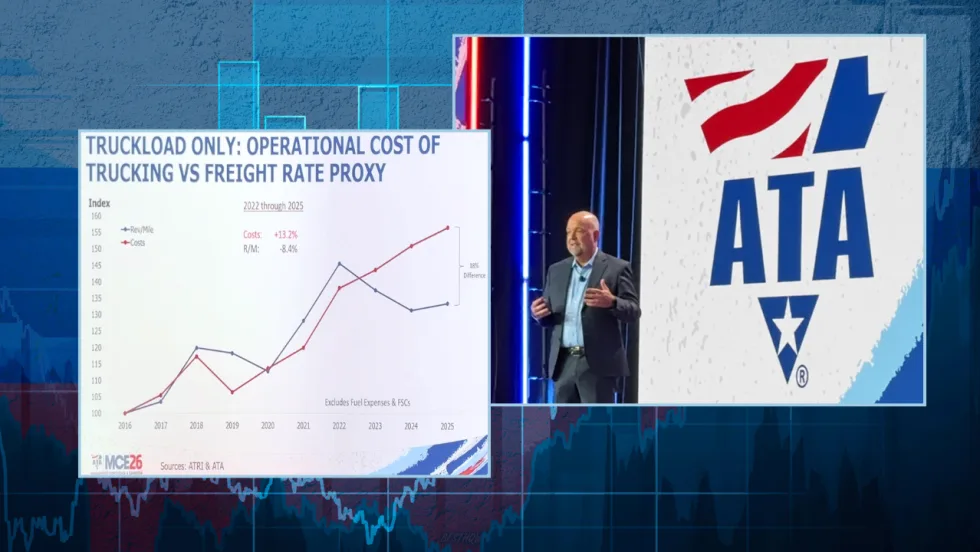
Why This Trucking Recovery Is Different
Freight demand remains sluggish, but rising costs and tougher enforcement have taken enough capacity out of the market to change the outlook for motor carriers.
Read More →
Platform Science Adds Dispatch and Safety Tools
Four additions to PS Fleet help fleets monitor loads, manage driver coaching, share truck locations and adjust video system settings.
Read More →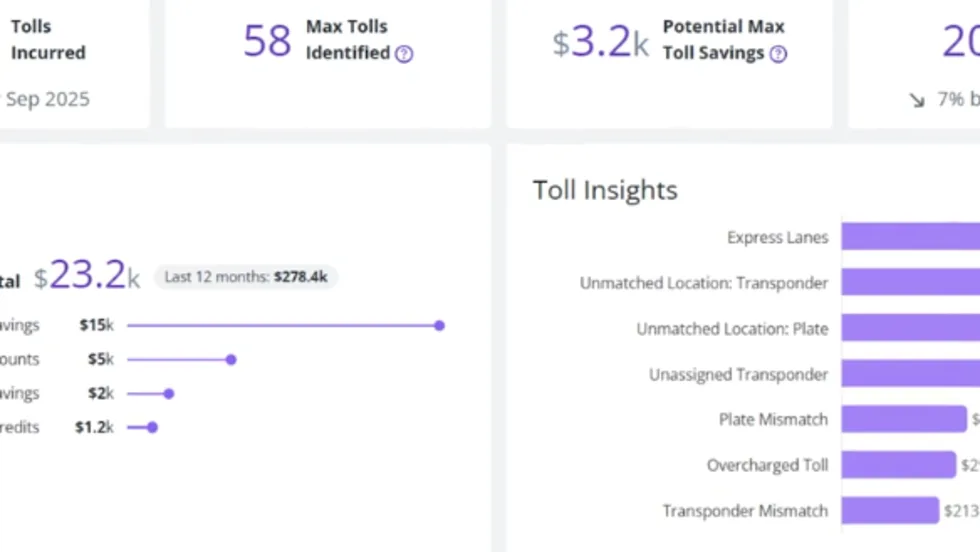
PrePass Intelligence Mines Fleet Bypass, Toll and Safety Data
PrePass Intelligence helps fleets measure bypass savings, flag potential toll overcharges, and spot suspicious transactions by combining data from separate systems.
Read More →
Motive Adds AI Agents for Fleet Operations
New tools automate follow-up on fleet data, from maintenance work orders to driver alerts, with two-way voice conversations planned for later this year.
Read More →
Can You Beat Our Trucking Trivia Challenge?
Test your truck knowledge with 19 trivia questions from Heavy Duty Trucking Exchange. Can you keep up with the fleet pros?
Read More →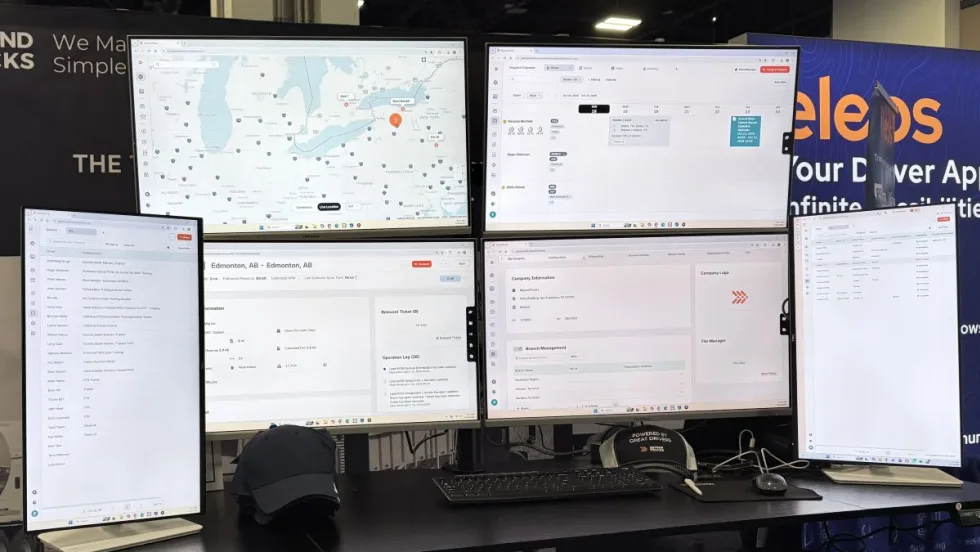
BeyondTrucks Adds Rules Checks to Dispatch
New Compatibility Engine checks driver qualifications, equipment requirements and fleet policies before loads are dispatched.
Read More →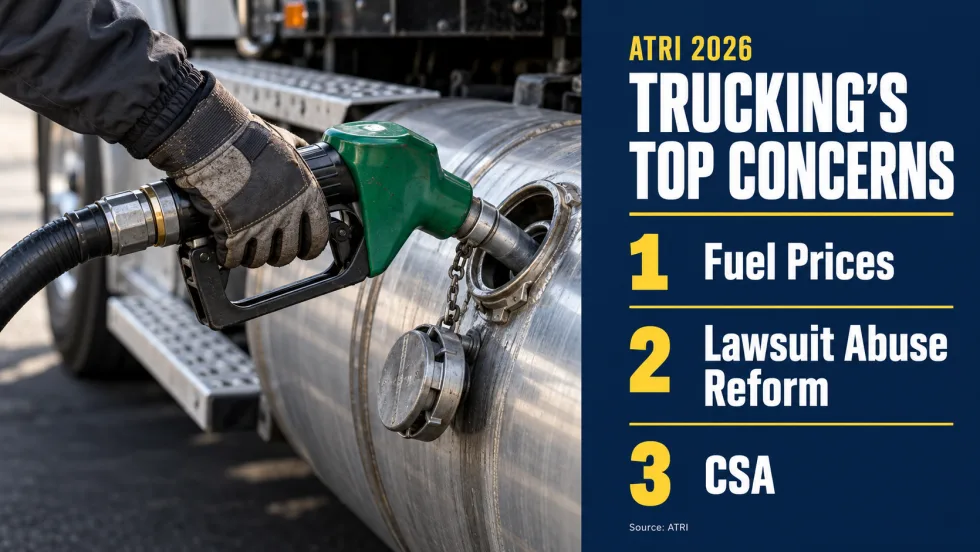
Diesel Prices Hijack Trucking’s Worry List
ATRI’s annual survey finds cautious optimism about freight, but diesel costs, litigation, and insurance continue to squeeze fleets. Drivers have different priorities on several issues.
Read More →
Nomination Deadline Extended for HDT Emerging Leaders
Just a few more days to nominate accomplished trucking fleet professionals under 40 who are making an impact and helping lead the industry forward for the HDT Emerging Leaders award. Deadline extended to October 20!
Read More →
What Will ATA’s New Leader Bring to Trucking's Table?
Incoming President and CEO Mark Colson’s record in Alabama offers clues about his priorities and approach following Chris Spear’s abrupt departure as the head of the American Trucking Associations.
Read More →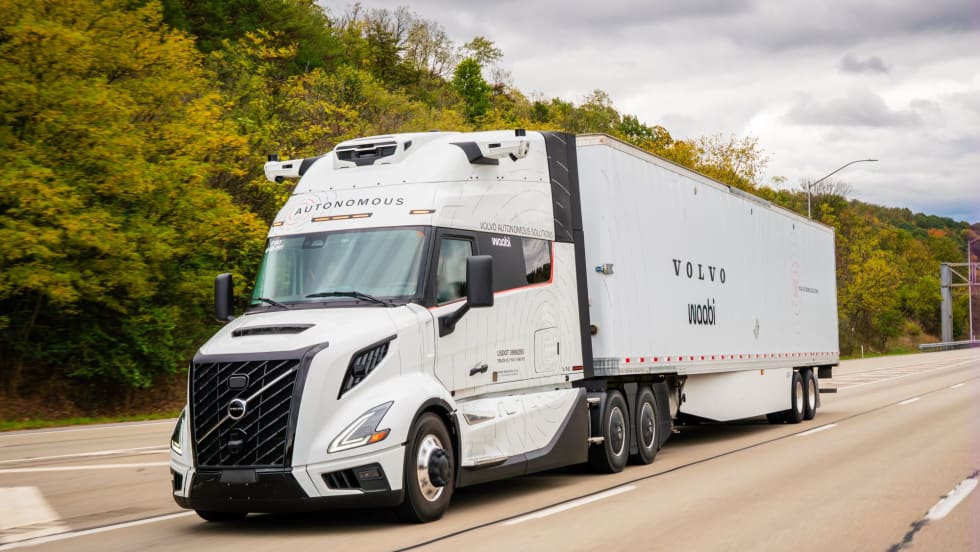
Volvo, Waabi Start Commercial Autonomous Operations in Texas
Volvo VNL Autonomous trucks, powered by the Waabi Driver, are hauling freight directly to third-party facilities for a customer in Texas.
Read More →