




Detroit Marks Production of 250,000th Heavy Duty Engine Platform
Less than seven years after introducing its Detroit DD15 engine, Detroit Diesel on Wednesday marked the production of its 250,000th DD Series engine.
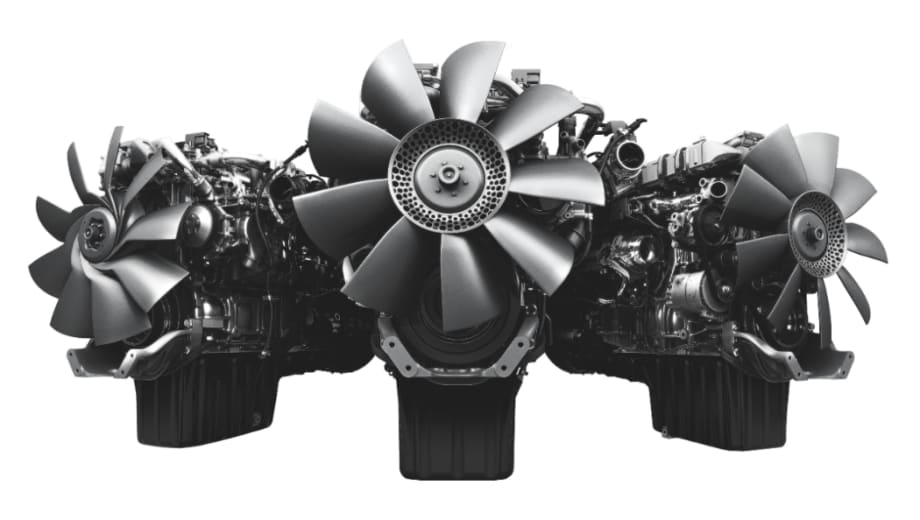

Less than seven years after introducing its Detroit DD15 engine, Detroit Diesel on Wednesday marked the production of its 250,000th DD Series engine.
The DD Series engines also include the Detroit DD13, Detroit DD15 TC and Detroit DD16 engines.
Jointly developed by Daimler Trucks in Germany, Japan and the United States, and featuring more than 90% globally shared parts, the DD Series heavy-duty engine platform was the largest investment ever made in product development by an engine manufacturer, according to Daimler Trucks.
“The DD Series engines were well-received by the market, outperforming the Series 60 engine in just the first year,” said Brad Williamson, manager, engine and component marketing for Daimler Trucks North America.
All DD Series engines feature a design with the exclusive Amplified Common Rail System, which works in combination with Detroit DDEC electronic engine controls to decrease fuel consumption while reducing noise and vibration, said Daimler Trucks.
“The DD Series lowers the real cost of ownership for our customers,” said Williamson. “Our engineers implemented industry-first technologies that set the stage for ongoing achievements.”
Daimler Trucks said these achievements include using BlueTec SCR emissions technology, introduced to meet EPA 2010 emissions standards and meeting 2014 greenhouse gas regulations a full year ahead of the mandate for certification.
With the launch of the new integrated Detroit Powertrain, Daimler Trucks said Detroit engines are poised to deliver even better results.
“The DD15 is now our flagship product, and it serves as the heart of our solutions,” said Williamson.
The integrated Detroit powertrain has the DD15 engine with a new downspeed rating of 400 horsepower and 1750 pounds foot of torgue. Together with the Detroit DT12 transmission and Detroit axles, the powertrain provides seamless component communication, according to Daimler Trucks.
All Detroit engines are manufactured at the Detroit headquarters in Redford, Mich. Since opening in 1938, Detroit has built more than 5,000,000 engines at the 3,000,000 square-foot plant. Over the past 10 years, parent company Daimler Trucks North America said it has invested more than $750 million dollars in the facility.
More Equipment
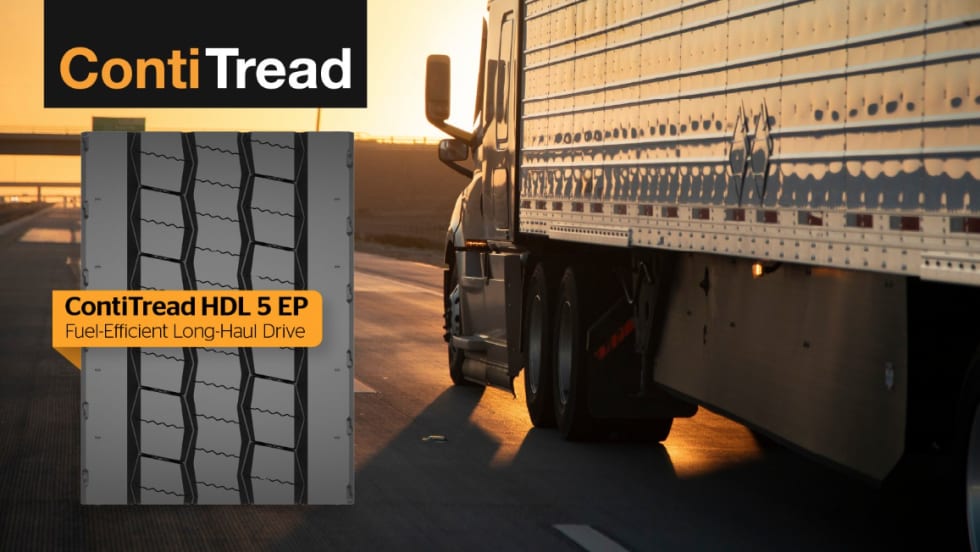
Continental Expands Retread Lineup With New ContiTread HDL 5 EP
New long-haul drive retread is designed to improve fuel efficiency, extend tread life, and lower fleets' cost per mile.
Read More →
EPA Proposal Could Ease 2027 Truck Costs and Buying Uncertainty
The proposal doesn't change the tougher NOx standard, but it would revise key implementation requirements that manufacturers say have driven up costs and complicated fleet purchasing decisions.
Read More →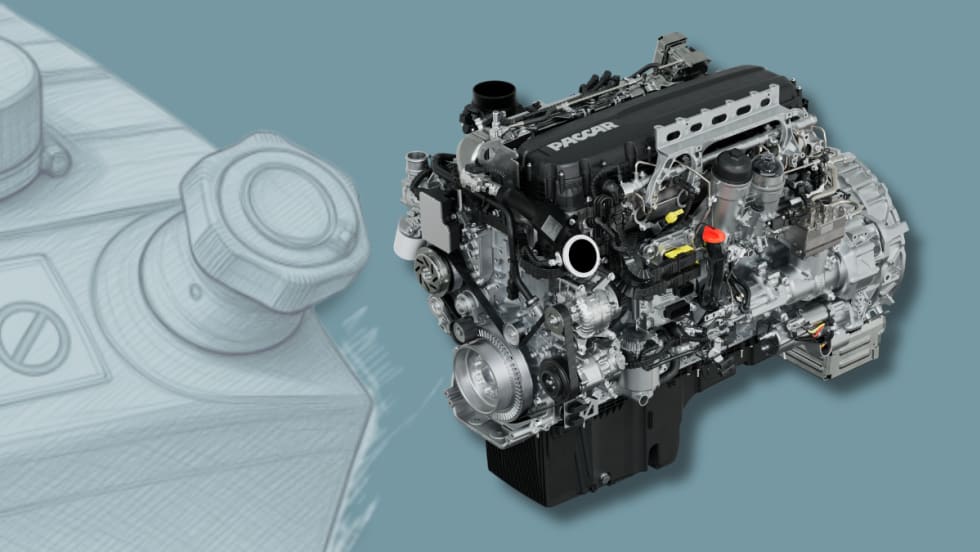
Cummins, Paccar Ease DEF Derates After EPA Guidance
Updated diesel engine software gives truck operators more time to address emissions-system issues while staying compliant with EPA emissions standards.
Read More →
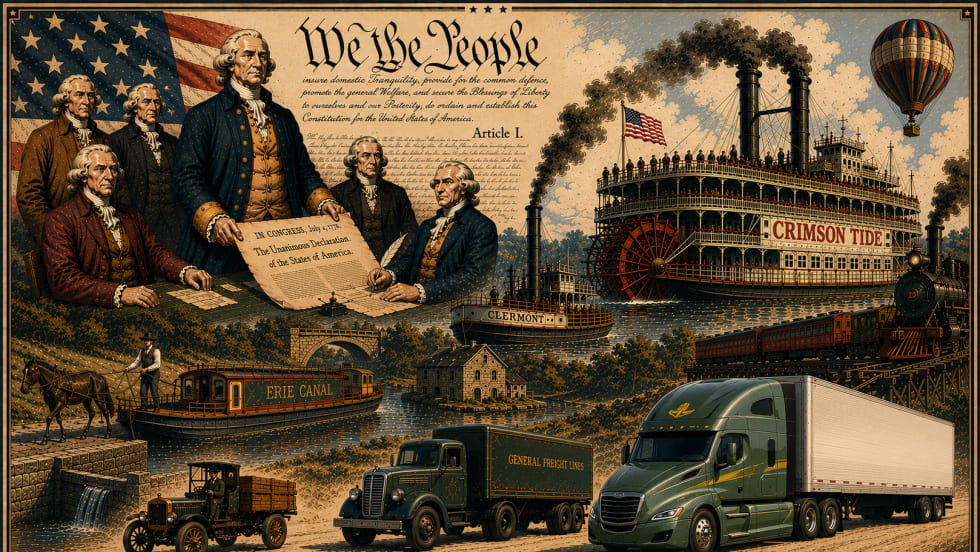
America at 250: How the Truck Helped Connect a Continent
America was founded on revolutionary ideas, but it was built by movement. For 250 years, the nation has depended on ever-better ways to move people, products, and prosperity across a vast continent. No machine has carried that mission further — or more faithfully — than the truck.
Read More →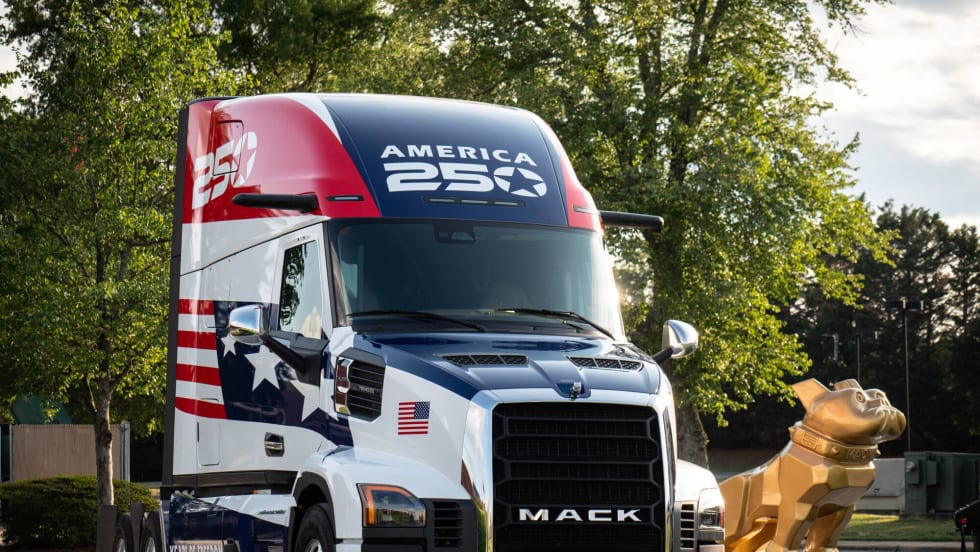
Mack Unveils America 250 Tribute Truck to Celebrate Nation's Semiquincentennial
Just in time for the Fourth of July! Mack unveils a brand-new patriotic, limited-edition, red, white, and blue truck wrap.
Read More →
Enhance Fleet Performance with High-Efficiency Auxiliary Power Units
Drive sustainable cost savings while increasing driver comfort during short- and long-haul logistics operations.
Read More →
Rush Expands Gulf Coast Peterbilt Network With Louisiana Acquisition
The expanded Rush network gives fleets additional sales, service, leasing and collision repair support across Louisiana's major trucking markets.
Read More →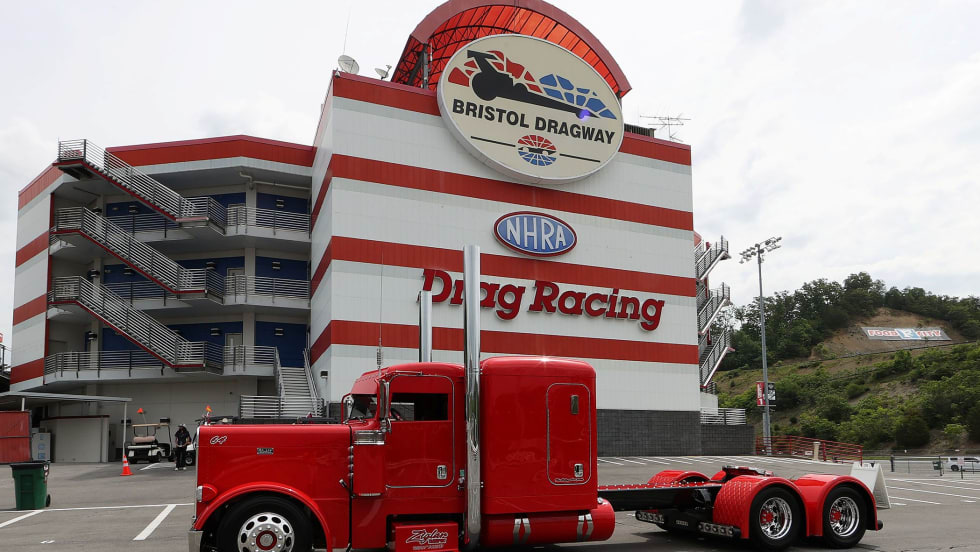
Photos: Shell SuperRigs Light Up Bristol Tennessee
Kenny Ziglar II of Rawlins, Wyo., captured Best of Show honors for the second consecutive year with his 2007 Peterbilt 379, nicknamed “Scrapin By,” at the 44th Annual Shell Rotella SuperRigs competition held June 25-27 at Bristol Motor Speedway in Bristol, Tenn.
Read More →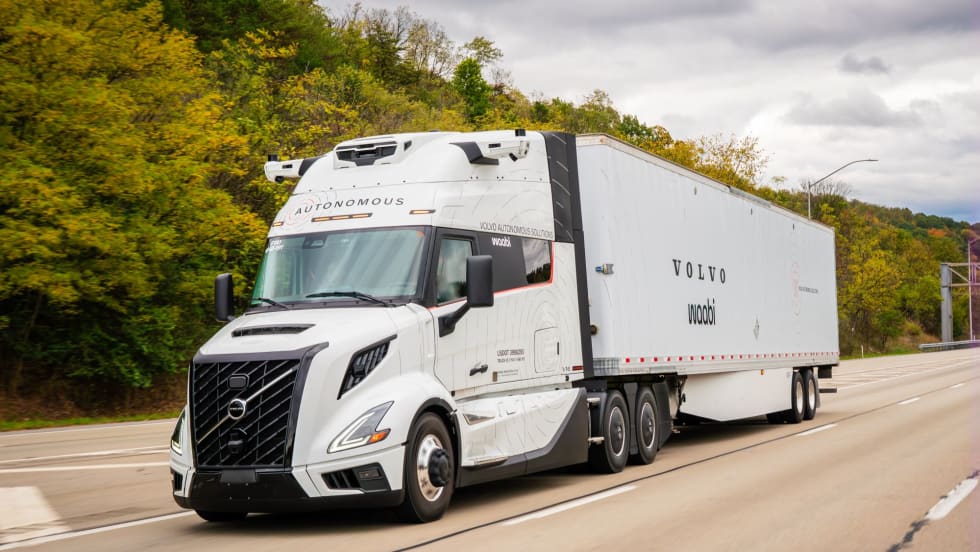
Waabi, Volvo Claim Breakthrough in Scaling Autonomous Trucking
Waabi says its AI-powered virtual driver successfully transferred to Volvo Autonomous Solutions' Volvo VNL Autonomous platform without retraining or additional data, a milestone the companies say could dramatically accelerate commercialization of autonomous trucks.
Read More →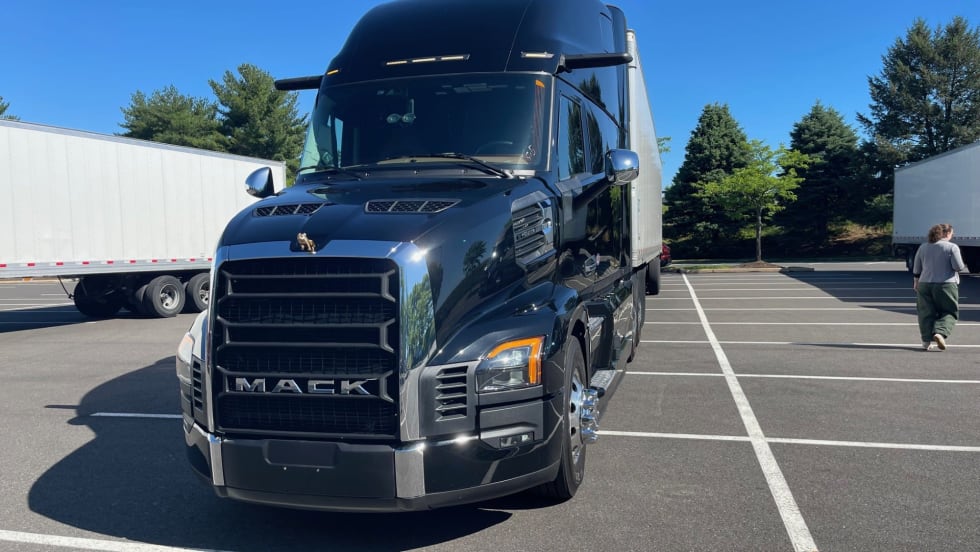
Why the Mack Pioneer Signals a New Era in Class 8 Truck Design
After a public-road drive through eastern Pennsylvania, one thing became clear: Mack's new Pioneer isn't simply packed with technology -- it's been engineered around the driver in ways that could redefine long-haul trucking.
Read More →