




CVSA Attracts Strange Bedfellows
The Commercial Vehicle Safety Alliance borrowed a page this week from Star Trek to "boldly go where no man has gone before." At a special pre-convention session in Grand Rapids, Mich. -- billed as a workshop --
The Commercial Vehicle Safety Alliance borrowed a page this week from Star Trek to "boldly go where no man has gone before."
At a special pre-convention session in Grand Rapids, Mich. -- billed as a workshop -- CVSA invited the participation of five groups often at odds with trucks and trucking: the American Automobile Association, Parents Against Tired Truckers, Citizens for Reliable and Safe Highways, the American Association of State Highway and Transportation Officials, and the National Association of Governors Highway Safety Representatives.
Predictably, each group stuck to its organization's particular viewpoint.
CRASH and PATT were especially critical of truck involvement in fatal crashes. But the mere fact that they were willing to share the same podium may signal an opening to further dialogue involving an even broader group of organizations with a stake in highway safety.
Indeed, CVSA President Lt. Lisa Irwin, of the Michigan State Police, said she was struck by the fact that "we actually seem to be saying the same thing, but in very different ways. We're all striving to make the highways safer."
She said CVSA might seek to involve other groups in similar forums -- including representatives of shippers and receivers.
Both CRASH and PATT cited low driver wages as a major contributing factor to driver fatigue. "There needs to be fair and just compensation for truck drivers," said Michael Scippa of CRASH. "Current low wages force drivers to push themselves beyond their physical limits in order to feed their families."
Russell Swift of PATT, in addition to stressing the need :to make sure drivers are paid for all they do," also advocated that the government provide more rest areas.
All five groups were unanimous in calling for more education across the board on sharing the road with trucks. CRASH said it is preparing its own training package for car drivers. And citing statistics that blame 70 percent of car-truck fatalities on auto drivers, Kathleen Marvaso of AAA said there needs to be an expanded educational drive aimed at all levels of drivers --
from teenager to senior retiree.
Keynoting the official opening of the meetings on Monday, Clyde J. Hart, acting deputy administrator of the Federal Motor Carrier Safety Agency, conceded his office has been getting much heat on the hours of service issue.
"And that's an understatement," he said. "We've actually logged more than 50,000 comments on the docket.
"But we firmly believe the process must move forward," he added. "That's why we are so strongly opposed to language in the Senate appropriations bill which would prevent us from considering changes to the current regulations."
His reference was to an attempt by American Trucking Associations to cut off funding for the proposed HOS rulemaking in the upcoming Senate appropriations bill.
To circumvent a possible cutoff of funds, Hart said, "There is a possibility that we will have an omnibus appropriations bill which will include the DOT and other departments in a separate appropriations bill. There is also the possibility that language may be worked out allowing work to continue on the HOS rules, but not issuance of final rules before a certain date."
Hart announced that FMVSA will be working closely with CVSA on a pilot program to gather and analyze driver performance information that will help states identify poor performers.
"The goal is to reduce commercial vehicle crashes by implementing strategies for identifying, fixing and monitoring driver performance in individual state CDL programs," he added.
"We are also revising the whole body of federal motor carrier safety regulations," Hart said. "We are working with the users of our rules to make them more understandable, putting them in more logical order, and writing them in plain English." He said the rules are being put in question-and-answer format and arranged so a driver can go to one program and learn all he or she needs to know to do their job and be in compliance.
More Safety & Compliance
A Camera Isn't a Safety Program. Here's What Brokers Are Screening for Now
Footage alone may not be enough to pass broker vetting processes. Here's what counts as a defensible safety program now.
Read More →
Marijuana and Trucking’s Drug-Testing Dilemma
Marijuana is getting stronger, laws are changing, and drug tests still can’t reliably establish impairment. What does that mean for truck drivers and the fleets that employ them?
Read More →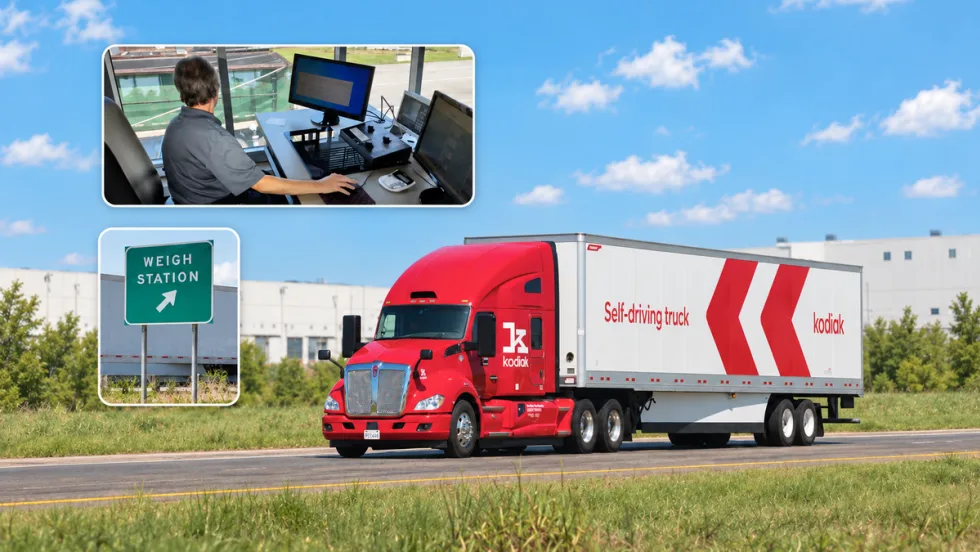
PrePass, Kodiak Connect Driverless Trucks to Roadside Enforcement
The system will allow enforcement agencies to verify Enhanced Inspection information and decide whether Kodiak’s autonomous trucks can bypass roadside screening sites.
Read More →

From One Generation to the Next: How Mentorship Builds Safer Truck Drivers
After three decades in trucking, Harold Perry shares what he's learned about driver safety, mentorship, and helping the next generation build confidence behind the wheel.
Read More →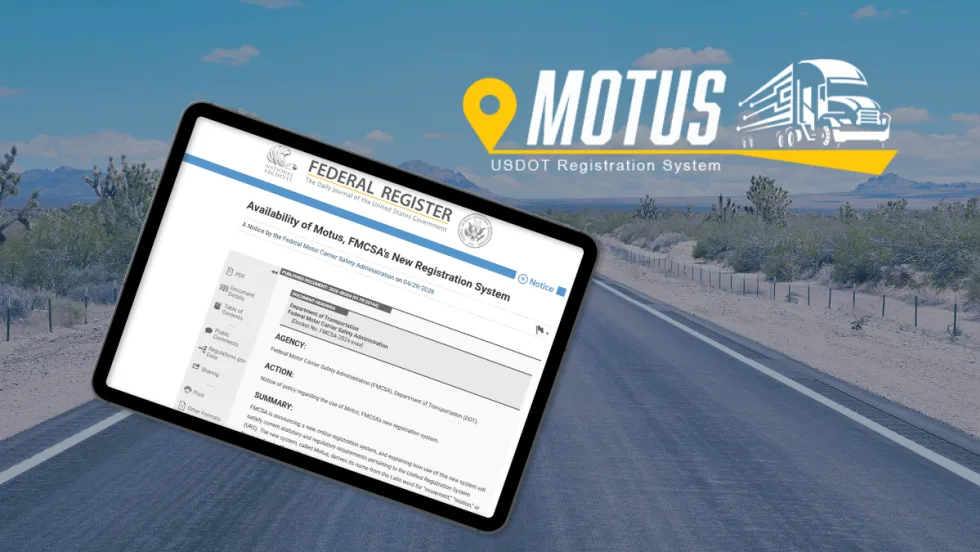
FMCSA Pauses Biennial-Update Enforcement Amid Motus Transition
Carriers whose updates were due on or after June 1 have more time, while FMCSA works to stabilize its new registration system and warns of phishing sites impersonating its new carrier registration system, Motus.
Read More →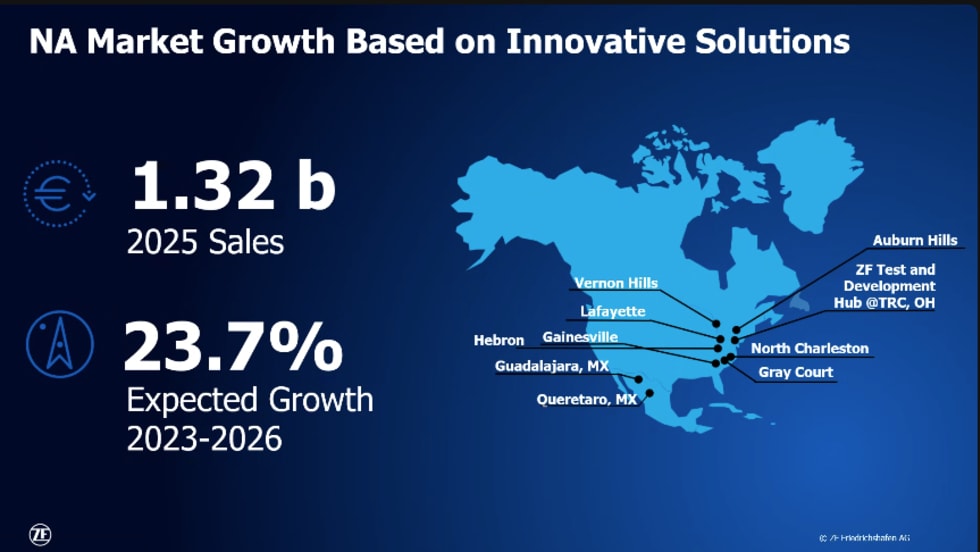
ZF Expands Commercial Vehicle Push in North America
ZF is expanding its North American commercial-vehicle presence with new transmission applications, electrification, trailer technology and autonomous-driving systems.
Read More →
Truck Drivers Need More Than Another Alert
Fleets have more visibility into truck health, safety events, and driver activity than ever. The next challenge is turning all that information into useful guidance for the person who has to decide what to do next.
Read More →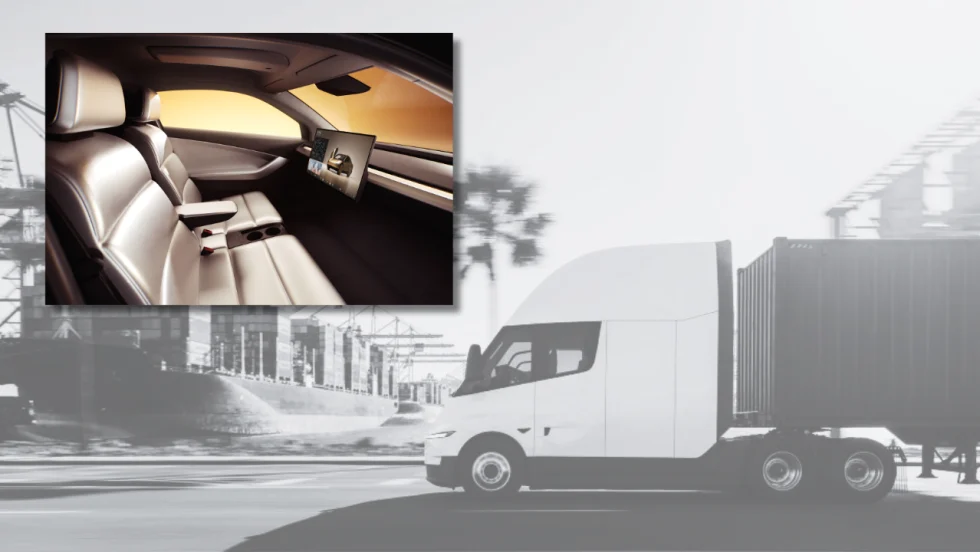
Tesla Wants a Self-Driving Semi. Are Cameras Enough?
Could Tesla’s camera-only autonomous driving technology work on an 80,000-pound Semi? In this commentary, HDT's Deborah Lockridge takes a look at Tesla, Cybercab, and how autonomous trucks see the road.
Read More →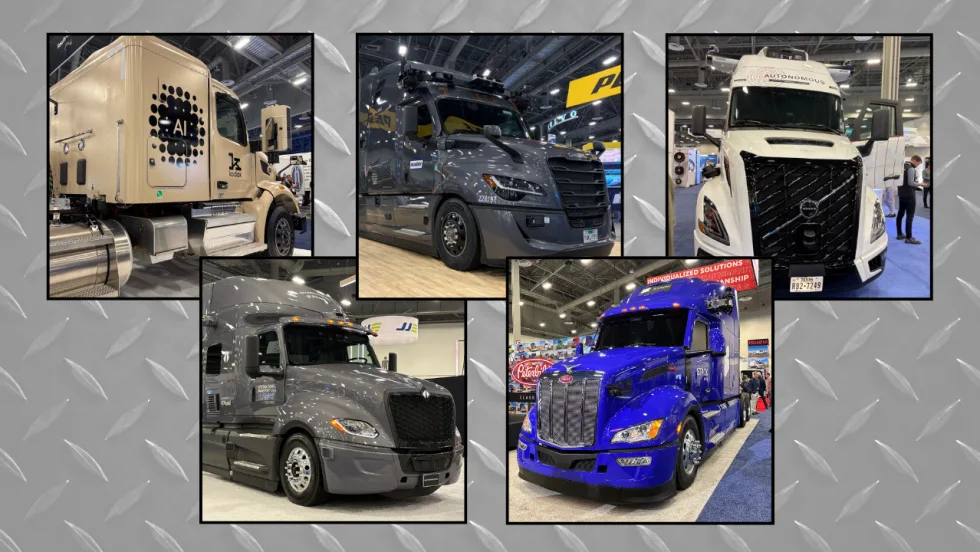
What DOT’s Automated Vehicle Strategy Means for Trucking
The U.S. Department of Transportation issued a new automated-vehicle strategy that outlines plans for driverless-truck regulations, cross-state freight corridors, and federal safety standards.
Read More →
NYC Expands Speed, Pedestrian Safety Tech Across Fleet
New York City is expanding intelligent speed assistance and pedestrian-alert systems across its municipal fleet, moving the technologies from pilot programs into vehicle procurement and retrofit requirements.
Read More →