




Class 8 Truck Orders to See Expected Increase
Class 8 truck net orders are projected to realize a solid increase in December, according to preliminary numbers from FTR and ACT Research.
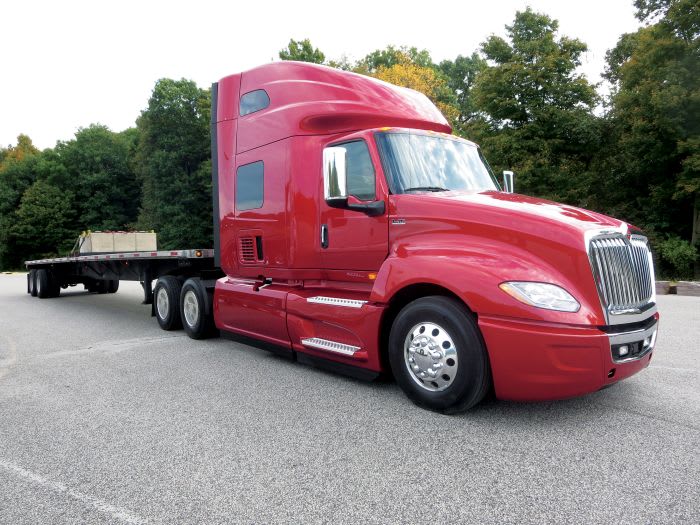
Photo: Tom Berg

Class 8 truck net orders are projected to realize a significant increase in December, according to preliminary numbers from FTR and ACT Research.
FTR had forecasted an increase in the last month of 2016 and based on early numbers, December will see a 10% gain over November. The solid order activity is in line with demand from the last two months, showing an upward trend in the Class 8 market.
Month-to-month orders in the fourth quarter were very stable when discounting the higher cancellations in October, according to FTR. Class 8 backlogs are expected to increase significantly in the month as well, which will give the market momentum heading into 2017.
“Another decent month that met expectations. Orders have been following stable, traditional, patterns for six months now, which is great news after the large drop-off in 2016,” said Don Ake, FTR vice president of commercial vehicles. “Production was weak in December, but based on the Q4 orders, it should begin a modest recovery in February.”
Despite gains, order activity was still 24% below December, according to ACT Research. Net orders were at around 164,000 units for the year, but production was aided by a large backlog at the beginning of 2016.
“The most recent economic news has been positive, so freight demand should keep orders propped up for a few more months,” said Ake. “2017 still looks to be a tough year, but now backlogs are growing and that means the worst should be behind us for now.”
Medium-duty Class 5-7 orders hit an eight-month high in December, according to preliminary numbers from ACT Research. The analysis firm is projecting 20,600 units for the month. Combining medium- and heavy-duty orders for the year, ACT expects the full year tally to reach 415,600 units.
“As December is historically the second-strongest order month of the year, seasonal adjustment reduces the month’s orders to 19,000 units,” said Kenny Vieth, ACT president and senior analyst. “For all of 2016, MD orders of 228,500 units were a virtual carbon-copy of 2015’s net order intake, giving up 1.1% compared to 2015.”
More Equipment
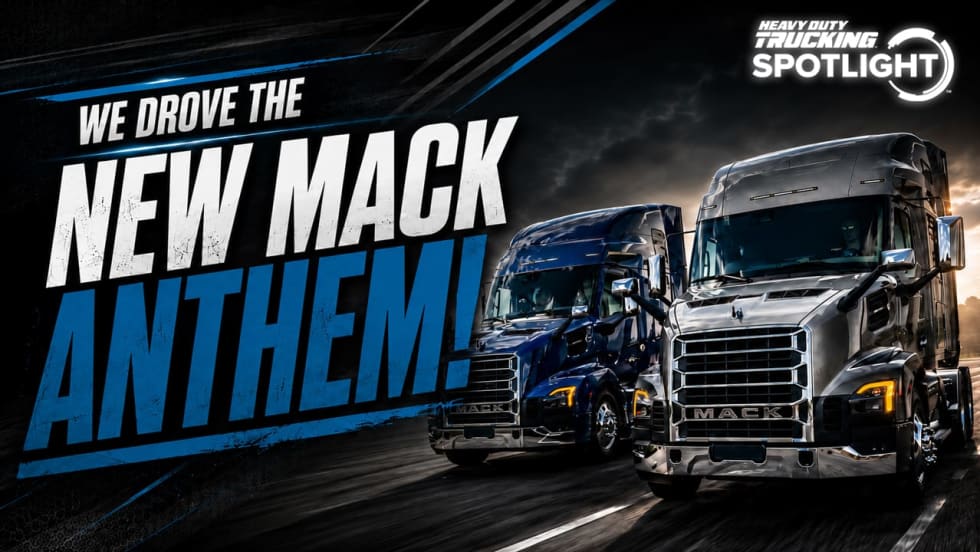
Behind the Wheel of the New Mack Anthem [Video]
HDT takes the new Mack Anthem around Mack’s Pennsylvania test track to see how its driver-focused design, technology, visibility and handling perform from behind the wheel.
Read More →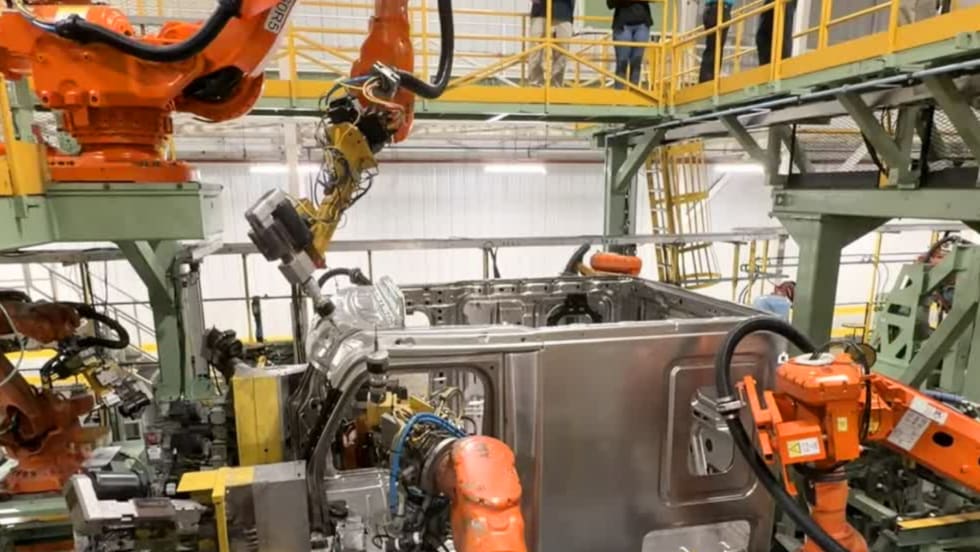
DTNA Plans New U.S. Truck Plant as Manufacturing Footprint Shifts
Daimler Truck North America is evaluating sites for a new assembly plant expected to open in 2029 while winding down operations at its longtime Portland manufacturing facility.
Read More →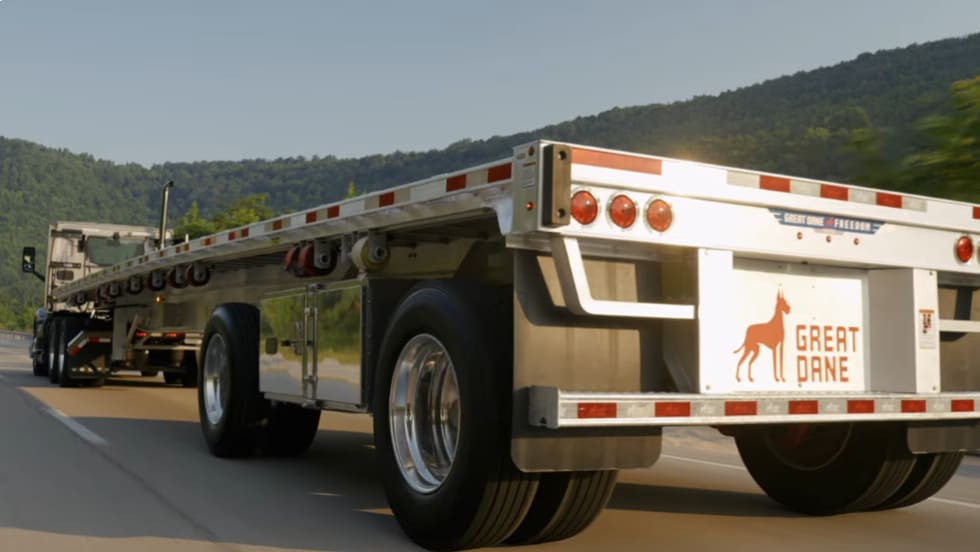
Great Dane Flatbed Trailer Offers Light Weight and Strength
Freedom Ultra is designed for a wide range of open-deck applications, including building materials, lumber, machinery, steel products, industrial freight, and coil hauling.
Read More →
What It's Like Inside this Custom 2025 Peterbilt 589?
Take a driver's-eye tour of this customized 2025 Peterbilt 589 in this video, as longtime driver Ingrid Brown explains its features, compares it to previous models, and shares plenty of personality along the way.
Read More →
Drivers Put Western Star Trucks to the Test at Star Nation Experience
Watch to get an inside look at the Western Star trucks, technology, and community behind the Star Nation Experience 2026!
Read More →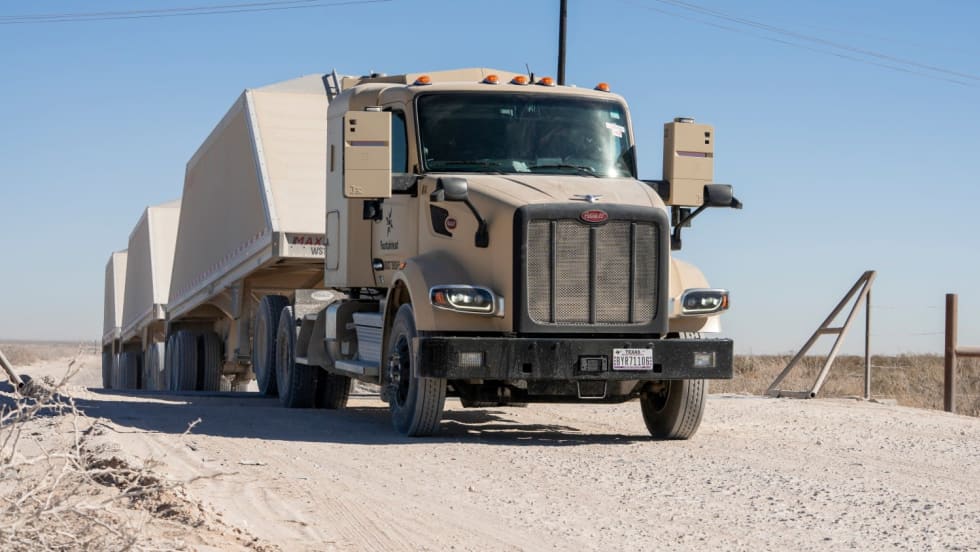
Atlas Expands Kodiak Driverless Truck Fleet in Permian Basin
Atlas Energy Solutions is expanding autonomous frac sand hauling in the Permian Basin with a second load-out location and plans for 100 driverless trucks by mid-2027.
Read More →
Putting Mack’s Command Steer to the Test
A test drive of Mack’s Command Steer active steering system evaluates how it can make truck driving easier and less tiring.
Read More →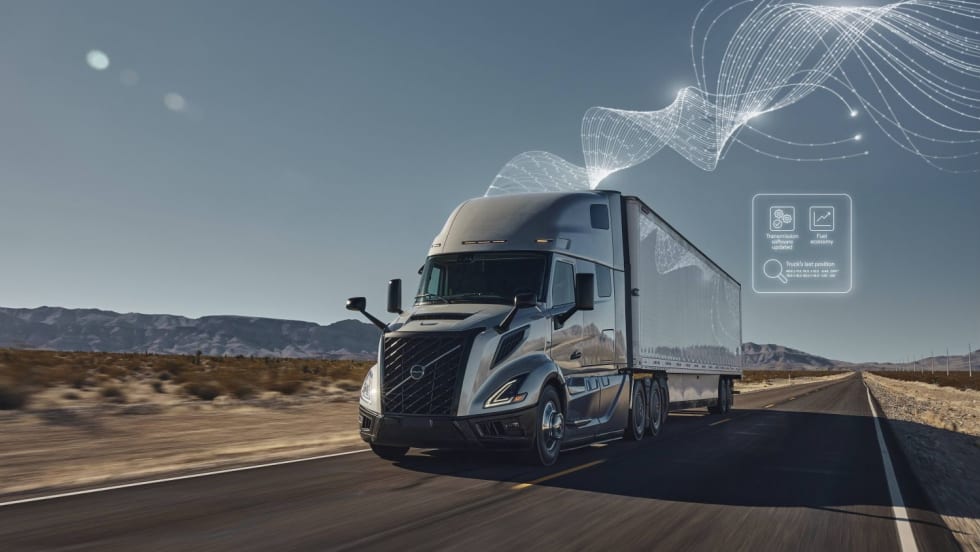
Mack, Volvo Expand DEF Derate Software Updates
The updated software gives Mack and Volvo truck owners more time to address DEF-related issues before the engine derates or the vehicle goes into reduced-speed inducement, following new EPA guidance.
Read More →
Rush, MCT Team Up to Grow Refrigeration Service Network
The joint venture will operate MCT's network of Carrier Transicold dealerships and mobile service locations, with the companies promising greater service capacity and uptime for refrigerated fleets.
Read More →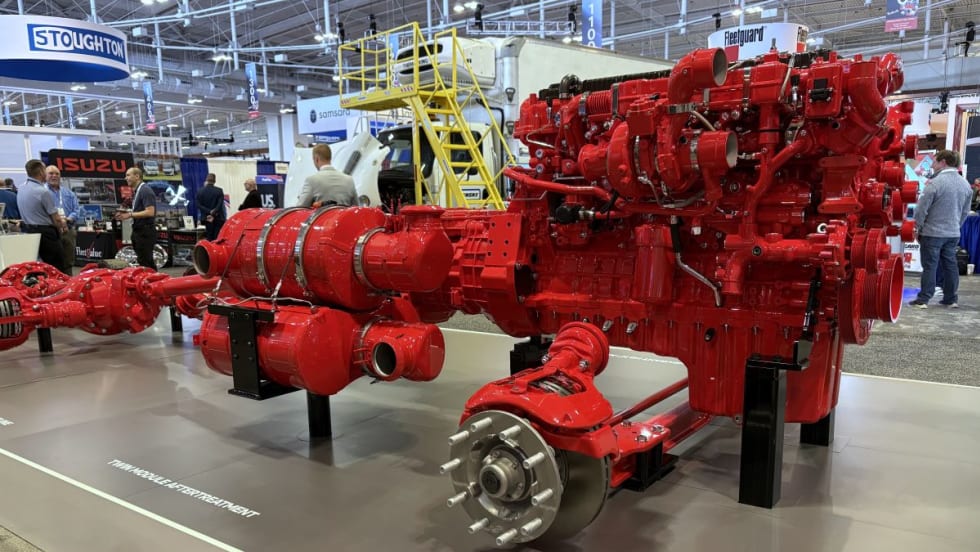
Cummins Adjusts 2027 Engine Rollout After EPA Proposal
The engine maker will gradually introduce its new Model Year 2027 diesel engines while continuing to offer current models during the transition, citing the EPA's proposed emissions rule changes.
Read More →