




Carrier Transicold Launches CARB-Compliant Thin-Profile Vector 8400R Intermodal Unit
Carrier Transicold has introduced its new thin-profile Vector 8400R refrigeration unit for domestic intermodal containers to provide improved fuel efficiency and lifetime compliance with California’s latest emissions standards.

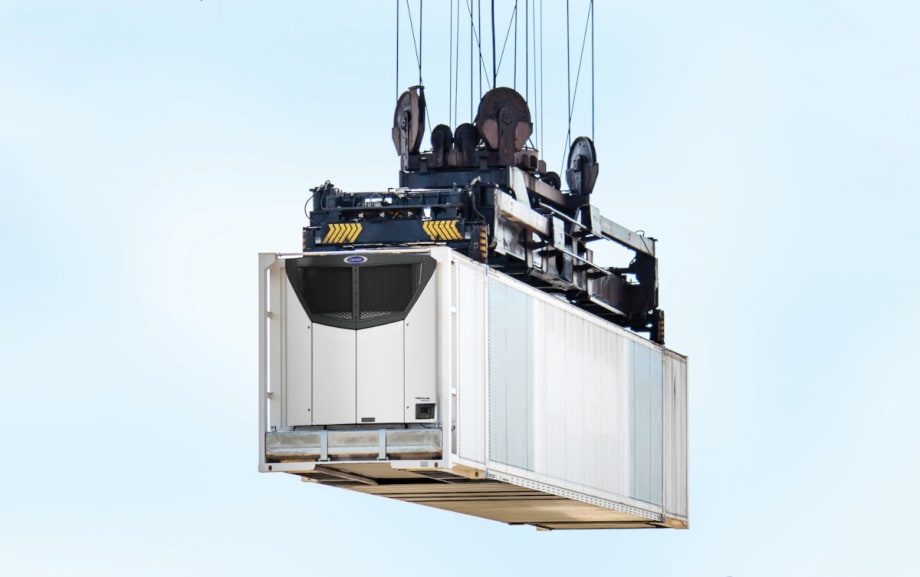
Carrier’s Vector 8400R TRU for intermodal containers delivers efficient performance in a CARB-compliant, thin-profile design.
Photo: Carrier Transicold
Carrier Transicold has introduced its new thin-profile Vector 8400R refrigeration unit for domestic intermodal containers to provide improved fuel efficiency and lifetime compliance with California’s latest emissions standards. The new unit was unveiled this week at the Intermodal Association of North America’s Intermodal Expo.
Like the model it succeeds, the Vector 8400R delivers highly efficient refrigeration and freezing performance in a space-saving, thin-profile design, according to Carrier Transicold. Additionally, it boosts efficiency while also surpassing EPA Tier 4 requirements by cutting particulate emissions for lifetime compliance with California Air Resources Board (CARB) requirements without the need for future exhaust control systems.
“Carrier Transicold intermodal units play a vital role in helping California to ship agricultural products throughout North America, and lifetime CARB compliance helps our customers achieve maximum value for their investment,” said Bill Maddox, senior manager – product management, Carrier Transicold. “While innovating to achieve greater emissions performance, we also focused on optimizing fuel efficiency, making the Vector 8400R an even more attractive upgrade for intermodal carriers.”
The company said benefits of the Vector 8400R unit include:
Cargo Optimization – About 40% thinner than a traditional intermodal refrigeration unit, the Vector 8400R fits within a trim envelope and maximizes usable container space for more efficient operations. Up to 7% more cargo can be carried than with traditional units, 15 pallet rows rather than 14.
Up to 10% Better Fuel Efficiency – The unit has an advanced new engine with common-rail fuel injection that optimizes fuel delivery for improved efficiency.
Greater Sustainability and Regulatory Compliance – In combination with the new engine, a diesel oxidation catalyst pushes particulate, hydrocarbon and NOx emissions to new lows without requiring complex exhaust gas recirculation systems found with competitive units. The unit uses CARB-compliant R-452A refrigerant.
Higher Refrigeration Capacity – Carrier Transicold’s E Drive all-electric refrigeration technology consistently and efficiently delivers high refrigeration capacities, powerful airflow, and fast pulldown. Also, the Vector 8400R unit’s refrigeration and freezing capacities remain constant when using its integrated plug-in electric standby capability.
Easier To Maintain – A streamlined architecture, in which the diesel engine is direct-coupled to a high-output generator to produce power for the all-electric refrigeration system, eliminates many common serviceable components, and makes the unit easier to maintain. Intelligent controls automatically activate individual components, running only what the system needs, precisely when needed, so components run less and last longer than traditional counterparts.
Telematics
Vector 8400R units are equipped with Carrier Transicold’s Lynx Fleet telematics solution for remote monitoring of temperatures, location, movement, and unit operating performance. A subscription is required.
Solar Powered
To help maintain the charge of the battery supporting the unit and its telematics system, Carrier Transicold offers an optional 50-watt rail-optimized solar charging system designed for placement on the unit door, as intermodal containers are often double-stacked, limiting the application of rooftop mounted systems.
Emissions Goal
Carrier Transicold said the fuel-efficient, CARB-compliant Vector 8400R can help fleets significantly reduce their environmental impact, supporting Carrier’s 2030 Environmental, Social and Governance Goal of reducing its customers’ carbon footprint by one gigaton.
More Equipment

Help HDT Find Trucking’s Top Products
Have you come across a new product that could make a difference for trucking fleets? Nominate it for HDT’s 2027 Top 20 Products Awards by November 9.
Read More →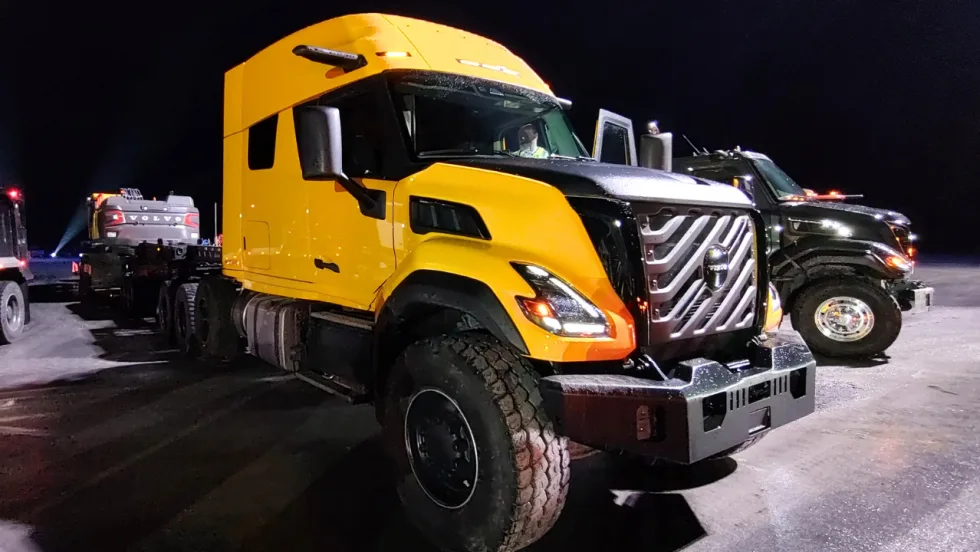
Volvo Unveils New VNX Heavy-Haul and Vocational Truck
Volvo Trucks has launched the VNX, a new vocational truck also available as a tractor in day cab and two sleeper configurations, with one heavy-haul model. The Volvo VNX is powered by Volvo's D13 platform, which delivers up to 540 horsepower and 1,950 pound-feet of torque and is EPA 2027-compliant.
Read More →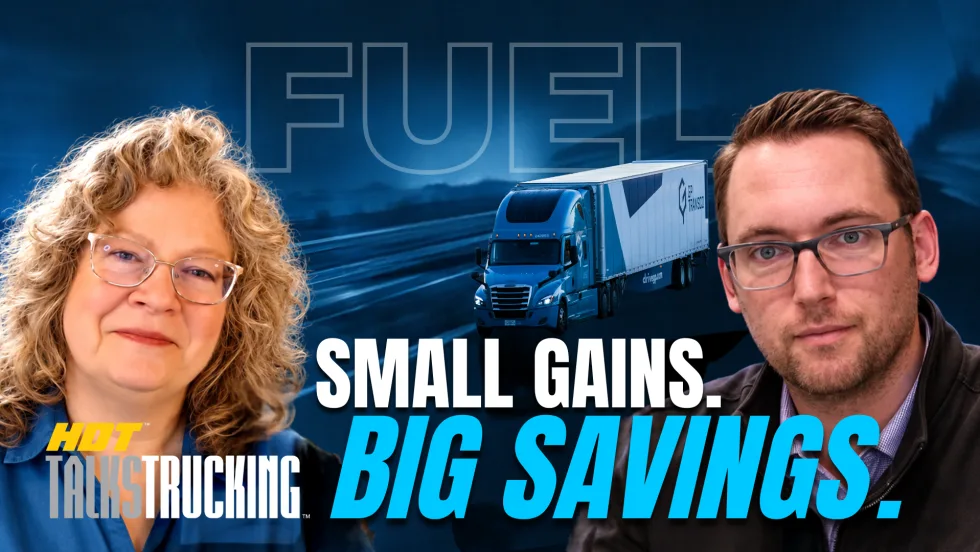
How GP Transco Cuts Trucking Fuel Costs, a Tenth of a Gallon at a Time
What’s another tenth of a mile per gallon worth? GP Transco shares how equipment upgrades and driver coaching turn small gains into meaningful fuel savings.
Read More →
Electric Yard Tractors Move Beyond Pilots
Operating-cost savings have overtaken sustainability goals as the leading reason surveyed fleets are adopting battery-electric terminal tractors, according to new NACFE research.
Read More →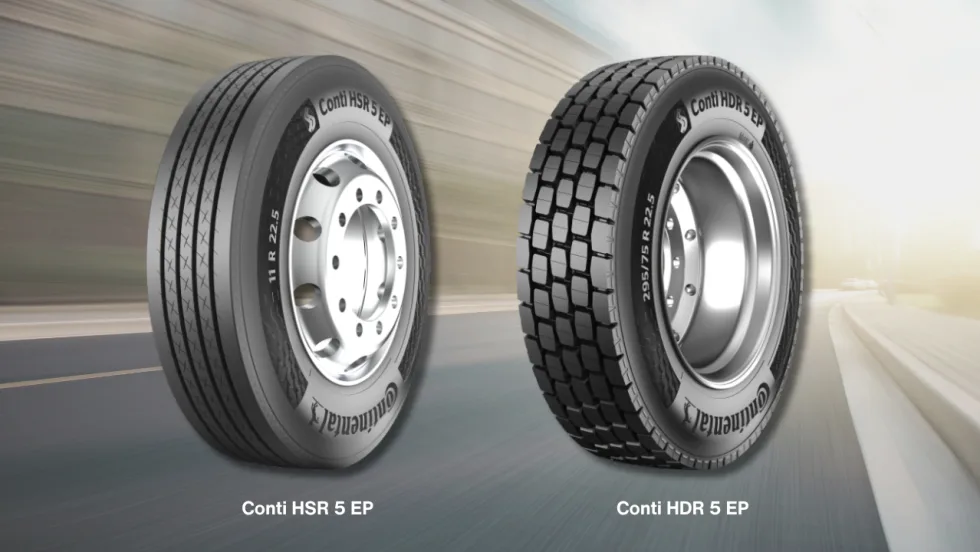
Continental Introduces New Regional Truck Tires
Continental says its new Generation 5 steer and drive tires for regional operations offer longer tread life, with estimated mileage gains of 22% and 19%, respectively.
Read More →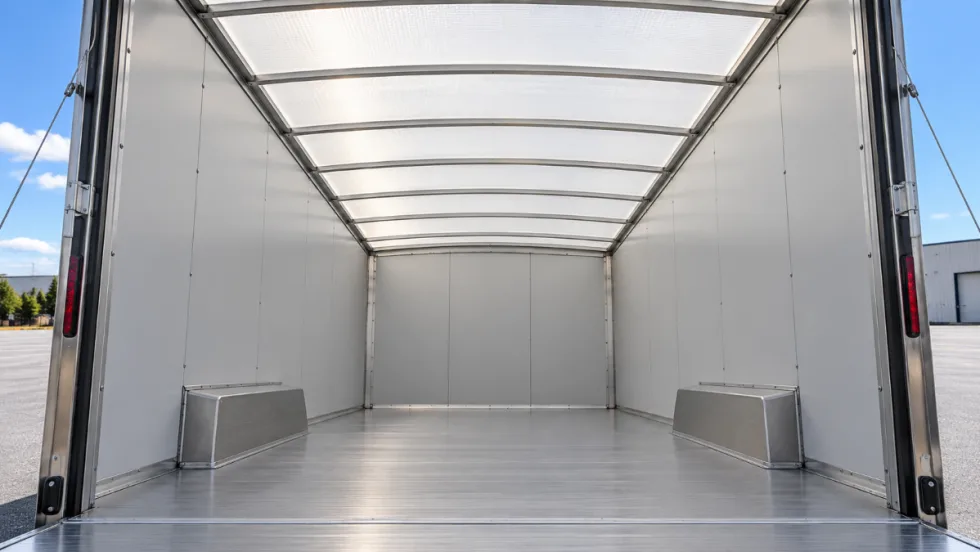
Tekmodo Introduces CargoBright Brand for Translucent Trailer Roofs
CargoBright is designed to diffuse daylight across the cargo area while performing as a working vehicle roof.
Read More →
Fleet Economics Shape Electric Truck Outlook
ACT Research expects costs, charging infrastructure, and technology improvements to drive zero-emission commercial vehicle adoption as federal regulations and incentives retreat.
Read More →
Kodiak Targets Dallas–Houston for Driverless Trucks
The company says its autonomous trucks are completing the I-45 run without a safety observer taking control. It plans to remove the observer by the end of 2026.
Read More →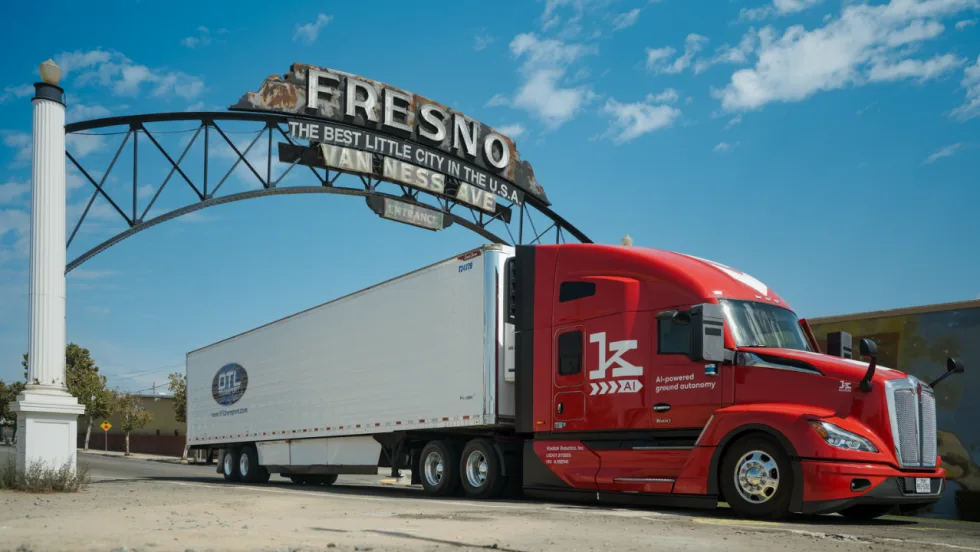
Kodiak Hauls Produce in California Autonomous Truck Pilot
Kodiak AI and DTL Transport have begun hauling produce between Fresno and Los Angeles under California’s new rules for testing heavy-duty autonomous trucks. A safety driver remains behind the wheel.
Read More →
Used-Truck Remarketing Math Is Changing
Used-truck value is no longer just a concern at trade-in. Decisions made throughout a truck’s first life can influence what it’s worth years later.
Read More →