




CARB Extends Compliance Dates for Small Trucking Operations
The California Air Resources Board on Friday adopted amendments to its Truck and Bus Regulation, giving new compliance options to fleets with three or fewer trucks and owner operators.
The California Air Resources Board on Friday adopted amendments to its Truck and Bus Regulation, giving new compliance options to fleets with three or fewer trucks and owner operators.
During the board meeting members heard from small fleets who said they needed more time to comply with the rules, due to the cost. Both large and small fleets complained they had spent money to comply and any changes would leave them at a competitive and financial disadvantage, according to the Los Angeles Times and Landline.
The amendments include:
A longer phase-in period for diesel particulate matter requirements for trucks that operate exclusively in certain rural areas with cleaner air,
Additional time and incentive funding opportunities for small fleets,
A new compliance option for owners who cannot currently afford compliance,
Expansion of the low-use exemption and the construction truck extension.
They also include recognition of fleet owners who have already complied by providing additional “useable life” for retrofit trucks and reducing near-term compliance requirements. Fleets that have invested in cleaner, compliant equipment and trucks will be able to use credits longer and any vehicles retrofit by 2014 do not have to be replaced until 2023.
The amendments still require nearly every truck in California will have a diesel particulate matter filter by 2020.
“We recognize the enormous investments that many businesses have already made to clean up their equipment and abide by the terms of the regulation,” said CARB chairman Mary D. Nichols, "But we are also aware that, particularly for many rural areas of the state, economic recovery has been painfully slow and funding for improvements scarce.”
She said by providing limited additional time for certain fleets to comply, CARB believes it will have higher compliance rates overall.
“It’s a difficult balance but we believe that this is a fair approach that offers flexibility to those who need it, while also rewarding those business owners who have already upgraded their vehicles to meet the requirements of the regulation,” said Nichols.
The Truck and Bus Regulation was adopted in 2008 to clean up emissions from nearly all heavy-duty diesel trucks operating in California.
Those with questions can visit the CARB website at or by calling 866-6DIESEL.
Read more from the L.A. Times and Landline.
More Fleet Management
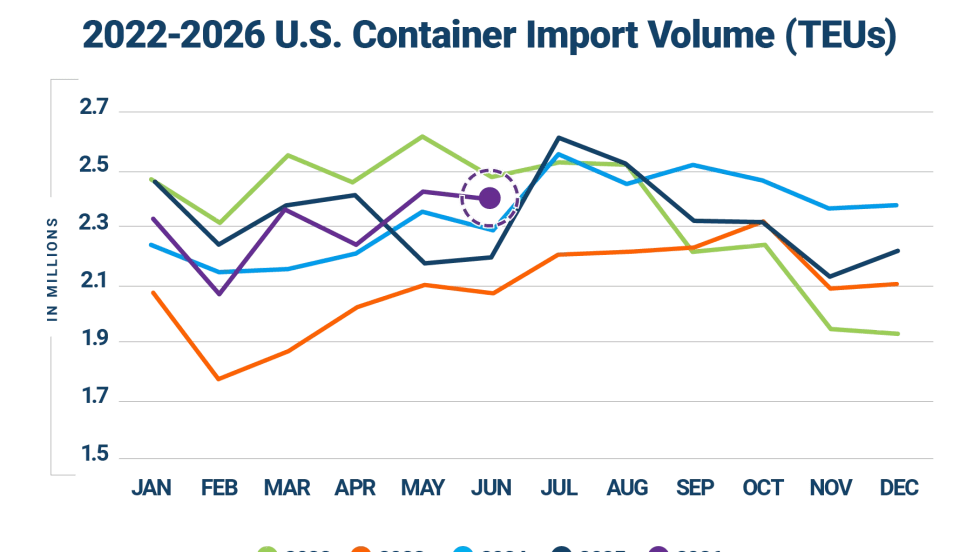
Import Cargo’s Early Peak Season is Winding Down
There was an early start to peak season this year at the nation's gateway ports, as retailers brought in merchandise ahead of tariff changes in late July and responded to other supply chain uncertainties,
Read More →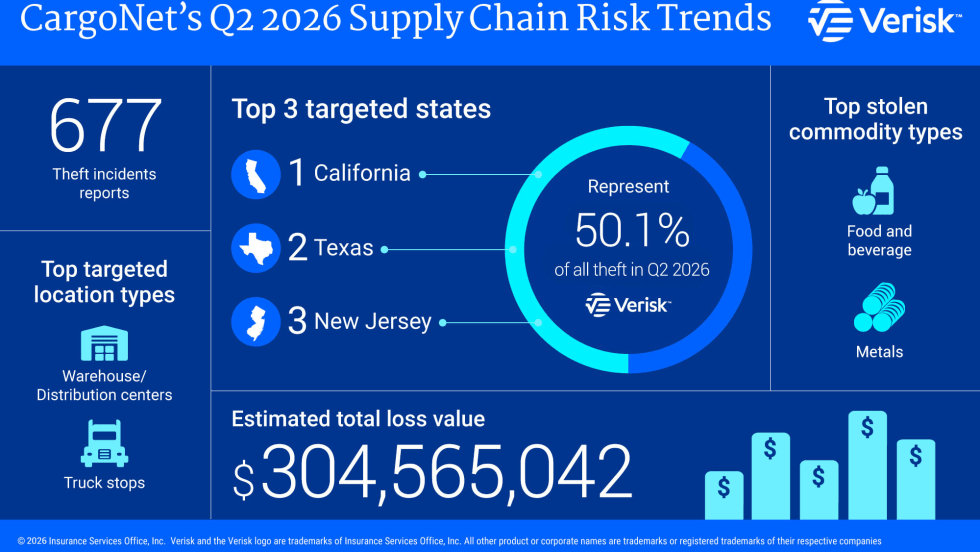
Fewer Cargo Thefts, Bigger Losses: Criminals Target Higher-Value Loads
CargoNet says organized theft rings are stealing fewer shipments but choosing more valuable freight, including metals and technology, resulting in record losses.
Read More →
How Innovative Trucking Leaders Turn Change Into an Advantage
As the pace of change accelerates in trucking, the fleets that adapt best have more than the latest technology. They have cultures that embrace improvement.
Read More →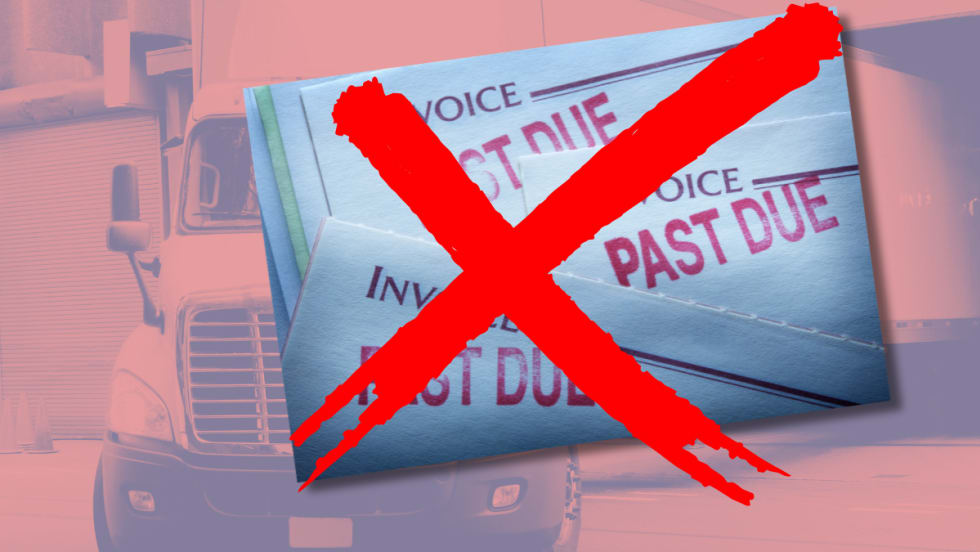
Freight Broker Bonds Just Got Harder to Get. Here's What That Means for Your Fleet.
When it gets harder for a freight broker to prove they are financially sound, the ones who cannot clear that bar get pushed out of the market. And those are exactly the brokers who used to leave motor carriers holding the bag.
Read More →
Long-Awaited Canadian Border Bridge to Open in Detroit
For trucking, the bridge opening should offer immediate improvements in efficiency and reliability, with new customs facilities, expanded inspection capacity, and direct freeway-to-freeway connections.
Read More →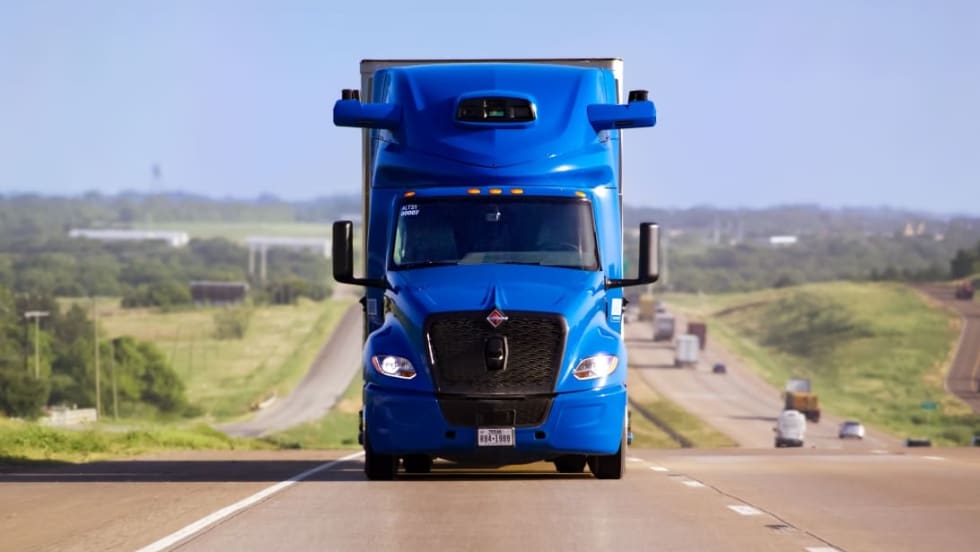
Aurora Rolls Out Next Generation of Driverless Trucks for Commercial Freight
Aurora's latest autonomous trucks it's rolling out with International feature lower-cost hardware designed for a million miles as the company expands commercial driverless freight operations across the U.S. Sun Belt.
Read More →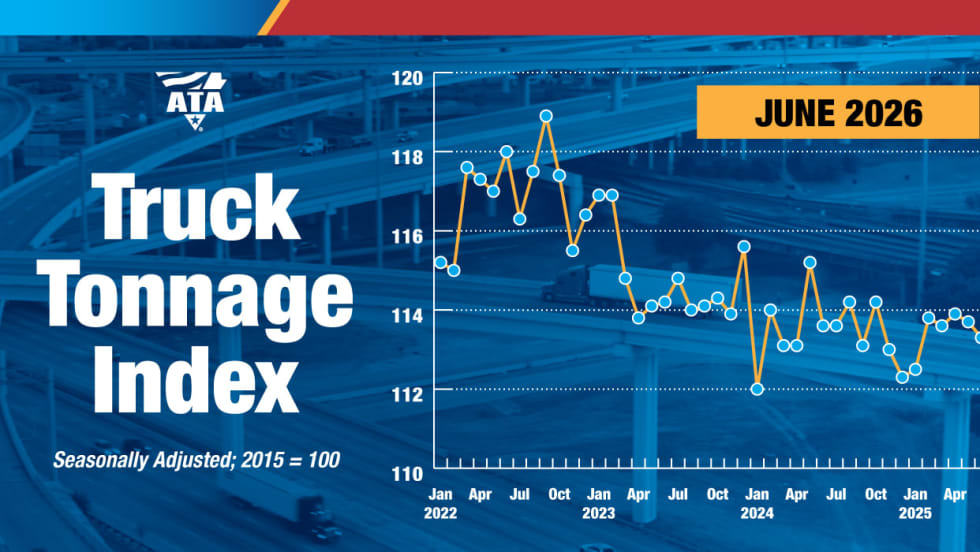
Freight Tonnage Down, Rates up, as Lower Capacity Powers Trucking Recovery
The recovery from the freight recession continues to be driven by reduction in capacity rather than by increased demand.
Read More →
Think Your Trucking Fleet Isn't Using Much AI? Think Again
Shadow AI — the use of unauthorized artificial intelligence tools at work — is becoming increasingly common, putting sensitive company data at risk. Learn how trucking fleets can protect sensitive data while embracing AI.
Read More →
ArcBest Consolidates Brands, Cuts Workforce
The company will bring three business units under the ArcBest brand, eliminate about 2% of positions, and expects the changes to generate $40 million in annual savings.
Read More →
Trucking Fleets Faced Record Operating Costs During Third Year of Freight Recession
ATRI's annual operational cost report shows carriers trimmed fleets, delayed equipment purchases, and ran older trucks as expenses continued to outpace freight rates.
Read More →