




Canadian Customs Phasing Out "77YY" Itinerant Carrier Code
As part of the implementation of its new eManifest initiative, Canada Border Services Agency is urging motor carriers to ensure they have their own unique identifier known as a carrier code

CBSA's eManifest initiative will change the way carriers file data when bringing cargo into Canada. (Photo by Jim Park)
As part of the implementation of its new eManifest initiative, Canada Border Services Agency is urging motor carriers to ensure they have their own unique identifier known as a carrier code.
Implementation of eManifest, a major project that will change the way commercial goods coming into Canada are processed, began on Oct. 31, but to prepare carriers and drivers currently using code 77YY, a transition period began on May 1. The agency plans to eliminate the generic itinerant highway carrier code, 77YY, as of March 31, 2011. CBSA is now assigning unique carrier codes that will become a legislated requirement for all carriers.
An official with CBSA told Truckinginfo.com that there were 19,000 entries filed using the generic code last year. The agency is concerned that many carriers and single-truck independent owner-operators could still be using the code, even as the phase-out deadline draws nearer. Once the generic code is eliminated, carriers continuing to use it will be denied entry to Canada.
The first phase of the eManifest roll-out went into effect Nov. 1, with the implementation of the electronic data interchange (EDI) system. Highway carriers registered for eManifest can now transmit their pre-arrival cargo and conveyance data to the CBSA before arriving at the border.
This advance information will allow border services officers to detect potential health, safety and security risks before goods reach Canada. It will also allow low-risk, legitimate goods to cross the border more efficiently.
"eManifest is part of the overall measures the CBSA is putting in place to enhance the safety and security of Canadians and international trade while streamlining cross-border processes," said Cathy Munroe, vice-president, programs branch. "Moving goods quickly, reliably and securely across the border is critical to Canada's prosperity and economic competitiveness."
This first milestone is one of several more to come. In 2011, the CBSA will offer a secure eManifest Portal transmission option that will allow for the electronic transmission of highway carrier data through the Internet. Later in 2011, eManifest will be offered in the rail mode and then to freight forwarders. When fully implemented, eManifest will be a virtually paperless process that starts before shipments even reach the border.
For further information on the process for obtaining a carrier code, visit the Commercial Carriers.section of the CBSA Website.
For more information: www.cbsa.gc.ca/prog/manif/menu-eng.html.
More Equipment

Help HDT Find Trucking’s Top Products
Have you come across a new product that could make a difference for trucking fleets? Nominate it for HDT’s 2027 Top 20 Products Awards by November 9.
Read More →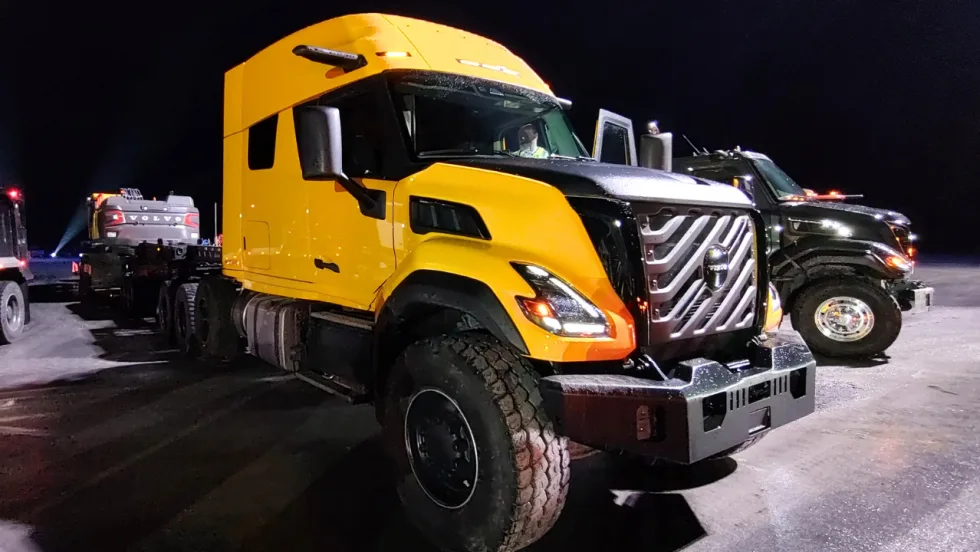
Volvo Unveils New VNX Heavy-Haul and Vocational Truck
Volvo Trucks has launched the VNX, a new vocational truck also available as a tractor in day cab and two sleeper configurations, with one heavy-haul model. The Volvo VNX is powered by Volvo's D13 platform, which delivers up to 540 horsepower and 1,950 pound-feet of torque and is EPA 2027-compliant.
Read More →
How GP Transco Cuts Trucking Fuel Costs, a Tenth of a Gallon at a Time
What’s another tenth of a mile per gallon worth? GP Transco shares how equipment upgrades and driver coaching turn small gains into meaningful fuel savings.
Read More →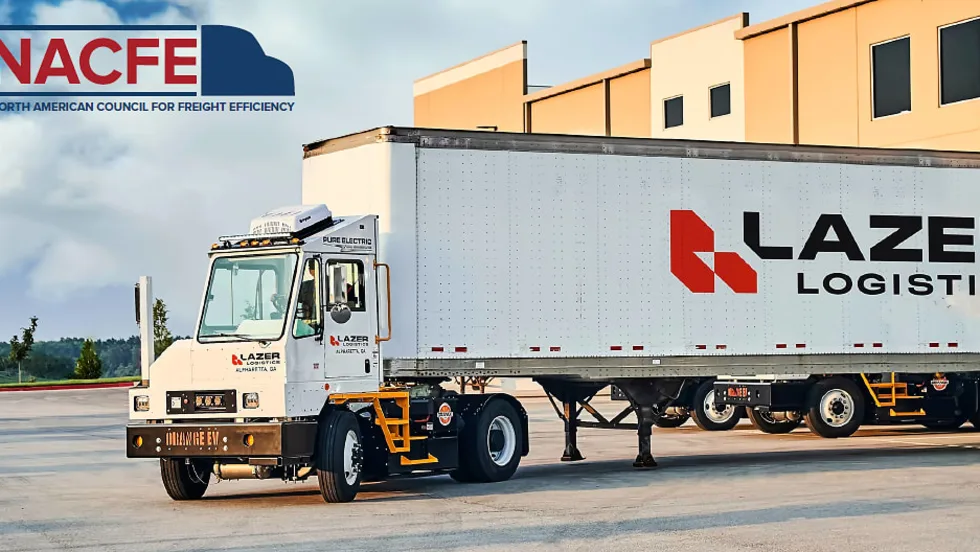
Electric Yard Tractors Move Beyond Pilots
Operating-cost savings have overtaken sustainability goals as the leading reason surveyed fleets are adopting battery-electric terminal tractors, according to new NACFE research.
Read More →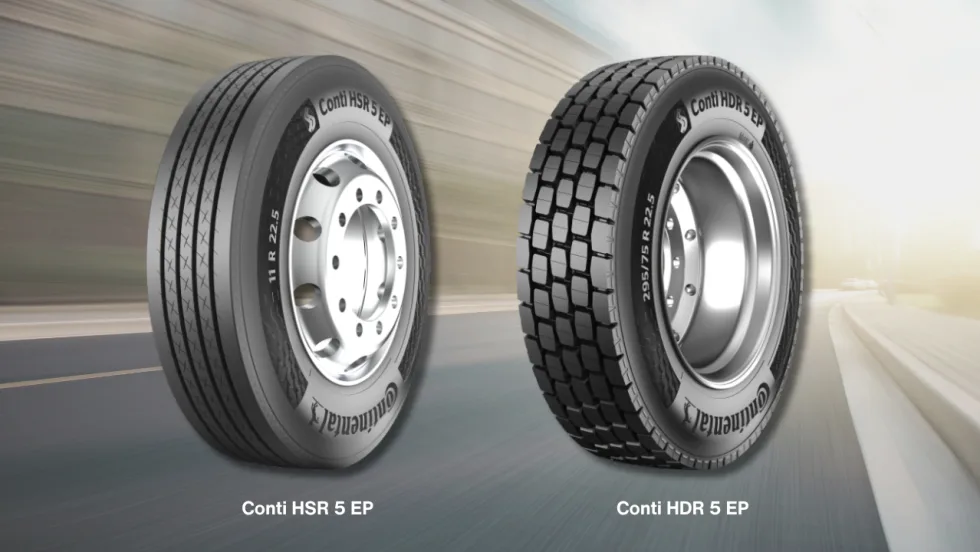
Continental Introduces New Regional Truck Tires
Continental says its new Generation 5 steer and drive tires for regional operations offer longer tread life, with estimated mileage gains of 22% and 19%, respectively.
Read More →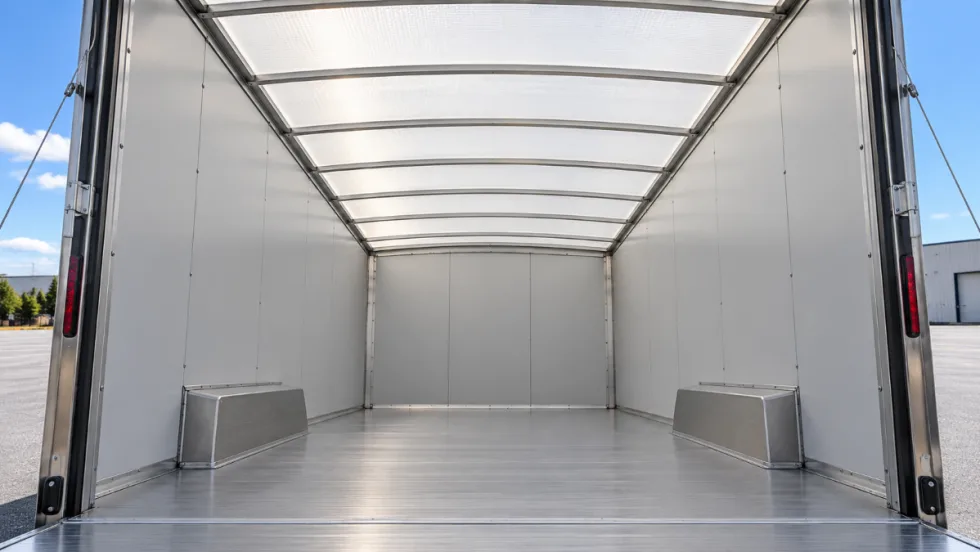
Tekmodo Introduces CargoBright Brand for Translucent Trailer Roofs
CargoBright is designed to diffuse daylight across the cargo area while performing as a working vehicle roof.
Read More →
Fleet Economics Shape Electric Truck Outlook
ACT Research expects costs, charging infrastructure, and technology improvements to drive zero-emission commercial vehicle adoption as federal regulations and incentives retreat.
Read More →
Kodiak Targets Dallas–Houston for Driverless Trucks
The company says its autonomous trucks are completing the I-45 run without a safety observer taking control. It plans to remove the observer by the end of 2026.
Read More →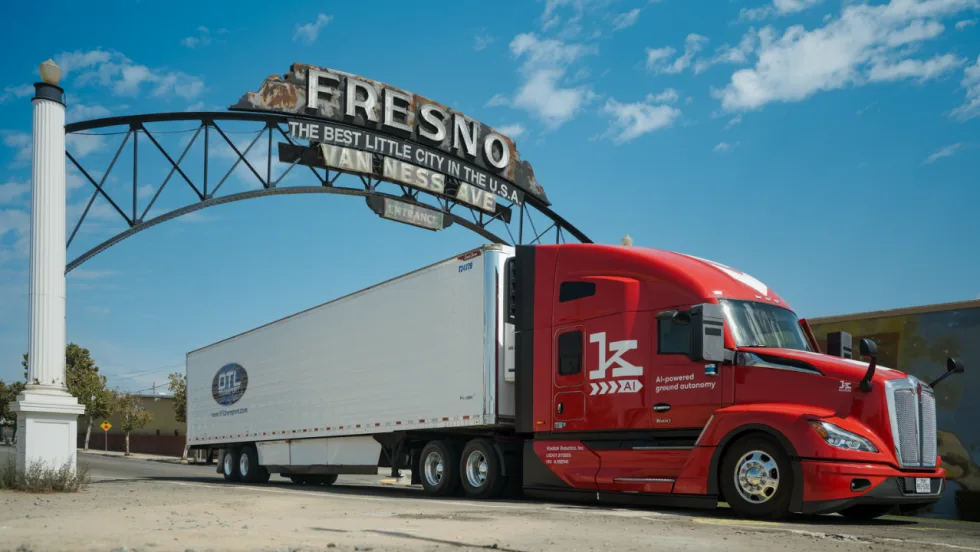
Kodiak Hauls Produce in California Autonomous Truck Pilot
Kodiak AI and DTL Transport have begun hauling produce between Fresno and Los Angeles under California’s new rules for testing heavy-duty autonomous trucks. A safety driver remains behind the wheel.
Read More →
Used-Truck Remarketing Math Is Changing
Used-truck value is no longer just a concern at trade-in. Decisions made throughout a truck’s first life can influence what it’s worth years later.
Read More →