




California Strikes Deal with Truckers to Hike Fuel Tax
A bill to raise fuel taxes that could bring in $5.2 billion a year has advanced through the California legislature and needs only to be signed by Gov. Jerry Brown before going into effect.

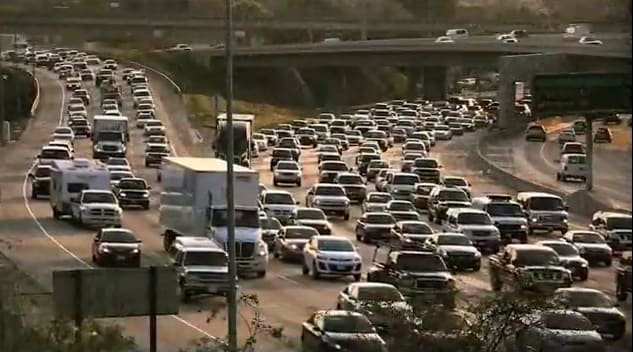
Congestion in California. Photo: U.S. Dept. of Transportation

A bill to raise fuel taxes that could bring in $5.2 billion a year has advanced through the California legislature and needs only to be signed by Gov. Jerry Brown (D) before going into effect.
The base excise tax will jump 12 cents per gallon for regular gasoline and 20 cents per gallon for diesel fuel. In addition, the sales tax on diesel fuel will increase by four percentage points, according to the Los Angeles Times. The money will be used to support California’s aging transportation infrastructure.
To pass the bill, the governor tried to garner support from the trucking industry because the diesel tax will mostly impact transportation companies. The diesel tax alone will generate at least $10 billion in revenue over the next ten years.
Gov. Brown was able to strike a deal with lawmakers that will restrict the state from requiring owners to retire or retrofit trucks to meet new greenhouse gas regulations before they're 13 years old or reach 800,000 miles. Truck owners could keep vehicles as long as 18 years in some cases, according to the U.S. News and World Report.
That move that was predictably unpopular with environmental groups, which contend the provision will delay the impact of clean air regulations and harm California residents, particularly around busy ports and in areas with heavy truck traffic.
The bill also includes an increase in license and registration fees based on the value of the vehicle. The taxes and fees will increase over time with inflation.
The fuel tax hikes will take effect on Nov. 1 and the vehicle fee increases will start on Jan. 1, 2018.
The bill was contentious, with Republican lawmakers arguing against the increase in a state that already pays the highest fuel prices in the nation.
This is the first gas tax increase in 23 years for California. It comes on the heels of a recent New Jersey bill that increased fuel taxes in that state for the first time in 28 years.
Aging infrastructure is a hot topic both nationally and locally, with multiple states voting in favor of infrastructure reform during the election season late last year.
President Trump has indicated that one of his priorities is to increase infrastructure funding by as much as $1 trillion through public and private investment.
More Fleet Management

Trimble’s New AI Agent Takes Aim at Fleet Back-Office Busywork
Arc Agent works across Trimble TMS products to automate repetitive tasks such as freight orders, maintenance, invoices, fuel costs and more.
Read More →
How HDT’s 2026 Truck Fleet Innovators Are Rethinking Fleet Operations
Meet five trucking leaders who are challenging assumptions, solving operational problems, and putting innovative ideas to work.
Read More →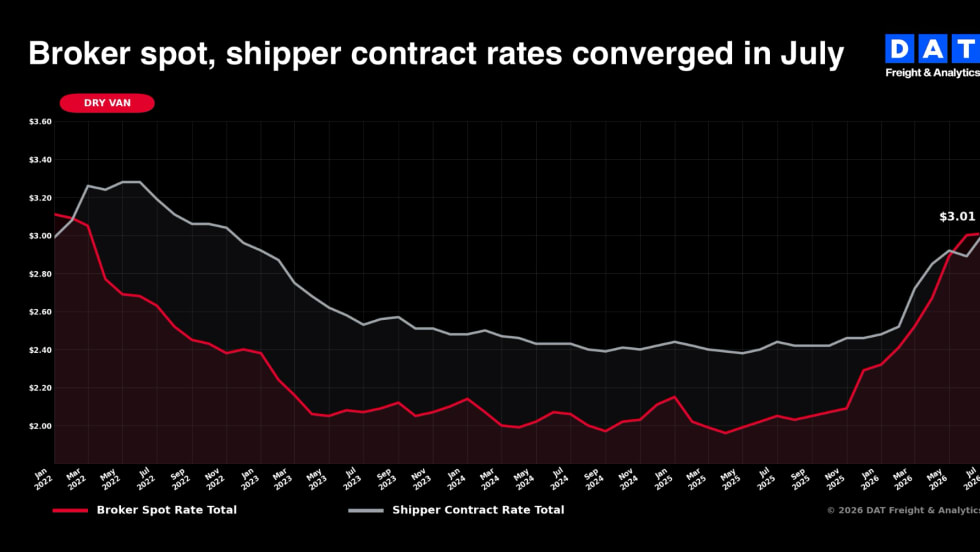
Tight Trucking Capacity Pushes Rates Higher Even as Freight Volumes Fall
“Spot rates moving ahead of contract rates have historically signaled a tightening market, but we haven’t seen a capacity-driven market quite like this one,” said DAT's Dean Croke.
Read More →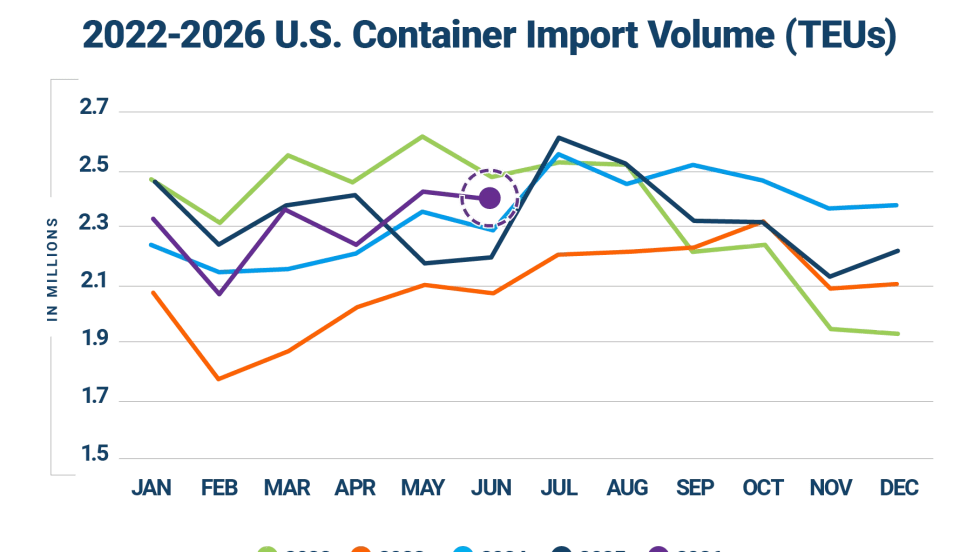
Import Cargo’s Early Peak Season is Winding Down
There was an early start to peak season this year at the nation's gateway ports, as retailers brought in merchandise ahead of tariff changes in late July and responded to other supply chain uncertainties,
Read More →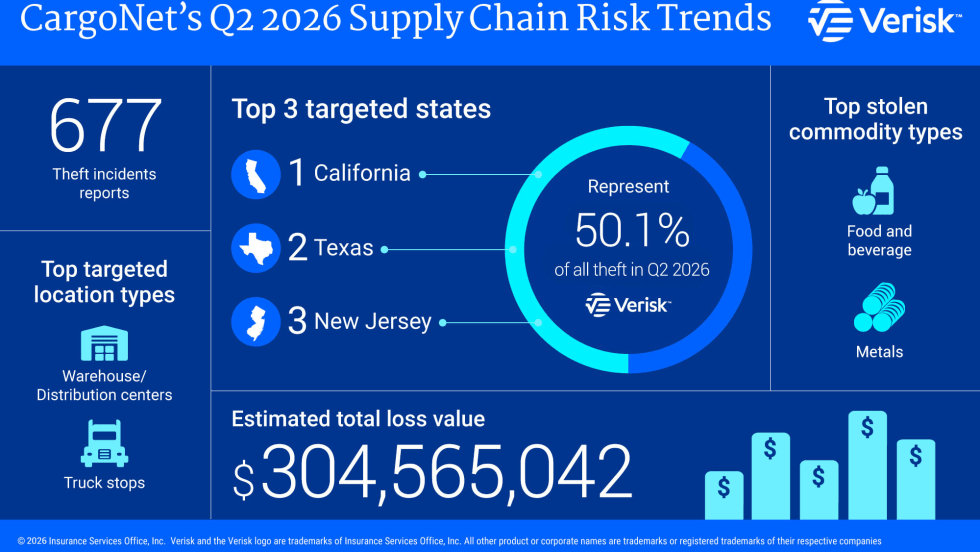
Fewer Cargo Thefts, Bigger Losses: Criminals Target Higher-Value Loads
CargoNet says organized theft rings are stealing fewer shipments but choosing more valuable freight, including metals and technology, resulting in record losses.
Read More →
How Innovative Trucking Leaders Turn Change Into an Advantage
As the pace of change accelerates in trucking, the fleets that adapt best have more than the latest technology. They have cultures that embrace improvement.
Read More →
Freight Broker Bonds Just Got Harder to Get. Here's What That Means for Your Fleet.
When it gets harder for a freight broker to prove they are financially sound, the ones who cannot clear that bar get pushed out of the market. And those are exactly the brokers who used to leave motor carriers holding the bag.
Read More →
Long-Awaited Canadian Border Bridge to Open in Detroit
For trucking, the bridge opening should offer immediate improvements in efficiency and reliability, with new customs facilities, expanded inspection capacity, and direct freeway-to-freeway connections.
Read More →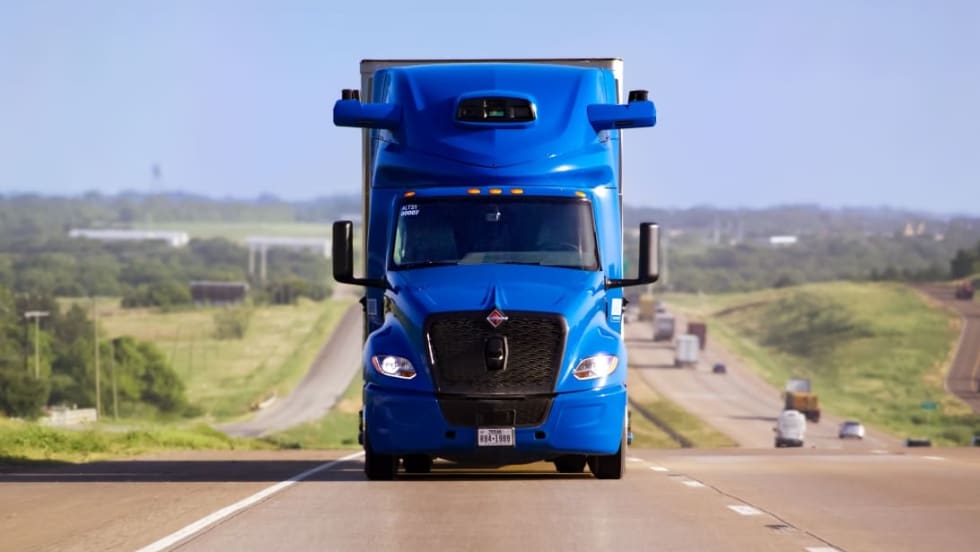
Aurora Rolls Out Next Generation of Driverless Trucks for Commercial Freight
Aurora's latest autonomous trucks it's rolling out with International feature lower-cost hardware designed for a million miles as the company expands commercial driverless freight operations across the U.S. Sun Belt.
Read More →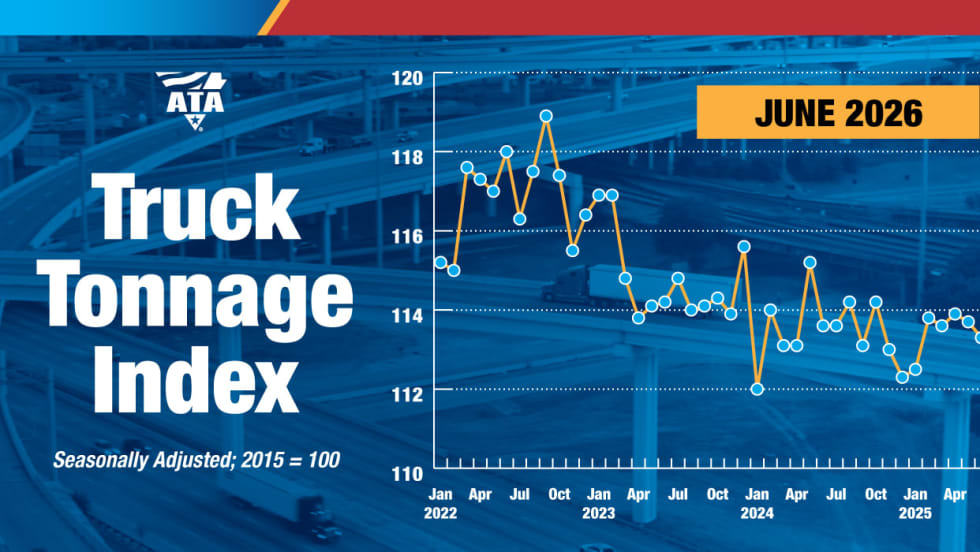
Freight Tonnage Down, Rates up, as Lower Capacity Powers Trucking Recovery
The recovery from the freight recession continues to be driven by reduction in capacity rather than by increased demand.
Read More →