




TMC Introduces New Certified VMRS Specialist Program
ATA’s Technology & Maintenance Council is introducing a Certified Specialist Program for users of the Vehicle Maintenance Reporting Standards. VMRS is the industry standard coding convention for tracking equipment and maintenance information.
ATA’s Technology & Maintenance Council is introducing a Certified Specialist Program for users of the Vehicle Maintenance Reporting Standards. VMRS is the industry standard coding convention for tracking equipment and maintenance information.
The Certified VMRS Specialist Program provides current VMRS users a means of demonstrating their expertise and proficiency. It also encourages others to increase their knowledge and use of VMRS.
The program highlights the importance of VMRS to employers and encourages employees to continue their VMRS education.
The certification testing process will consist of 15 multiple choice and one essay question pertaining to the use and implementation of VMRS. The questions will assess an applicant’s knowledge of the VMRS coding structure and guidelines. The certification is valid for two years; applicants must retest to keep their status valid.
The certification testing will cost $100 for ATA/TMC members; $125 for non-members. In cases of a failing grade, one free retest will be administered. An applicant must obtain a passing grade of 80% to qualify for certification status. If an applicant fails both tests, all subsequent testing will be administered at full price.
To register for testing, click the following link:
http://www/atabusinesssolutions.com/Default.aspx?TabID=1415&productId=2333171
There is no time limit on taking the test; the renewal period starts on the initial date of purchase.
More Maintenance

What Three Fleets Are Doing Differently When Buying Truck Parts in 2026
With freight improving but costs still climbing, fleet maintenance executives explain how they're balancing price, quality, and supplier relationships.
Read More →
Paccar Recalls 2027 Trucks Built This Summer for Possible Electrical Problem
The nearly 6,000 Kenworth and Peterbilt trucks in the recall could potentially lose engine power, among other things.
Read More →
Will API PC-12 Oil Change Trucking Fleet Maintenance?
The new API PC-12 heavy-duty engine oil category reflects the changing demands of modern diesel engines. But fleets like Foodliner are looking to getting their own data before making decisions on adopting the new oils and questions such as extending oil drain intervals.
Read More →
Brake Safety Week to Focus on Drums and Rotors
Commercial vehicle inspectors will be focusing on brakes during CVSA's Brake Safety Week, August 23-29.
Read More →
Possible Battery-Cable Fires Prompt Recall of 15,000+ International MV and HV Trucks
On the recalled vehicles, manufacturing variations can cause the battery interconnect cable to contact the auxiliary stud and hold down the bracket.
Read More →
Rush, MCT Team Up to Grow Refrigeration Service Network
The joint venture will operate MCT's network of Carrier Transicold dealerships and mobile service locations, with the companies promising greater service capacity and uptime for refrigerated fleets.
Read More →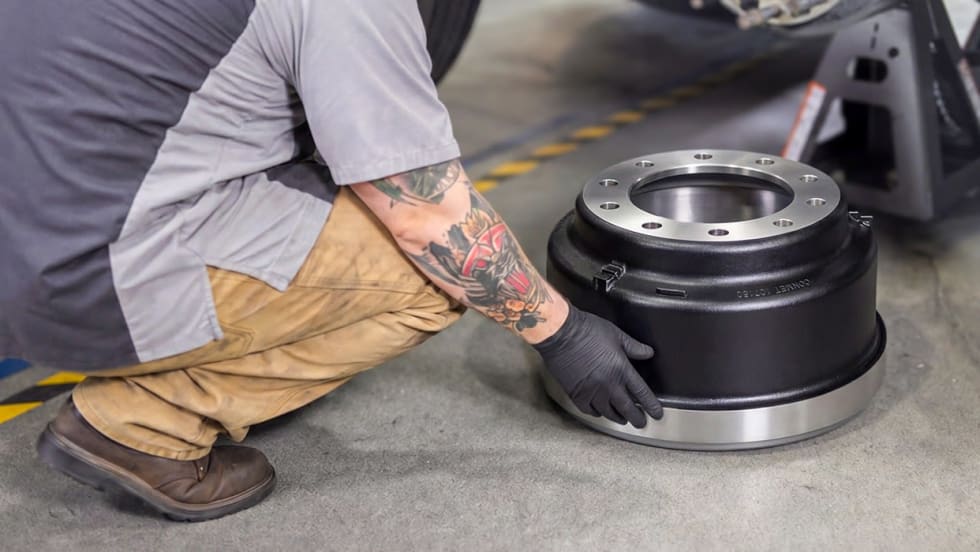
ConMet Expands Aftermarket Brake Drum Lineup With TruCast
A new heavy-duty truck brake drum option in the aftermarket gives customers more flexibility within the ConMet product family.
Read More →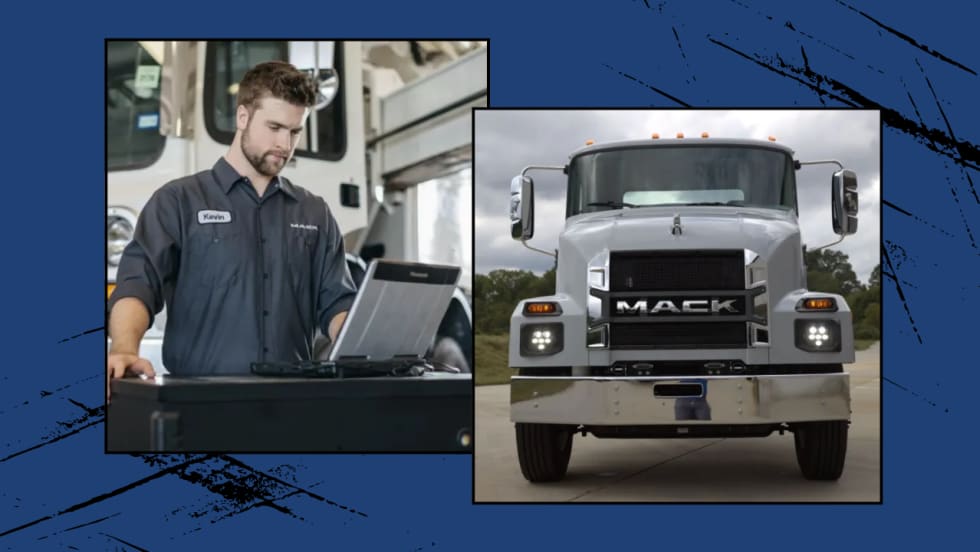
Mack Expands Premium Service Contract Coverage to Medium-Duty MD
With a service contract, inspections, preventive maintenance and repairs can be handled in a single visit instead of multiple ones.
Read More →
Maintenance in the Messy Middle Part 5: Battery-Electric Trucks
No oil changes. No diesel exhaust fluid. No exhaust aftertreatment. But NACFE battery-electric trucks still require specialized maintenance procedures.
Read More →
Trucking Fleets Faced Record Operating Costs During Third Year of Freight Recession
ATRI's annual operational cost report shows carriers trimmed fleets, delayed equipment purchases, and ran older trucks as expenses continued to outpace freight rates.
Read More →