




ATA Asks for Change in Chain Ratings
The American Trucking Associations is asking the National Association of Chain Manufacturers to change the way it rates some chains used for load securement -- a change the ATA says will encourage the use of stronger chains to tie down loads
The American Trucking Associations is asking the National Association of Chain Manufacturers to change the way it rates some chains used for load securement -- a change the ATA says will encourage the use of stronger chains to tie down loads.
In a letter published on the ATA's web site, ATA Vice President of Engineering Larry Strawhorn explains to officials at the NACM that the way they assign "safety ratings" to chains actually discourages truckers from using stronger chains to secure loads.
Grade 7 chain, designed specifically for load securement, is lumped together with Grade 8 and Grade 10 chains, which are designed for heavy lifting. All three carry a "safety factor" of 4.
However, lower-strength chains not specifically designed for load securement have a safety factor of 3. This means fewer of them are required under law to secure loads.
Why? Since 1993, truckers have been required to use chains with a "working load limit" equal to 1/2 times the weight of the load. If a chain has a working load limit of 250 pounds, truckers would need one chain for every 500 pounds of load.
A 3/8-inch Grade 4 chain has a safety factor of 3 and a breaking strength of 16,200 pounds, Strawhorn says. That means the chain has a working load limit of 5,400 pounds, and one chain is required for every 10,800 pounds ofload.
In comparison, a 5/16 inch Grade 7 chain has a safety factor of 4 and a breaking strength of 18,800 pounds. That means the chain has a working load limit of 4,700 opunds and one chain is required for every 9,400 pounds of load.
A Grade 7 chain actually has a 16% greater capability than a Grade 4 chain, Strawhorn says -- but it's limited to a 13% smaller load. As a result, carriers by law must use more of the stronger chains than they would the weaker one.
"Past regulatory practice and industry experience show that, employed in conjunction with the stipulations in the Federal Motor Carrier Safety Regulations, a safety factor or 3 is appropriate for chain that is used to secure cargo," Strawhorn writes. After describing the way the safety factors penalize the use of the stronger chain, he asks that all chain be assigned a safety rating of 3 when used for load securement purposes.
ATA is asking its members to contact NACM and their chain and load securement suppliers and ask them to change the safety factor for grades 7, 8 and 10 chains when used for load securement.
More Safety & Compliance
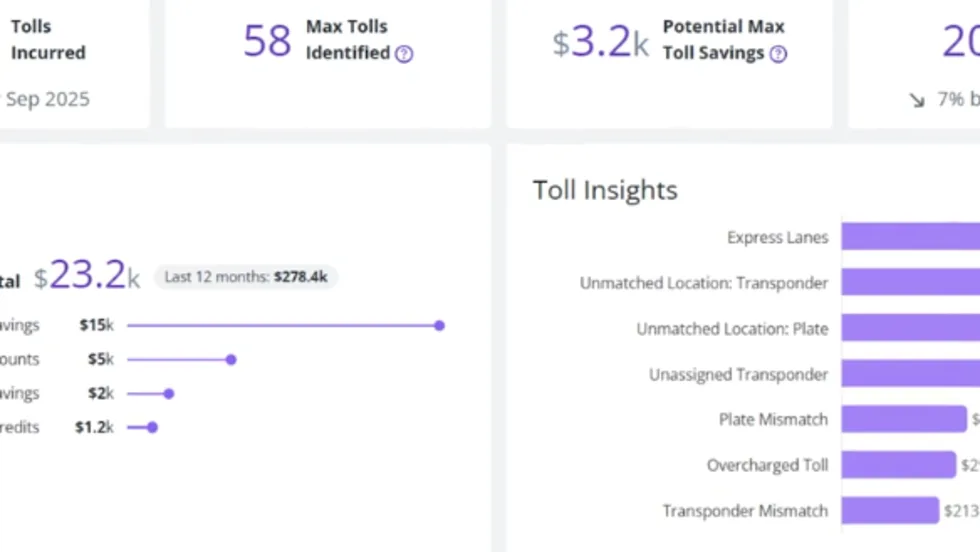
PrePass Intelligence Mines Fleet Bypass, Toll and Safety Data
PrePass Intelligence helps fleets measure bypass savings, flag potential toll overcharges, and spot suspicious transactions by combining data from separate systems.
Read More →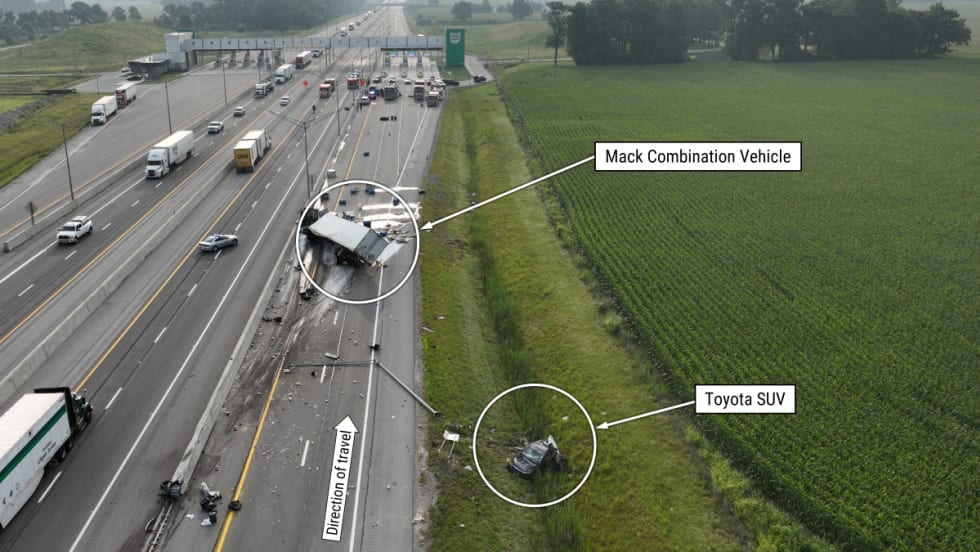
Fatal Crash Exposes Toll Plaza Risks
An NTSB investigation found that last-minute lane changes and large speed differences at an Ohio toll plaza created a hazard the truck driver couldn't avoid in time.
Read More →
When Language Stops the Truck: The Return of ELP Out-of-Service Orders
English language proficiency rules for commercial drivers aren’t new, but renewed out-of-service enforcement has raised the stakes. Here’s what carriers need to know before a driver reaches a roadside inspection.
Read More →
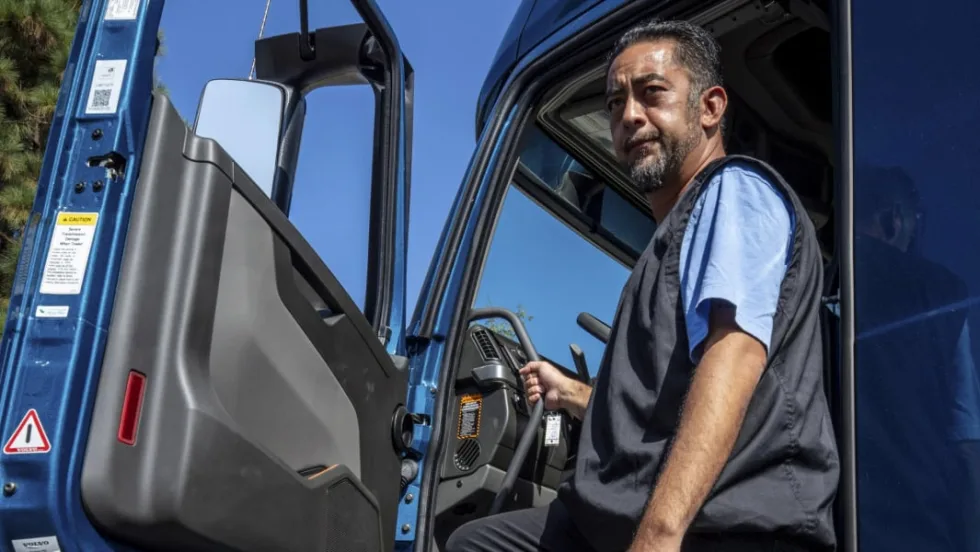
A Camera Isn't a Safety Program. Here's What Brokers Are Screening for Now
Footage alone may not be enough to pass broker vetting processes. Here's what counts as a defensible safety program now.
Read More →
Marijuana and Trucking’s Drug-Testing Dilemma
Marijuana is getting stronger, laws are changing, and drug tests still can’t reliably establish impairment. What does that mean for truck drivers and the fleets that employ them?
Read More →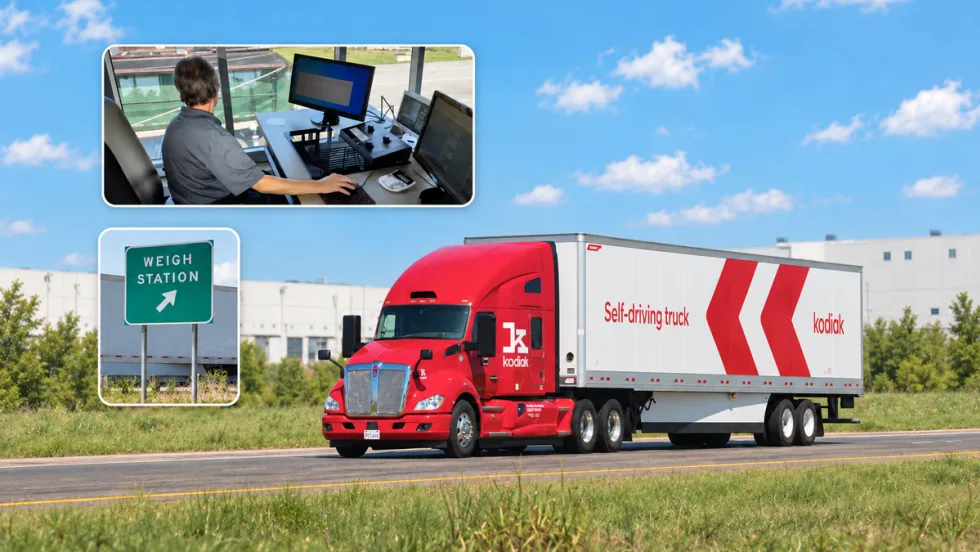
PrePass, Kodiak Connect Driverless Trucks to Roadside Enforcement
The system will allow enforcement agencies to verify Enhanced Inspection information and decide whether Kodiak’s autonomous trucks can bypass roadside screening sites.
Read More →
From One Generation to the Next: How Mentorship Builds Safer Truck Drivers
After three decades in trucking, Harold Perry shares what he's learned about driver safety, mentorship, and helping the next generation build confidence behind the wheel.
Read More →
FMCSA Pauses Biennial-Update Enforcement Amid Motus Transition
Carriers whose updates were due on or after June 1 have more time, while FMCSA works to stabilize its new registration system and warns of phishing sites impersonating its new carrier registration system, Motus.
Read More →
ZF Expands Commercial Vehicle Push in North America
ZF is expanding its North American commercial-vehicle presence with new transmission applications, electrification, trailer technology and autonomous-driving systems.
Read More →
Truck Drivers Need More Than Another Alert
Fleets have more visibility into truck health, safety events, and driver activity than ever. The next challenge is turning all that information into useful guidance for the person who has to decide what to do next.
Read More →