




Alternative Fuels Mean Energy Independence, Say ACT Expo Speakers
Suppliers of alternative fuels and the equipment that burns them must cooperate to move America toward energy self-sufficiency and economic growth, says retired U.S. Army Gen. Wesley Clark.
Suppliers of alternative fuels and the equipment that burns them must cooperate to move America toward energy self-sufficiency and economic growth, says retired U.S. Army Gen. Wesley Clark, a former commander of the North Atlantic Treaty Organization and unsuccessful presidential candidate who now describes himself as a businessman who invests in oil and gas interests.
Making a keynote address to attendees of the Alternative Clean Transportation Expo that opened yesterday in Long Beach, Calif., Clark recalled growing up in a different America, when the Cold War with the Soviet Union dominated the mission of the military and energy began being a problem.
Reliance on imported oil caused disruptions for everyone in the 1970s, he said. As a "writer at the Pentagon" in the 1980s, he said he researched the world energy situation and foresaw the day when the U.S. would have to deploy troops to the Mideast to secure access to oil there.
Brass considered that possibility a top secret matter and ordered him to delete it from a paper he wrote. The rest, we could say, is military history: The Gulf War of '91 and wars in Iraq and Afghanistan.
Imported oil is still a problem, so Clark said he welcomes the development of natural gas, propane, ethanol and other alternatives to traditional gasoline and diesel fuel that come straight from petroleum. About 9.5 million barrels of oil a day come into the U.S., costing $300 billion a year or $1,000 for every person in America, he said.
"No single product in the U.S. liquid fuels market is the answer," Clark said, echoing the general theme of the ACT Expo. But "in alternative fuels, everybody seems to hate everybody else. Oh, not here, in this room -- everybody seems to be smiling. But we need a national energy strategy and for everyone to work together -- all forms of fuel in the liquid fuels market."
But Clark didn't suggest how that might be accomplished, and remarks later by a panel of executives in the various sectors indicated that cooperation won't soon replace competition. Representatives of the natural gas and propane industries both claimed they had the answer with inexpensive fuels that are already available.
Natural Gas, Propane Fuels
"Natural gas is here, it's now, it's clean and it's cheap," said Michael Allman, president and chief executive officer of Southern California Gas Co. He pointed to the numerous gas transmission lines that go to millions of homes as the ready-made infrastructure that individual motorists could tap into to fill up tanks on gas-powered cars.
"I could say the same thing for propane," said Roy Willis, president and CEO of the Propane Education & Research Council, who countered that many places in the U.S. have no gas pipelines or distribution lines. Propane can be carried by truck and train, and users can go to any of 3,000 propane "autogas" filling stations in the U.S.
"Our infrastructure [for filling stations] is cheaper than for natural gas," whose commercial, fleet-sized stations are far more expensive, Willis said. "The challenge is for us to get them out there." At current stations, propane now averages $2.02 a gallon, including road taxes.
Natural gas cost $1.85 per gasoline equivalent gallon as of last week, Allman answered, but later acknowledged that this price does not include road taxes. If home filling stations were to develop, some form of metering and billing might collect that money, he suggested. Many commercial stations now collect it.
Room for Everybody
The panel that Allman and Willis were on offered a view of the "transportation fuel supply in North America," and its six members generally agreed on the need for many types of energy to augment expensive petroleum.
"Strategically, we're going about it the wrong way," said Steve Center, vice president for environmental business development at American Honda Motor Co. "We should concentrate in one market and make it convenient there for users. Then we can expand it geographically.
"Declare a natural gas zone, or a hydrogen zone, or an electric zone," he said, "and consumers will invest in it that way." Vehicle manufacturers can efficiently supply cars and trucks to serve it.
"Fleets," not zones, are the way that propane suppliers have been expanding use of that fuel, said Willis of the propane council.
"We put the infrastructure on their properties" for them to fill up their vehicles' tanks. "But one thing doesn't work everywhere," he added.
There may be a 20-year transition period when "it won't be all that clear which types of vehicles and fuels will be best," said Linda Capuano, vice president for emerging technology for Marathon Oil Co. "We could use all of them until one emerges as the favorite."
Electric cars and trucks look promising as a way to reduce petroleum usage, Gen. Clark had said in his talk. "The president has the goal of 1 million electric cars on the road by 2015. One million electric cars? Fine. But we'll still have 249 million cars and trucks that burn oil."
Allman, the SoCal Gas man, said he sees problems with multiple electric cars in a neighborhood trying to charge up overnight. One set of car batteries being recharged equals two houses, and the electric grid wasn't designed or built to support this, and could be overloaded.
No End in Sight for Liquid Fuels
The market for liquid fuels will thus continue, and it will be large, requiring alternatives such as biofuels, ethanol and liquids produced from gases. "Aviation is a natural market for biofuels," said Robert Sturtz, managing director for strategic fuel sourcing at United Air Lines, who earlier had thrown out some "gee-whiz numbers" about the millions of gallons of jet fuel the airline uses every day.
There are projects overseas to produce liquid fuel from gases, Allman said. They should be pursued here because it fits right into the current headiness over the supposed 100-year supply of natural gas that has been discovered in the U.S.
Clark recalled the 1990s as "a golden age for America" because general prosperity created 22 million jobs and the federal government enjoyed two years of budget surpluses. That went away with the dot-com bust, a recession, two wars and other woes that led to massive deficits and unemployment.
"Focus on growth" and turn away from talk of austerity, he said, because it leads to layoffs and stagnation. Government should now stimulate the economy through spending. Developing clean energy in the U.S. will create jobs that help reduce dependency on foreign oil.
More Fuel Smarts

Detroit Opens Orders for EPA 2027 Engines
Detroit isn’t starting from scratch to meet EPA 2027 diesel emissions standards. Its Gen 6 DD13 and DD15 engines keep much of today’s platform while updating the fuel and aftertreatment systems.
Read More →
Zero-Emission Truck Corridor Planned for West Coast
California, Oregon, Washington, British Columbia and Baja California are coordinating plans for truck charging and hydrogen fueling from Canada to Mexico.
Read More →
A Closer Look at Kenworth’s Electric T880E Vocational Truck [Video]
Learn more about Kenworth's T880E battery-electric vocational truck at the Paccar Technical Center, including its range, applications, upfitting considerations, and PTO options, in this HDT Spotlight video.
Read More →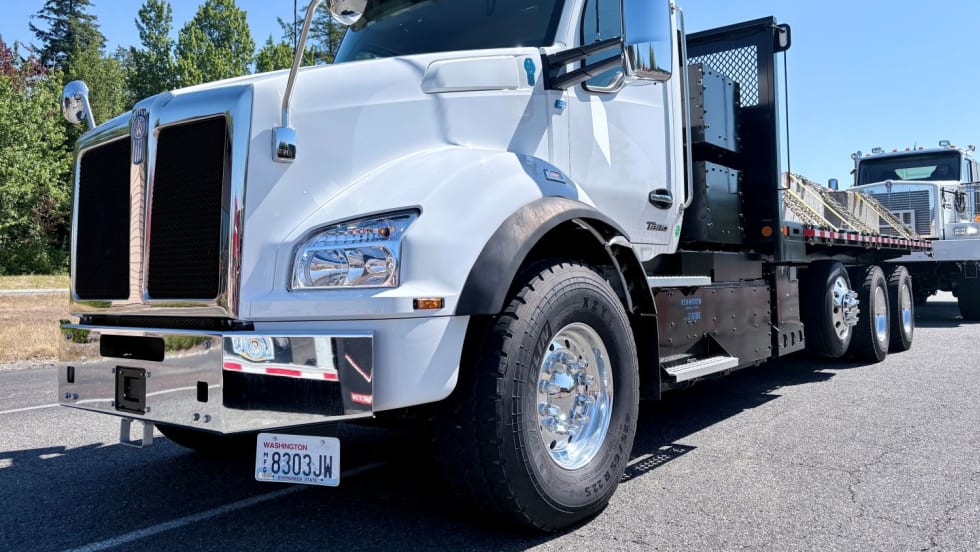
Kenworth T880E Brings EV Power to Vocational Trucks
A closer look at the Kenworth T880E’s range, charging, powertrain and upfit options — and where fleets are showing the most interest.
Read More →
Jennie Abarca Is Proving Electric Trucks Can Do the Job
HDT Truck Fleet Innovator Jennie Abarca is building confidence in fleet electrification one load at a time while openly sharing the challenges she encounters along the way as a small-fleet owner.
Read More →
Cummins Adjusts 2027 Engine Rollout After EPA Proposal
The engine maker will gradually introduce its new Model Year 2027 diesel engines while continuing to offer current models during the transition, citing the EPA's proposed emissions rule changes.
Read More →
EPA Proposal Could Ease 2027 Truck Costs and Buying Uncertainty
The proposal doesn't change the tougher NOx standard, but it would revise key implementation requirements that manufacturers say have driven up costs and complicated fleet purchasing decisions.
Read More →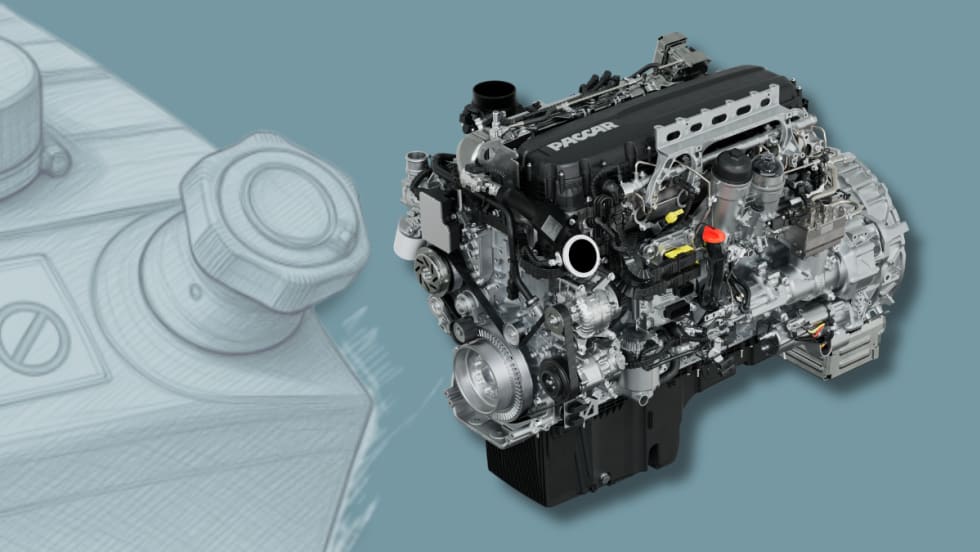
Cummins, Paccar Ease DEF Derates After EPA Guidance
Updated diesel engine software gives truck operators more time to address emissions-system issues while staying compliant with EPA emissions standards.
Read More →
Maintenance in the Messy Middle Part 3: Biodiesel
Biodiesel can reduce emissions, improve fuel-system lubricity and use existing diesel infrastructure. But NACFE’s Messy Middle maintenance report says fleets must actively manage storage, cold-weather operation, filters and oil drain intervals to avoid problems.
Read More →
Enhance Fleet Performance with High-Efficiency Auxiliary Power Units
Drive sustainable cost savings while increasing driver comfort during short- and long-haul logistics operations.
Read More →