





Related: Government Report Calls for 20-Year Fix of Interstate Highways
AASHTO Chief Sees Infrastructure Bill after Shutdown’s Over
Jim Tymon also backs upgrading of the Highway Trust Fund and notes that state DOTs must replace retiring staffers.
January 9, 2019
AASHTO Chief Jim Tymon thinks that infrastructure reform will be the first item on the docket for congress to tackle. Once the shutdown ends.
Photo via U.S. DOT
3 min to read
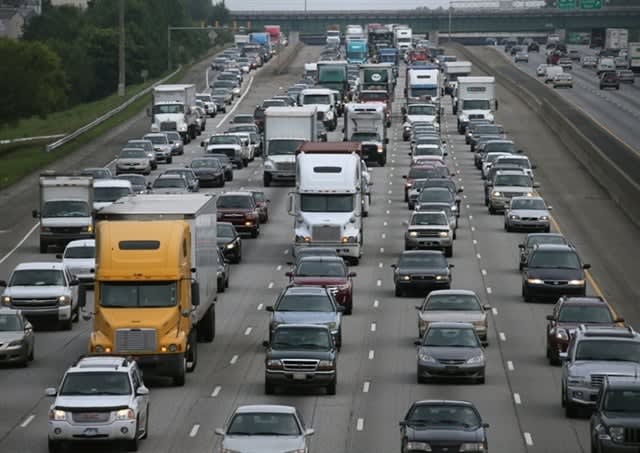
In spite of the government shutdown, infrastructure is still on the minds of people in Washington, and some dare to hope that federal legislation to support repairs and construction of bridges, highways, and other facilities that keep the country moving will come out of Congress this year.
One is Jim Tymon, the new executive director of the American Association of State Highway Transportation Officials, who on Jan. 8 briefed reporters on the organization’s priorities and goals for 2019. He took over on Jan. 1 after five years in AASHTO staff positions and previously serving as a congressional aide specializing in transportation.
The tax-cut bill passed last year “has placed new emphasis on deficit spending and how it can be sustained,” Tymon said. “Once we get through the shutdown, I think it’s one of the first issues the Democrats want to tackle.
“My experience is that after we get through these trying times, Democrats and Republicans will get together and try to find common ground and show that they’re not as dysfunctional as they seem to be” because “transportation has traditionally united the parties," he added.
AASHTO continues to advocate for the federal Highway Trust Fund, he said, and wants badly needed updates to the motor fuel taxes that send money into it, though at a diminishing rate due to changes in vehicle types and simple inflation that reduces the dollar's buying power. A number of states have increased highway use taxes because they see funding as investment in their economies, which Tymon said he finds encouraging.
“But that’s no excuse for the federal government to walk away from their responsibilities,” he said. “The gas [fuel] tax supporting the Highway Trust Fund has not increased in more than 25 years. Several times it has been bailed out by general revenues, but that can’t go on forever. We’re spending $10 billion to $15 billion more annually than is taken in.
“The Highway Trust Fund is still viable,” Tymon continued. “It goes back 60 years. It’s known, it works, and is an efficient way to collect funds and distribute them to states that use them.”
But changes are needed to compensate for more fuel-efficient cars and trucks that use less gasoline and diesel, and whose owners therefore pay less into the trust fund, and for electric vehicles and those that burn natural gas and other alternative fuels that is either not taxed or taxed at a lower rate.
Though part of the federal government is shut down, “the trust fund is still working and money is flowing to the states,” he said. “That means that highway departments don’t necessarily have to pull the plug on projects that they have underway now. But they don’t have full access to the money that they have planned on for 2019, and they’re unsure about next year. I hope we get a full year appropriated for 2019.
“Federal staff that manages disbursement programs are not on the job during the shutdown,” he explained, so the flow of money will soon cease.
“We’re seeking reliable funding,” Tyron continued. “Unreliability is creating havoc for states in their planning.”
Support for the trust fund and other surface transportation programs is among AASHTO’s top priorities for 2019, he stated. Innovations for funding, including public-private partnerships are examples. And the organization wants to assist state transportation departments in finding qualified staffers to replace engineers and other staffers who are retiring – “workforce development,” he calls this.
State transportation departments are becoming development agencies that are active in areas like driverless vehicles and new materials, and how to build “resilient infrastructure” to deal with 100-year events that occur much more often.
“You don’t want to rebuild infrastructure and have it destroyed by another 100-year event only two years after you’ve rebuilt it,” he said.
More Fleet Management

How Innovative Trucking Leaders Turn Change Into an Advantage
As the pace of change accelerates in trucking, the fleets that adapt best have more than the latest technology. They have cultures that embrace improvement.
Read More →
Freight Broker Bonds Just Got Harder to Get. Here's What That Means for Your Fleet.
When it gets harder for a freight broker to prove they are financially sound, the ones who cannot clear that bar get pushed out of the market. And those are exactly the brokers who used to leave motor carriers holding the bag.
Read More →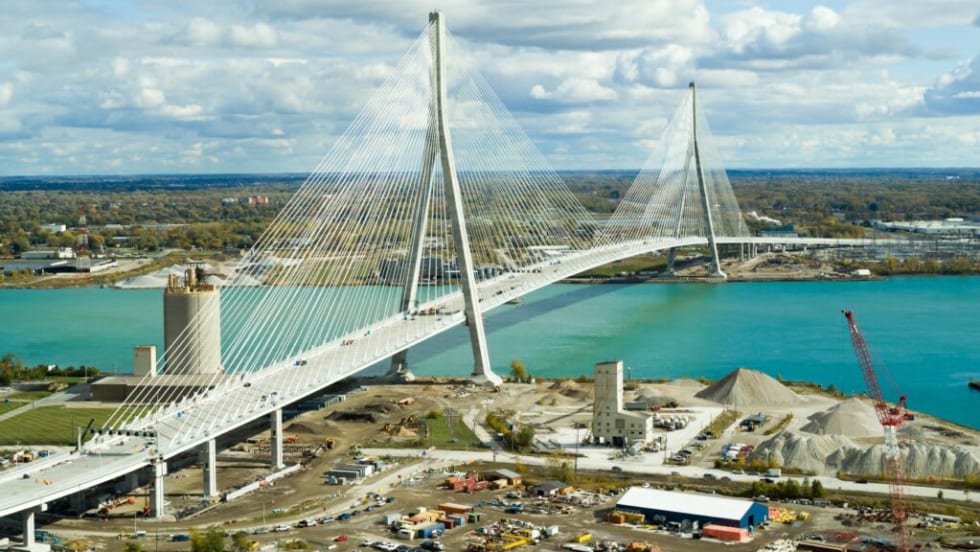
Long-Awaited Canadian Border Bridge to Open in Detroit
For trucking, the bridge opening should offer immediate improvements in efficiency and reliability, with new customs facilities, expanded inspection capacity, and direct freeway-to-freeway connections.
Read More →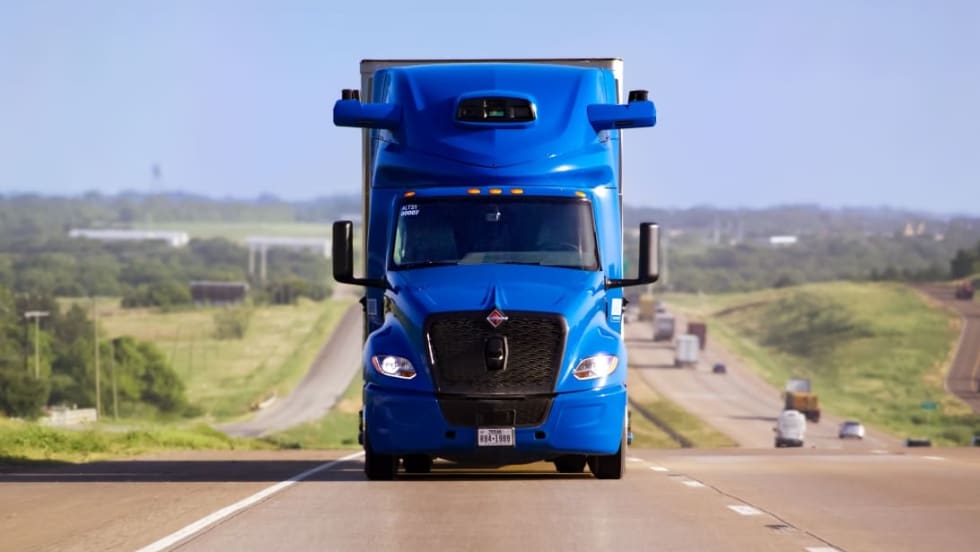
Aurora Rolls Out Next Generation of Driverless Trucks for Commercial Freight
Aurora's latest autonomous trucks it's rolling out with International feature lower-cost hardware designed for a million miles as the company expands commercial driverless freight operations across the U.S. Sun Belt.
Read More →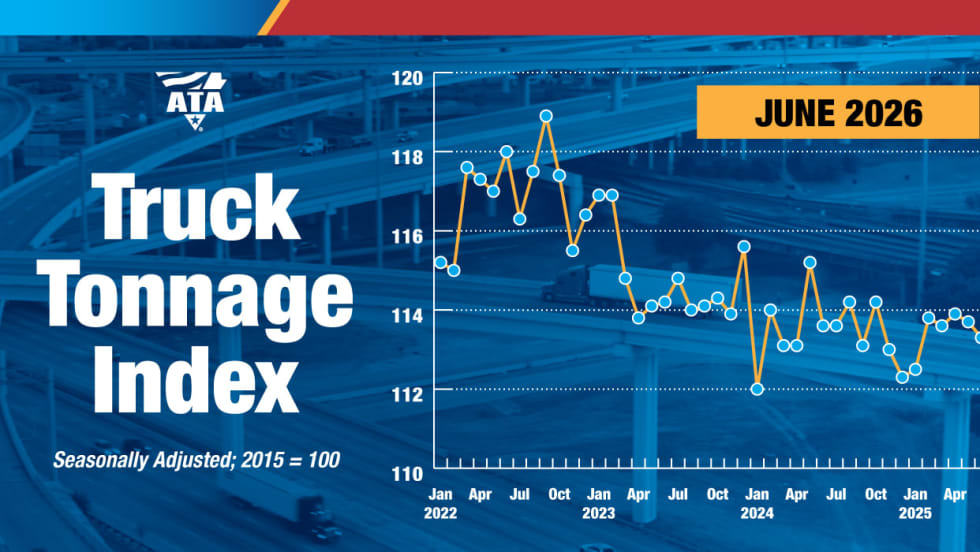
Freight Tonnage Down, Rates up, as Lower Capacity Powers Trucking Recovery
The recovery from the freight recession continues to be driven by reduction in capacity rather than by increased demand.
Read More →
Think Your Trucking Fleet Isn't Using Much AI? Think Again
Shadow AI — the use of unauthorized artificial intelligence tools at work — is becoming increasingly common, putting sensitive company data at risk. Learn how trucking fleets can protect sensitive data while embracing AI.
Read More →
ArcBest Consolidates Brands, Cuts Workforce
The company will bring three business units under the ArcBest brand, eliminate about 2% of positions, and expects the changes to generate $40 million in annual savings.
Read More →
Trucking Fleets Faced Record Operating Costs During Third Year of Freight Recession
ATRI's annual operational cost report shows carriers trimmed fleets, delayed equipment purchases, and ran older trucks as expenses continued to outpace freight rates.
Read More →
Michelin Adds AI Assistant to MyConnectedFleet Platform
Michelin’s new generative AI tool delivers instant fleet insights, helping managers analyze fuel use, tire maintenance, vehicle status, and operational performance without manually creating reports.
Read More →
LytxOne Platform Now Features AI, Compliance, and Asset Tracking Tools
New enhancements add AI-powered insights, asset tracking, compliance automation, and configurable privacy controls to Lytx's all-in-one fleet management platform.
Read More →