




A Look Into the Truck Parts Aftermarket
Before you can talk about what’s occurring in the truck parts aftermarket, you need to first look at what happened with new truck sales in prior years. For instance, while the number of medium-duty trucks has stayed the same since 1994, the number of Class 8 trucks has nearly doubled in that time.

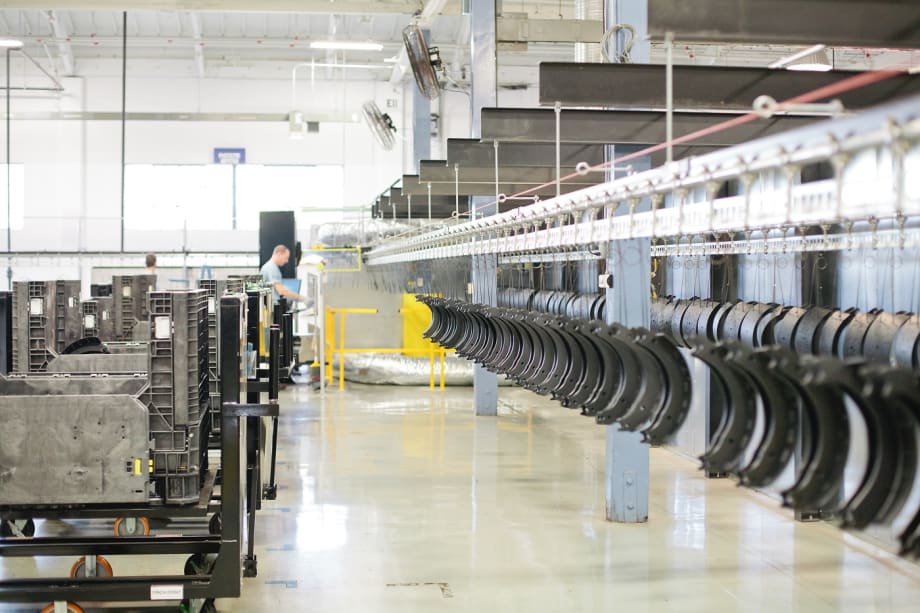
Before you can talk about what’s occurring in the truck parts aftermarket, you need to first look at what happened with new truck sales in prior years.
As of 2014, there were 2.9 million Class 8 trucks and an additional 1.5 million Class 6 and 7 trucks on the road. While the number of medium-duty trucks has stayed the same since 1994, the number of Class 8 trucks has nearly doubled in that time, according to Stu MacKay, president of MacKay & Co., speaking at Heavy Duty Aftermarket Dialogue in Las Vegas earlier this week.
For-hire carriers made up 30% of that Class 8 truck population, with construction fleets at 21%, private fleets at 17%. Agriculture, lease/rental and owner-operators make up the balance of Class 8 truck use.
School buses (24%) are the largest share of the medium-duty market, followed by private fleets (17%), lease/rental (15%), and agriculture (10%). For-hire carriers, government and all others make up the balance.
Freightliner has the largest share of the Class 8 truck market (29%), followed by International (17%), Kenworth and Peterbilt (13% each), Volvo (11%) and Mack (10%)
In the medium-duty market, International has 33% of the market, followed by Freightliner (24%), Ford (17%), GM/Chevy (13%) and Paccar (7%).
One of the most significant changes in the market is the growth of captive engines. Today trucks either have captive engines or Cummins engines, MacKay says. In the past fleets had options for captive or for Cummins, Caterpillar or Detroit engines.
Turning to parts themselves, John Blodgett, vice president of sales and marketing for MacKay & Co., said truck and trailer parts grew to $26.19 billion last year and he expects it to continue to grow to $32.43 billion by 2019.
Another big change is the life cycle of parts. Blodgett says that 32 years ago, a typical engine teardown took place at 276,000 miles. Today that same teardown does not happen until after 771,000 miles. Transmissions, which today are replaced at 585,900 miles, were replaced at 182,000 in 1982. This trend is true for other components like alternators, brake shoes, air compressors, and clutches.
Since the highest demand for parts comes when the truck is between seven and nine years old, fleets are likely spending a significant amount of money on parts given that the average age of the Class 8 market was 9.74 years in 2014 and vehicle utilization percentages are relatively solid: 91% for for-hire carriers, 95% for lease/rental, 77% for construction.
MacKay research shows that 37% of the parts replacement is in the power generation area, with undercarriage accounting for 19%, power transmissions 15%, cab and chassis 12%, electrical 8% and other 9%.
Dealers share of the parts business has grown from 34% in 1982 to 46% in 2014. The gain came at the expense of auto parts retailers who accounted for 18% of the market in 1982 but only 4% of the market in 2014.
More Maintenance
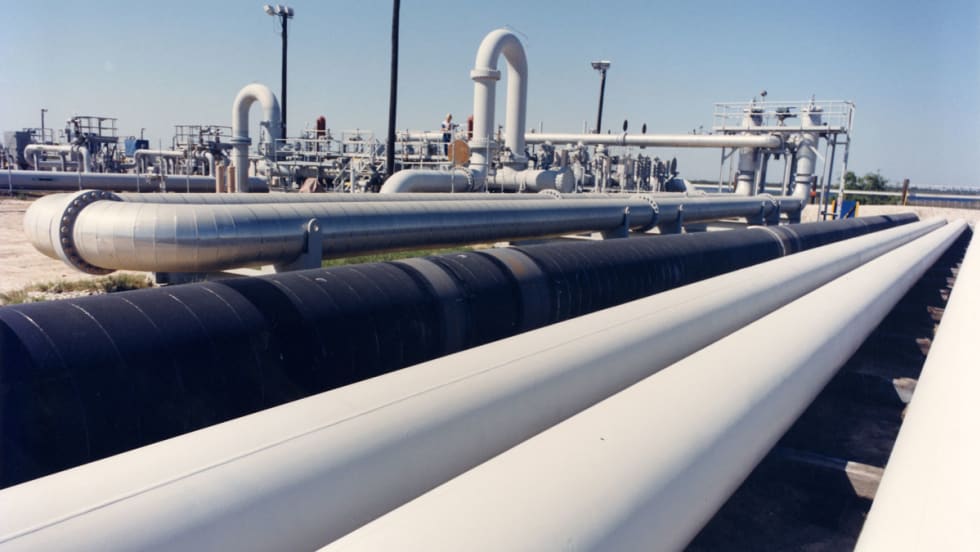
Oil Crisis Squeezes Trucking Lubricant Supplies
Fleets report higher lubricant costs as Middle East disruptions tighten supplies of ingredients used in synthetic engine oils and some driveline lubricants.
Read More →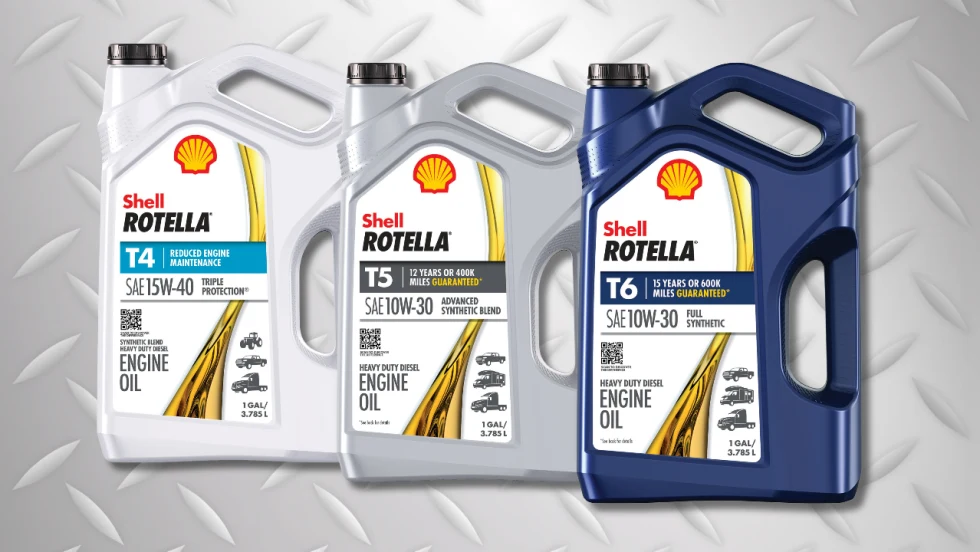
Shell Prepares Rotella Oils for 2027
New CL-4 and FB-4 formulations will begin arriving in early 2027, with improved protection against oil breakdown, wear and deposits, according to Shell.
Read More →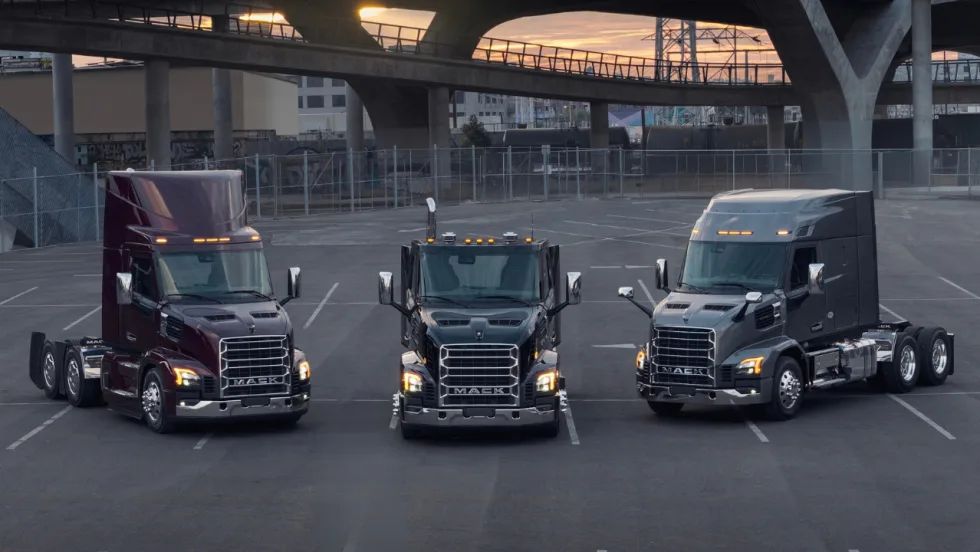
Mack Expands Extended Coverage With Four Chassis System Plans
Mack Trucks' new system-specific coverage options allow heavy-duty fleets to select protection for driveline, cab, HVAC, electronics, and advanced safety components.
Read More →
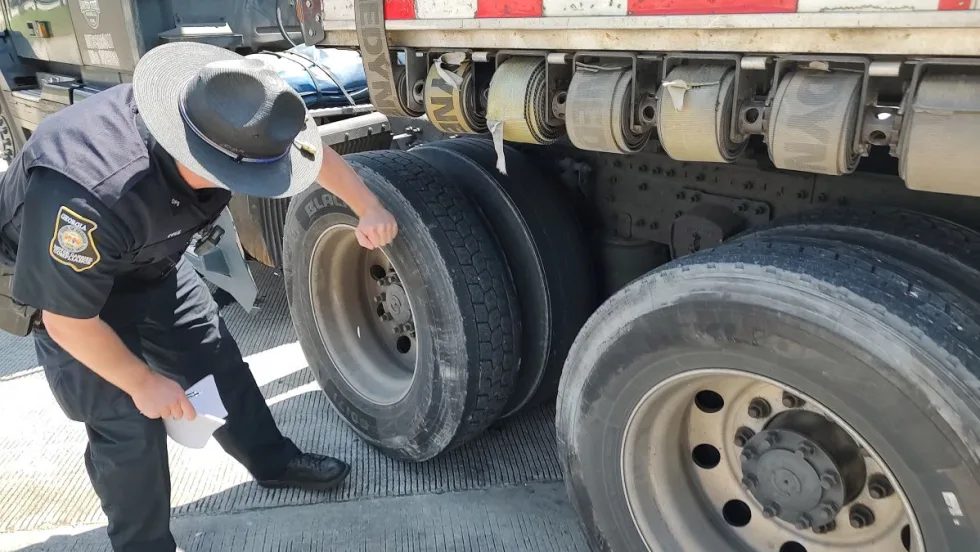
What an Out-of-Service Order Really Costs, and How to Plan for One
The repair invoice is the first number you see — and often one of the smallest. Here’s what else an out-of-service order can cost a fleet, and how planning can reduce the damage.
Read More →
International Launches Online Truck Parts Store
Fleetrite.com lets fleets and repair shops find OEM and all-makes parts, check prices and availability, and order without calling a parts counter.
Read More →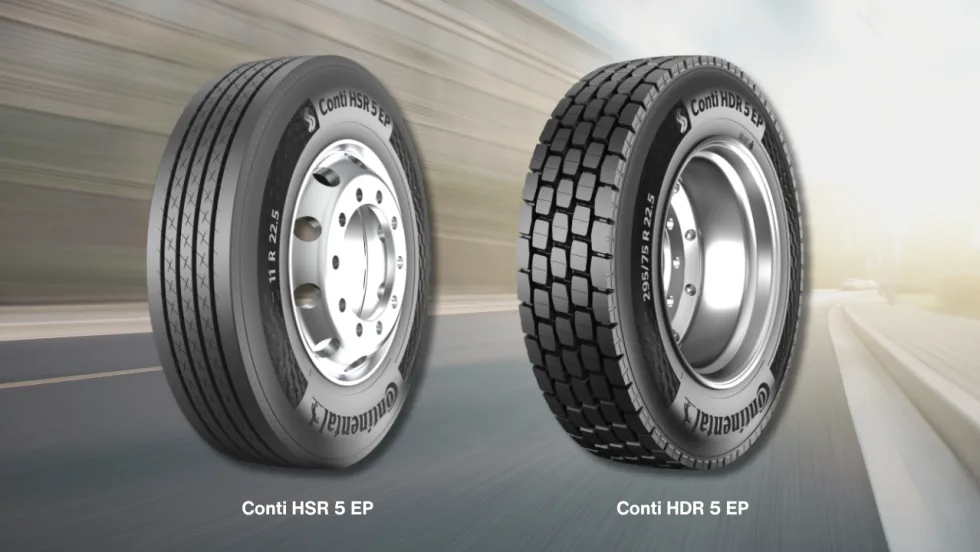
Continental Introduces New Regional Truck Tires
Continental says its new Generation 5 steer and drive tires for regional operations offer longer tread life, with estimated mileage gains of 22% and 19%, respectively.
Read More →
How AI Can Help Your Techs’ Efficiency
The technician shortage isn't going away, and no single fix can close the gap on its own. Trent Broberg makes the case that AI's real job in the shop is protecting the billable hours and job satisfaction of the techs you already have, not asking them to work faster.
Read More →
Color Match Smarter: Tools That Restore & Perform
For fleet managers and collision repair professionals keeping heavy-duty trucks on the road, getting the color right the first time isn't just about appearance — it's about efficiency, turnaround time, and bottom-line results. Discover how today's digital color tools are transforming the repair process from guesswork to precision.
Read More →
Wrong Repair Prompts Recall of Freightliner, Western Star 4x2 Trucks
DTNA is recalling more than 2,400 trucks that received an incompatible software fix instead of the hardware repair required to address brake valve corrosion.
Read More →
Truck Drivers Need More Than Another Alert
Fleets have more visibility into truck health, safety events, and driver activity than ever. The next challenge is turning all that information into useful guidance for the person who has to decide what to do next.
Read More →