




1 in 5 Smaller Fleets Would Consider Leaving Industry if Tonnage Does Not Increase: TCP National Survey
The recent Third Quarter 2011 Transport Capital Partners (TCP) Business Expectations Survey found that 15% of fleets are considering leaving the industry in the next six months if volumes do not increase
The recent Third Quarter 2011 Transport Capital Partners (TCP) Business Expectations Survey found that 15% of fleets are considering leaving the industry in the next six months if volumes do not increase.
Twenty percent of fleets under $25 million revenues and 11.8% of fleets over $25 million said they would give consideration to leaving, concludes TCP partner Richard Mikes of the recent survey results.
"Ironically even though smaller fleets are more optimistic about volumes over the next 12 months (54% vs. 38%), they still indicate that they are more serious about leaving the industry,'' he said.
According to TCP partner, Lana Batts, a dichotomy remains in our industry.
"Even with carriers seeing more freight volumes. They are still under cost pressure from most inputs (fuel, regulations, equipment, drivers). In essence, it just isn't any fun anymore," Batts noted.
On a more long term basis, the number of carriers thinking about selling in the next 18 months (compared to the next six months discussed above), rose slightly from 25% to 28%. This is the highest percentage of carriers that have been interested in selling long-term since TCP began the survey in Feb of 2009.
Almost 40% of the smaller carriers are giving consideration to leaving the industry in the next 18 months compared to only 23% of the larger carriers.
"The desire to leave the industry will significantly change the face of the industry as well as the business models that depend upon smaller carriers providing hard assets," said Batts.
"Taken in its entirety this third quarter survey shows a 'trend of caution' in the overall no-growth economy, and the impact of a surge of regulations on trucking is best summed up by the halving of the number of carriers expecting growth in the year ahead," observes Mikes.
TCP uses this quarterly survey along with partner conversations with carriers to provide a meaningful insight into future industry expectations.
More Fleet Management
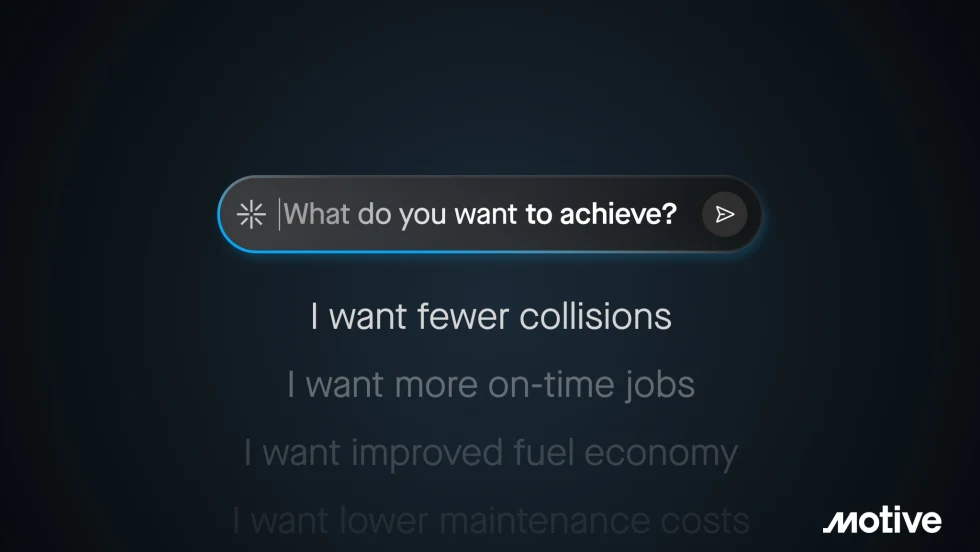
Motive Adds AI Agents for Fleet Operations
New tools automate follow-up on fleet data, from maintenance work orders to driver alerts, with two-way voice conversations planned for later this year.
Read More →
Can You Beat Our Trucking Trivia Challenge?
Test your truck knowledge with 19 trivia questions from Heavy Duty Trucking Exchange. Can you keep up with the fleet pros?
Read More →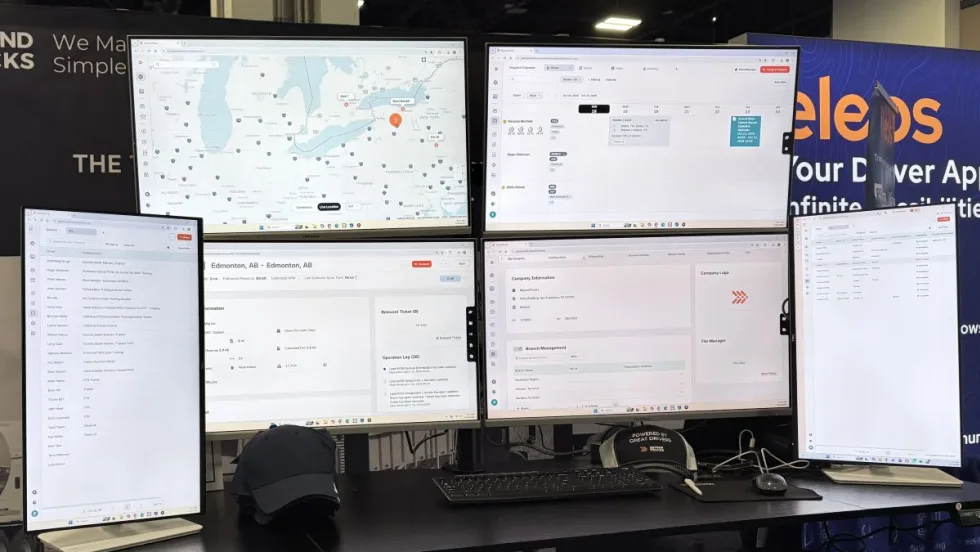
BeyondTrucks Adds Rules Checks to Dispatch
New Compatibility Engine checks driver qualifications, equipment requirements and fleet policies before loads are dispatched.
Read More →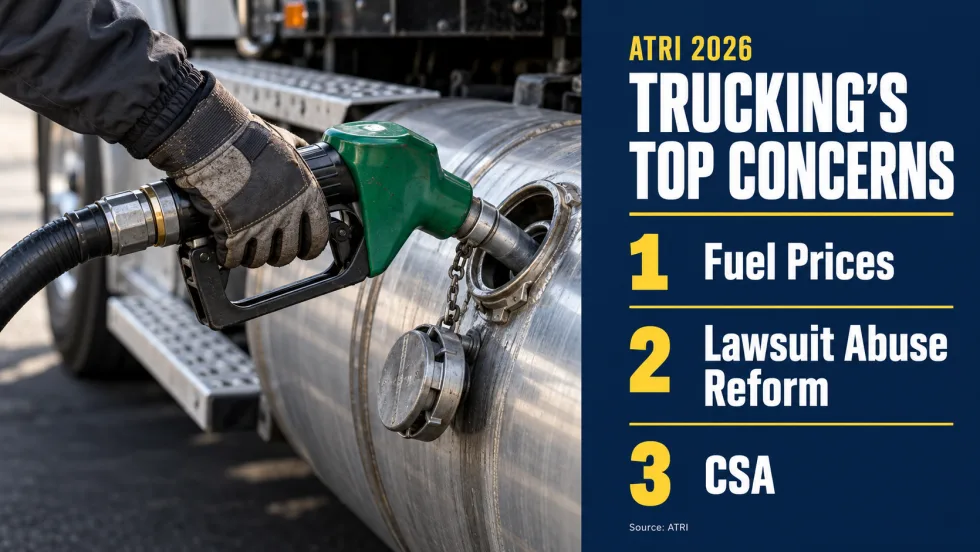
Diesel Prices Hijack Trucking’s Worry List
ATRI’s annual survey finds cautious optimism about freight, but diesel costs, litigation, and insurance continue to squeeze fleets. Drivers have different priorities on several issues.
Read More →
Nomination Deadline Extended for HDT Emerging Leaders
Just a few more days to nominate accomplished trucking fleet professionals under 40 who are making an impact and helping lead the industry forward for the HDT Emerging Leaders award. Deadline extended to October 20!
Read More →
What Will ATA’s New Leader Bring to Trucking's Table?
Incoming President and CEO Mark Colson’s record in Alabama offers clues about his priorities and approach following Chris Spear’s abrupt departure as the head of the American Trucking Associations.
Read More →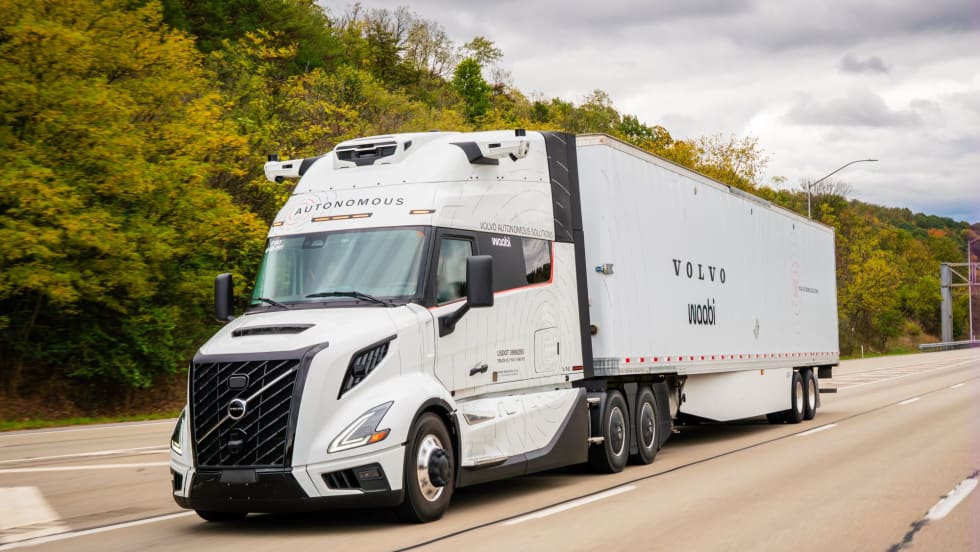
Volvo, Waabi Start Commercial Autonomous Operations in Texas
Volvo VNL Autonomous trucks, powered by the Waabi Driver, are hauling freight directly to third-party facilities for a customer in Texas.
Read More →
Samsara Launches Custom AI Agent Builder
Agent Studio lets fleets create AI tools for hours-of-service monitoring, reporting and driver support, including agents that communicate by phone.
Read More →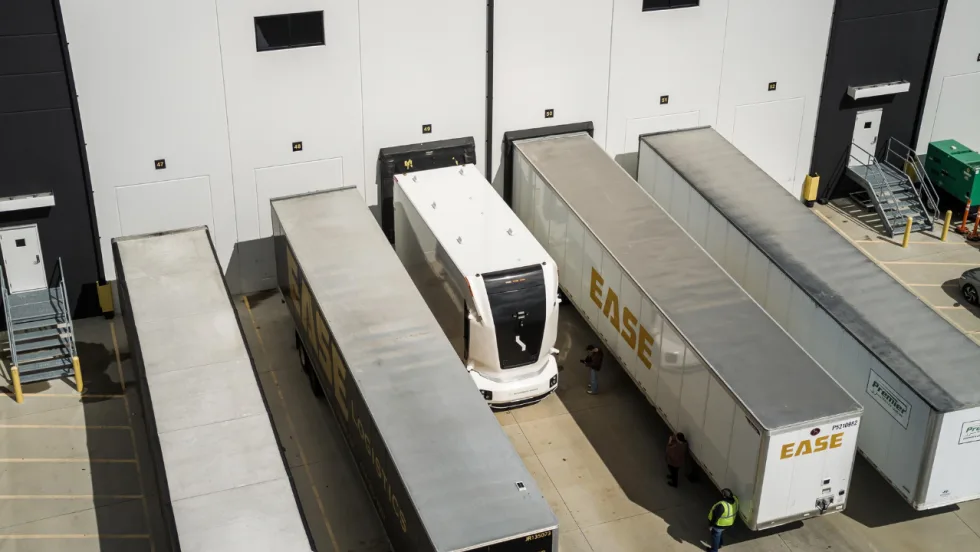
Einride Driverless Electric Trucks Begin Daily Freight Operations in Ohio
Two cabless electric trucks are hauling freight between EASE Logistics facilities in Marysville, Ohio, as part of a multi-state truck automation project.
Read More →
Geotab Links Fleet Card to Vehicle Data
The new card combines fuel discounts with telematics-based purchase controls. Geotab’s analysis also points to potential savings from choosing lower-priced fuel stops.
Read More →