


 MENU
MENU SEARCHMENUSEARCH
Did you hear about the driver who backed into the transformer for a huge regional mall, shutting it down for a Saturday during the Christmas shopping season?
Read More →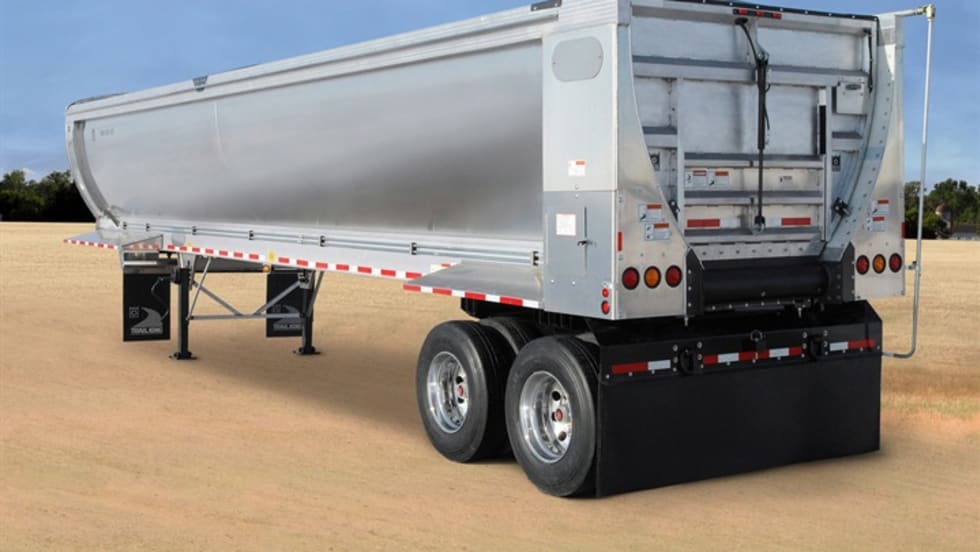
Whether it's dumps or dry vans, flatbeds or tank trailers, trailer makers have been focusing on making trailers lighter to improve freight capacity and fuel efficiency, safer for drivers, and stronger to extend the trailer’s life cycle. We contacted trailer manufacturers and learned about the latest in trailers, manufacturing, product innovations and corporate news.
Read More →
Since the new hours-of-service rules went into effect July 1, there have been many questions asked of experts both inside and outside of the Federal Motor Carrier Safety Administration related to the new rules. This article looks at some of the more frequently asked questions.
Read More →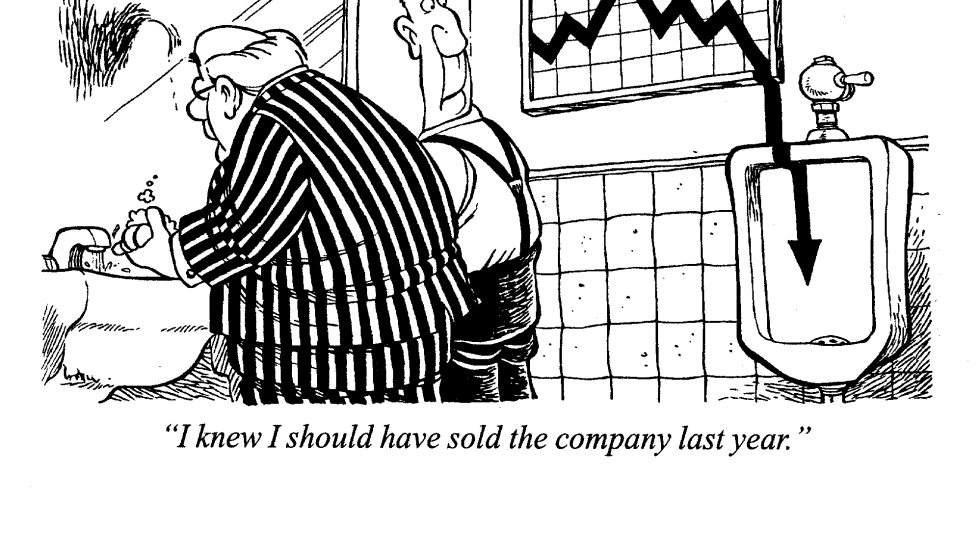
Business valuations are often mythical, based upon hearsay or rumors of the most recent sale in the industry. To learn more about their company’s worth, many business owners get a professional business valuation, but these are less important than you might think.
Read More →
The new hours of service regulations have gone into effect, but they are only part of the challenges and opportunities faced by fleets. Adam Kahn, director of product marketing at Omnitracs, took a deeper look at emerging fleet management and mobile computing trends, and provided insight on how fleets can best use technology to stay on top of the changing industry.
Read More →A research team from Georgia Tech compared medium-duty electric and diesel urban delivery trucks for a range of scenarios and discovered the total costs of ownership were very similar – but the cost-competitiveness of the electric truck drops in drive cycles with higher average speed.
Read More →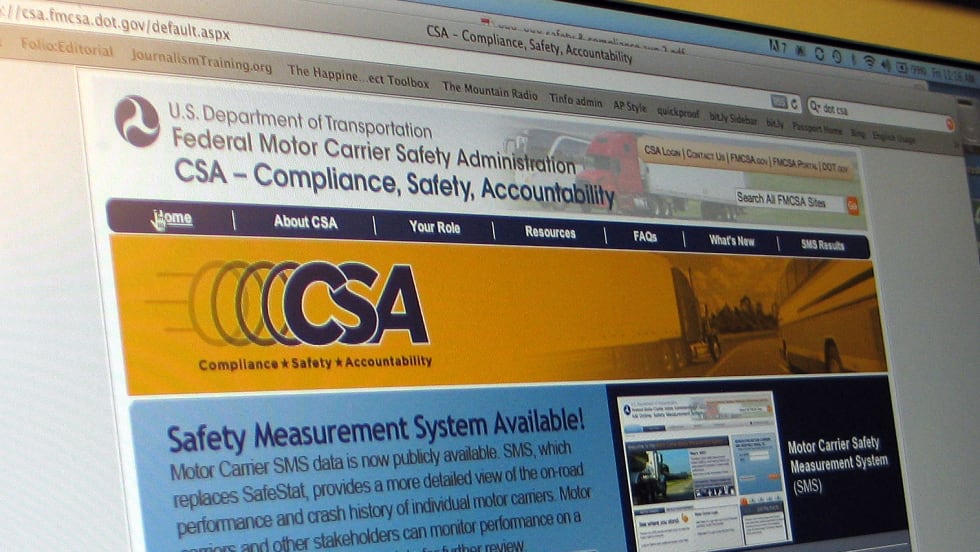
CSA may be an enforcement tool for the FMCA, but you also can use CSA as a catalyst to create transparency and accountability in your organization.
Read More →Every fleet experiences breakdowns at some point. These incredibly frustrating events eat up time, money, and good will with clients. So having a reliable service you can call on when the need arises is not a luxury, it’s a necessity. But make sure you ask questions.
Read More →When we’re talking about on-highway trucks, there are opportunities in aerodynamics, low-rolling-resistance tires, “downspeeding” and other strategies to save fuel. But when you’re talking delivery trucks, work trucks, vans and the like, the strategies are different. Below are four approaches to improving mpg for mediums.
Read More →
Trucking operations generally don’t invest in technology with the sole purpose of becoming “greener.” For most fleets, the decision is prompted by a desire to improve operational efficiencies, customer service and the bottom line.
Read More →